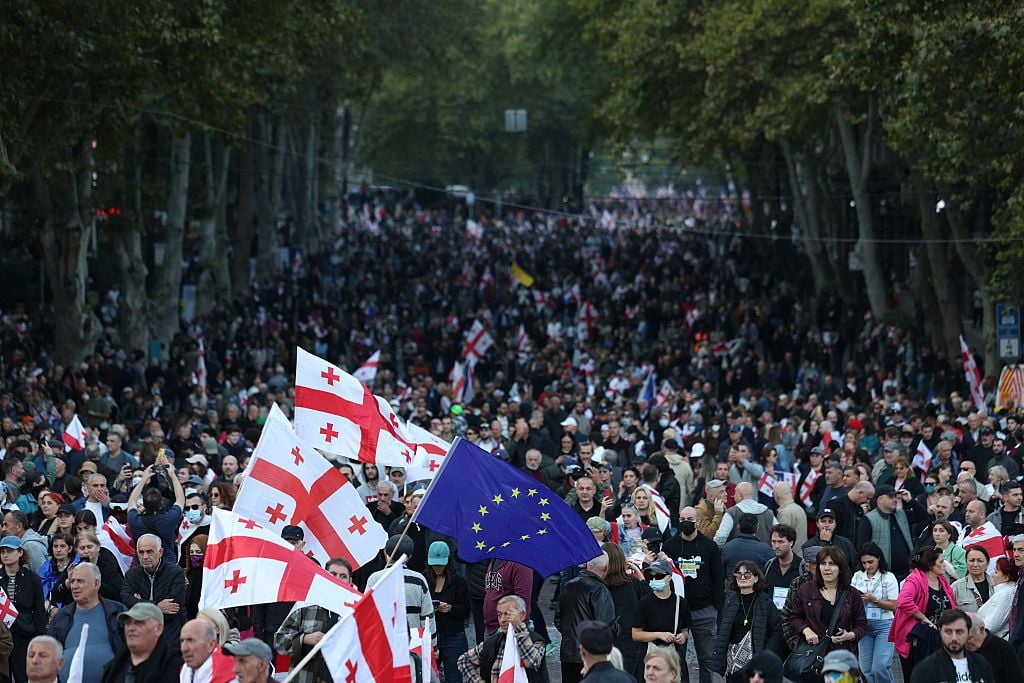
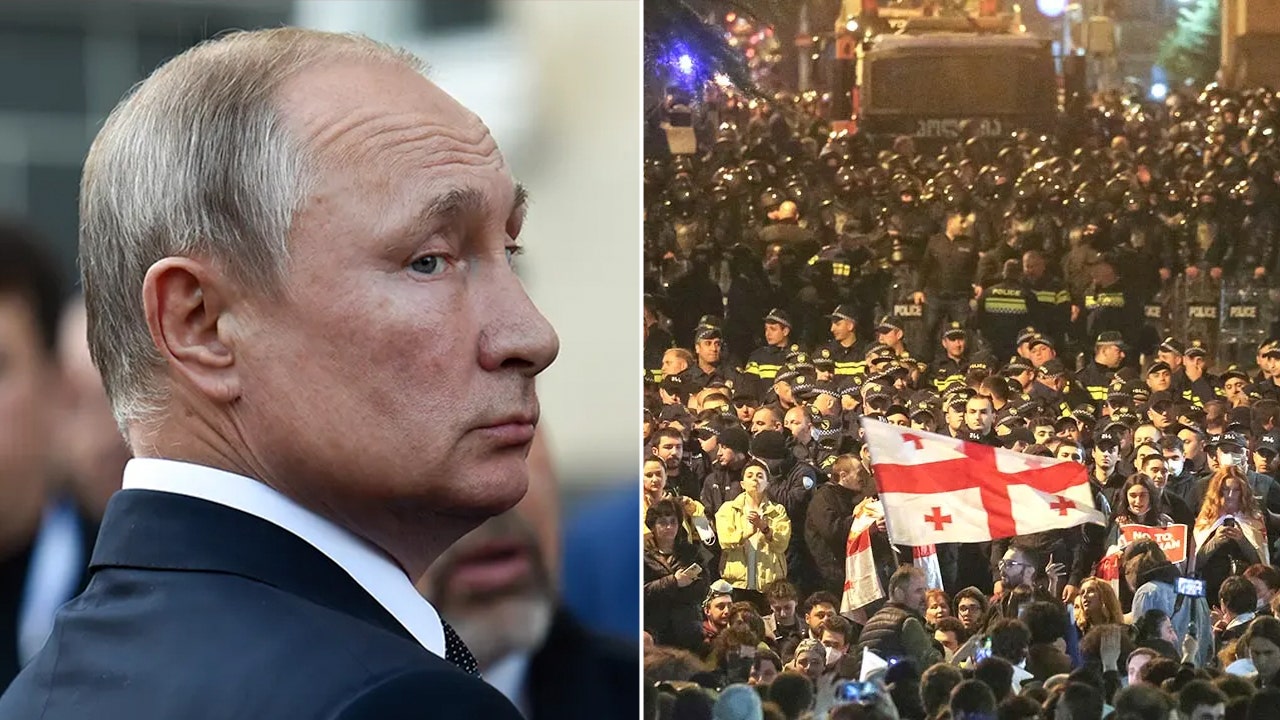
Thousands of protesters in Georgia attempted to storm the presidential palace during local elections, leading to police using water cannons and pepper spray; the protests reflect ongoing tensions over democratic backsliding, EU integration delays, and Russian influence, with notable support from Belarusian opposition figures.
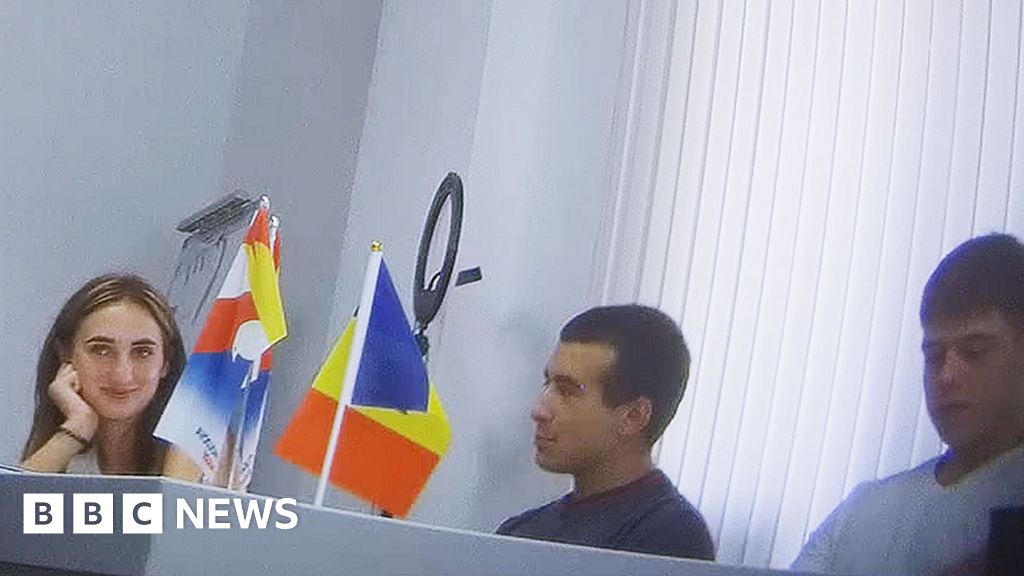
The BBC investigation uncovered a secret Russian-funded disinformation network targeting Moldova's upcoming elections, involving paid social media campaigns, fake polls, and links to oligarch Ilan Shor, aiming to undermine the pro-EU government and influence the election outcome.
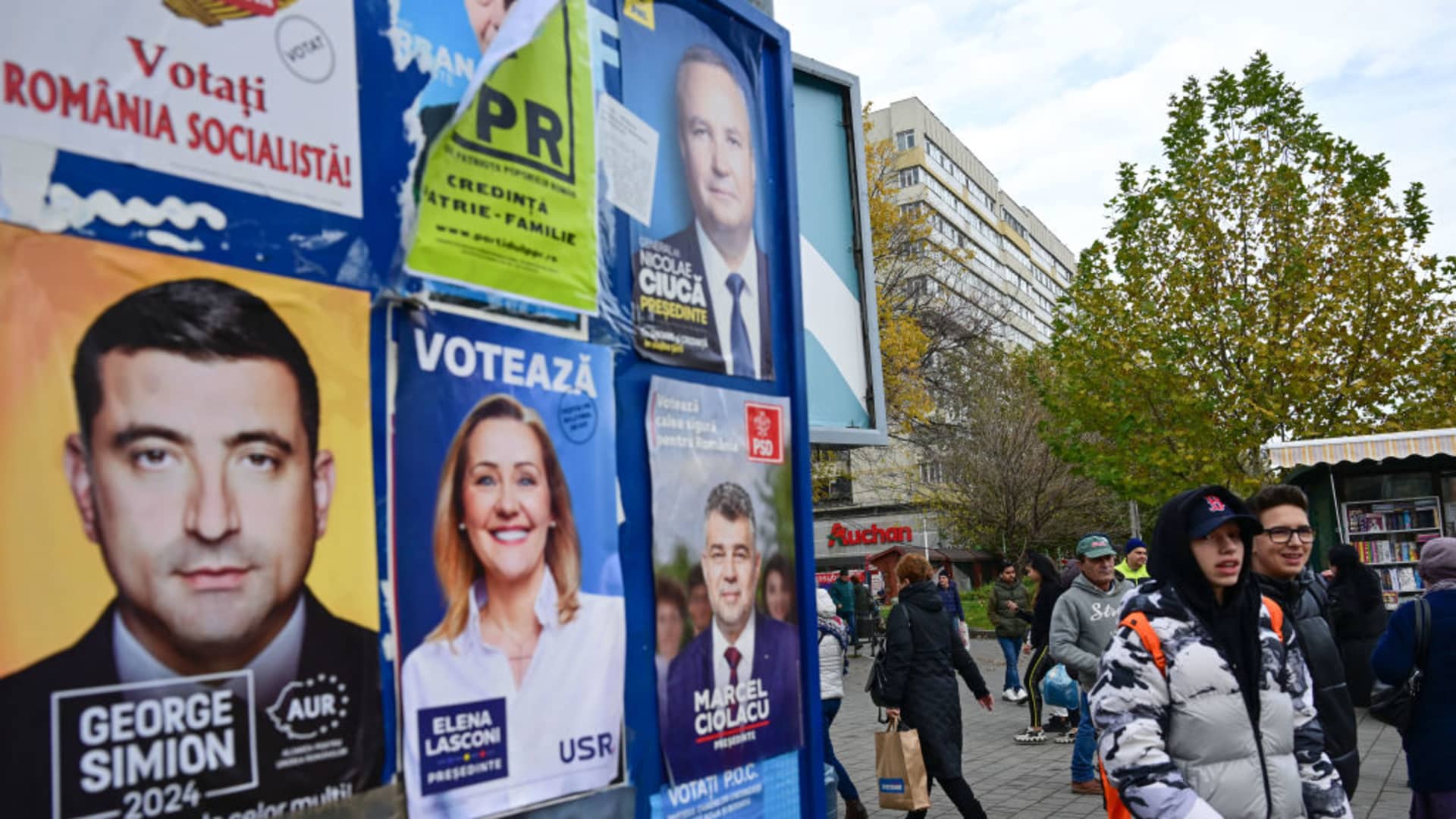
Romania's top court has annulled the results of the first round of the presidential election, citing the need for a complete rerun of the election process. This decision follows concerns over the unexpected victory of Calin Georgescu, a far-right, pro-Russian candidate, amid allegations of "aggressive hybrid Russian attacks" during the election period. The annulment does not affect the parliamentary elections, where the ruling Social Democrats remain the largest party, aiming to form a pro-EU coalition.
Rep. Joe Wilson has introduced the MEGOBARI Act to sanction Georgian officials responsible for a controversial Russian-style foreign agents law, which has sparked widespread protests and opposition from Western allies. The bill aims to impose visa bans and other sanctions on individuals undermining democracy in Georgia and calls for reports on Russian and Chinese influence in the country.
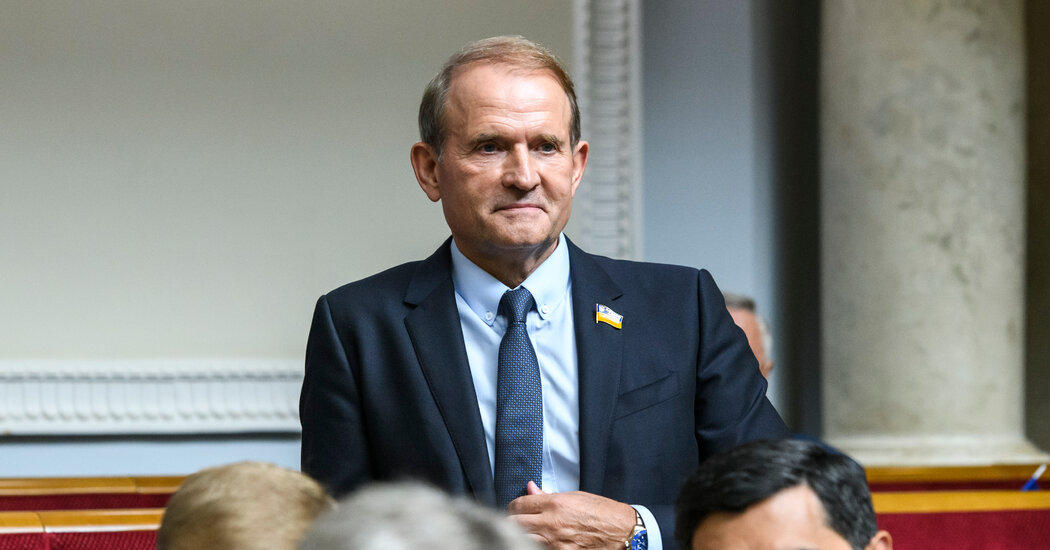
The Czech Republic has frozen the assets of two men and a news website, accusing them of running a Russian influence operation in Europe to spread pro-Russian narratives and undermine Ukraine's sovereignty while infiltrating the European Parliament. The men identified are Viktor Medvedchuk, a pro-Russian Ukrainian politician, and Artem Marchevskyi, a Ukrainian-Israeli citizen who allegedly ran the website, Voice of Europe. Czech authorities have hinted at further revelations and suggested that politicians from several European countries may have been paid to promote Russian interests in the European Parliament.
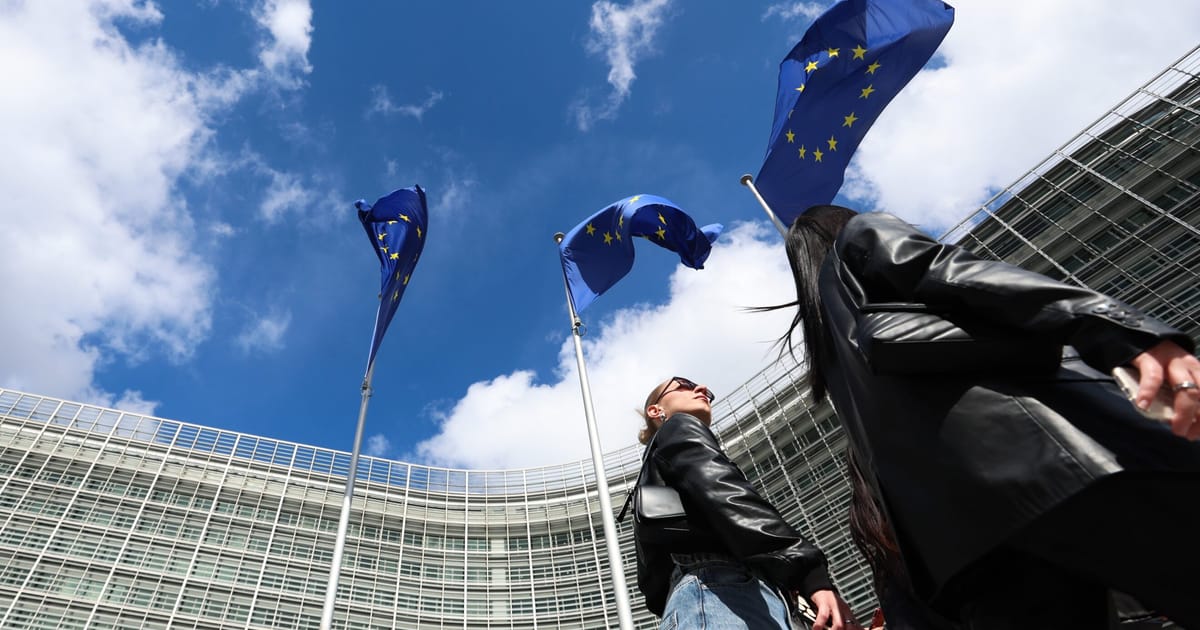
A Russian influence campaign has caused a stir in Europe as top officials revealed that the Kremlin paid European Parliament members to interfere in the upcoming EU election. The scandal involves a pro-Kremlin website spreading propaganda and allegedly paying politicians, prompting concerns about corruption and foreign meddling ahead of the June election. The Czech government sanctioned the news site, Voice of Europe, and an ally of Russian President Vladimir Putin for their involvement in the operation, while Polish security services conducted searches as part of a cross-border investigation. The European Commission Vice President emphasized the need to address Russian disinformation and foreign interference as a means to divide Europe.
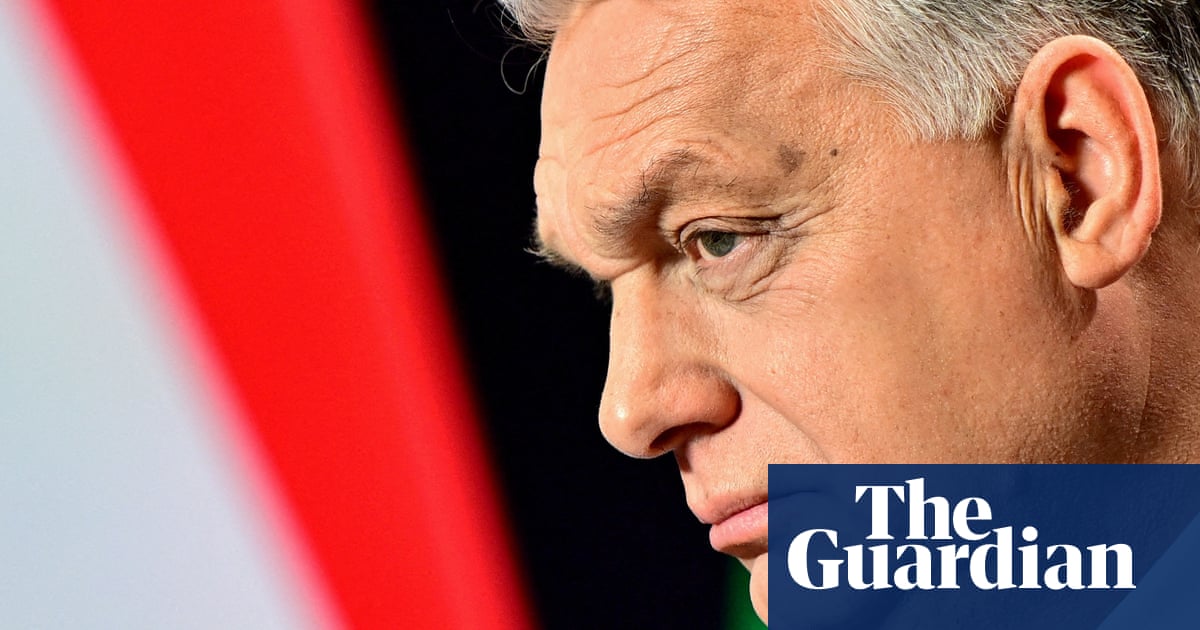
The US ambassador to Hungary, David Pressman, delivered a scathing speech in Budapest, criticizing the Hungarian government's anti-American rhetoric, expanding relationship with Russia, and rampant corruption. Pressman warned that the US will not wait out the Orbán administration and expressed deep concerns about Hungary's slide away from western alliances and democratic institutions. The deteriorating US-Hungary relations have been exacerbated by Prime Minister Orbán's meeting with Donald Trump and his comments about the war in Ukraine. Pressman also addressed concerns about the state of Hungary's democracy and emphasized that the US wants good ties with Hungary but Budapest's behavior is putting the relationship at risk.
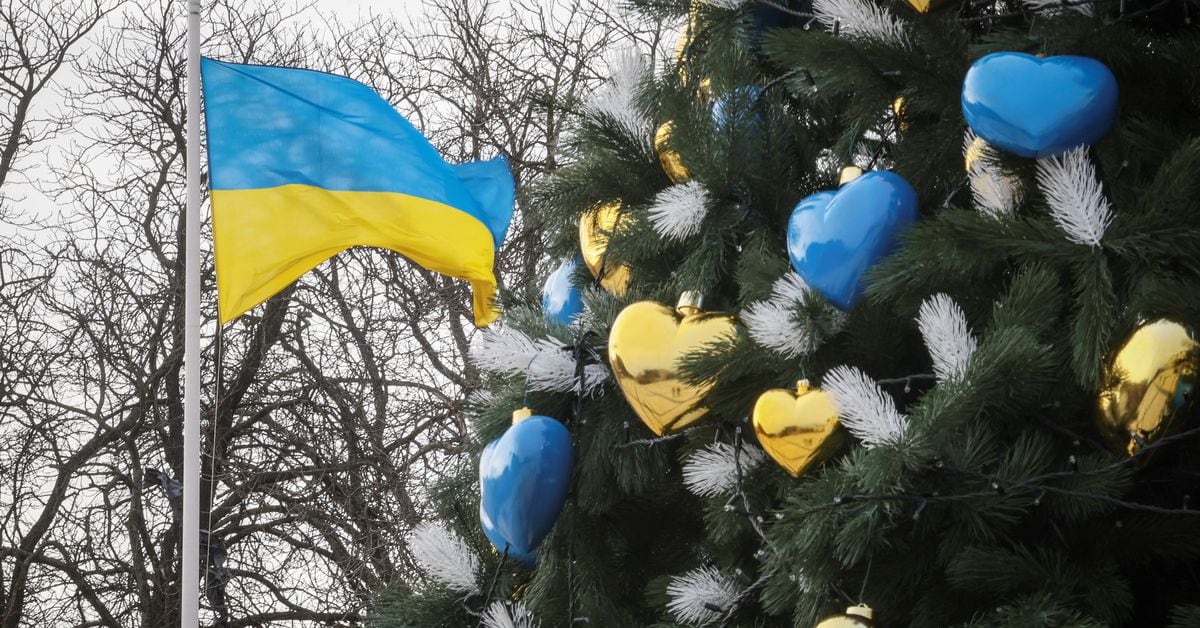
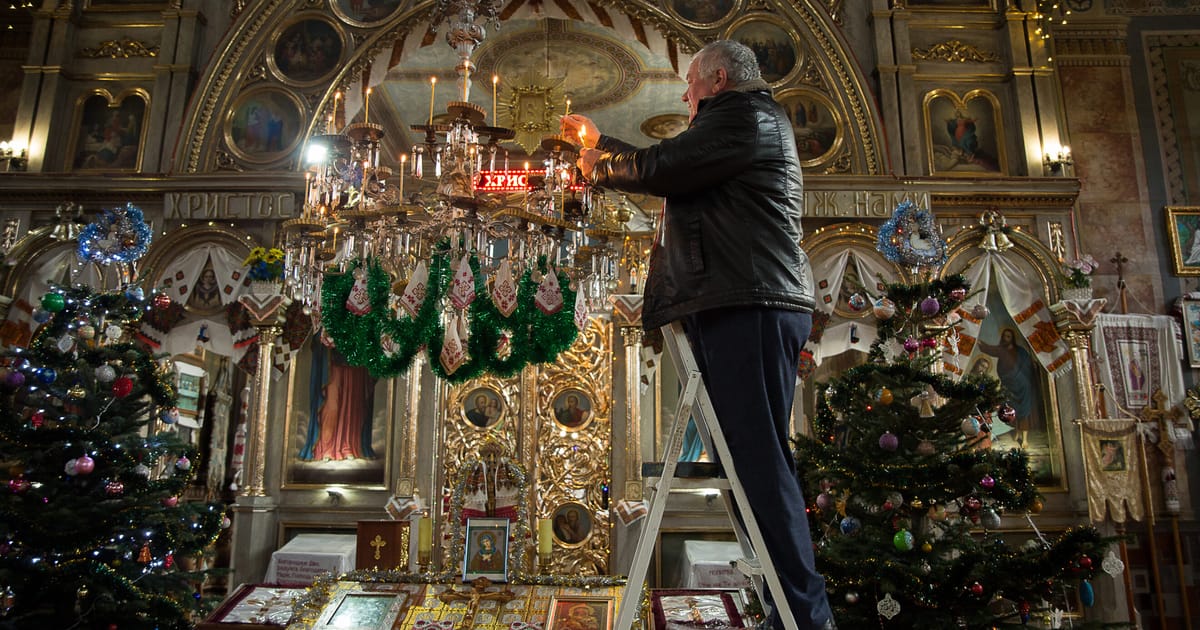
Ukrainians are preparing to celebrate their first Christmas on a new calendar, distancing themselves from Russian influence as their military defends against a Kremlin invasion. Most Ukrainians are Orthodox Christians and traditionally celebrated Christmas on January 7 according to the Julian calendar used in Russia. However, this year, the country's main church agreed to shift to the Western calendar, aligning with the rest of Europe. The move reflects a broader rejection of Russian language, culture, and historical ties. Ukraine's interest in joining the European Union is seen as a crucial affirmation of its place in Europe. The ongoing war with Russia has further solidified this sentiment. Ukrainian authorities have also been renaming streets and removing statues tied to the tsarist and Soviet past.
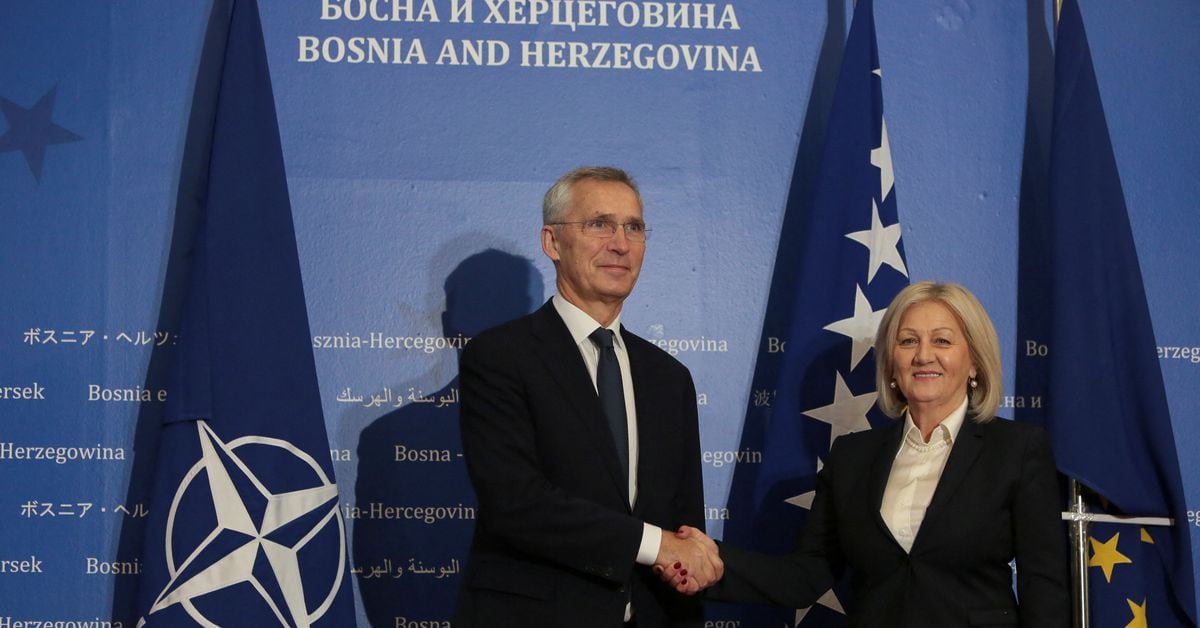
NATO Secretary General Jens Stoltenberg expressed concern over secessionist rhetoric in Bosnia, particularly from Serb leaders who have been increasingly advocating for splitting away and joining Serbia. Stoltenberg also highlighted the issue of Russian influence in the country. Bosnia, which emerged from a devastating war in the 1990s, remains divided and faces economic stagnation and mass emigration. NATO has warned about the risks of foreign interference, particularly from Russia, and has committed to supporting Bosnia's Euro-Atlantic path. However, the pro-Russian Bosnian Serbs have withdrawn their support for joining NATO, effectively halting Bosnia's Atlantic integration ambitions.
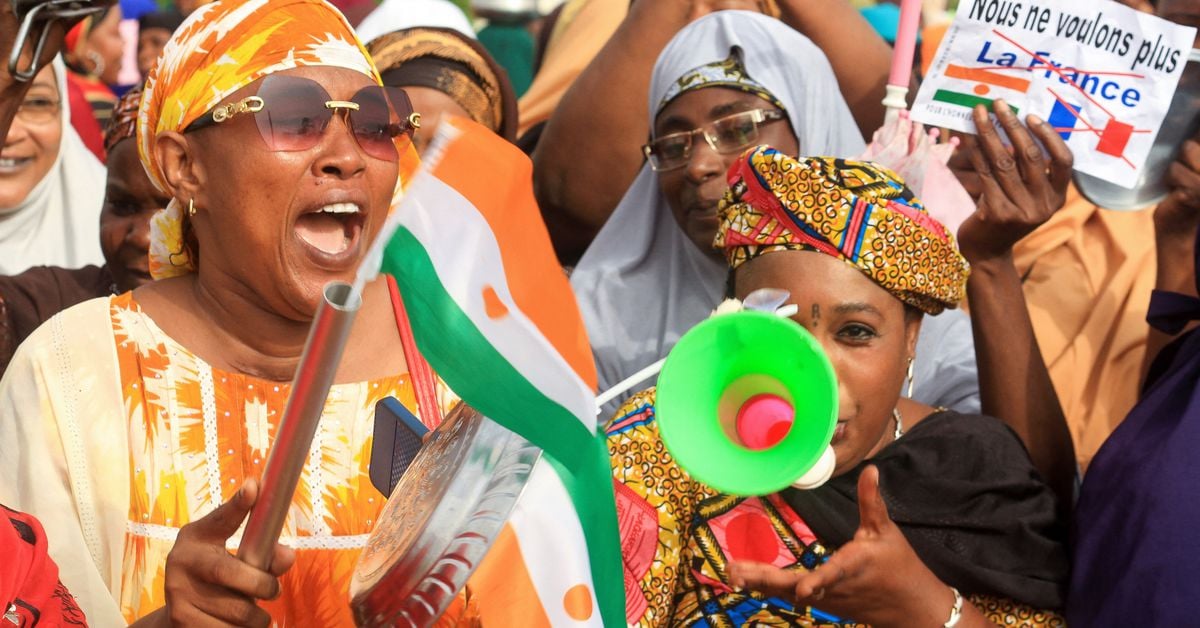
France will withdraw its troops from Niger by the end of the year following a coup in the West African country, according to President Emmanuel Macron. This decision deals a blow to French influence and counter-insurgency operations in the Sahel region. The move is likely to raise concerns about Russia's expanding presence in Africa, as the Russian mercenary force Wagner is already active in Niger's neighbor, Mali. France's exit comes after pressure from the junta and popular demonstrations, and it further diminishes French influence in its former colonies in West Africa.
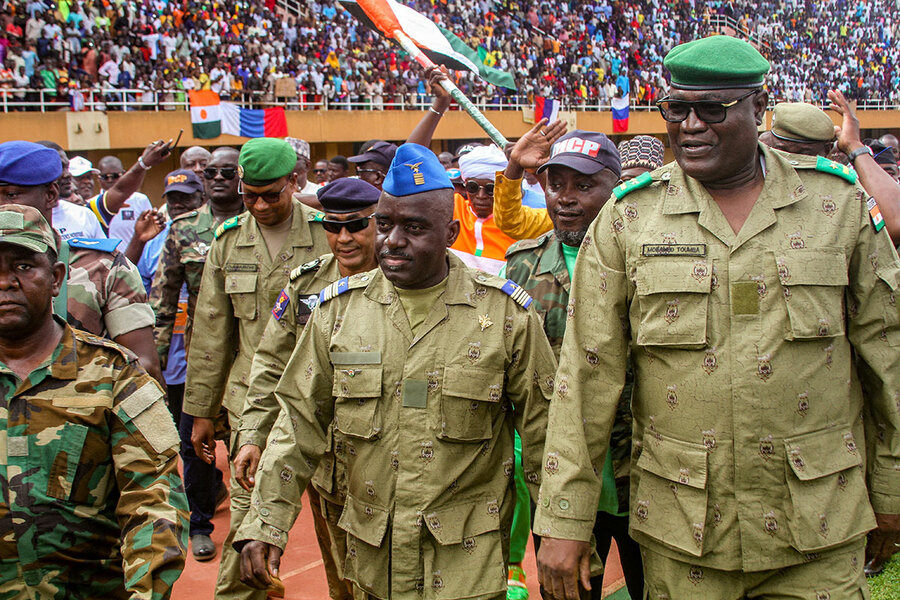
The recent military coup in Niger has raised concerns for Western interests in Africa, particularly in curbing the spread of Islamic jihadis in the Sahel region. Western countries have suspended aid to Niger, leaving the door open for Moscow's more martial approach, implemented by mercenaries from the Wagner Group. The coup has thrown into doubt the U.S. and European approach of combining social and economic reforms with military action to address the challenges of climate change, poverty, and inadequate services in the region. The situation in Niger highlights the broader geopolitical stakes and the potential for the Sahel to follow the path of neighboring countries like Mali, turning to Russia for support. The future of the Western-backed governance model for the Sahel remains uncertain.
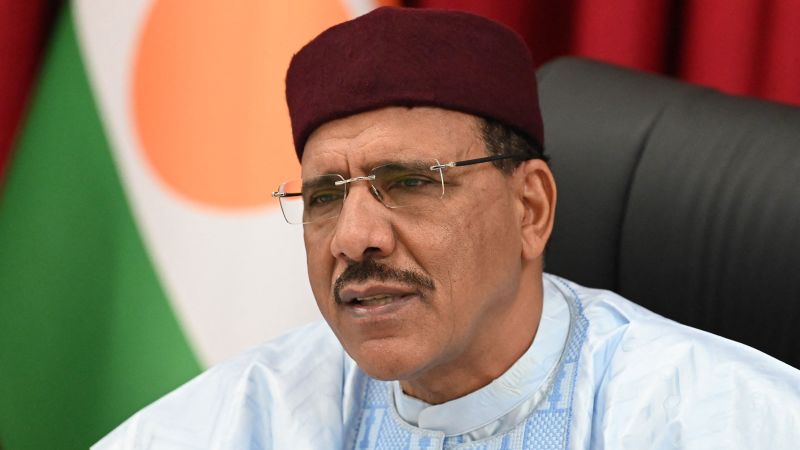
Niger's President Mohamed Bazoum, who was democratically elected two years ago, has been detained by the military since last Wednesday when a coup was launched. In a Washington Post op-ed, Bazoum warned that the coup could have devastating consequences for the region and highlighted the growing Russian influence in the Sahel region. He called on the US and the international community to help restore constitutional order in Niger. The US has called for Bazoum's immediate release and stated that there is no change to its military posture in Niger.
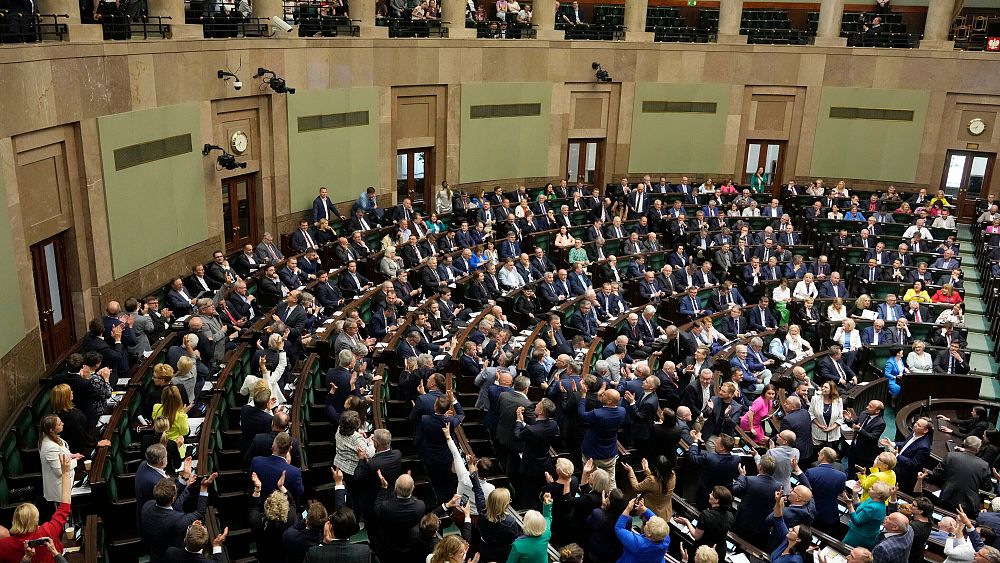
The European Union has expressed serious concerns over Poland's new law on Russian influence, which critics fear could be used to target political opponents ahead of the upcoming national election. Despite the criticism, President Andrzej Duda, an ally of the ruling Law and Justice party, signed the law into force. The law establishes a special committee to investigate Russian influence, but the European Commission warns that it may put Poland at odds with EU laws.
Ukraine has changed the date of its official Christmas Day state holiday from January 7 to December 25, in an effort to distance itself from Russian influence. The move is part of a broader campaign to assert Ukrainian identity and comes as Ukraine has been cutting religious and cultural ties with Russia. The legislation also changes the dates of two other state holidays, the Day of Ukrainian Statehood and Defenders Day. This follows Ukraine's ban on naming places after Russian figures or events and the removal of Soviet-era monuments.
Poland's ruling Law and Justice party has passed a controversial law on Russian influence, which critics argue could be used to target political opponents. The law establishes a committee of experts to investigate alleged Russian interference and potentially bar politicians from holding public positions. The legislation is seen as primarily targeting former Prime Minister Donald Tusk, who is expected to run in the upcoming parliamentary election. President Andrzej Duda proposed amendments to the law, but it still faces criticism from the US State Department and EU authorities for its potential impact on democracy and the independence of the judiciary.