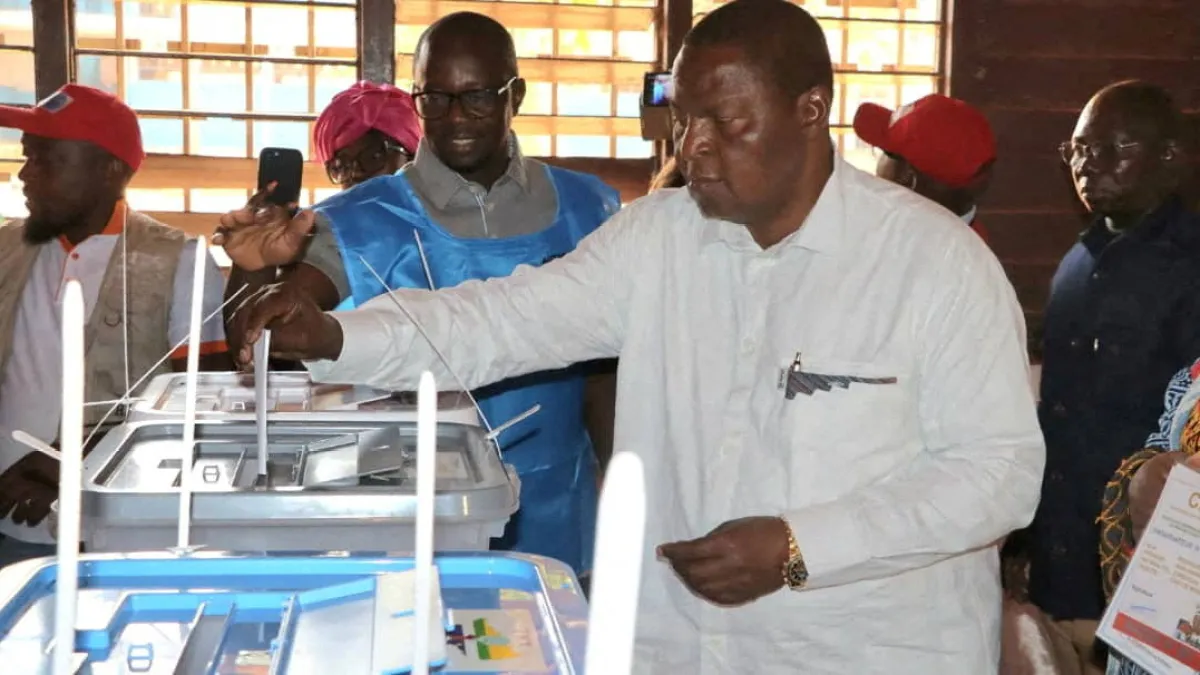
Faustin-Archange Touadera has won a third term as President of the Central African Republic with 76.15% of the vote in the December 28 election, amid opposition claims of fraud and a boycott by the main opposition coalition. Voter turnout was 52.42%, and the election followed a constitutional change that abolished term limits. Touadera's security-focused campaign included support from Russian mercenaries and Rwandan soldiers, and he has signed peace deals with rebel groups.
Guinea's military leader Mamady Doumbouya has been declared the winner of the presidential election with 86.72% of the vote, marking a move towards civilian rule after a military coup in 2021. The election was boycotted by main opposition leaders, and the results are pending validation by the Supreme Court.
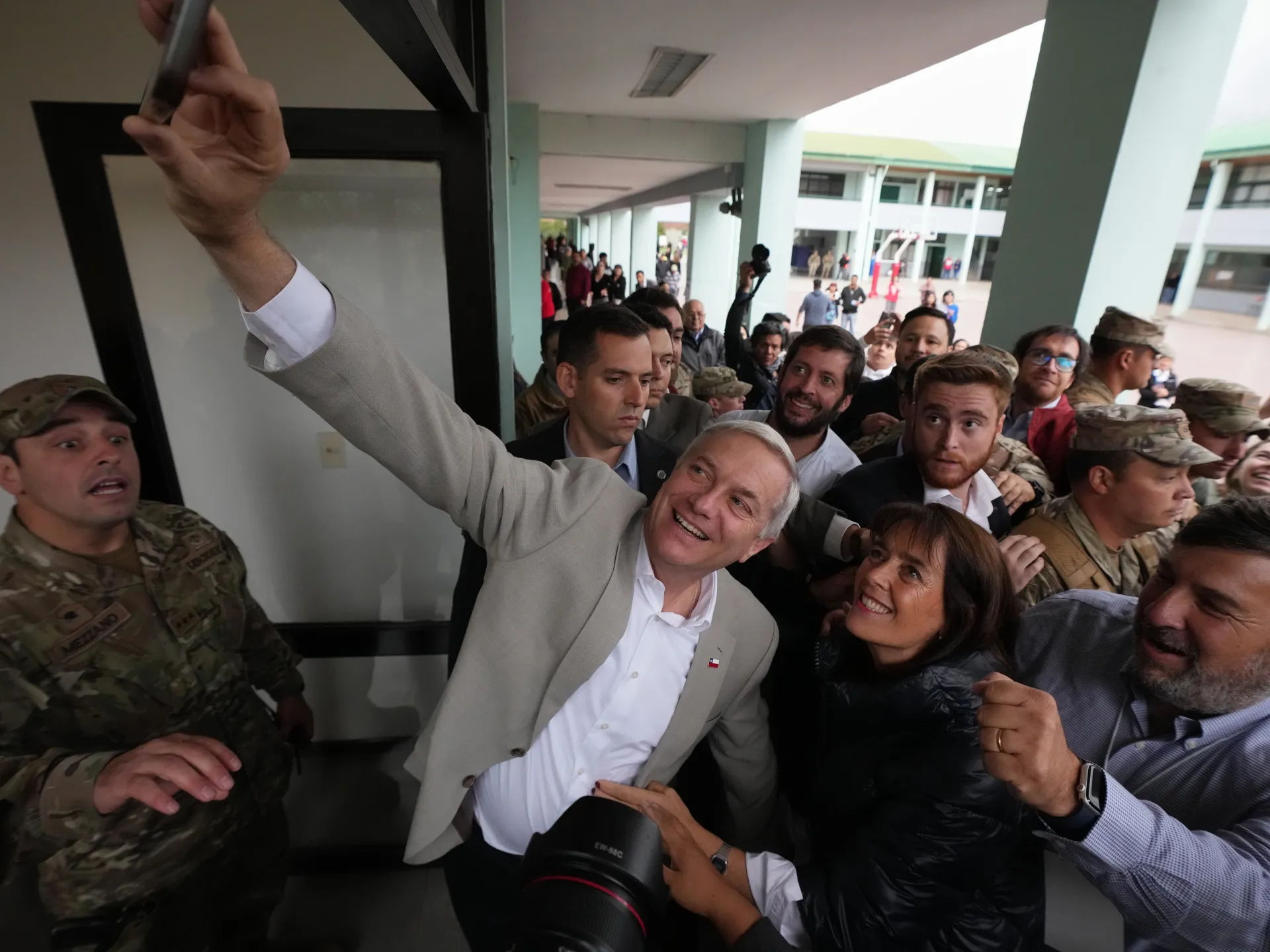
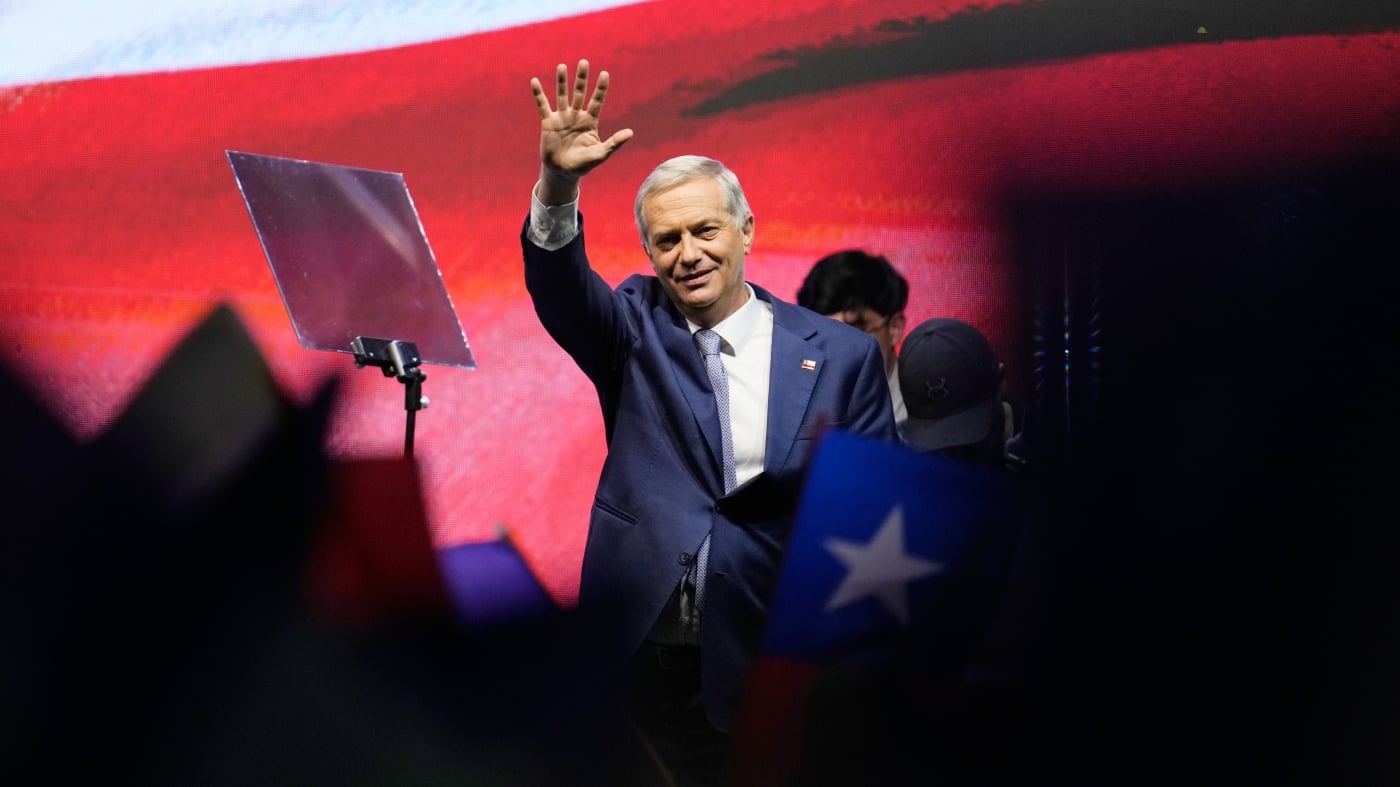
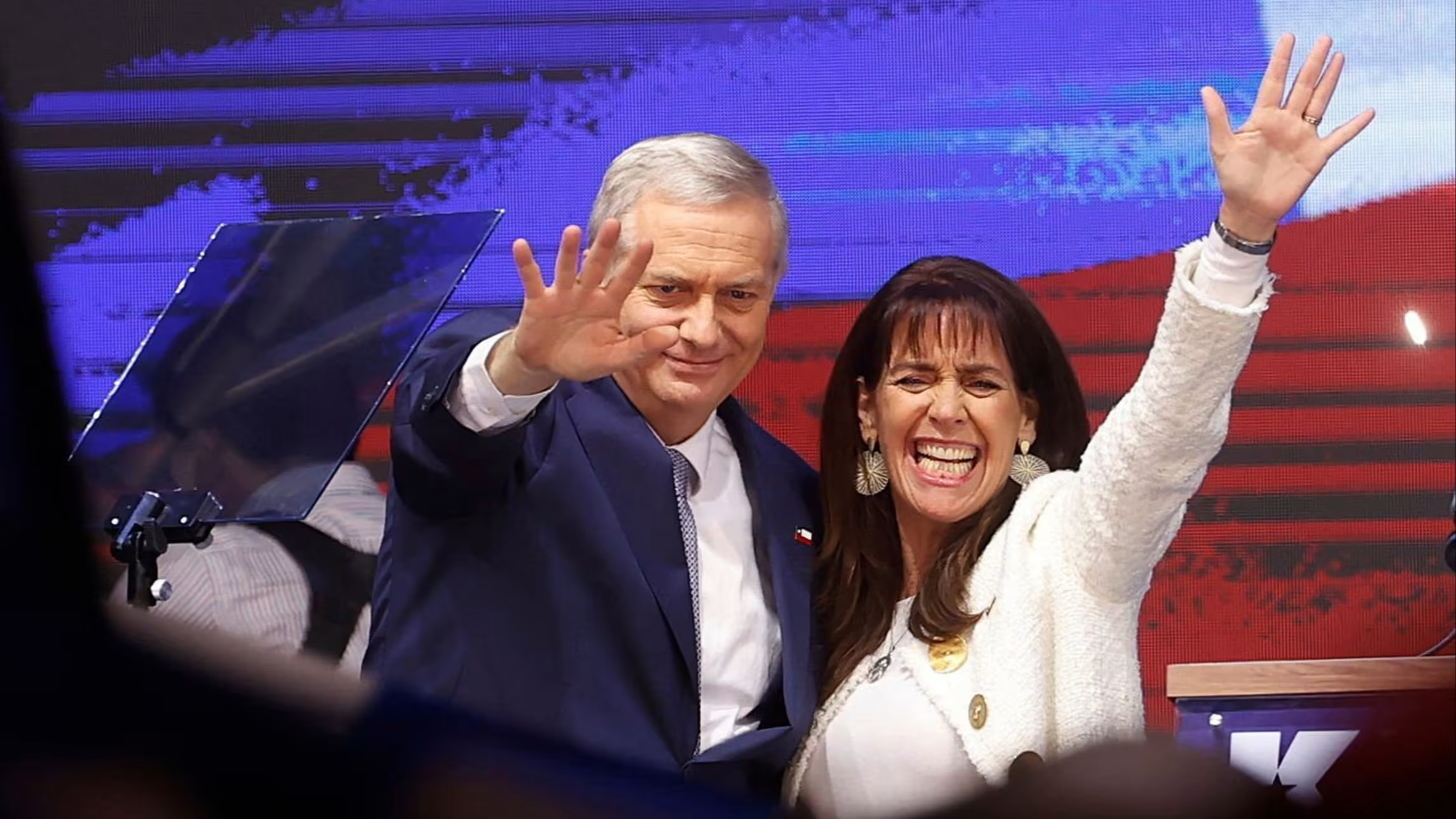
Far-right candidate Jose Antonio Kast won Chile's presidential election with 58% of the vote, marking a significant political shift and the first conservative government since 1990, amid concerns over crime, immigration, and economic issues, and facing a divided Congress.
José Antonio Kast, a conservative candidate with a history of supporting military regimes and controversial social views, won the Chilean presidential runoff with over 58% of the vote, marking a significant shift to the right in Chile's politics amid concerns over crime and migration. He has pledged to address security issues and deport undocumented migrants, and his victory aligns with regional trends favoring right-wing policies. Kast will assume office in March 2026.
A conservative hardliner has won the presidential election in Chile in a decisive landslide victory, signaling a significant political shift in the country.
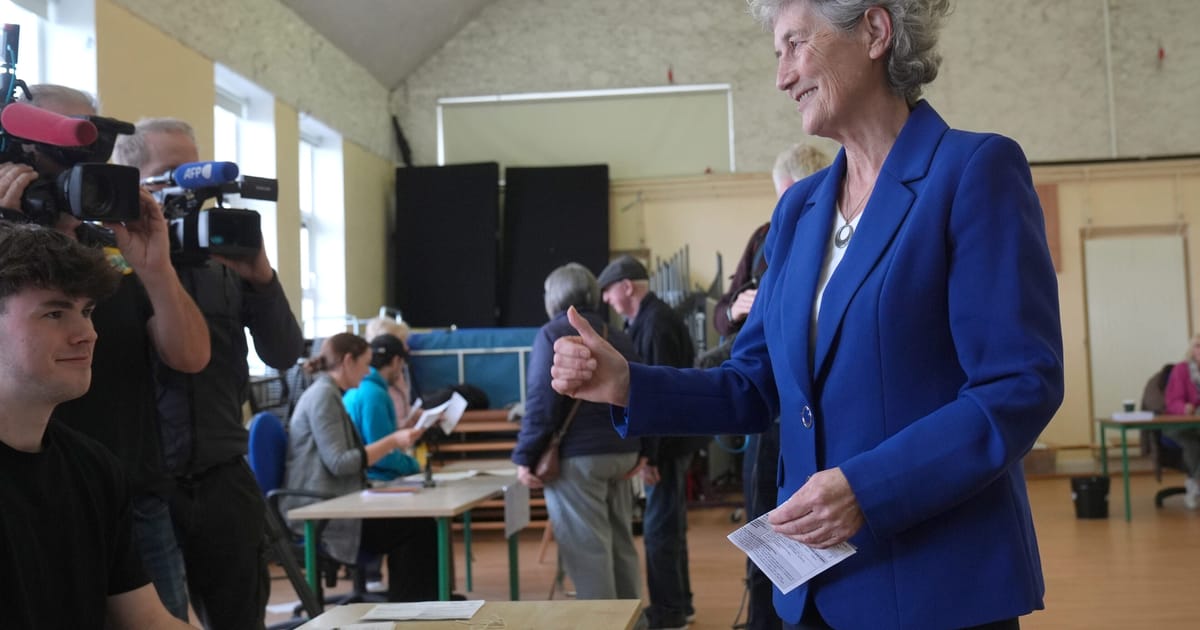
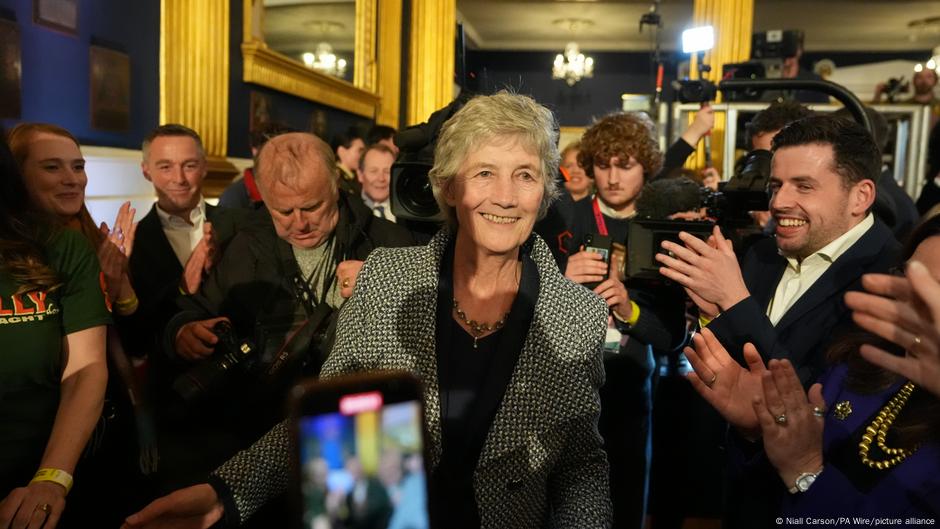
Catherine Connolly, a left-wing independent, won Ireland's presidential election with a record 63.4% of votes, defeating center-ground candidates amid a surge of vandalized ballots and anti-immigrant sentiment, signaling a significant political shift and increased social tensions in Ireland.
Catherine Connolly, a left-wing independent candidate, won Ireland's presidential election with over 64.7% of the vote, amid low voter turnout and widespread dissatisfaction with political parties, and she plans to focus on peace, unity, and neutrality.
Left-leaning independent Catherine Connolly won Ireland's presidential election with 63% of the vote, supported by left parties including Sinn Féin, and will succeed Michael D. Higgins. Her victory signifies a potential shift in Irish politics, with increased voter dissatisfaction reflected in a high number of spoiled ballots.
Left-leaning independent Catherine Connolly won Ireland's presidential election with 63% of the vote, supported by left parties including Sinn Féin, promising to champion diversity, peace, and neutrality. She succeeds Michael D. Higgins and is the third woman to hold the role, amid a high number of spoiled ballots indicating voter discontent.
Catherine Connolly, a left-wing independent candidate with a pro-Palestine stance, is set to become Ireland's next president after her rival conceded defeat, with vote counting still underway across the country.
Irish voters elected Catherine Connolly, a leftist and critic of NATO and Israel's actions in Gaza, as president in a landslide, reflecting some discontent with the government despite the largely ceremonial nature of the role.
Ivory Coast's upcoming presidential election features incumbent Alassane Ouattara facing strong competition from candidates including Simone Gbagbo, Jean-Louis Billon, Henriette Lagou Adjoua, and Ahoua Don Mello, amid concerns over political stability, past violence, and regional loyalties, with issues of democracy, economic progress, and foreign relations also at the forefront.
Centrist senator Rodrigo Paz won Bolivia's presidential runoff with 54% of the votes, defeating right-wing rival Jorge Quiroga, amid economic crisis and public demand for change after 20 years of MAS rule. Paz's victory signals a shift towards moderate policies and economic reform, but faces challenges like restoring foreign reserves and managing inflation.
Bolivia elected centrist senator Rodrigo Paz as president, ending two decades of leftist rule, amid economic turmoil including currency devaluation and high inflation. Both candidates promised economic reforms and improved US relations, with Paz emphasizing anti-corruption measures and gradual subsidy reforms to stabilize the economy.
Centrist senator Rodrigo Paz won Bolivia's presidential runoff, ending nearly 20 years of leftist rule, amid economic turmoil and voter desire for moderate change, and will face the challenge of forming alliances in a fragmented legislature.