A pioneering technique called Long Range Cleavage sequencing (LORAX-seq) has been developed to detect and study the occurrence of "backtracking," a molecular event that influences gene regulation in humans and other species. This technique has revealed that backtracking occurs frequently throughout genomes, lasts longer than previously thought, and is associated with various gene types. The study suggests that persistent backtracking may play a crucial role in genetic regulation, including influencing cell division, tissue development, and histone control, while also potentially contributing to DNA damage and disease.

Researchers have discovered that the OBOX gene family plays a crucial role in the activation of the zygote genome, initiating the development of an embryo. These genes guide the enzyme RNA polymerase II to transcribe the correct genes at the right time, allowing the embryo to develop successfully. The redundancy of these genes' functions ensures the critical transition from zygote to embryo occurs properly. This research provides new insights into the early stages of embryo development and may have implications for understanding embryonic stem cell reprogramming.
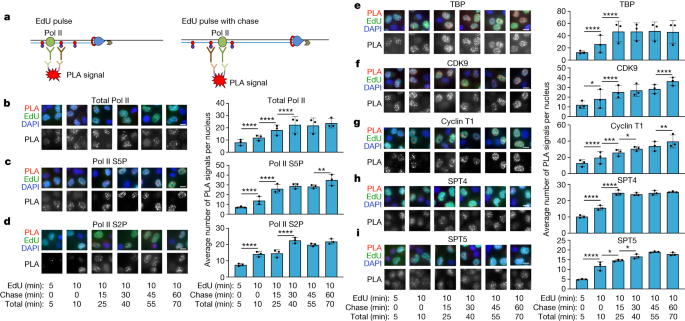
A recent study has found that RNA polymerase II, an enzyme responsible for transcribing DNA into RNA, remains associated with active genes during DNA replication. This discovery challenges the conventional understanding that RNA polymerase II dissociates from chromatin during replication. The findings suggest that RNA polymerase II may play a role in maintaining transcriptional memory and contribute to the regulation of gene expression.