A study found that despite the nonprofit group R.I.P. Medical Debt relieving Americans of $11 billion in hospital bills, the debt relief did not significantly improve the mental health or credit scores of the debtors, nor did it reduce their likelihood of forgoing medical care. The study, which followed 213,000 people in debt and randomly selected some to work with the nonprofit group, calls into question the impact of the high-profile charity's efforts.
New York City plans to eliminate over $2 billion in medical debt for up to 500,000 residents in a partnership with RIP Medical Debt, a nonprofit organization. The initiative aims to alleviate the burden of medical debt, which is a leading cause of personal bankruptcy, particularly for low-income households and those with inadequate insurance. The program will cost the city $18 million over three years and will target individuals with low incomes or financial hardships, with no application process required. Mayor Eric Adams views this as a worthwhile investment that will prevent households from falling into the city's safety net or homeless system.
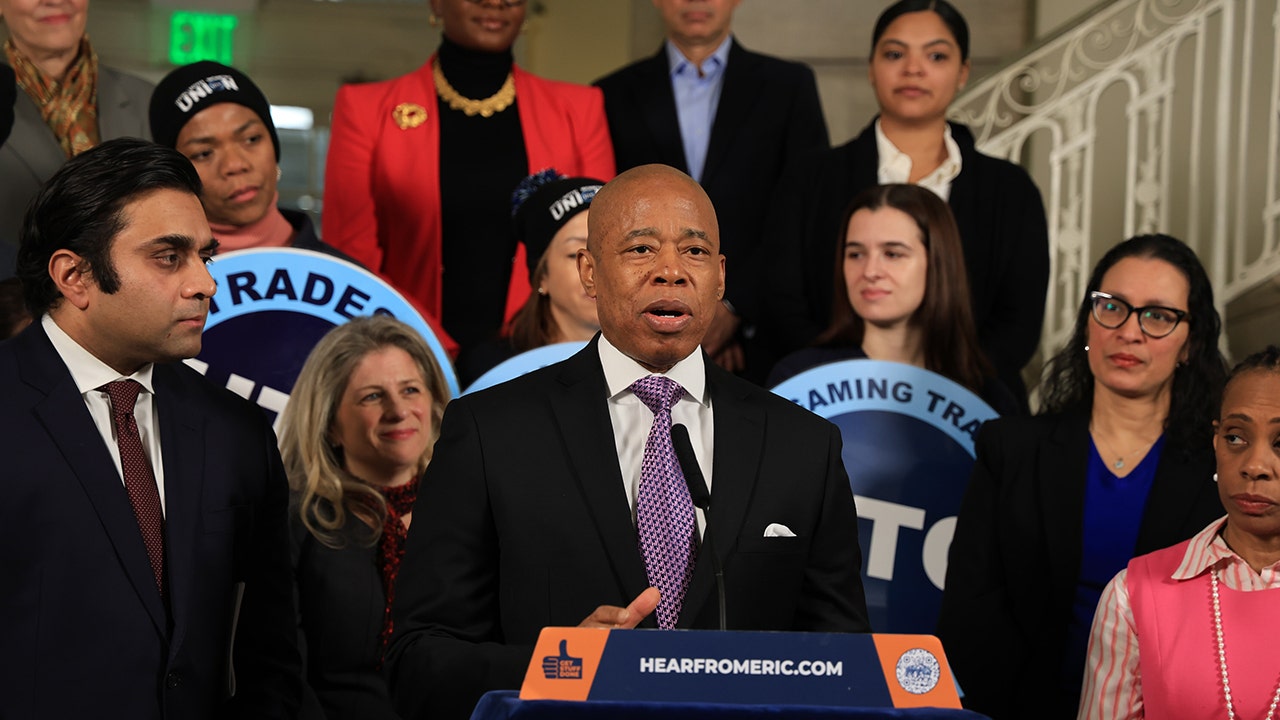
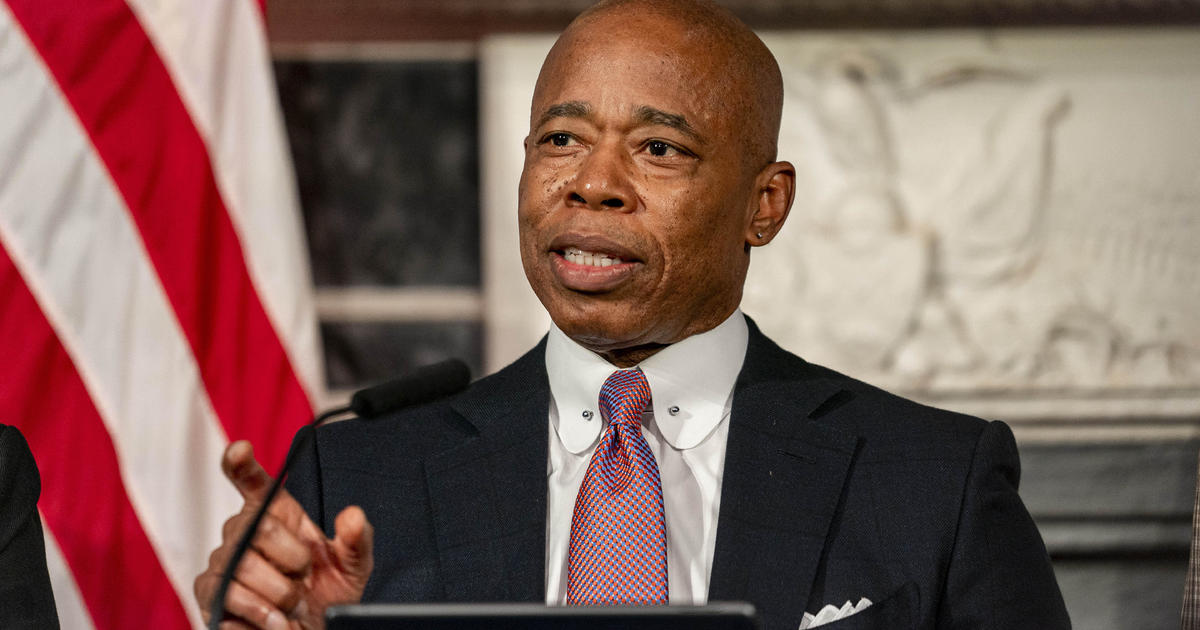
NYC Mayor Eric Adams announced a $2 billion medical debt bailout plan to pay off the medical debt of up to 500,000 residents using $18 million in taxpayer funds over the next three years. The initiative, in partnership with RIP Medical Debt, aims to erase medical debt owed by New Yorkers, addressing a significant issue that often leads to financial burden and bankruptcy. This program is considered the largest municipal initiative of its kind in the country and will provide relief to those struggling with medical debt.
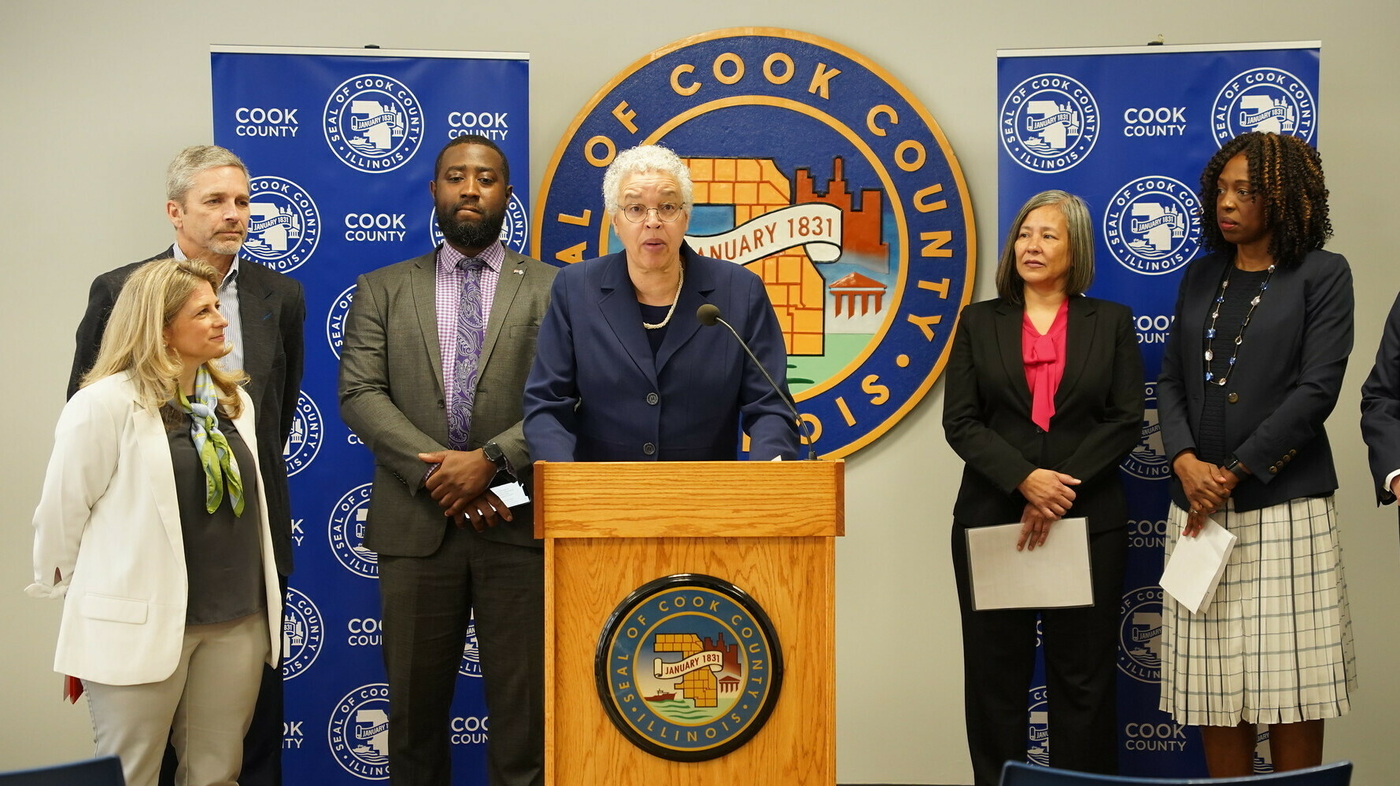
New York City has joined a growing number of local governments in erasing residents' medical debt, following the lead of Cook County, Ill. The county partnered with RIP Medical Debt, a nonprofit that uses private donor funds to buy and forgive health care debts. This initiative has spread to other local governments, including Akron, Cleveland, Toledo, Ohio, New Orleans, Wayne County, Mich., and Washington, D.C. New York City's mayor noted that medical debt disproportionately affects Black and Latino communities, and the program aims to alleviate the burden on low-income residents. The move to forgive medical debt is gaining bipartisan support and drawing attention to the broader issue of unequal access to healthcare.
New York City plans to use $18 million to clear more than $2 billion in unpaid medical debt for around 500,000 residents by partnering with nonprofit organization RIP Medical Debt, which buys and erases medical debt. The program will target New Yorkers with medical bills at least 5% of their annual household income or those in households with income under four times the federal poverty line. This initiative aims to alleviate the burden of medical debt, which disproportionately affects low-income individuals and those without adequate health insurance.
NYC Mayor Eric Adams announced a plan to eliminate over $2 billion in medical debt for up to 500,000 residents by partnering with nonprofit RIP Medical Debt, which buys medical debt in bulk and forgives it. The program, costing $18 million over three years, aims to alleviate the financial burden on middle- and working-class New Yorkers, who often face bankruptcy due to medical bills. The relief recipients will be notified without needing to apply, and Adams emphasized the investment's positive impact on households and the city's safety net.
New York City plans to eliminate over $2 billion in medical debt for up to 500,000 residents in partnership with RIP Medical Debt, a nonprofit organization. This initiative aims to alleviate the financial burden on low-income households and individuals with inadequate insurance, addressing a leading cause of personal bankruptcy. Mayor Eric Adams emphasized the significant impact of medical bills on working-class families and highlighted the program as the largest municipal effort of its kind in the United States.