Economists have revised down their growth forecasts for India after the country's GDP growth fell to a seven-quarter low of 5.4% in the July to September period, significantly below both consensus estimates and the Reserve Bank of India's 7% projection.
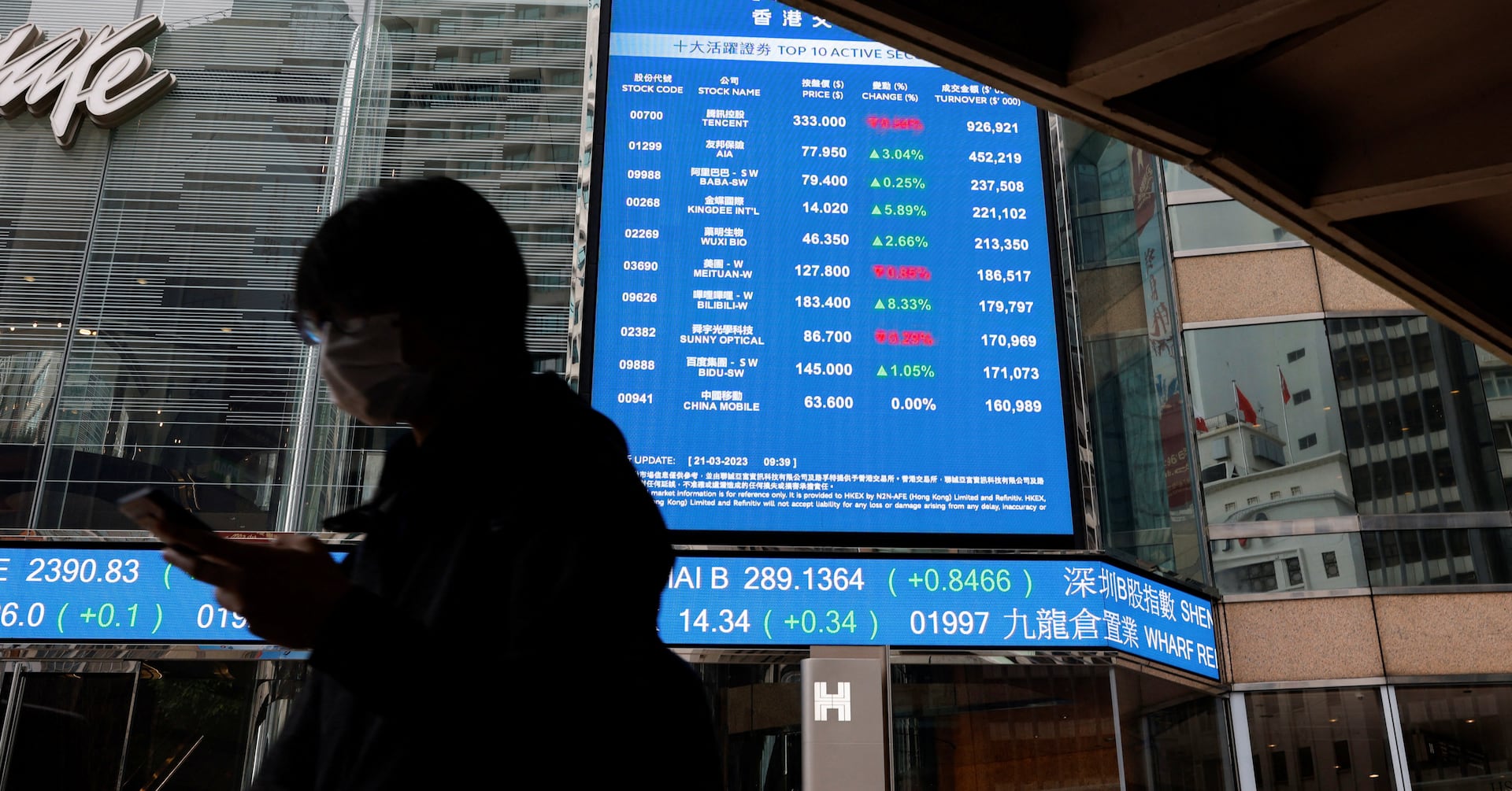
Comments from a U.S. Fed official about potential interest rate cuts punctured the positive mood in Asian markets, despite a decline in the dollar and U.S. bond yields. Geopolitical tensions, including President Biden's threat to change policy towards Israel and U.S. Treasury Secretary Yellen's meetings in China, are also impacting market sentiment. The Reserve Bank of India's policy meeting and inflation data from the Philippines and Thailand are key events on Friday, with all 56 economists in a Reuters poll expecting the repo rate to be kept unchanged at 6.50%. Meanwhile, Indian Prime Minister Narendra Modi aims to double the economy and exports this decade.
Comments from a U.S. Fed official suggesting no interest rate cuts this year led to a late Wall Street reversal, impacting Asian markets, despite a decline in the dollar and U.S. bond yields. Geopolitical tensions and upcoming market-moving events, including the Reserve Bank of India's policy meeting and inflation data from the Philippines and Thailand, are also influencing market sentiment. U.S. Treasury Secretary Janet Yellen's meetings in China, concerns about China's global trade impact, and the Indian prime minister's ambitious economic targets are additional factors contributing to market uncertainty.
Macquarie has slashed its 12-month price target on Paytm by 57.7% due to concerns over a potential exodus of customers following heightened regulatory scrutiny from the Reserve Bank of India. The central bank's recent clampdown on Paytm Payments Bank has raised existential questions about the future of the leading financial services firm, with Macquarie predicting a sharp reduction in revenues and potential challenges in retaining lending partners. The analyst team also highlighted the arduous task of migrating payment bank customers to other bank accounts within the RBI's deadline.
Investors are increasingly betting on the Indian rupee to rise this year, as evidenced by a surge in dollar-rupee options trading volumes. The market sentiment reflects expectations of the rupee breaking out of its narrow range and appreciating, with the Reserve Bank of India's intervention likely to decrease following criticism from the International Monetary Fund. Low implied volatility has made directional bets on the rupee via options relatively inexpensive, contributing to the increased trading volumes.
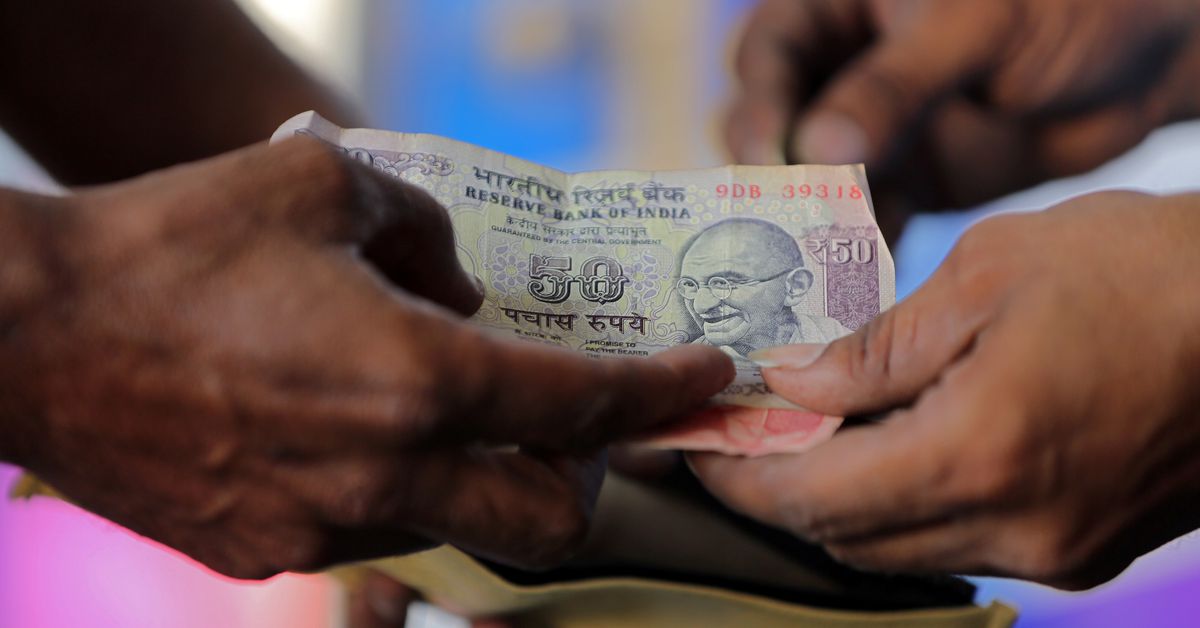
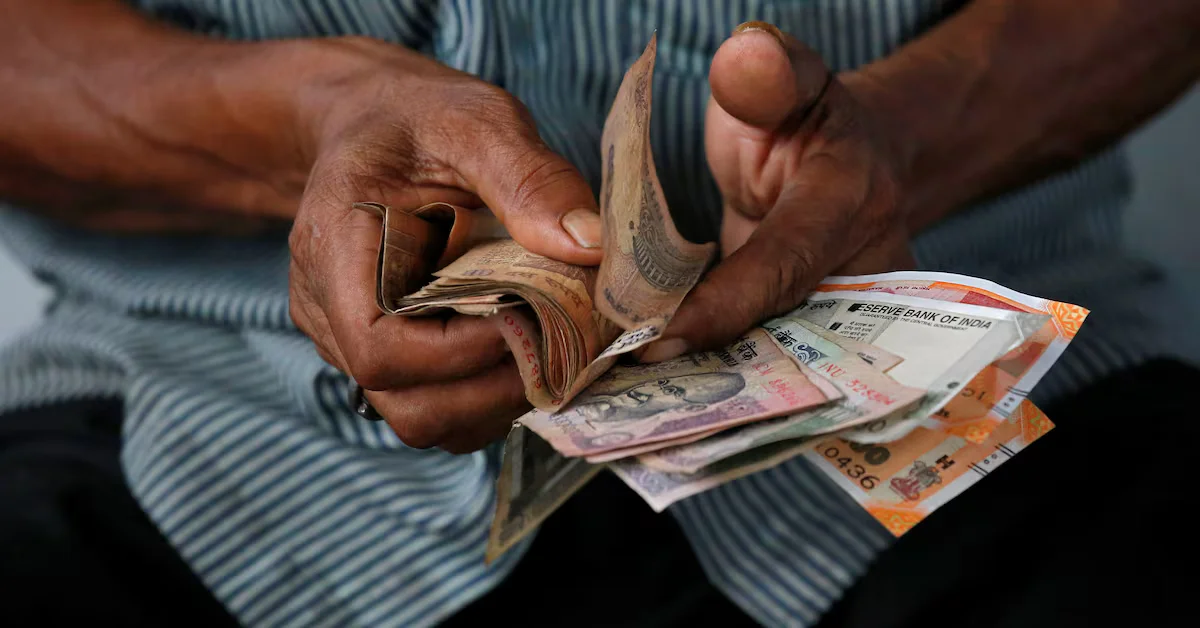
Despite the growth of digital payments in India, cash continues to hold ground as a valuable financial saving and store of value for most Indians. The currency in circulation grew by over 16.6% in 2020-21, while digital transactions soared, with UPI transactions surpassing a trillion dollars. This simultaneous growth of cash and digital payments is referred to as a "currency demand" paradox. Cash is preferred for minor purchases, and falling interest rates, a large informal economy, and expanded direct benefit cash transfers during the pandemic have contributed to the increased preference for cash. Unaccounted-for cash still flows into political campaign coffers and real estate transactions, highlighting the continued significance of cash in these sectors.
UPI transactions in India have surged from ₹92 crore in FY 2017-18 to ₹8,375 crore in FY 2022-23, with a Compound Annual Growth Rate (CAGR) of 147% in terms of volume. The value of UPI transactions has also risen from ₹1 lakh crore to ₹139 lakh crore, exhibiting a CAGR of 168%. UPI has become the primary driver for the expansion of digital payment transactions, constituting 62% of such transactions in FY 2022-23. The growth of UPI has contributed to a reduction in the growth of bank notes in circulation to 7.8% in the last fiscal year.
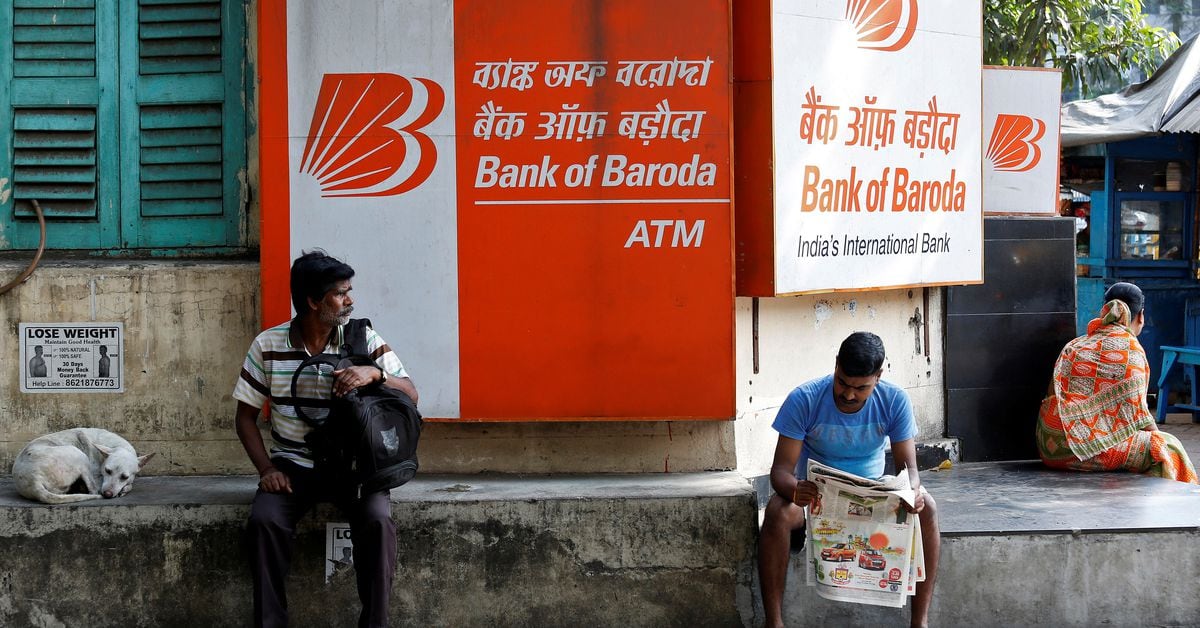
Bank of Baroda, one of India's largest banks, has terminated the employment of its chief digital officer after deficiencies were found in its mobile app by the Reserve Bank of India (RBI). The bank's CEO stated that action has been taken against several employees, but did not provide further details. However, the former chief digital officer, Akhil Handa, claimed that his exit was a personal decision and not a termination. The RBI had previously stated that Bank of Baroda needed to address certain deficiencies before onboarding new customers to its mobile app. Despite this setback, the bank reported a 28.4% increase in net profit for the July-September quarter.
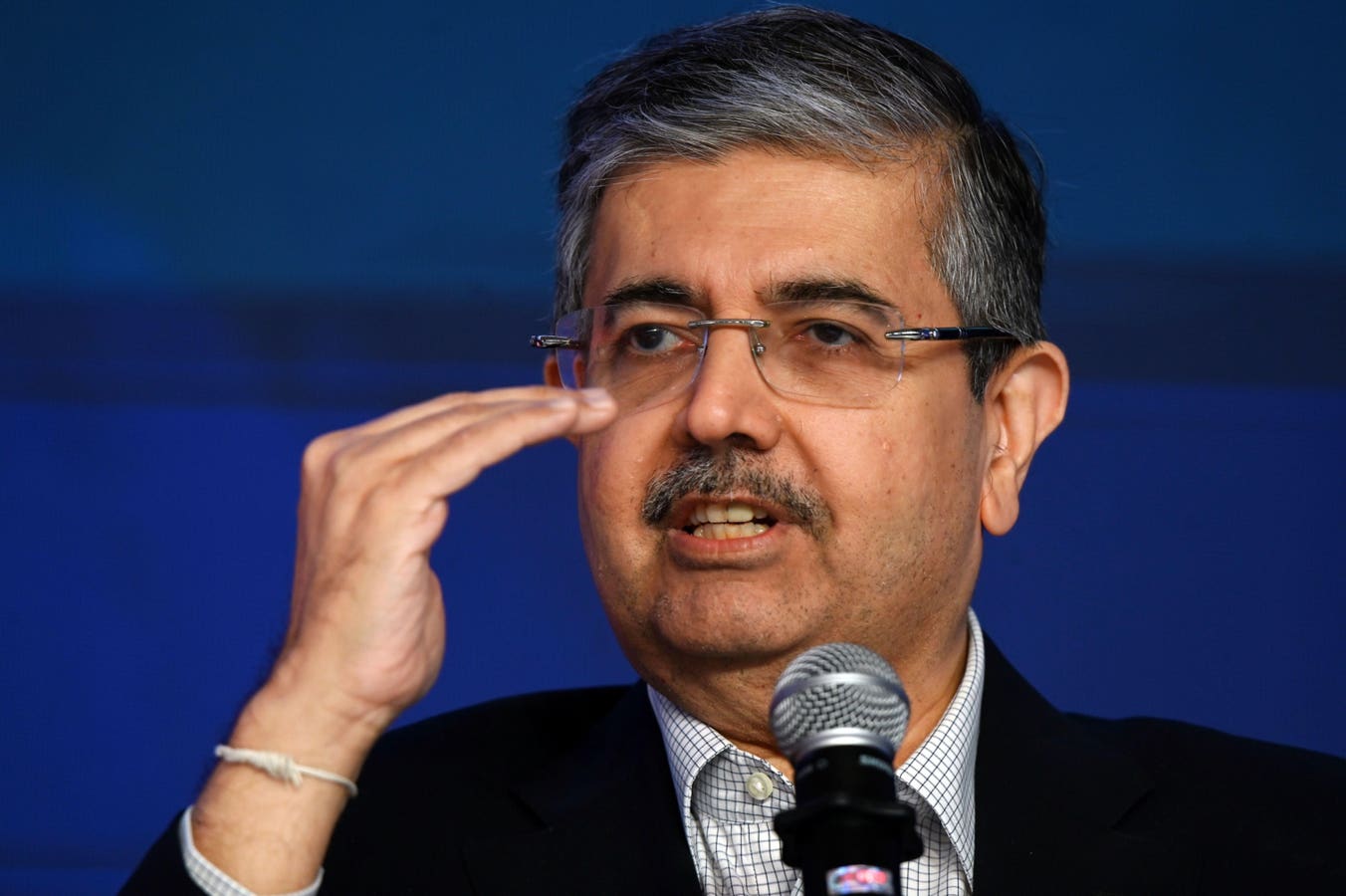
Kotak Mahindra Bank, one of India's largest lenders, has appointed Ashok Vaswani, a former Barclays Bank and ex-Citigroup executive, as its new managing director and CEO, replacing its billionaire founder Uday Kotak. The Reserve Bank of India approved the appointment, choosing Vaswani from the two candidates submitted by the bank. Kotak stepped down earlier than expected to ensure a smooth transition. Vaswani, currently the president of Pagaya Technologies, aims to play a significant role in India's journey to become one of the top three economies in the world. The appointment of an outsider as CEO surprised analysts, as there was a strong internal candidate.
Asia-Pacific stocks traded mixed as investors awaited the U.S. jobs report, which could impact the Federal Reserve's decision on interest rates. Hong Kong's Hang Seng Index rose over 2%, led by gains in financials and technology stocks. The Reserve Bank of India kept interest rates unchanged at 6.5% due to concerns about high inflation. Natural gas prices jumped after data showed higher exports and inventories above the five-year average. Gold touched its lowest level since March, and OPEC may intervene if oil prices continue to decline.
According to a Reuters poll, over a third of analysts expect the Indian rupee to reach a new low within a year, despite the Reserve Bank of India's efforts to cut volatility. The rupee recently fell to a 10-month low due to expectations of strong U.S. yields. The RBI's interventions have limited the depreciation, but the rupee is still expected to remain weak. Median forecasts show a modest gain in the rupee in the short term, but less than 1% gain in six months and around 1.5% gain in a year. Rising global food prices and the need to keep the currency strong are reasons for the RBI's intervention. Inflation in India is expected to remain above the RBI's target range, but the central bank has relied on market intervention rather than policy action.
The Indian rupee has dropped below 83 to the US dollar for the first time since October 2022, prompting the Reserve Bank of India (RBI) to intervene. The rupee's decline is attributed to the rise in US yields, and the RBI's intervention is aimed at stabilizing the currency. Other Asian currencies, including the Korean won, Malaysian ringgit, and Indonesian rupiah, have also weakened against the US dollar.
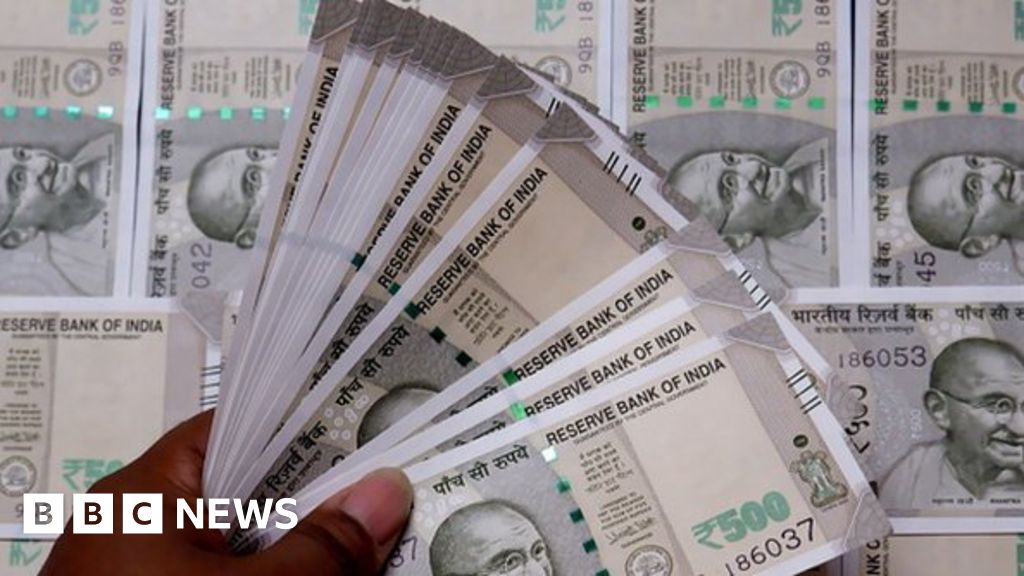
About 80% of the recently withdrawn 2000-rupee notes in India have been deposited into bank accounts rather than exchanged for smaller denominations, according to six public and private sector bankers. The trend is expected to boost bank deposits, with the State Bank of India receiving INR170bn ($2.06bn) in value terms in the first week since the exercise began on 23 May. Of this, 82% was deposited into accounts, while the rest was exchanged.
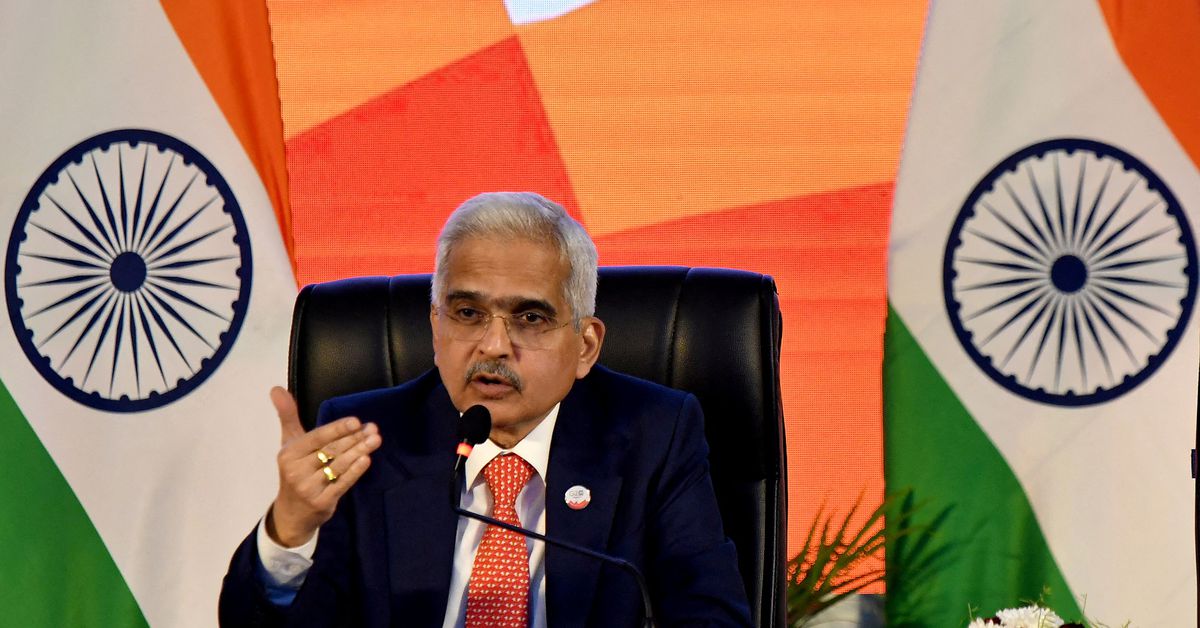
The Reserve Bank of India has identified instances of banks trying to conceal the real status of their stressed assets and governance gaps at certain lenders, according to its governor, Shaktikanta Das. Despite the guidelines on corporate governance, the RBI has come across gaps in governance at certain banks, which have the potential to cause some volatility in the sector. A robust governance structure is the most important requirement to ensure the stability of a bank and sustainable financial performance, Das added.
The Reserve Bank of India's decision to withdraw 2,000-rupee notes from circulation has led to a surge in demand for gold and real estate, as hoarders of the high-value notes seek to convert them into other assets. The notes must be deposited in bank accounts or exchanged for other denominations by September 30, with a deposit limit of Rs 20,000 per day starting on May 23. Cash-driven sectors such as agriculture and construction, and small businesses are likely to face hiccups in the near term, economists said.