Tag

Regulatory Power

All articles tagged with #regulatory power

"Supreme Court Justices Express Doubt Over Effort to Limit Abortion Pill Access"
law-and-politics1 year ago

"Supreme Court Justices Express Doubt Over Effort to Limit Abortion Pill Access"

The U.S. Supreme Court justices appeared skeptical of a medical group's challenge to FDA regulations on abortion pills, questioning the group's standing to bring the suit and expressing concerns about the broader implications for the FDA's regulatory power. The case raises issues beyond abortion rights, delving into the FDA's authority to approve drugs and ensure their safety.
"Chevron Doctrine: The Supreme Court's Game-Changing Decision on Fishing Boats and Government Power"
legalregulatory2 years ago

"Chevron Doctrine: The Supreme Court's Game-Changing Decision on Fishing Boats and Government Power"

The Supreme Court is considering overturning or limiting Chevron deference, a legal doctrine that allows federal agencies to interpret laws. This could significantly impact how federal agencies regulate various industries, potentially leading to uncertainty and chaos. The court's decision could shift regulatory power from federal agencies to federal courts, affecting issues such as climate change, net neutrality, and gun rights. The outcome is expected to be a pivotal moment in the balance of powers between Congress, the President, and the courts.

"Supreme Court's Potential Blow to Federal Agency Powers"
politicslaw2 years ago

"Supreme Court's Potential Blow to Federal Agency Powers"

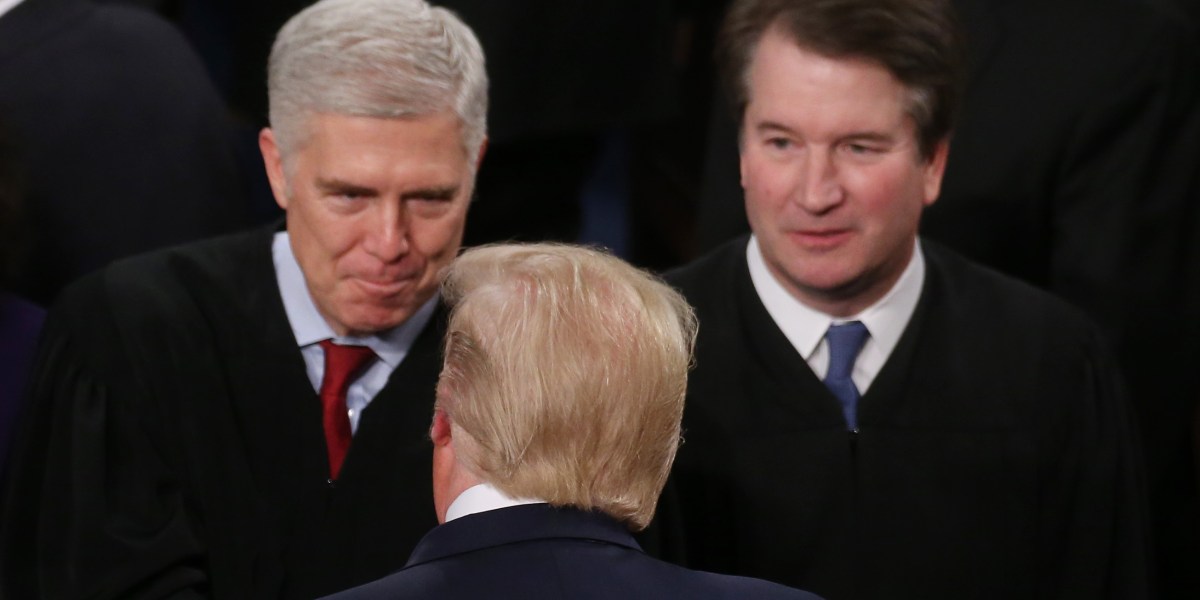
Two of Trump's Supreme Court appointees, Justices Neil Gorsuch and Brett Kavanaugh, are leading the charge to eliminate the Chevron doctrine, a 40-year-old legal principle that empowers federal agencies to interpret laws when they are unclear. The conservative majority on the Supreme Court appears set to overturn this precedent, potentially impacting regulations on public health, workplace safety, and consumer protections. The outcome of the case, which is expected by early summer, could significantly limit the power of federal agencies and lead to a flood of litigation challenging longstanding regulations.

"Supreme Court Poised to Limit Federal Agency Power in Landmark Decision"
law-and-politics2 years ago

"Supreme Court Poised to Limit Federal Agency Power in Landmark Decision"

The Supreme Court's conservative majority signaled a willingness to roll back the power of federal agencies by attacking the Chevron deference, a doctrine that gives agencies wide latitude to create policies and regulations based on ambiguous laws. Justices expressed concerns about the doctrine favoring the government over individuals and its impact on different classes of people, while liberals warned that overturning Chevron would force courts to make policy decisions better left to agency experts. The cases heard centered on whether the National Marine Fisheries Service had the authority to mandate fishing vessels to pay for onboard observers, with the justices focusing on the question of overturning Chevron.

"Supreme Court's Potential Shift: Weakening Federal Agency Power"
law-and-politics2 years ago

"Supreme Court's Potential Shift: Weakening Federal Agency Power"

Conservative justices on the Supreme Court are considering weakening the power of federal agencies by potentially eliminating the Chevron doctrine, which requires judges to defer to agencies' interpretations of ambiguous laws. This could give courts more authority to strike down regulations across various policy areas, reducing the executive branch's power and making it harder for presidents to defend their regulatory agendas. The court's ruling could have significant implications for healthcare, the environment, immigration, and more.

"Supreme Court's Impact on Federal Agencies and Regulation"
politicslaw2 years ago

"Supreme Court's Impact on Federal Agencies and Regulation"

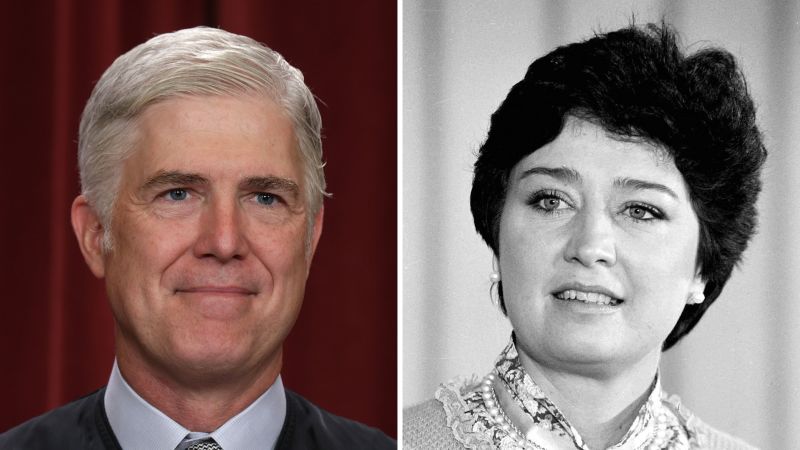
Supreme Court Justice Neil Gorsuch, son of former EPA chief Anne Gorsuch, has displayed a strong anti-regulatory stance, voting against regulations for the environment, student-debt forgiveness, and Covid-19 precautions. He has led calls to reverse the 1984 Chevron doctrine, which gives federal agencies considerable regulatory latitude. The upcoming Supreme Court cases will test the fate of this doctrine, which has been a touchstone for resolving conflicts over agency power. The outcome could significantly impact the balance of power between federal agencies and the courts.

"Supreme Court Case Threatens Regulatory Power"
legalregulatory2 years ago

"Supreme Court Case Threatens Regulatory Power"

The Supreme Court is set to hear cases involving Atlantic herring fishermen challenging a 40-year-old decision that supports regulatory power, potentially impacting government regulations on environment, workplace standards, consumer protections, and public health. Conservative groups seek to limit federal agencies' power, arguing that the decision gives too much authority to government experts. The court's conservative majority has shown skepticism towards federal agencies' powers, raising questions about the future of the decision. The fishermen argue against a 2020 regulation requiring them to pay for monitors, while environmental and health advocacy groups urge the court to maintain the decision. The outcome could have significant implications for regulatory authority and the balance of power between federal agencies and the judiciary.

Elon Musk's Twitter Probe: SEC Sues to Force Testimony
business2 years ago

Elon Musk's Twitter Probe: SEC Sues to Force Testimony

Elon Musk has called for a "comprehensive overhaul" of the SEC and DOJ, accusing them of abusing their regulatory powers for personal and political gain. This comes after the SEC sued Musk for allegedly failing to testify in its probe regarding his $44 billion Twitter purchase. Musk suggested that the SEC and DOJ should be the ones investigated, and he estimated the probability of a probe happening at 100%. The SEC claims that Musk refused to comply with a subpoena and made spurious objections. Musk has been critical of the SEC in the past and has been looking to integrate cryptocurrency payments on Twitter.

Supreme Court to Review Federal Power Limits in Key Case.
politics2 years ago

Supreme Court to Review Federal Power Limits in Key Case.

The Supreme Court will reconsider the 1984 Chevron v. Natural Resources Defense Council precedent, which directs courts to defer to an agency's legal approach when Congress has left the statutory language ambiguous. Some conservatives argue that this grants too much power to federal regulators, and several members of the current conservative majority have criticized the Chevron deference. They suggest that judges should be more assertive over regulatory agencies.

Supreme Court boosts efforts to limit federal agency power.
business2 years ago

Supreme Court boosts efforts to limit federal agency power.

The U.S. Supreme Court has made it easier to challenge the regulatory power of federal agencies in two important rulings backing Axon Enterprise Inc's bid to sue the Federal Trade Commission and a Texas accountant's gripe with the Securities and Exchange Commission. The court revived Axon's lawsuit contesting the constitutionality of the FTC's structure in a bid to counter an antitrust action related to the company's acquisition of a rival, overturning a lower court's decision to dismiss the case. The justices also unanimously upheld a lower court's decision allowing the accountant, Michelle Cochran, to sue the SEC, challenging the legality of its in-house judges, after the agency faulted her audits of publicly traded companies.

Supreme Court Boosts Efforts to Limit Federal Agency Power.
law2 years ago

Supreme Court Boosts Efforts to Limit Federal Agency Power.

The U.S. Supreme Court has issued two rulings that make it easier to challenge the regulatory power of federal agencies. The first ruling allows Axon Enterprise to sue the Federal Trade Commission over the constitutionality of its structure in a bid to counter an antitrust action related to the company's acquisition of a rival. The second ruling allows accountant Michelle Cochran to sue the Securities and Exchange Commission, challenging the legality of its in-house judges. The rulings make it easier for targets of agency enforcement actions to challenge agency structure or processes in federal district court.