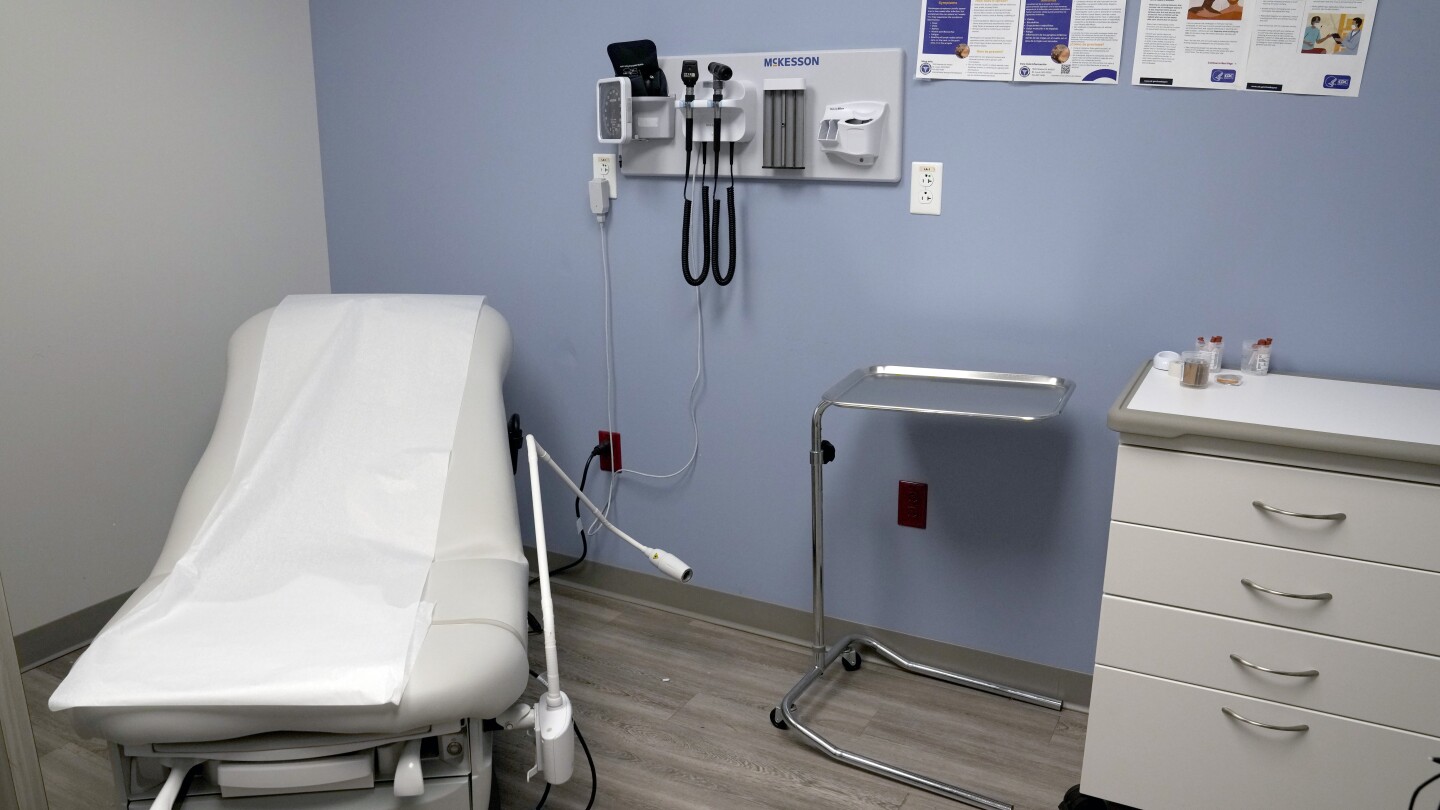
The finalized federal regulations for the Pregnant Workers Fairness Act include provisions for job accommodations related to abortions, sparking controversy among Republican lawmakers and anti-abortion activists. The law requires most employers with 15 or more employees to provide reasonable accommodations for pregnancy-related medical conditions, including abortions, unless it causes undue hardship. Labor advocates and major business groups support the law, while Republican lawmakers and anti-abortion activists denounce the inclusion of abortion. The EEOC's regulations will go into effect on June 18, providing guidance for employers and workers on implementing the law.
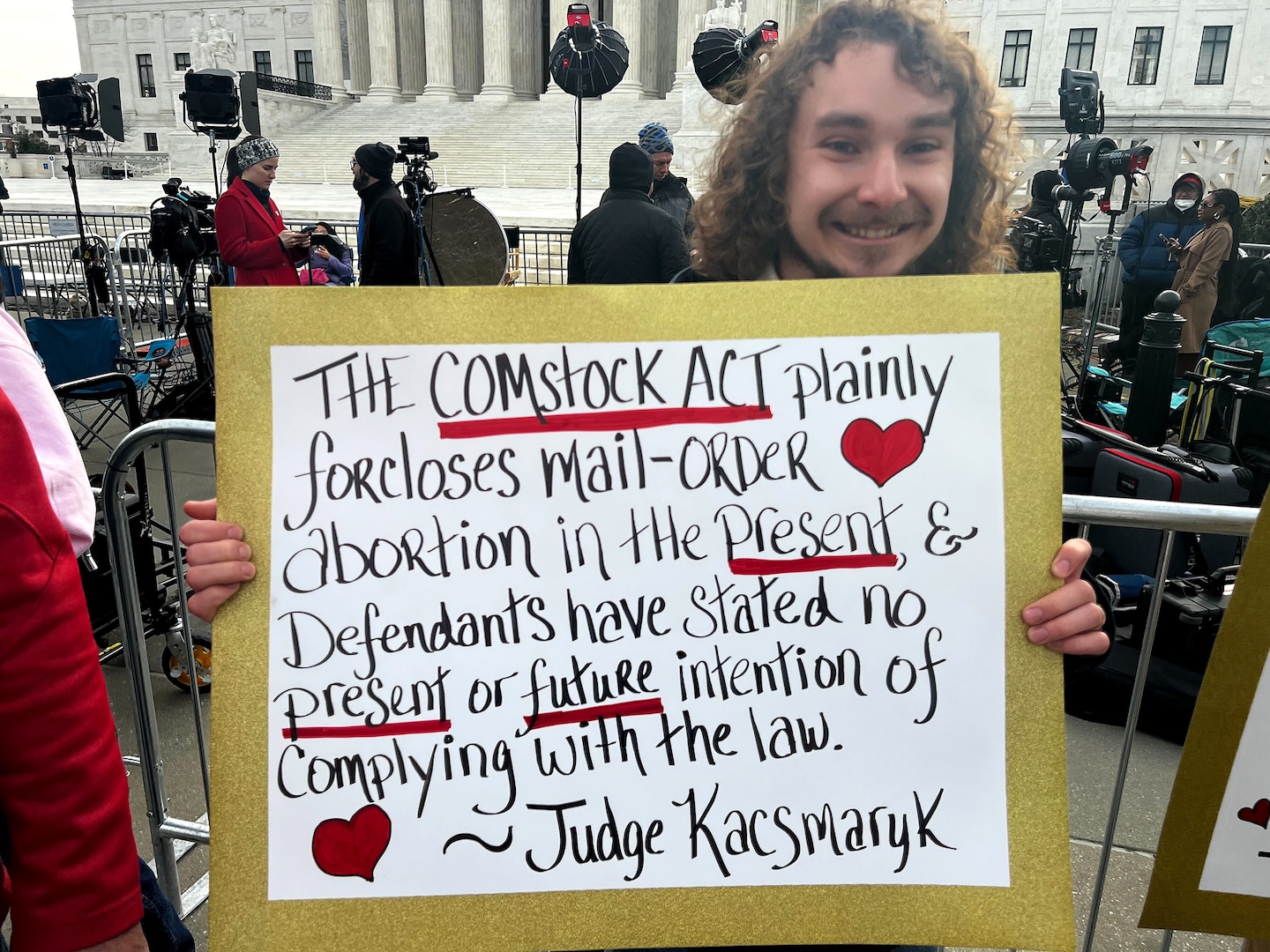
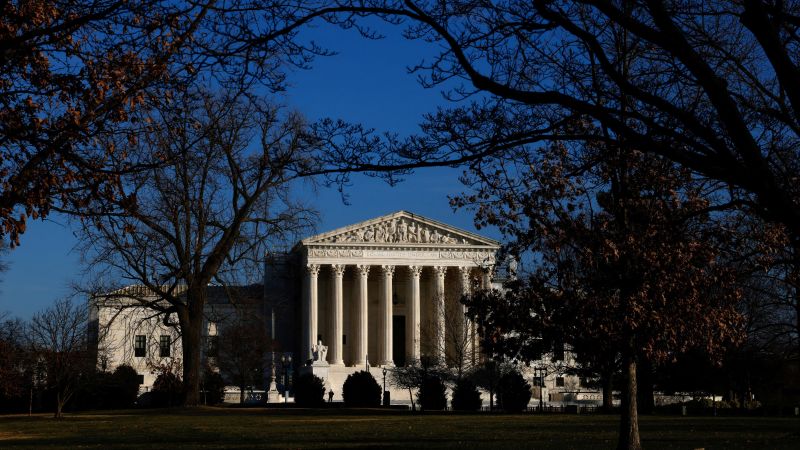
During oral arguments, Supreme Court justices Alito and Thomas repeatedly referenced the 1873 Comstock Act in relation to the abortion drug mifepristone, raising concerns about potential threats to abortion access. Legal experts anticipate the court will rule to preserve the FDA's authority, but fear the justices may write a separate opinion focused on the Comstock Act, providing legal cover for a future administration to invoke it. Antiabortion activists have sought to use the law to block mailing of abortion-related drugs, while the Biden administration staunchly opposes such efforts.
The Supreme Court is set to debate whether the Biden administration's efforts to persuade social media platforms to take down posts containing misinformation violate the First Amendment. The case, Murthy v. Missouri, could have significant implications for the 2024 election and the government's ability to communicate with social media companies. The dispute has drawn interest from various parties, including state and county election officials, media organizations, and civil rights advocates, who are concerned about potential limitations on fighting election disinformation and the free flow of information. The case highlights the ongoing struggle to address the impact of social media on issues such as vaccine hesitancy and election integrity.
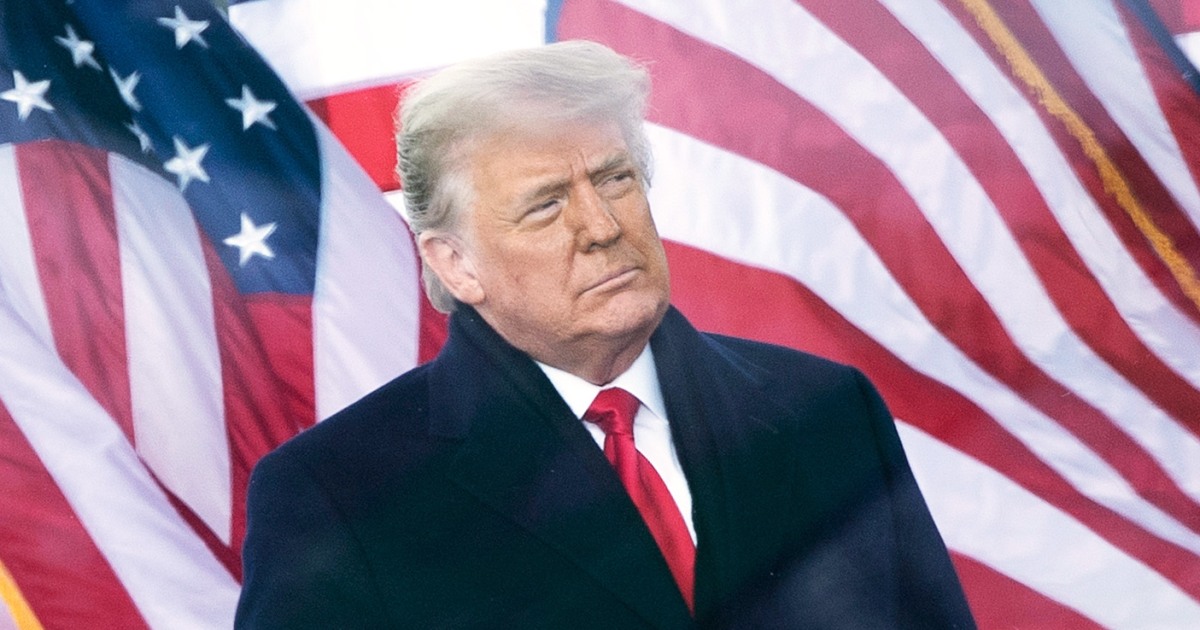
New York Attorney General Letitia James has vowed to seek a judge's approval to seize Donald Trump's assets, including some of his prized New York City properties, if he fails to pay the $355 million judgment against him. Trump, who is appealing the ruling, and others were ordered to pay a combined $364 million, including interest, and James is confident in the ruling's validity. The case alleged that Trump inflated his assets to secure better loan terms, and James emphasized that financial frauds are not victimless crimes, stating that the same consequences should apply to former presidents as they would to average citizens.
Donald Trump has decided not to appeal to the Supreme Court regarding his claim of broad immunity in civil lawsuits related to the Jan. 6 Capitol attack. The lawsuits, brought by Capitol Police officers and members of Congress, can now move forward. Trump's legal team argues that his actions on Jan. 6 fall under his presidential responsibilities, granting him immunity from civil liability. The court has ruled that Trump can still claim immunity later in the proceedings and develop his own facts on the immunity question. This decision is separate from the criminal case against Trump arising from the same event.
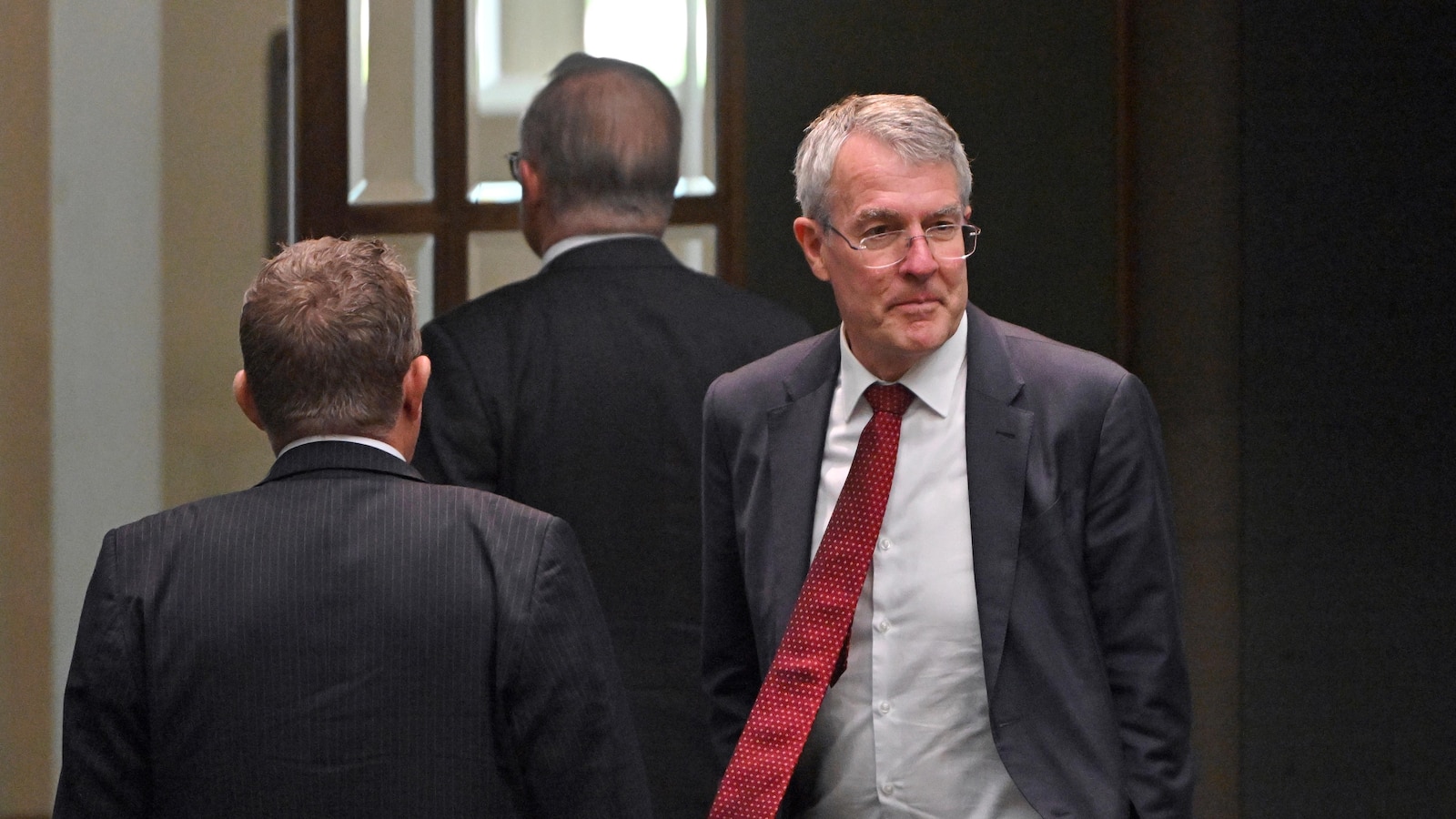
The Australian government plans to outlaw doxxing after pro-Palestinian activists published personal details of hundreds of Jewish people, sparking concerns about online safety and hate speech. The proposed laws would involve issuing take-down notices to social media platforms and imposing fines for the intimidation tactic. The move comes in response to reports of increased antisemitism in Australia since Israel’s war against Hamas began in October, and has been welcomed by the Executive Council of Australian Jewry. However, there are concerns about enforcement and the role of social media companies in preventing doxxing.
The Australian government plans to outlaw doxxing after pro-Palestinian activists published personal details of hundreds of Jewish people, proposing laws that involve issuing take-down notices to social media platforms and imposing fines for the intimidation tactic. The move comes in response to reports of increased antisemitism in Australia since Israel's conflict with Hamas. While the plan was welcomed by the Executive Council of Australian Jewry, some experts question how such a law could be effectively enforced, suggesting that social media companies bear the primary responsibility.
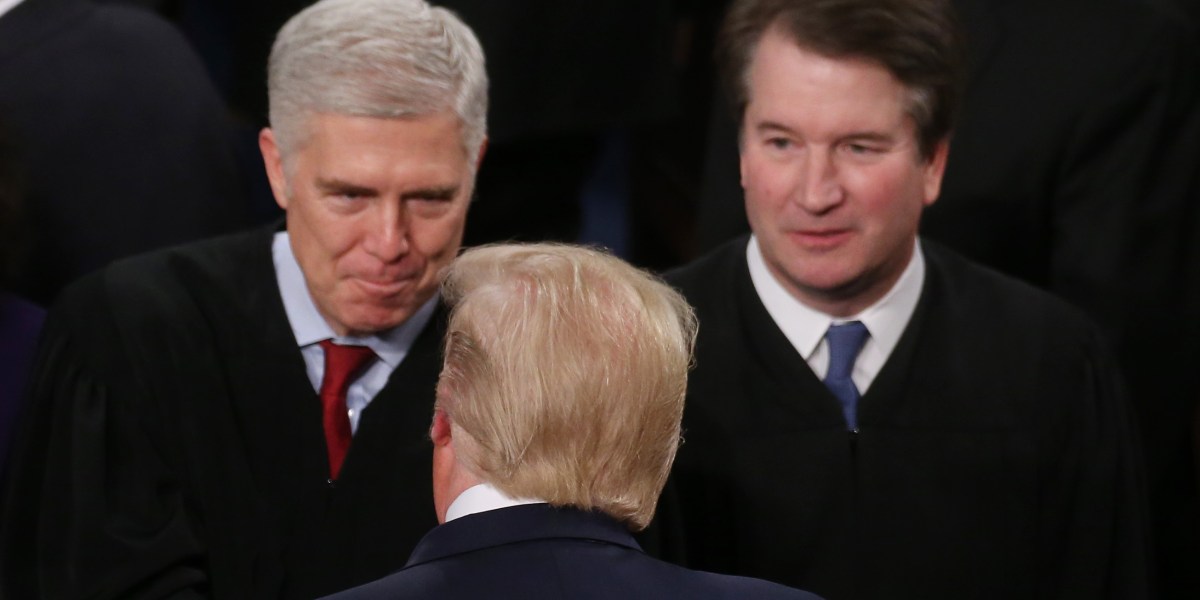
Two of Trump's Supreme Court appointees, Justices Neil Gorsuch and Brett Kavanaugh, are leading the charge to eliminate the Chevron doctrine, a 40-year-old legal principle that empowers federal agencies to interpret laws when they are unclear. The conservative majority on the Supreme Court appears set to overturn this precedent, potentially impacting regulations on public health, workplace safety, and consumer protections. The outcome of the case, which is expected by early summer, could significantly limit the power of federal agencies and lead to a flood of litigation challenging longstanding regulations.
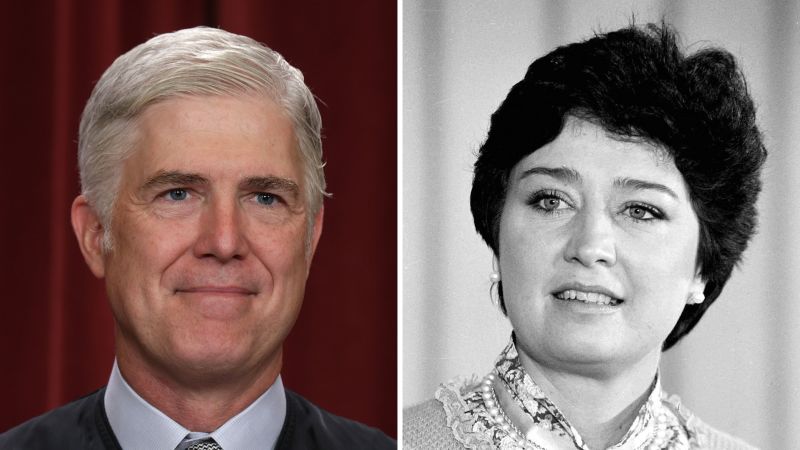
Supreme Court Justice Neil Gorsuch, son of former EPA chief Anne Gorsuch, has displayed a strong anti-regulatory stance, voting against regulations for the environment, student-debt forgiveness, and Covid-19 precautions. He has led calls to reverse the 1984 Chevron doctrine, which gives federal agencies considerable regulatory latitude. The upcoming Supreme Court cases will test the fate of this doctrine, which has been a touchstone for resolving conflicts over agency power. The outcome could significantly impact the balance of power between federal agencies and the courts.
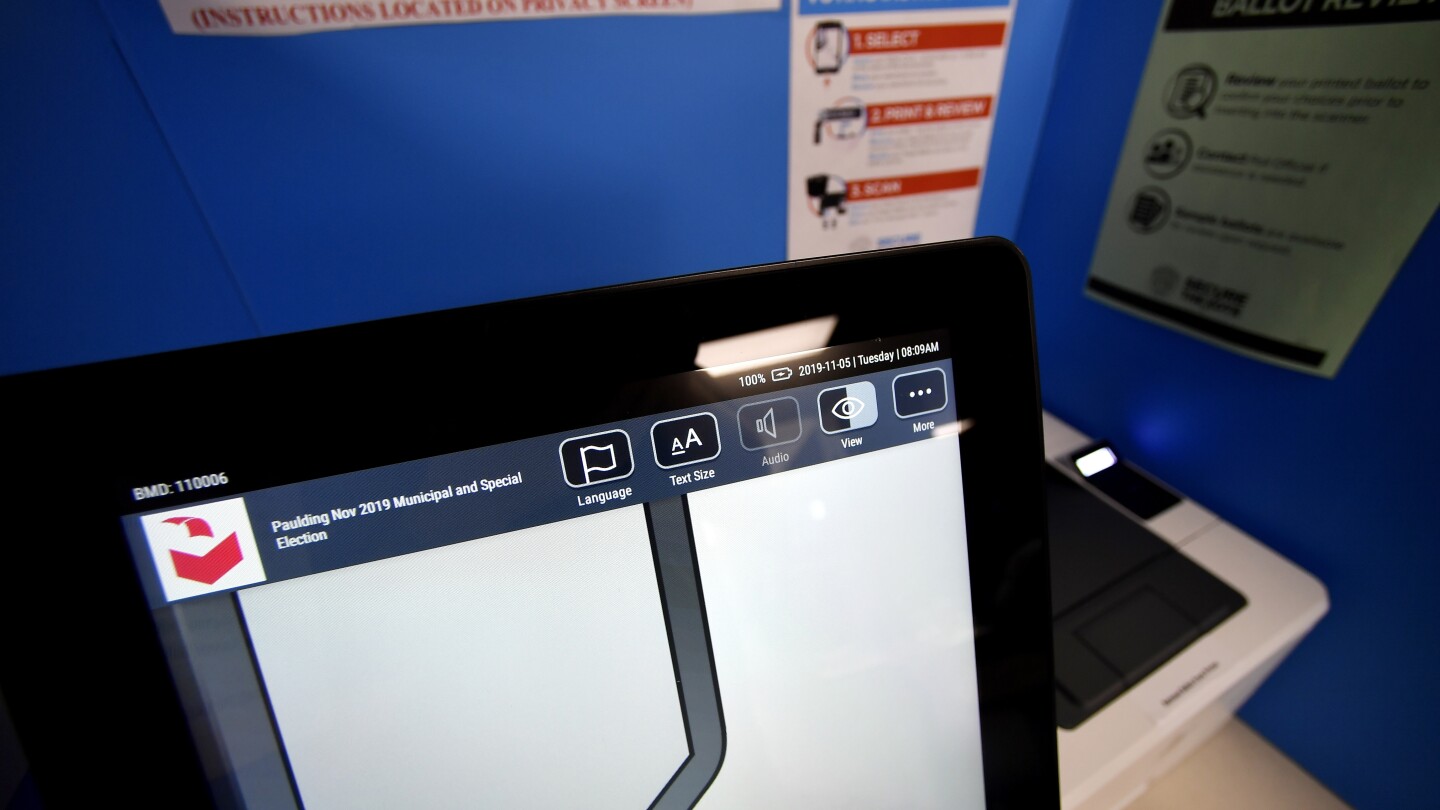
A federal trial in Georgia is set to determine the constitutionality of the state's election system, with activists arguing that the Dominion Voting Systems machines are flawed and violate voters' rights. The lawsuit, which began in 2017, claims the machines have security vulnerabilities and compromise ballot secrecy. Georgia officials defend the system's security and reliability. The case has gained attention amidst false claims about the 2020 election and a recent breach in Coffee County. The trial's outcome could impact the state's election procedures ahead of the 2024 elections, although any changes before the upcoming presidential primary are unlikely.
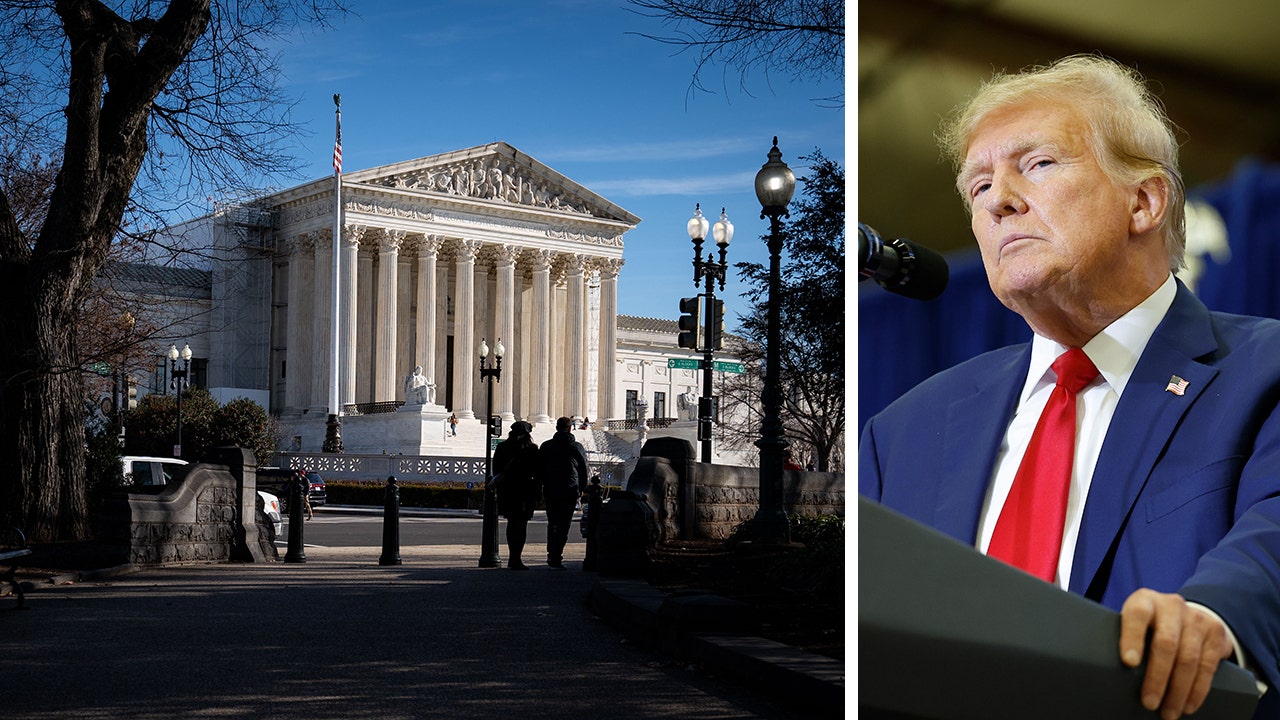
The U.S. Supreme Court is set to decide if former President Donald Trump can appear on the Colorado ballot for the 2024 presidential election after the state's highest court ruled he engaged in insurrection, barring him under the 14th Amendment. This decision could have a significant impact on Trump's candidacy and the broader democratic process, as it's the first major application of this constitutional provision since the Civil War. The outcome will influence not only Colorado but potentially other states considering similar actions, and the court aims to resolve the matter quickly to avoid prolonged uncertainty.
Twenty-seven states have filed an amicus brief with the U.S. Supreme Court in support of former President Donald Trump, urging the court to keep him on the Colorado GOP presidential ballot for 2024. They argue that the Colorado Supreme Court's decision to label Trump an "insurrectionist" under the Fourteenth Amendment, which could disqualify him from holding office, could lead to national electoral chaos. The states contend that the ruling is vague, denies due process, and could undermine voters' confidence in the electoral process. The Supreme Court has issued an administrative stay and will hear arguments on the case, emphasizing the urgency of resolving the matter before the primaries and caucuses.
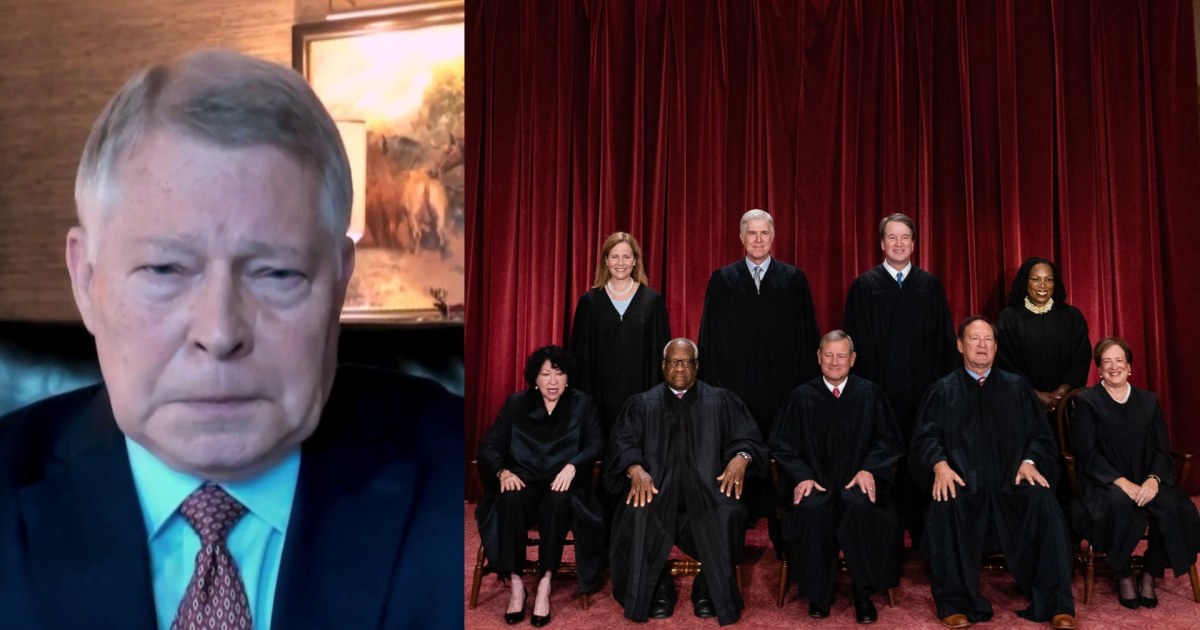
Judge J. Michael Luttig has made a prediction about the Supreme Court's impending decision on a case involving former President Donald Trump's eligibility to appear on the ballot, suggesting the outcome is clear. This comes amid various political figures expressing their views on the January 6 attack and the peaceful transfer of power, with Rep. Stacey Plaskett (D-V.I.) finding revisionist narratives of the attack infuriating, and state officials emphasizing the constitutional importance of a peaceful transition. The situation underscores the ongoing legal and political battles surrounding Trump and the broader implications for American democracy.
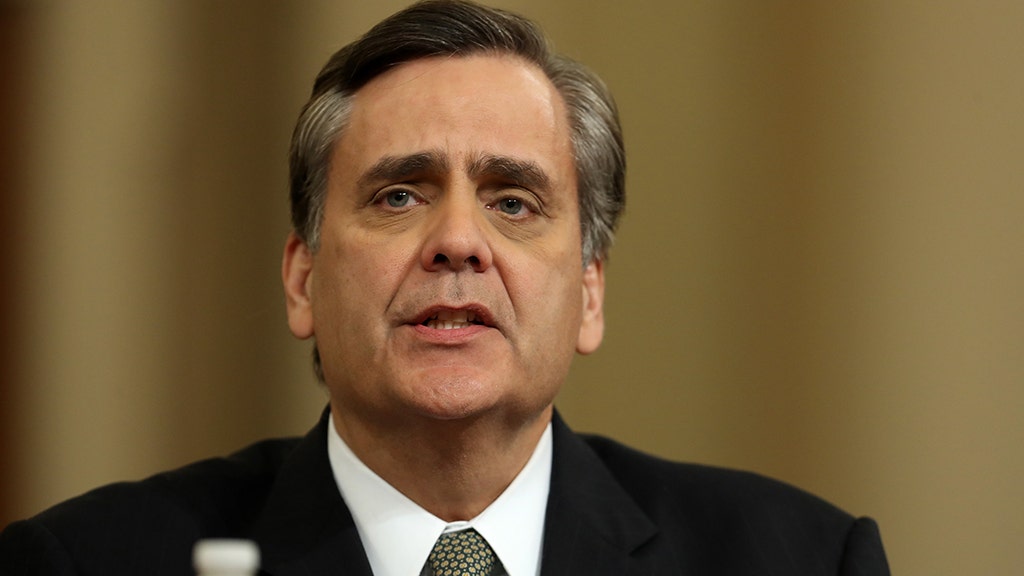
Constitutional scholar Jonathan Turley, speaking on "The Brian Kilmeade Show," argued that the January 6 Capitol riot was not an insurrection or rebellion, as former President Trump has not been charged with such, and the public generally views it as a protest that turned into a riot. Turley warned that efforts to disqualify Trump based on these events threaten democracy and could lead to a slippery slope of political retribution. Additionally, a federal judge dismissed most civil counts against Trump in a lawsuit related to the death of Capitol Police Officer Brian Sicknick during the January 6 events.
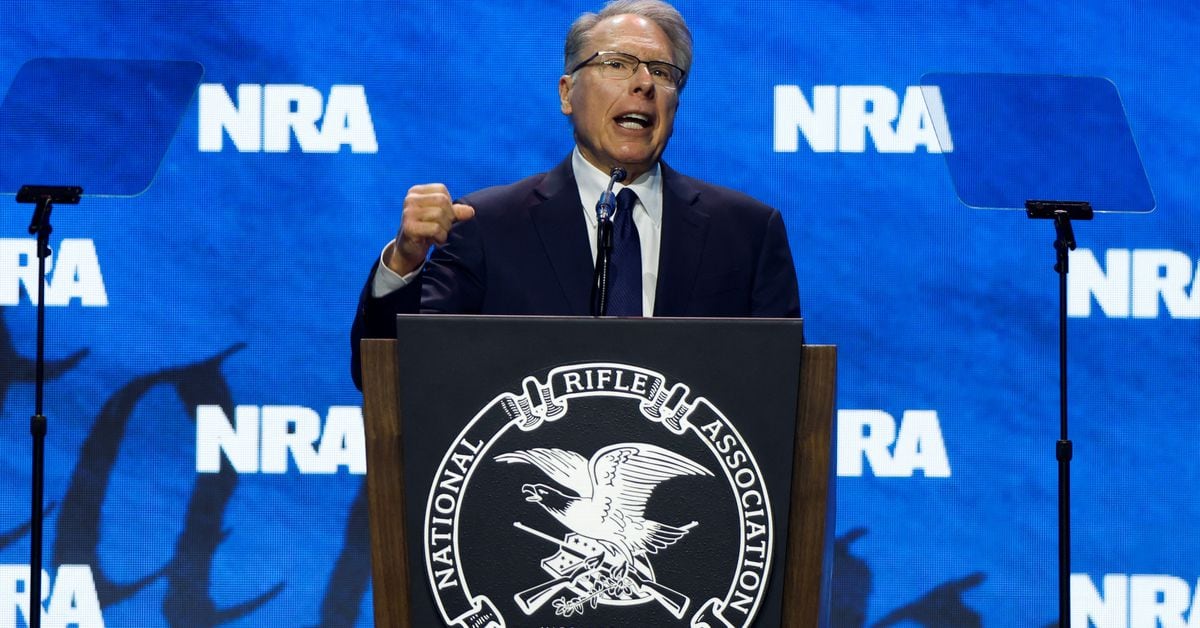
Wayne LaPierre has stepped down as the leader of the National Rifle Association (NRA) ahead of a corruption trial brought by New York Attorney General Letitia James. LaPierre, who has been the NRA's chief executive since 1991, has been accused of using the organization's funds for personal luxuries. His resignation comes as the NRA faces declining membership and revenue, and the trial is set to proceed without delay. The NRA cites health reasons for his departure, and Andrew Arulanandam will serve as interim CEO and executive vice president. Despite the controversies, LaPierre was re-elected last year due to his fundraising and legislative successes. The organization's future influence may hinge on the outcome of the upcoming trial.