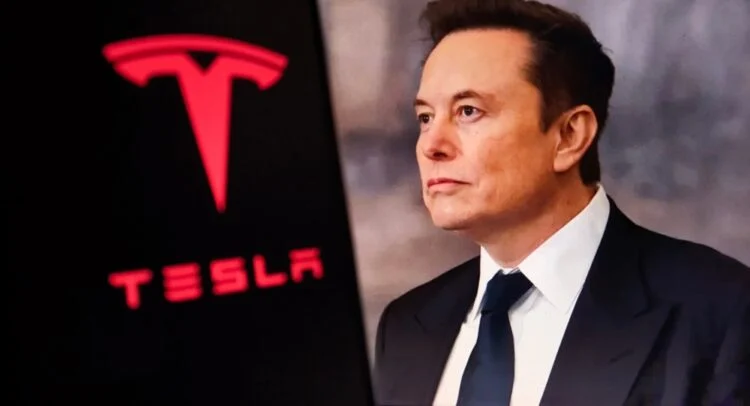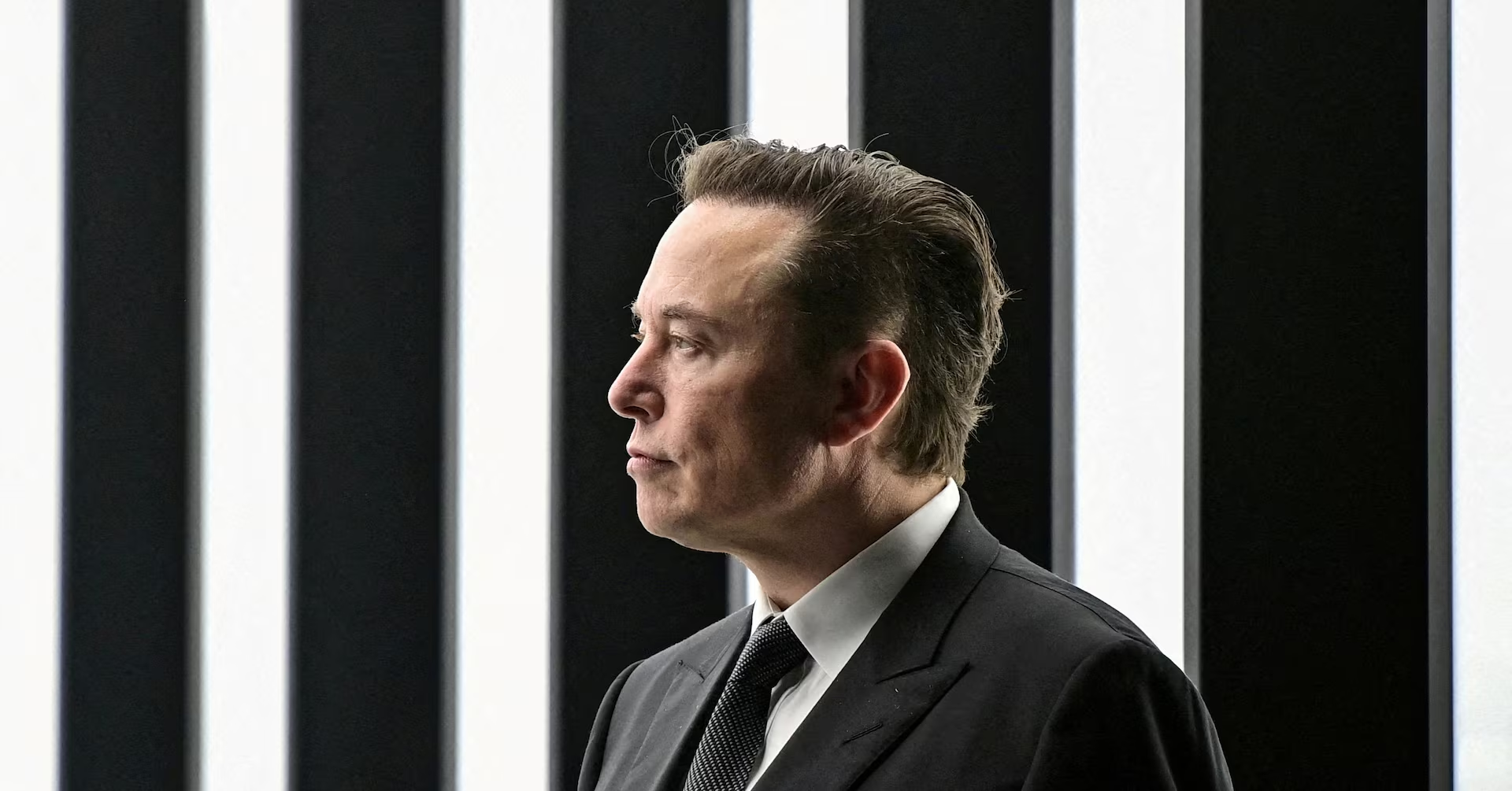
Elon Musk's Tesla plans for Robotaxi services have caused confusion among San Francisco regulators, highlighting regulatory challenges in deploying autonomous vehicles at scale.
Tesla's plans to deploy robotaxis in the San Francisco Bay Area have caused confusion and concern among regulators, as the company has not applied for the necessary permits and is using misleading terminology to promote its services, which are currently limited to small-scale, human-driven trips. Despite Musk's optimistic promises and Tesla's high valuation, the company has yet to launch fully autonomous robotaxis and faces regulatory and technical hurdles.
OpenAI is in discussions with California and Delaware regulators to transition from a nonprofit to a for-profit company, a move that could attract more investors but raises questions about its original mission. The company, valued at $157 billion, faces challenges in valuing its intellectual property and complying with California laws on nonprofit asset distribution. Elon Musk has criticized the shift, and OpenAI's nonprofit board chairman assures that the nonprofit will continue to exist in any new structure. The company has faced internal tensions over AI safety and commercialization.
OpenAI is in preliminary discussions with California regulators to transition from a non-profit to a for-profit company, focusing on the valuation of its intellectual property, including the ChatGPT app.
Morgan Stanley's wealth management arm is reportedly under investigation by multiple regulators including the SEC, OCC, and other Treasury Department offices, causing the bank's shares to fall. The probes are focused on the bank's due diligence on prospective clients, monitoring of financial activity, and international clients. This comes after the bank recently resolved an investigation into its block trading practices. Spokespeople for Morgan Stanley and the regulators did not immediately respond to requests for comment.
Microsoft's aggressive recruitment of AI talent from startups and universities is expected to test regulators and venture capitalists as the tech giant aims to bolster its position in the AI space. The move could potentially raise concerns about competition and innovation, prompting scrutiny from regulators and posing challenges for VCs in retaining talent within their portfolio companies.
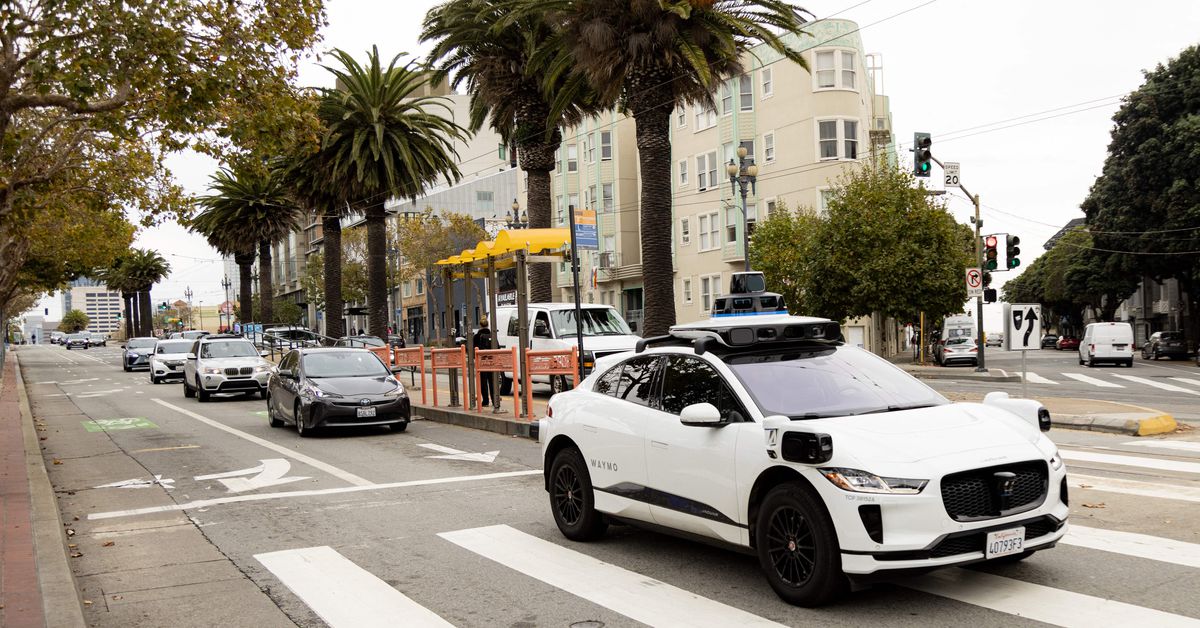
Waymo's plan to expand its robotaxi service in California has been put on hold by state regulators following incidents involving its driverless vehicles, including one where a Waymo vehicle struck a cyclist. The California Public Utilities Commission has suspended Waymo's application for expanded service for further review, giving regulators more time to assess the company's plans to grow in the state amid safety concerns raised by local jurisdictions. This suspension does not affect Waymo's current service area, but it delays the company's expansion plans as it faces scrutiny and opposition from various city agencies and community groups.
New York Community Bancorp's recent turmoil has raised concerns about regional banks' exposure to commercial real estate, prompting worries that they haven't set aside enough money to cover potential losses. Analysts anticipate that many other banks will need to increase provisions for future losses this year. Regulators are closely monitoring banks' commercial real estate exposure and may require them to bolster reserves. While the severity of the issue is seen as mostly specific to New York Community Bank, a "perfect storm" scenario could pose problems for the industry if inflation rises, leading to manageable commercial real estate pain for banks if certain economic conditions don't materialize.
New York Community Bancorp's recent turmoil has raised concerns about the banking industry's vulnerability to commercial real estate, prompting worries that banks may not have set aside enough money to cover potential losses. Analysts anticipate that many regional banks will need to increase provisions for future losses on commercial real estate, impacting their profits. Regulators are closely monitoring banks' commercial real estate exposure and may require them to stockpile more reserves. While the severity of the issue is seen as mostly specific to New York Community Bancorp, a "perfect storm" of factors could still pose problems for the industry, although manageable if certain economic conditions do not materialize.
Cruise, the driverless car subsidiary of General Motors, released a report stating that an adversarial approach taken by its top executives toward regulators led to the grounding of its autonomous cars nationwide. The report, compiled by a law firm, found that the executives had failed to fully explain a crash in San Francisco where a Cruise vehicle dragged a woman 20 feet, leading to a suspension of Cruise’s license to operate. The company is currently under investigation by the Justice Department, the Securities and Exchange Commission, state agencies, and the National Highway Traffic Safety Administration.
US regulators are working on a plan to mandate that banks access the Federal Reserve's discount window at least once a year to reduce stigma and ensure preparedness for financial crises, following last year's regional-bank turmoil that revealed some lenders were not operationally ready to borrow from the window in times of need.
Adobe abandoned its $20 billion deal to acquire Figma due to concerns raised by European regulators about potential future competition between the two companies. The European Commission and the Competition and Markets Authority expressed worries that the deal could harm competition and innovation in the global markets. Adobe's general counsel, Dana Rao, stated that while there was no current competition between the two companies, regulators emphasized the importance of considering future competition in antitrust analysis. After evaluating the situation, both Adobe and Figma decided to halt the deal, as continuing the fight was deemed not worth it.
Figma, a software company, called its employees back from companywide vacation to inform them that its $20 billion acquisition by Adobe was off due to regulators' concerns about a creativity software monopoly. The employees were given just three hours' notice to attend a town hall meeting where the decision was announced. Figma CEO Dylan Field stated that the breakup was a joint decision and that Adobe will have to pay a $1 billion fee. Despite the disappointment, Figma remains confident in its future and plans to use the breakup fee to accelerate impact. The failed deal has led to a 4% increase in Adobe's stock, while Figma's strong financial performance positions it for a potential IPO in the future.
UK and US regulators are investigating Microsoft's relationship with OpenAI, a leading artificial intelligence research lab. The examination aims to determine whether Microsoft's $1 billion investment in OpenAI last year raises any antitrust concerns or potential conflicts of interest. Both countries' regulators are closely scrutinizing the deal to ensure fair competition and protect consumers in the rapidly evolving AI industry.
Israeli regulators are investigating a report that suggests investors made millions of dollars by short-selling Israeli stocks just days before the Oct. 7 Hamas attack. Traders placed bets against the value of Israeli stocks, leading to a significant spike in short selling. Professors from NYU and Columbia Law School found that traders informed about the attack profited from the tragic events. Short selling far exceeded levels seen during previous crises, including the 2014 Israel-Gaza war and the COVID-19 pandemic. Israeli law enforcement officials have not yet commented on the matter.