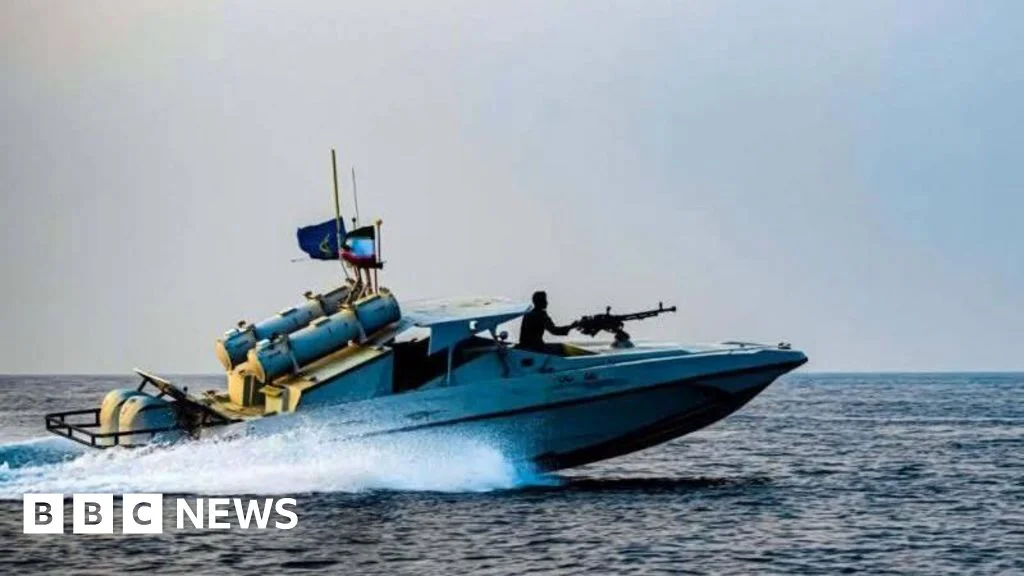
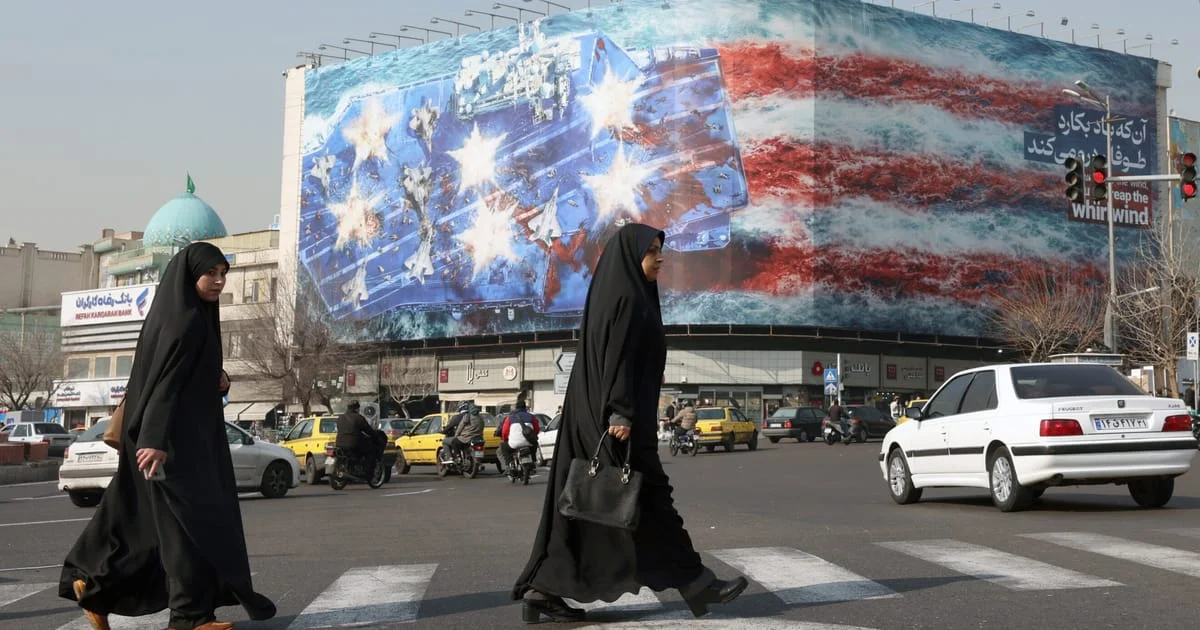
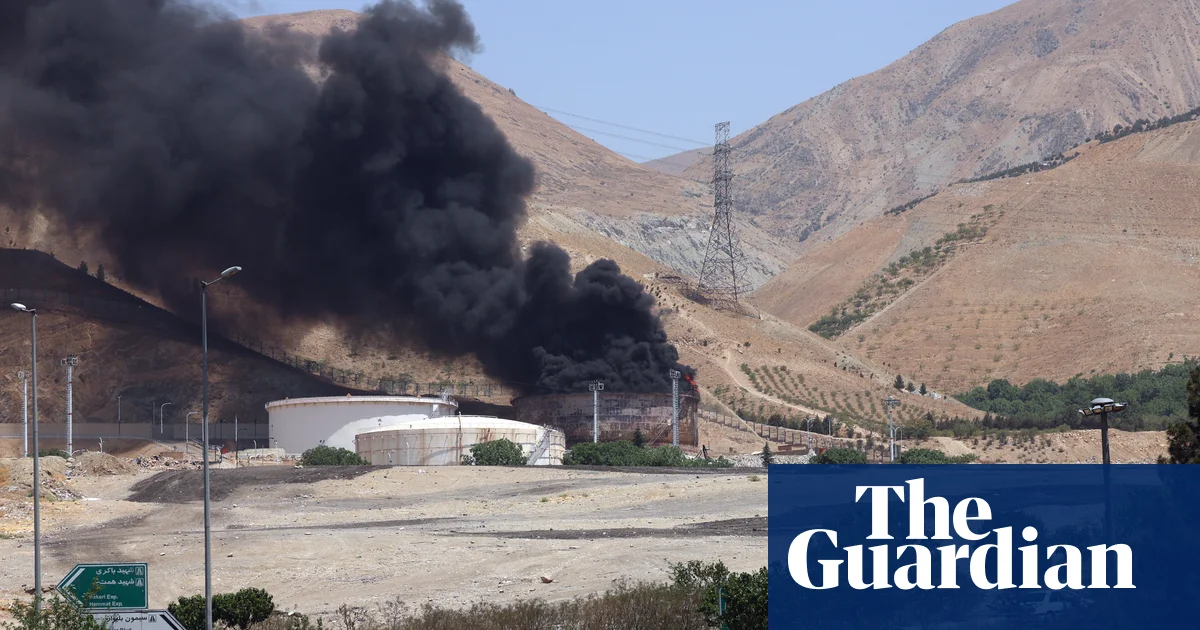
Iran's Supreme Leader Ayatollah Ali Khamenei warned that any U.S. attack would spark a regional war, as Washington pressures Tehran with a carrier presence near the Gulf and Tehran pursues its nuclear talks amid protests and recent blasts in Iran.
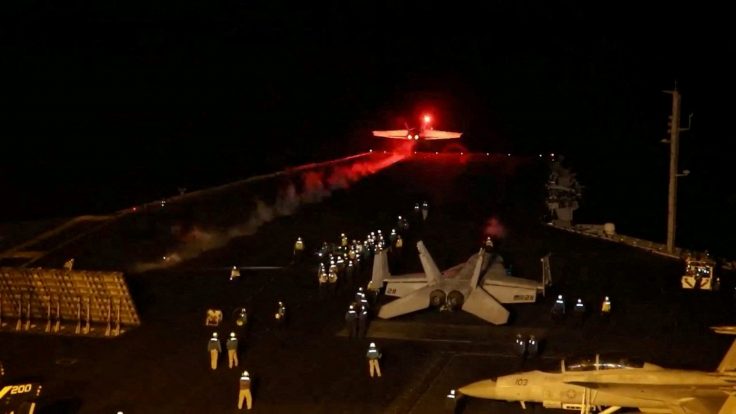
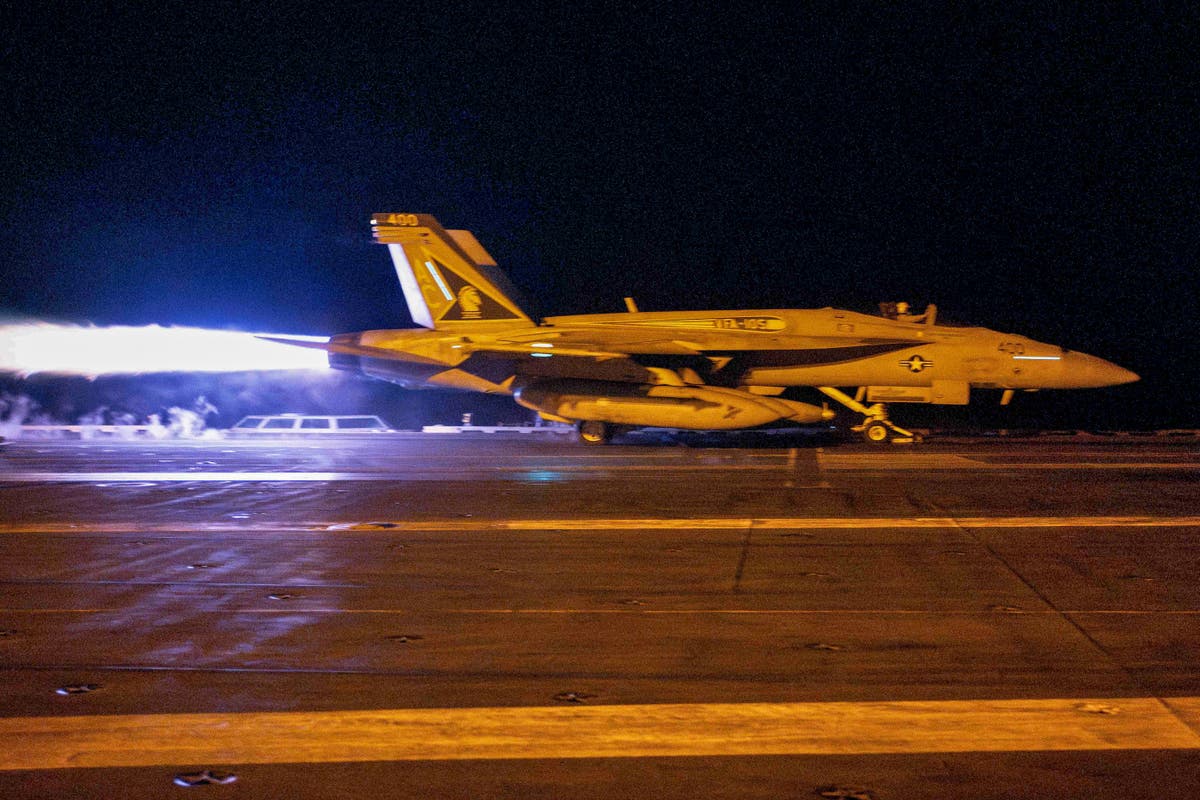
Iran's Supreme Leader Ayatollah Ali Khamenei warned that a U.S. strike would trigger a regional war across the Middle East, with Tehran vowing retaliation against Israel and American forces as President Trump deploys a large naval armada to pressure Tehran over its nuclear program.
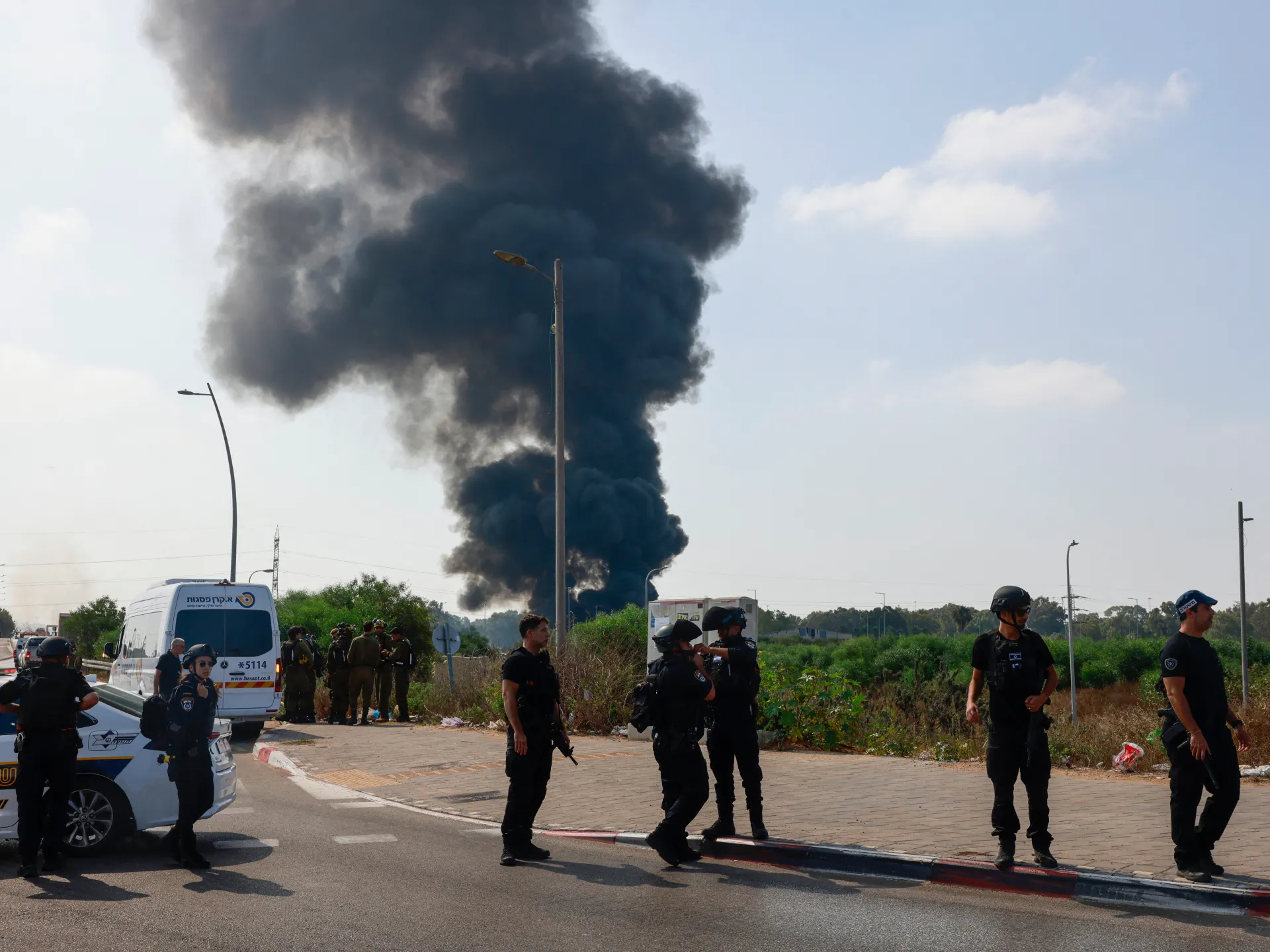
Israel and Iran exchanged missile strikes for the fifth consecutive day, escalating tensions with Israel conducting extensive strikes in Iran and Iran retaliating with missile attacks on Israel, amid international calls for de-escalation and US warnings for evacuation of Tehran. Israel also claimed to have assassinated a senior Iranian military official, heightening fears of a wider regional war.
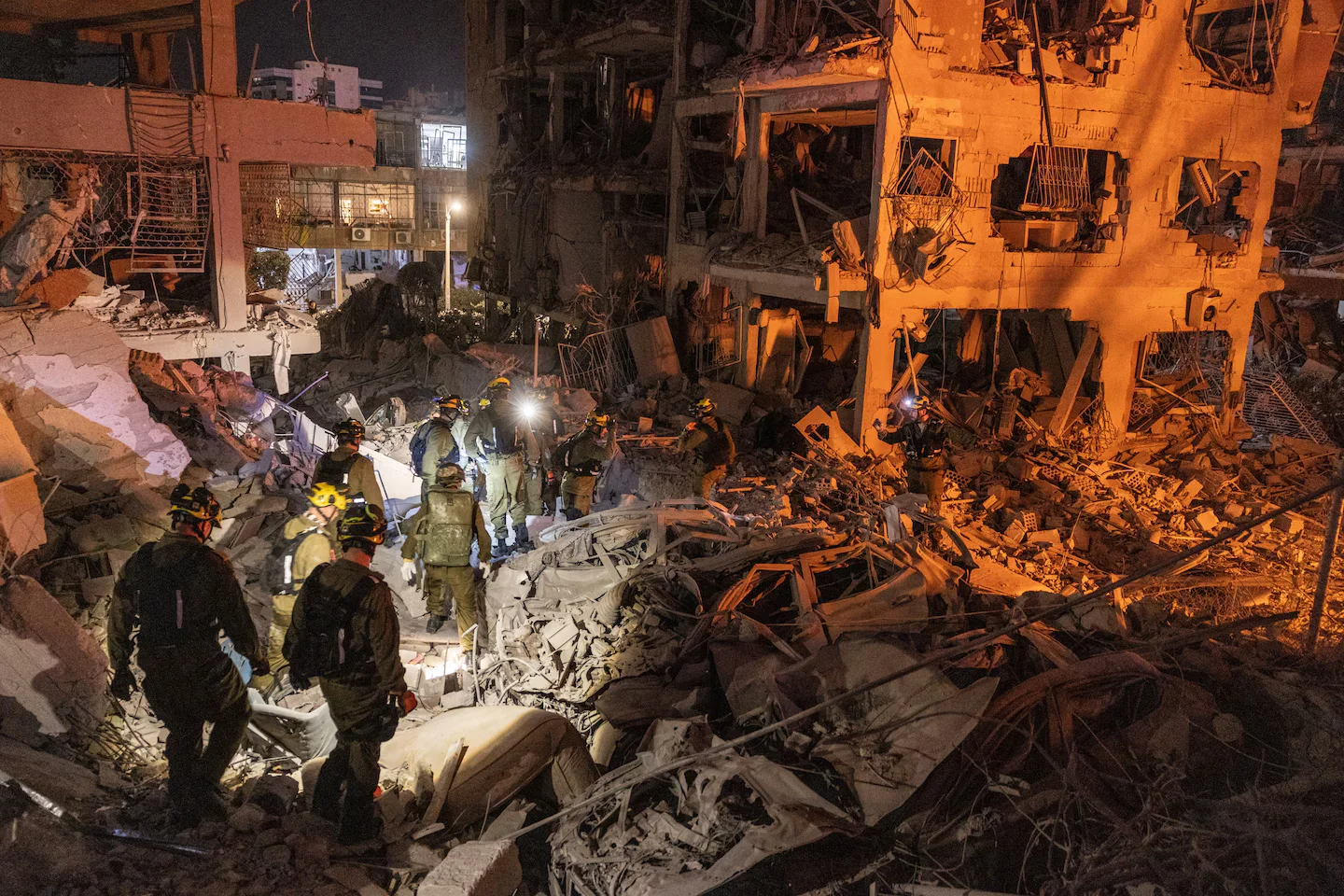
The Israel-Iran conflict has escalated with Israel launching strikes on Iranian nuclear sites, military targets, and energy facilities, while Iran has responded with missile attacks on Israeli cities, raising fears of a wider regional war, with significant casualties and damage reported on both sides.
Israel continues its military strikes on Iran, targeting multiple sites amid escalating tensions and fears of a wider regional conflict, with Iran retaliating and warning civilians to evacuate near military sites. The situation has led to closures of airspace, arrests in Iran, and international calls for de-escalation.
NBC's Richard Engel reports that Israel's recent attack against Iran appears to be limited in scope, as tensions between the two countries continue to escalate. Meanwhile, Jordan's Minister warns that if Israel retaliates, the region could face the abyss of a regional war. In other news, recent polling shows President Biden leading among younger voters, and a seated juror has been dismissed in the Trump hush money trial.
Cabinet ministers in Israel are considering retaliating against Iran following a missile and drone attack, leading to concerns about the potential for a reckless response and the risk of escalating tensions into a regional war. With mounting pressure in Netanyahu's coalition, his leadership may be the only thing preventing a dangerous outcome, as the situation raises fears of a hostage crisis reminiscent of the case of Ron Arad.
Israel is considering retaliating against Iran after an Iranian attack, but faces risks including potential isolation, fears of sparking a multi-front war, and the need for careful military calculation. Israel's military superiority and potential support from regional allies and the U.S. are factors in the decision-making process.
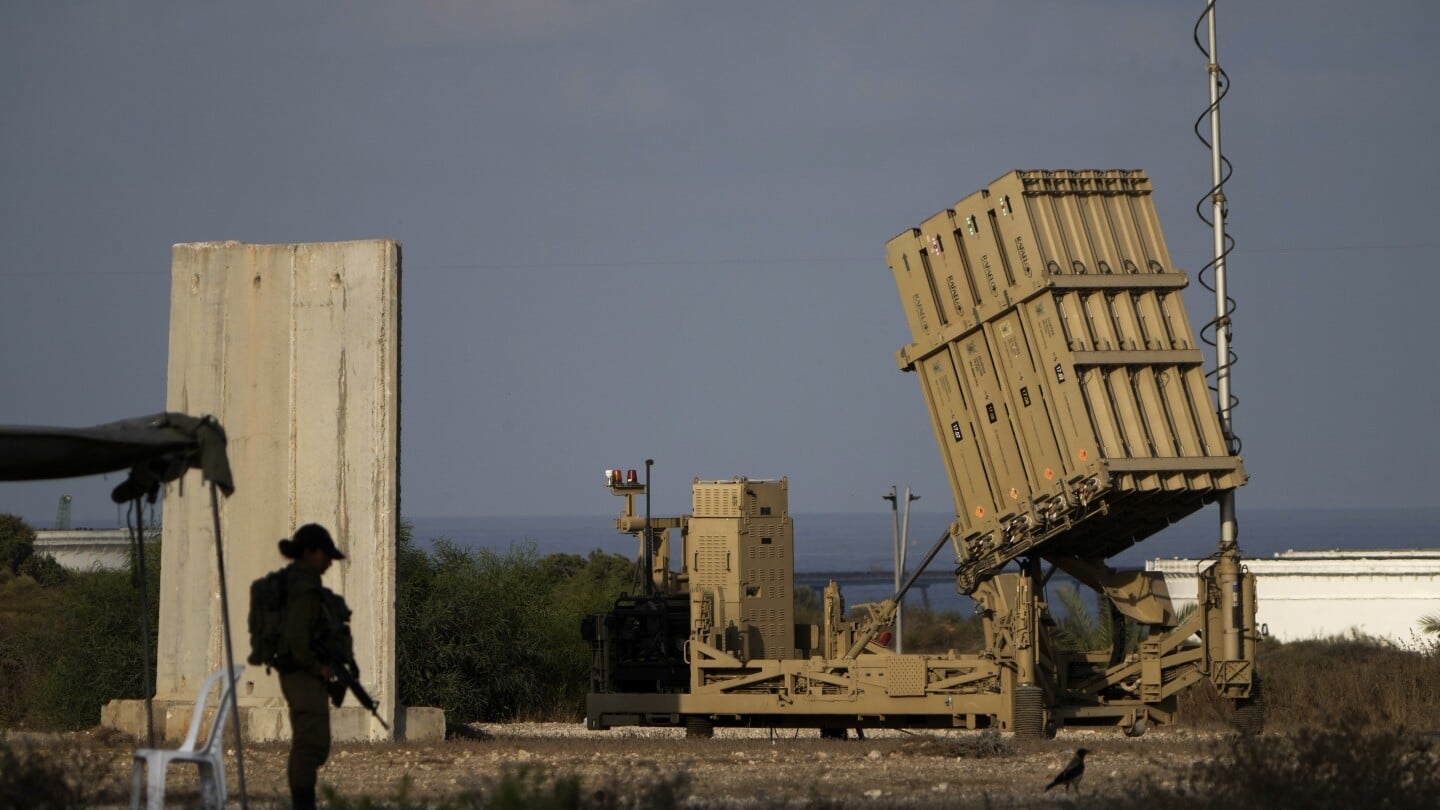
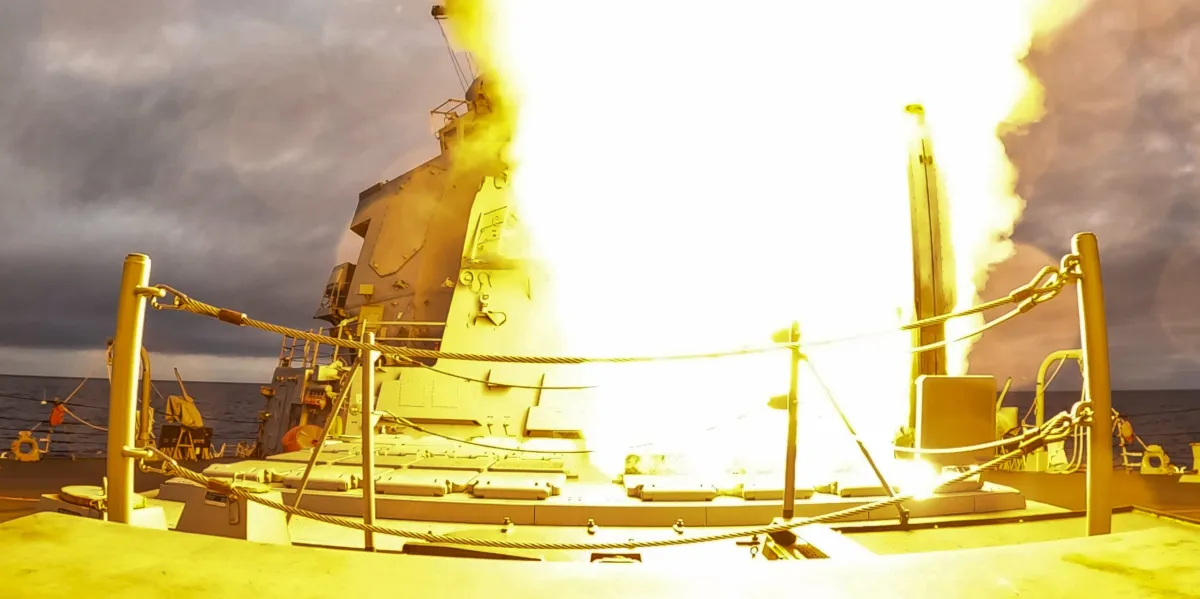
The conflict in the Middle East has expanded to involve at least 16 countries, with the U.S. denying its extent while quietly deploying a network of air defenses and military assets in the region. Despite Iranian attacks on Israel and its proxies in Iraq, Syria, and Yemen, the Biden administration continues to downplay the situation, insisting that there is no broader regional war. American ships, fighter jets, and missile defense systems have been actively involved in thwarting Iran-backed attacks, with over 100 interceptions of Iranian drones and missiles attributed to U.S. forces.
Tensions between Israel and Hezbollah have escalated with deadly strikes along the border, raising fears of a wider regional war. The recent attacks have led to an escalating war of words between officials on both sides, with Israel preparing for a potential war on its northern front. Despite the tough talk, analysts believe that neither side wants an all-out battle, but the situation remains concerning as it could lead to a wider scale war. The strikes also risk complicating efforts to secure a cease-fire between Israel and Hamas, with implications for the shared border with Lebanon.
Qatar's Prime Minister Mohammed bin Jassim Abdulrahman bin Al Thani visited Washington D.C. to broker a deal between Israel and Hamas, warning that the intolerable situation in Gaza poses a risk of regional war. Qatar, with its role as a mediator, is trying to negotiate a ceasefire and the release of hostages, but the timeline for a breakthrough remains uncertain. The U.S. is also considering its response to a drone strike in Jordan, further complicating the situation. Qatar's support for Hamas is aimed at promoting peace and supporting the Palestinian people, but it has faced criticism from some Israeli officials. The prime minister emphasized the need to focus on ending the war and containing the situation to prevent a wider regional conflict.
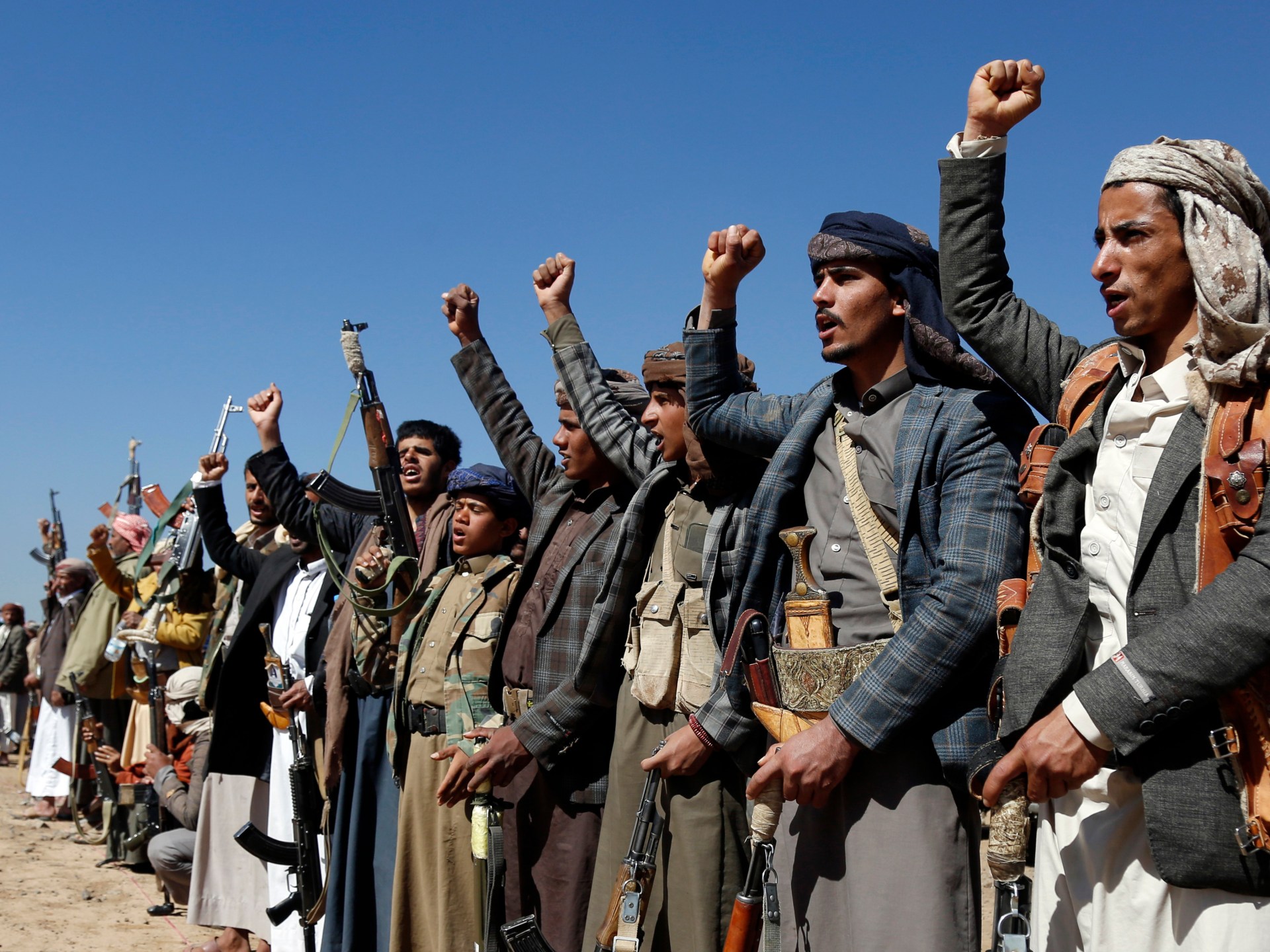
Despite the Biden administration's efforts to prevent a broader regional war, conflicts involving Iran and its proxies, such as the Houthi rebels, have escalated, leading to economic repercussions and military confrontations. The administration's responses in Iraq and Yemen have been limited, prompting calls for a more direct approach to address the ongoing conflict.
The US is currently involved in a regional war in the Middle East, conducting airstrikes in three countries and facing attacks on its forces. The conflict stems from its support for Israel's war against Hamas, igniting a broader proxy war between Israel and Iran-backed militant groups across the region. Despite downplaying the situation, the Biden administration's actions indicate deep involvement in the conflict, particularly with the recent airstrikes targeting Houthi rebels in Yemen.
The Houthi group's interceptions in the Red Sea, including attacks on a US-owned ship and a US navy destroyer, have raised concerns about the potential for a regional war, with experts warning of a confluence of confrontations amid the ongoing war in Gaza. The Houthi control of the Bab al-Mandeb Strait and their interceptions of ships have prompted US and UK retaliatory strikes in Yemen, but the group remains undeterred, potentially leading to further escalation and impacting regional security. The situation also poses challenges for efforts to solidify a ceasefire in Yemen's civil war, with potential devastating consequences for the population.
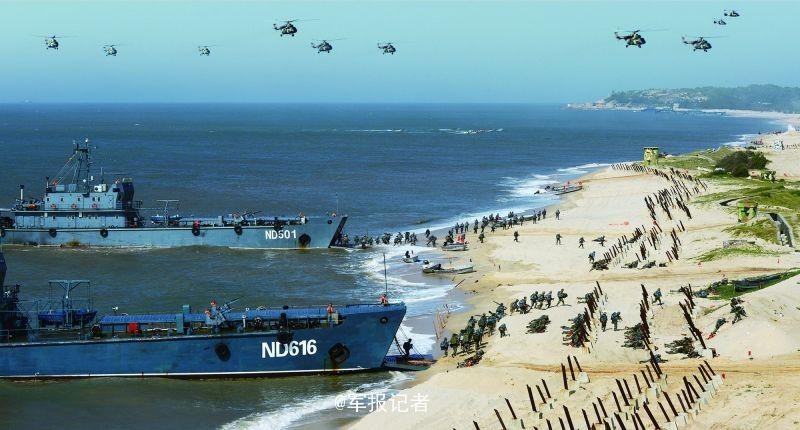
A Chinese invasion of Taiwan could cost the global economy US$10 trillion, equivalent to 10% of global GDP, with potential scenarios including a regional war drawing in the U.S. and a blockade severing Taiwan's trade with the world. The impact would lead to significant GDP declines for Taiwan, China, the U.S., and the world, surpassing losses from past crises such as the COVID-19 pandemic and the global financial crisis. If Taiwan were to face a blockade, the resulting global GDP losses would fall between the levels observed during the global financial crisis and the Gulf War.