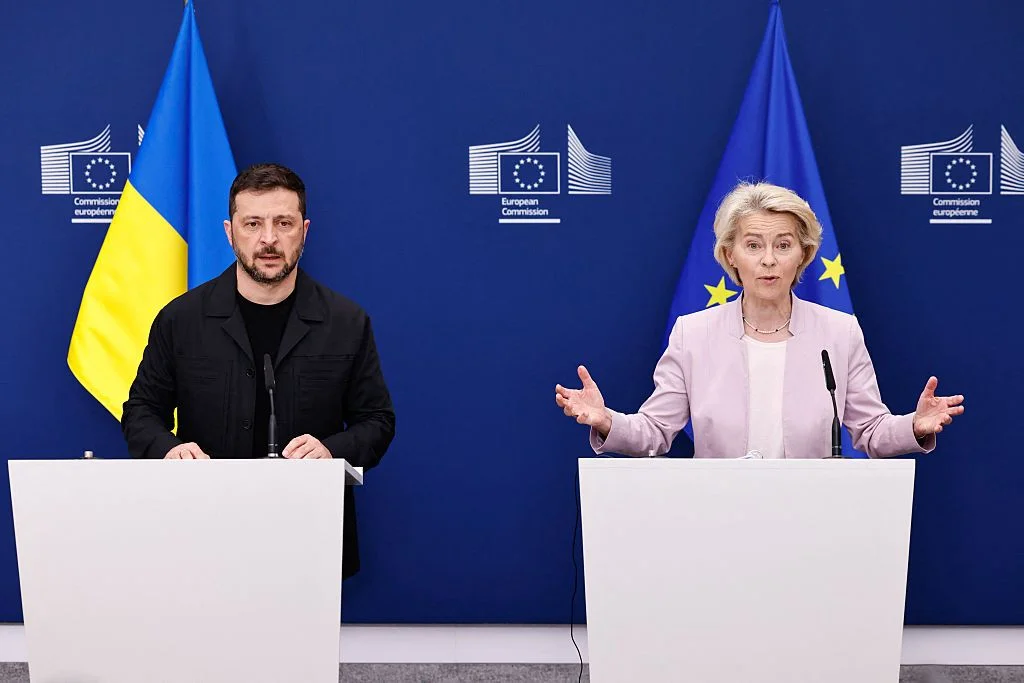
Ukrainian President Zelensky insists Ukraine must be treated as a full EU member and not a second-tier state, emphasizing the country's commitment to reforms and support for its EU bid despite ongoing war. The EU recognizes Ukraine's progress but urges further anti-corruption efforts, with Zelensky aiming for Ukraine to join the EU before 2030. Zelensky also dismisses concessions to Hungary and highlights support from U.S. President Trump.
The European Commission praises Ukraine's commitment to EU membership despite challenges like corruption and political resistance, particularly from Hungary, and emphasizes the need for accelerated reforms to meet accession goals by 2028 or 2030, while warning of setbacks in anti-corruption efforts and judicial independence.
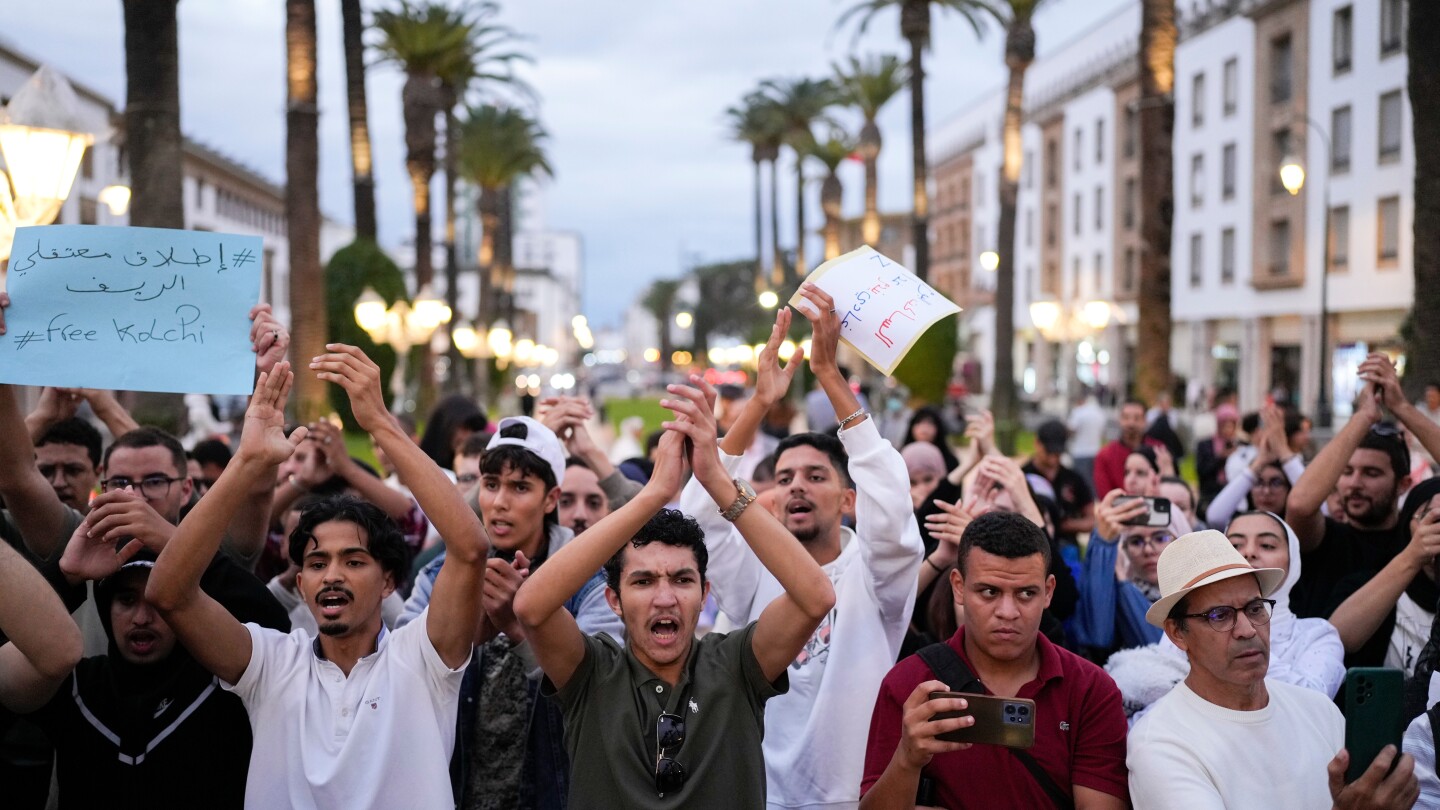
Morocco's King Mohammed VI addressed social injustices amid ongoing protests by Gen Z activists demanding reforms, emphasizing governance and development projects but not directly responding to specific protest demands, highlighting regional inequalities, youth unemployment, and public service issues.
President Trump signed a memorandum to increase transparency and accountability in higher education admissions, combat discrimination, and hold elite universities accountable for merit-based practices, including measures to prevent illegal race-based preferences and ensure fair recruitment and training of students.
Mass protests erupted in Ukraine after the government passed legislation seen as undermining anti-corruption agencies and reversing reforms, raising concerns among officials, allies, and EU accession prospects.
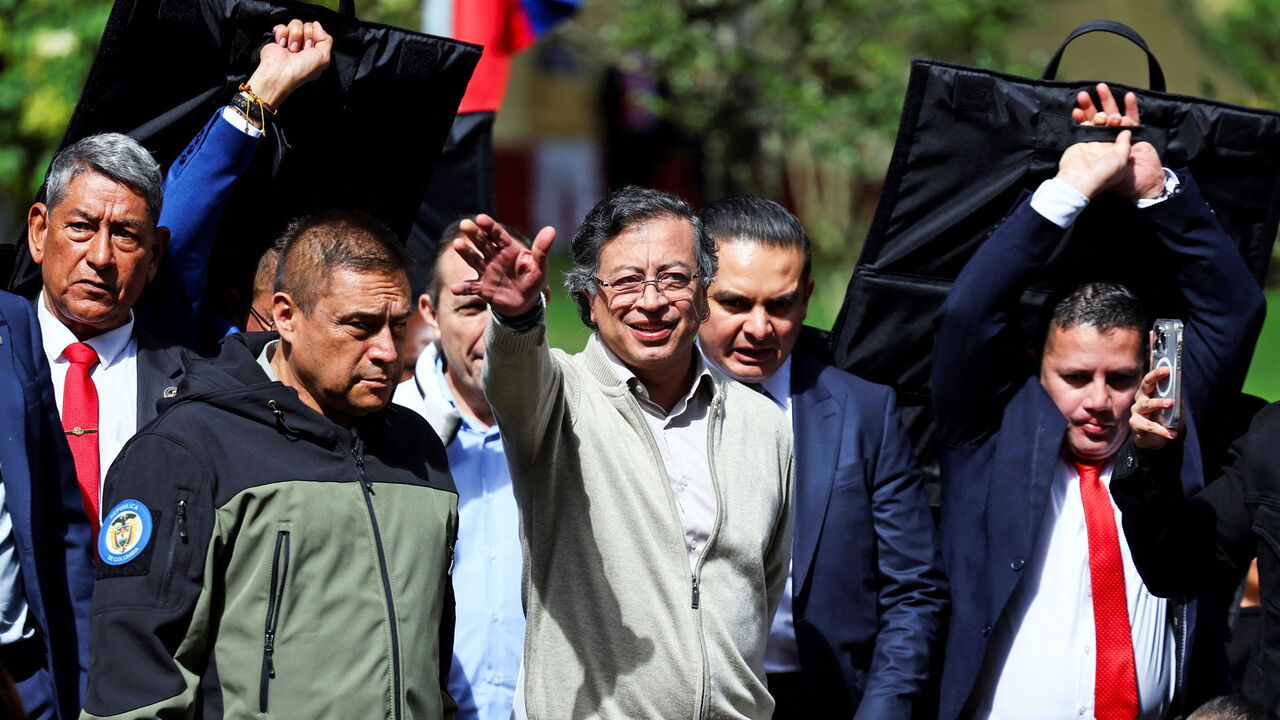
Colombia's President Gustavo Petro, facing legislative and judicial obstacles to his reform agenda, is considering constitutional changes to fulfill his promises of reducing inequality and establishing peace, amid frustrations with his governing style and opposition.
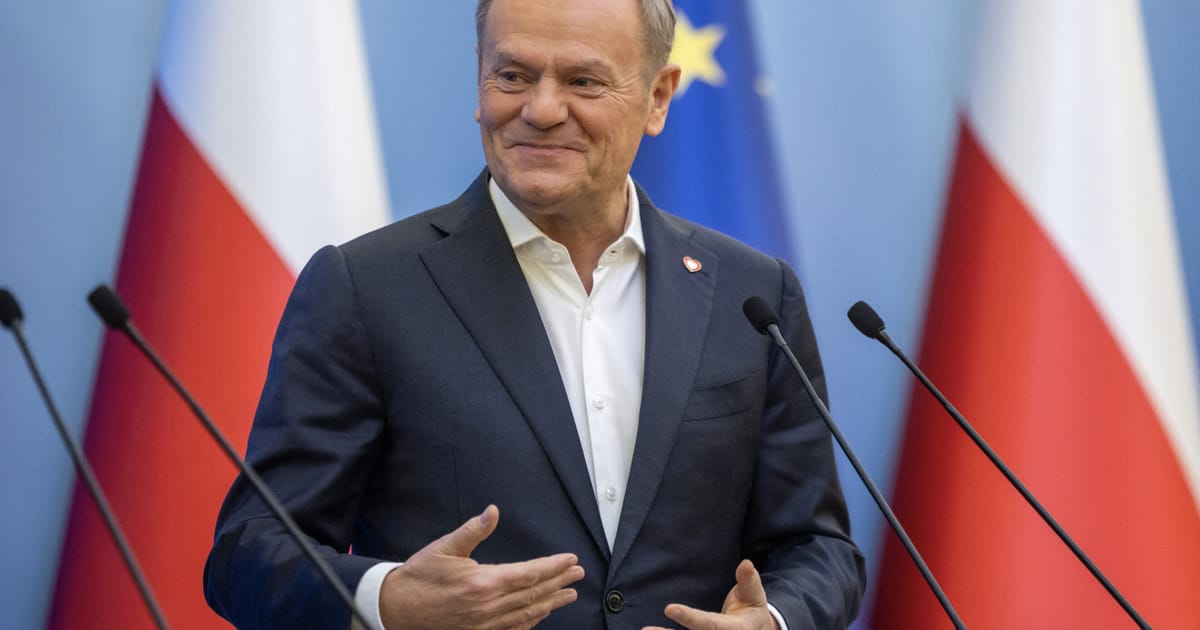
Polish Prime Minister Donald Tusk survived a confidence vote amid challenges from a nationalist president and coalition partners, facing difficulties in implementing reforms in a politically tense environment.
The Southern Baptist Convention overwhelmingly endorsed a ban on gay marriage, calling for the reversal of legal precedents like Obergefell v. Hodges, and emphasized conservative policies on family and morality. The convention also addressed ongoing issues of sexual abuse within the church, with advocates criticizing the denomination's insufficient reforms and mourning the death of abuse survivor Jennifer Lyell. Despite internal conflicts and calls for reform, the convention maintains a conservative stance on social issues and church policies.
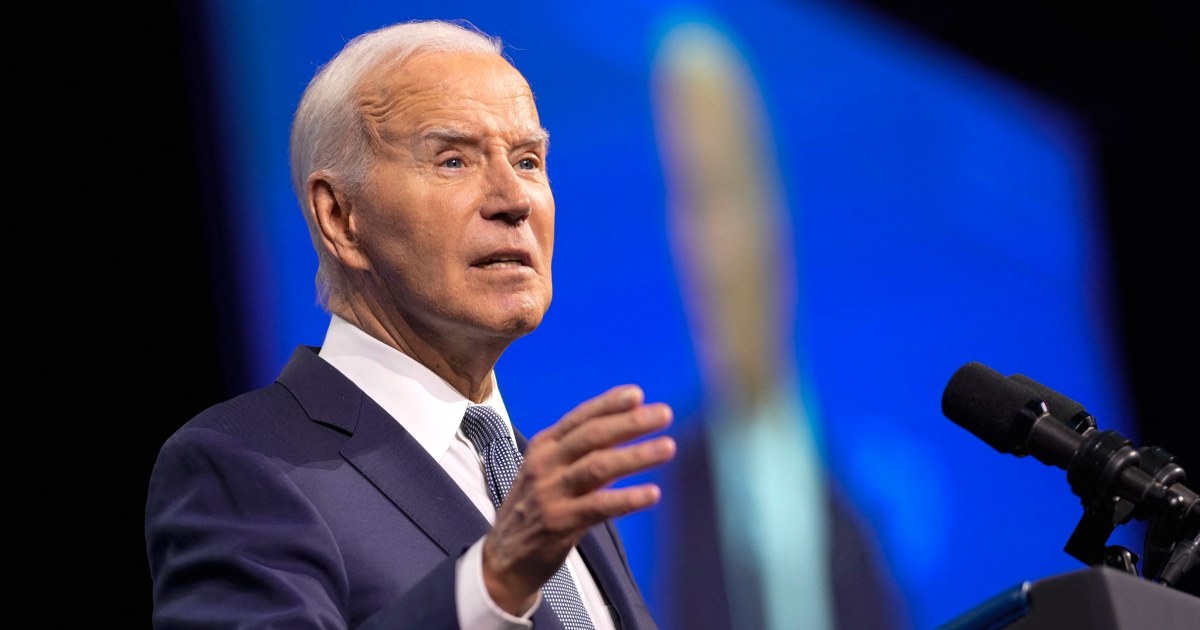
President Joe Biden is considering significant reforms to the Supreme Court, including term limits for justices and a binding code of ethics. He has discussed these plans with Democratic lawmakers and consulted constitutional scholars. While legislative changes are unlikely with a Republican-controlled House, the proposals could serve as a campaign message for Biden.
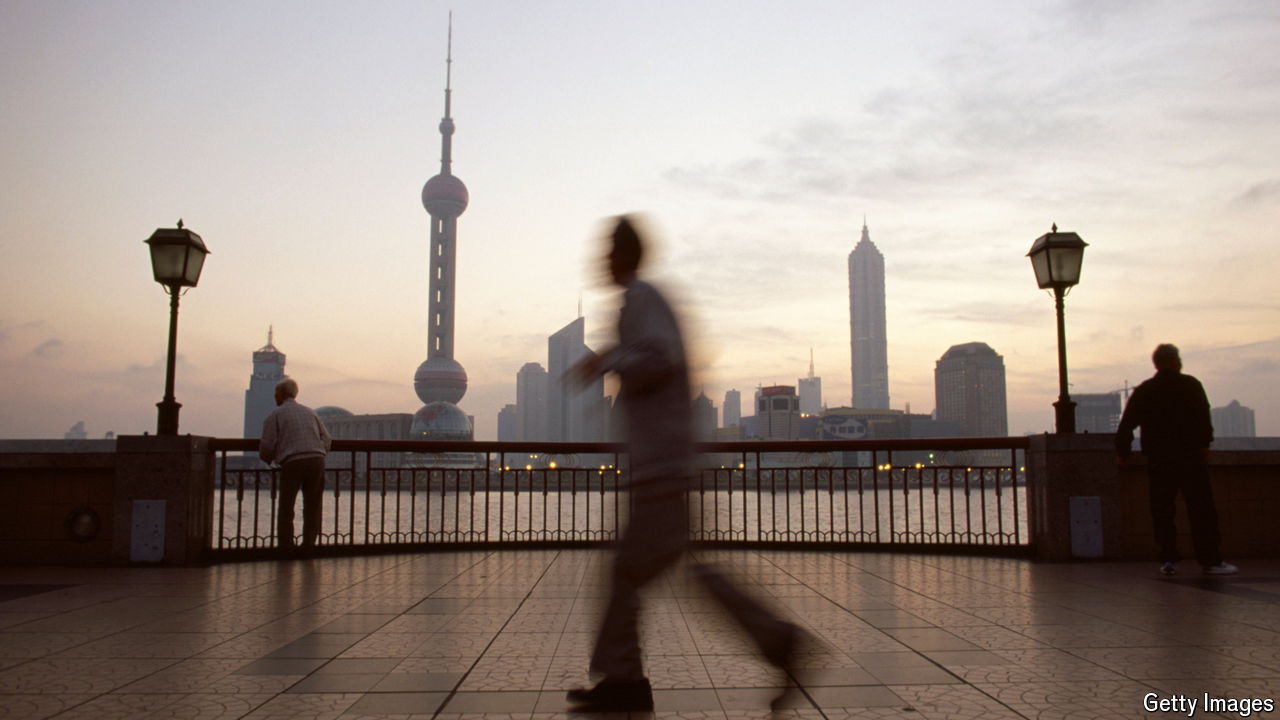
China's leaders are meeting at the "third plenum" from July 15th-18th at the Jingxi Hotel in Beijing to discuss long-term reforms amid disappointing economic growth figures.
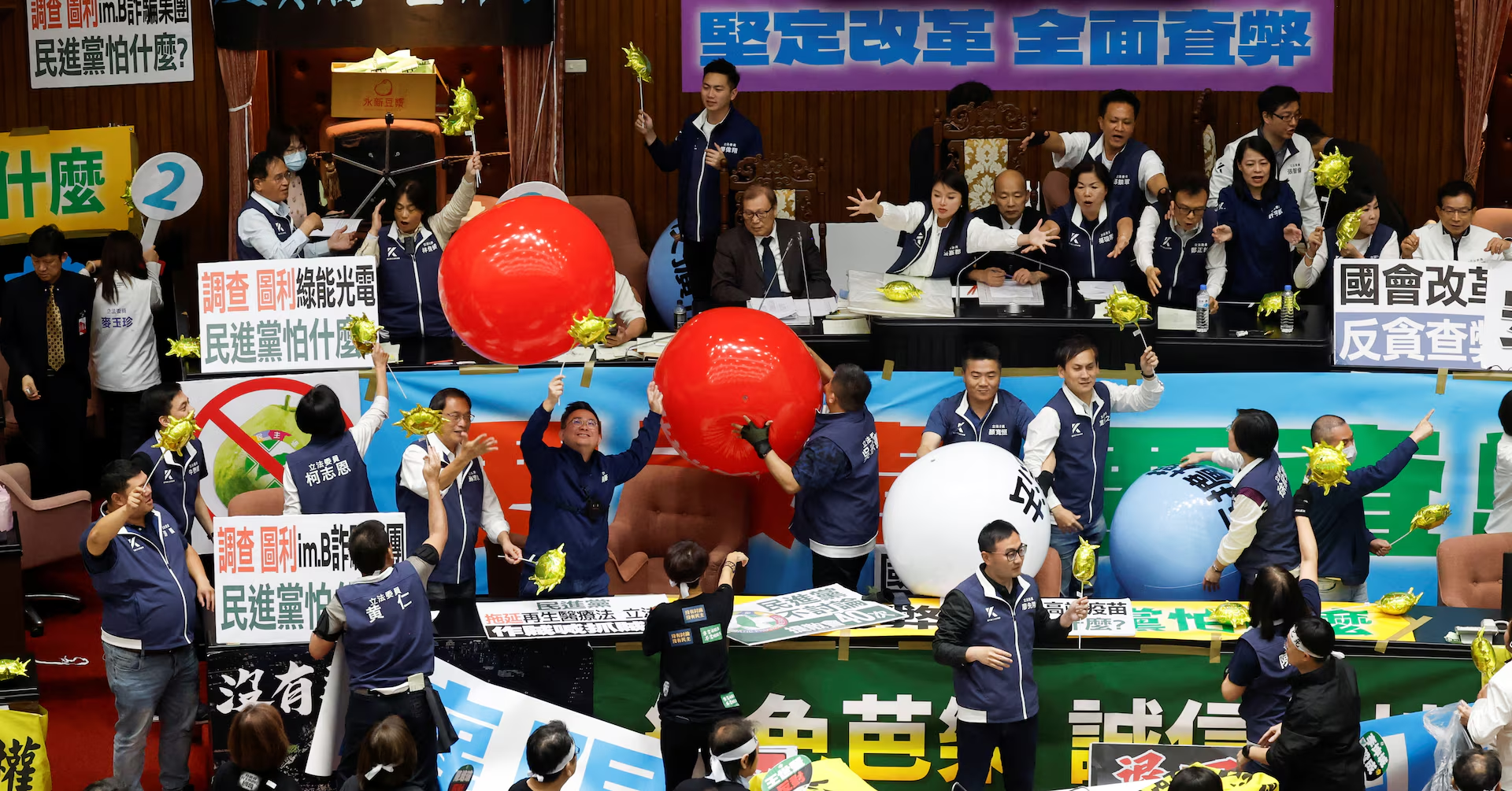
Thousands protested outside Taiwan's parliament after it passed a controversial reform package increasing government oversight, which was pushed by the opposition but opposed by the ruling Democratic Progressive Party (DPP). The reforms, which include new powers for lawmakers and criminalizing contempt of parliament, have sparked concerns about Chinese influence and internal political strife. The DPP criticized the reforms as vague and overreaching, while the opposition defended them as necessary for transparency.
Argentinian President Javier Milei, known for his far-right libertarian views and promises of shock therapy to revive the country's struggling economy, has faced challenges in implementing his radical reforms during his first 100 days in office. Despite initial successes such as devaluing the peso and slashing state subsidies, Milei has encountered resistance from lawmakers and protests from workers and unions. His emergency decree aimed at deregulation was suspended by a court, and his reform bill faced opposition in Congress. Milei now faces the daunting task of delivering results to gain public support, as skyrocketing inflation and poverty rates continue to plague the country.
China aims to achieve around 5% economic growth this year through a series of ambitious reforms, including transforming the growth model, making structural adjustments, and enhancing performance. The government faces challenges such as unreliable financial data, rising youth unemployment, and a significant slowdown in the property sector. Despite missing growth targets in 2022, officials remain optimistic about preventing a devastating slowdown and boosting employment and incomes. However, analysts are no longer confident that China can overtake the U.S. economy, and the country's export-focused strategy may not be enough to overcome its economic obstacles.
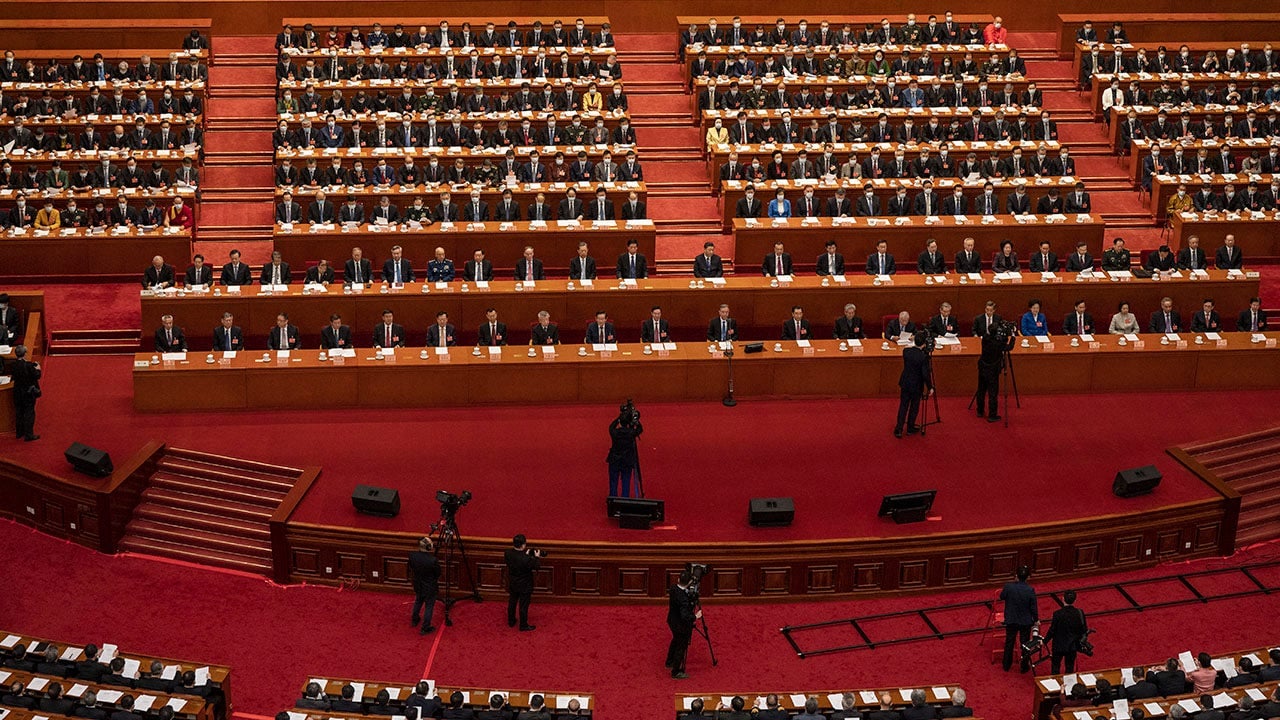
China's parliament is expected to unveil moderate stimulus plans to stabilize economic growth at its annual meeting, with Premier Li Qiang likely to set a growth target of around 5% for 2024. However, bold reforms to address deep structural imbalances are unlikely to be rolled out, as the focus is on near-term support for the sputtering economy. The expected stimulus measures include more fiscal stimulus, special sovereign bonds issuance, and continued investment in tech innovation and advanced manufacturing. Despite calls for bold reforms to boost household demand and tackle municipal debt, the NPC is not the traditional venue for sharp policy shifts, and any major reforms may be deferred to a later plenum event.
Prime Minister Narendra Modi addressed the 17th Lok Sabha, highlighting the achievements of his government, including the abrogation of Article 370 and the removal of triple talaq. He emphasized the productivity of the Lok Sabha and praised Speaker Om Birla. Modi also mentioned the construction of a new Parliament building and India's successful G20 presidency. He expressed satisfaction over bringing social justice to Jammu & Kashmir and the enactment of strict laws against terrorism. Modi concluded by stating that the next 25 years are crucial for the country.