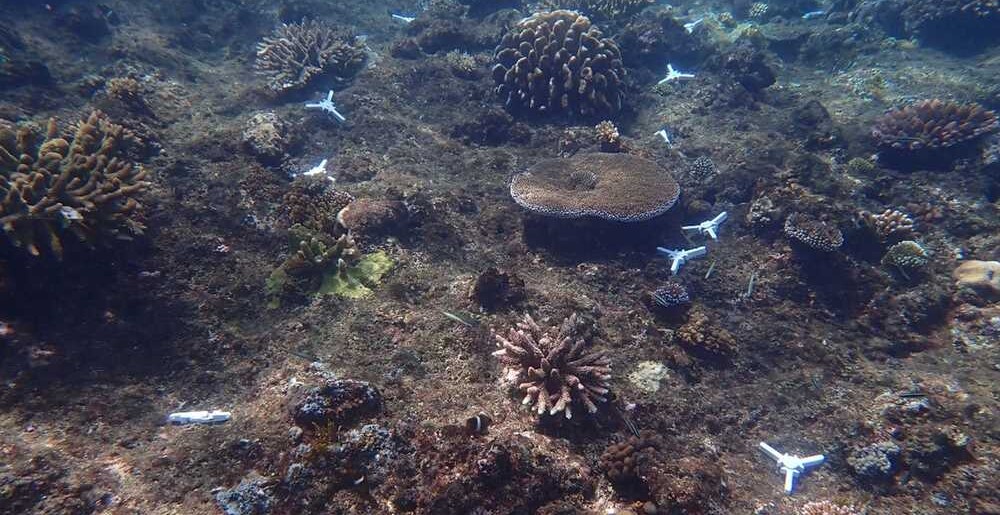
A portable coral spawning lab called ReefSeed, co-developed by Australian and Maldivian scientists, successfully grew 10,000 juvenile corals from 3 million larvae in the Maldives, demonstrating a promising technology for reef restoration that can operate independently and be expanded to help combat coral reef loss globally.
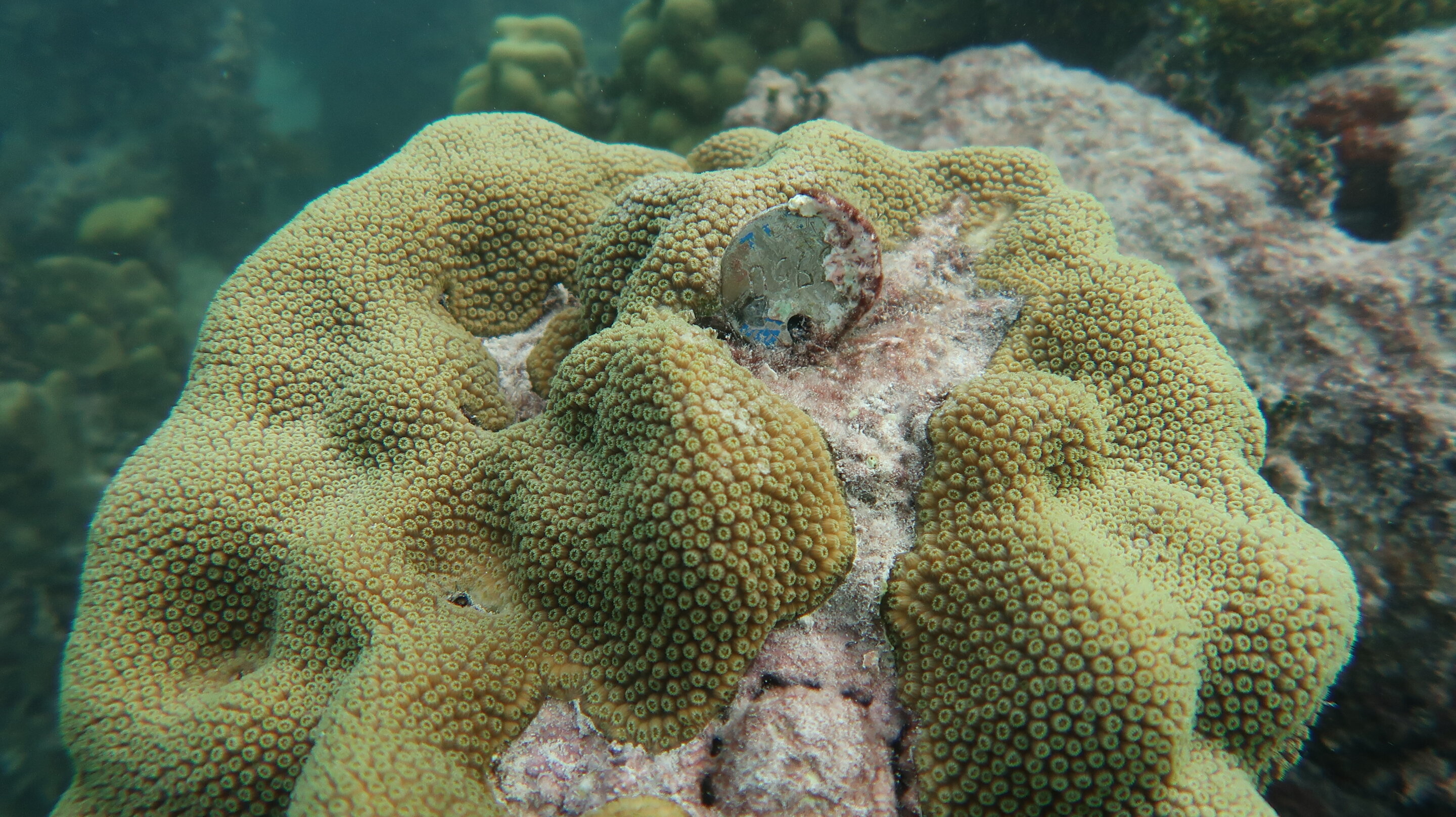
A study published in the journal Global Change Biology reveals surprising findings about the resilience of mountainous star coral, Orbicella faveolata, which could help efforts to save coral reefs from the impacts of climate change. Contrary to expectations, the study found that offspring from a less heat-tolerant population performed better when exposed to high temperatures compared to their counterparts from a heat-tolerant population. This challenges the belief that if coral parents can handle heat, so should their offspring. The research suggests that factors such as the history of bleaching and other environmental pressures may influence the ability of coral offspring to handle heat. The study highlights the need for a more comprehensive approach to coral rescue, considering genetic diversity and external stressors affecting overall well-being.
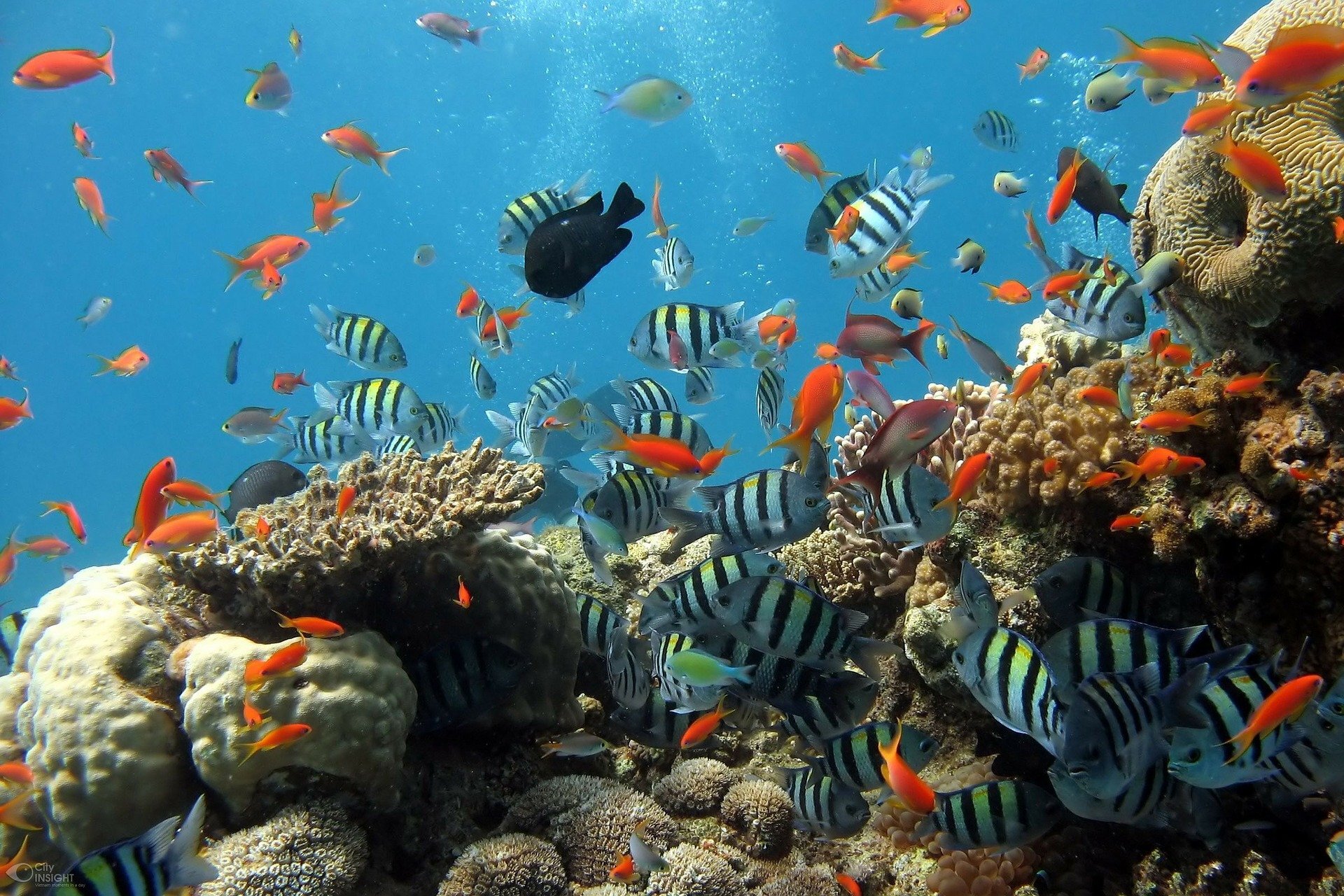
Feces from corallivore fish, which eat coral, may contain beneficial microbes that help coral thrive, according to a study published in Frontiers in Marine Science. By contrast, feces from grazers, which consume algae and detritus, may contain coral pathogens that leave large lesions on coral. The research suggests that corallivores may be contributing to important processes that promote coral reef health, and highlights the need for further research to understand how fish feces affect corals and how they can be used in management efforts to support coral reef health.