A senior Google employee claims she was made redundant after reporting sexual harassment and a toxic 'boys' club' culture within the company, leading to an employment tribunal case where Google denies retaliation and attributes her redundancy to normal business restructuring.
The events at the Chornobyl Exclusion Zone (CEZ) in Ukraine highlighted the fragility of environmental sensors in high-risk areas. Elevated gamma radiation levels were reported before the monitoring system went offline, leaving observers guessing. Security researchers suggest that the high values were spoofed, as disturbing the soil would not cause a significant increase in gamma readings. The possibility of electromagnetic interference or electronic warfare causing the incorrect data was ruled out. The manipulation of monitoring stations or the server processing the data is considered, but without forensic evidence, it remains conjecture. The incident emphasizes the need for hardened and redundant environmental sensor networks in disaster scenarios.
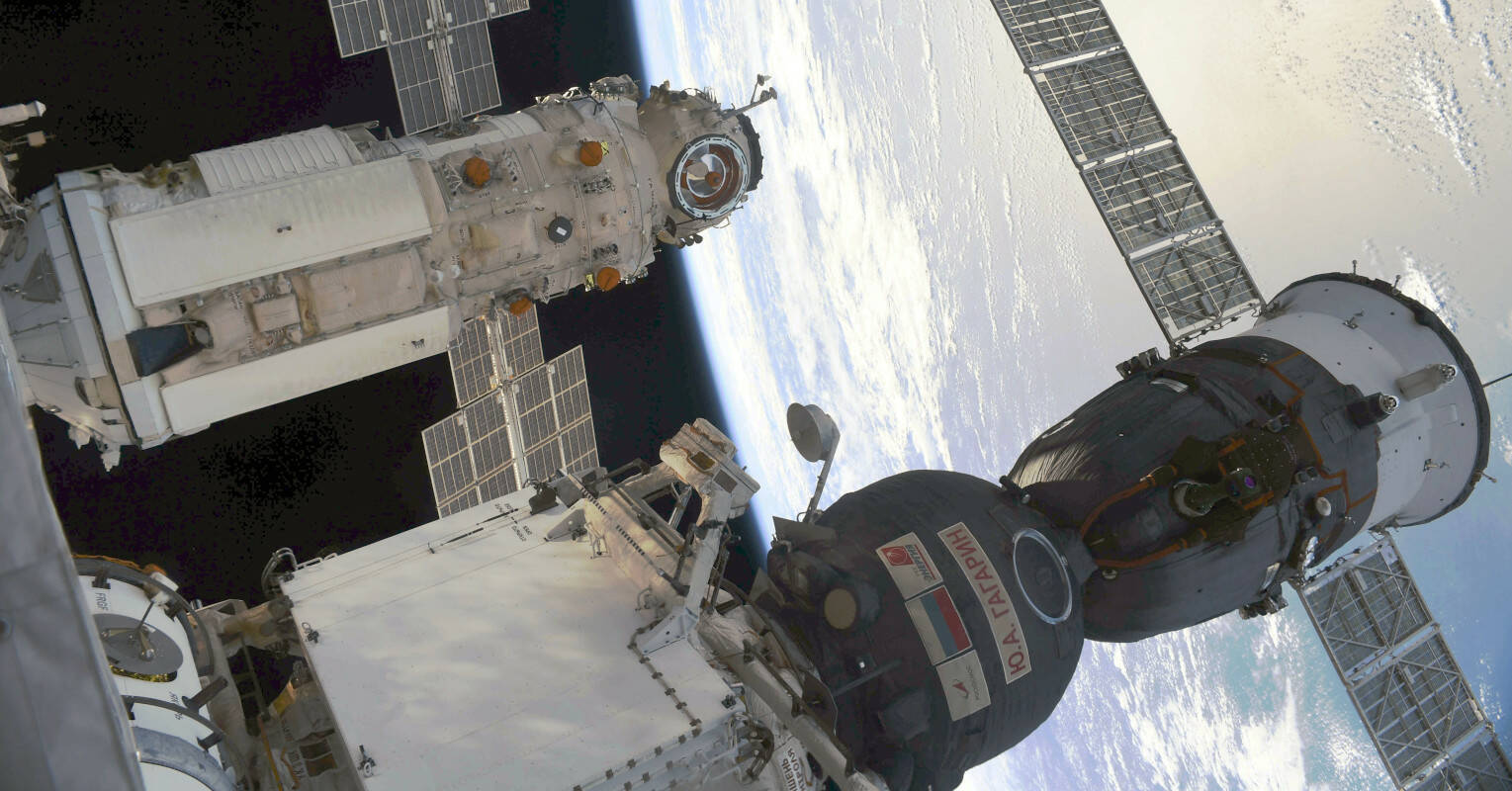
The Russian Nauka module on the International Space Station has experienced a coolant leak from its backup radiator, posing no danger to the crew but prompting the closure of window shutters as a precaution against contamination. The primary radiator is still functioning, but the loss of redundancy is not ideal. This is not the first time the Nauka module has encountered issues, with previous incidents including unexpected thruster firing and leaks in other spacecraft. NASA has upcoming spacewalks scheduled, but it remains uncertain if they will proceed as planned.
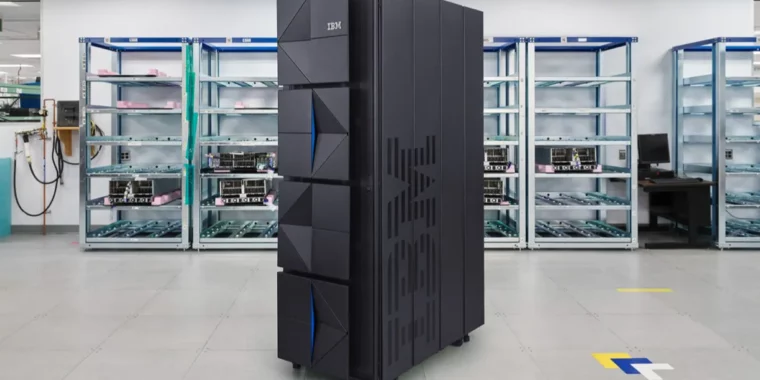
Mainframe computers, such as those manufactured by IBM, are still relevant today, with an estimated 10,000 in use by large companies worldwide. These purpose-built machines are designed to handle massive data workloads and provide high throughput and redundancy for critical operations like high-volume financial transactions. With up to 240 server-grade CPUs, large amounts of RAM, and petabytes of storage, mainframes ensure 99.999% uptime and rapid response times. While cloud and cluster platforms are competitors, they often lack the cost-effectiveness and reliability of mainframes.
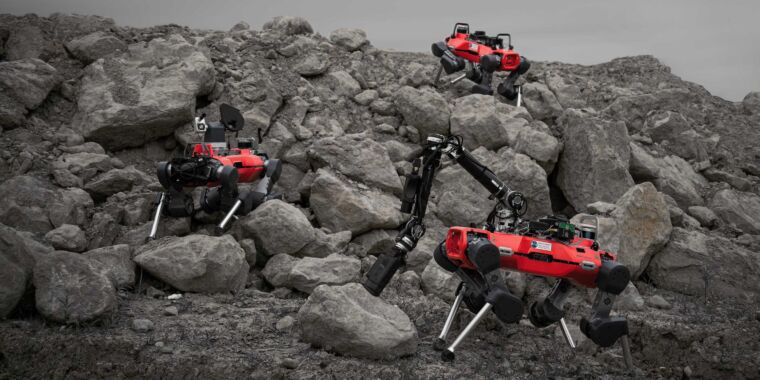
Researchers at ETH Zurich have developed a team of legged robots, called ANYmals, to assist future rovers in exploring harsh lunar and Martian terrains. These robots, capable of walking, can mitigate the risk of damage and loss of traction in unpredictable environments. Each robot is specialized for specific tasks but can also work together as a team, with redundant features allowing them to back each other up in case of failure. The robots have been successfully tested in simulated lunar and Martian terrains, demonstrating their potential for scientific exploration in hard-to-reach areas. The researchers aim to further enhance the robots' autonomy for more challenging missions, such as Mars exploration.
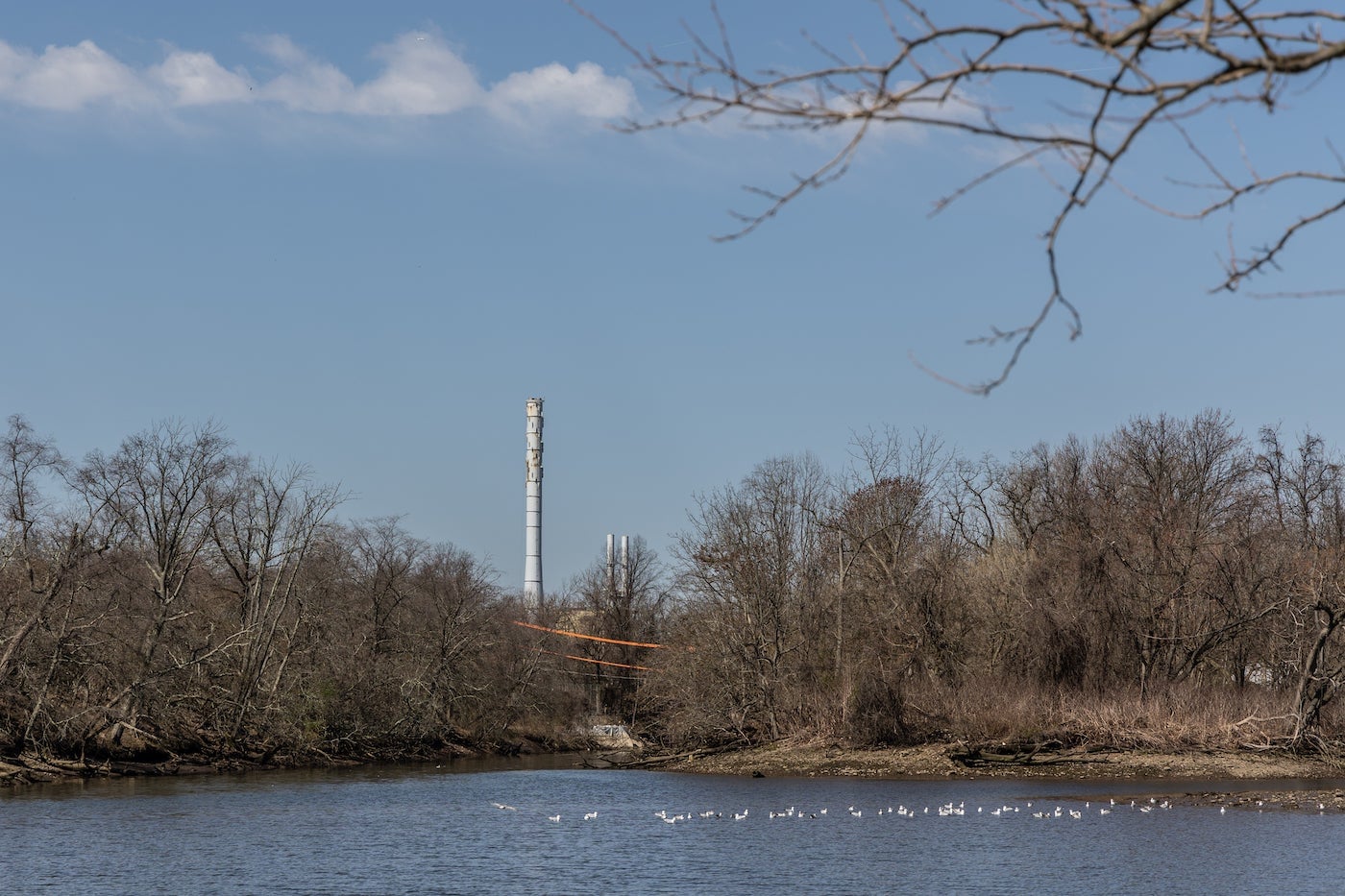
Philadelphia Water Department officials were unable to switch to a clean water source to serve much of the city if a key water treatment plant became contaminated during a recent chemical spill. The incident highlights the need for infrastructure investments in drinking water and other infrastructure in the US. Achieving full redundancy within a drinking water system is difficult and expensive, but Philadelphia is striving for it with its 25-year Water Revitalization Plan, which includes several projects that would allow the Water Department to serve the entire city with water from just the Schuylkill River or just the Delaware River, indefinitely.