
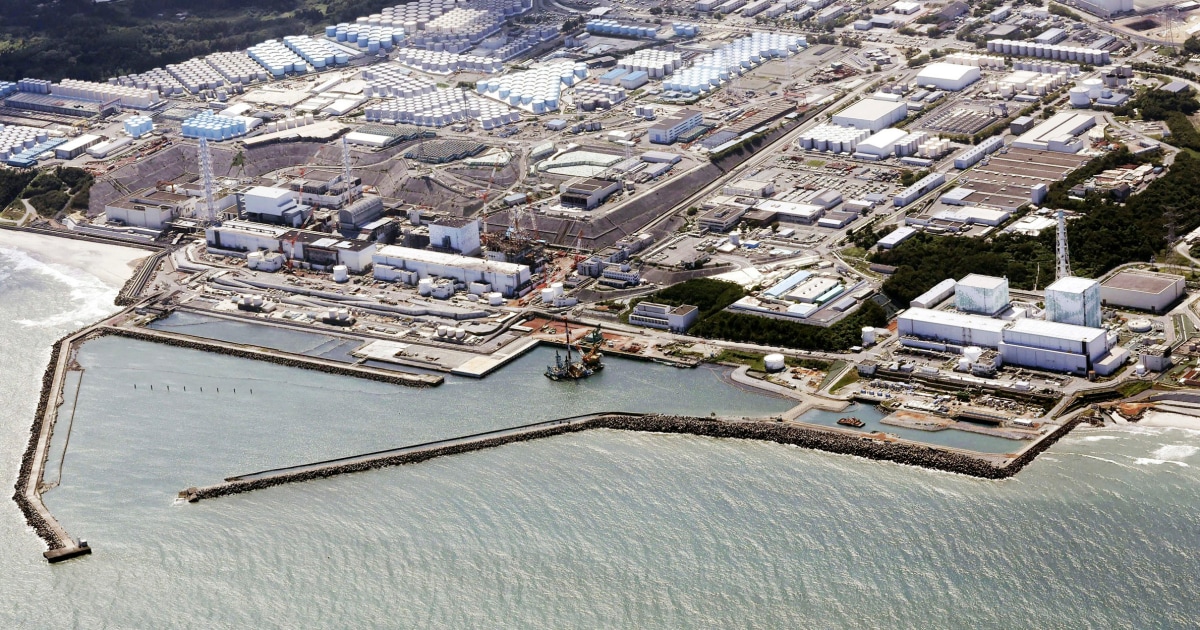
"Fukushima Daiichi Nuclear Plant Leaks Radioactive Water, Raising Contamination Risk"
Highly radioactive water leaked from a treatment machine at the Fukushima Daiichi nuclear power plant, but no radiation escaped the facility, and no one was injured. The leak, caused by valves left open during maintenance work, resulted in 6 tons of radioactive water seeping into the soil. Despite concerns over Tepco's controversial wastewater discharge project, radiation levels around the plant and in the environment remain unaffected. This incident follows a previous accidental leak at a separate treatment facility, highlighting ongoing challenges in managing the aftermath of the 2011 disaster.