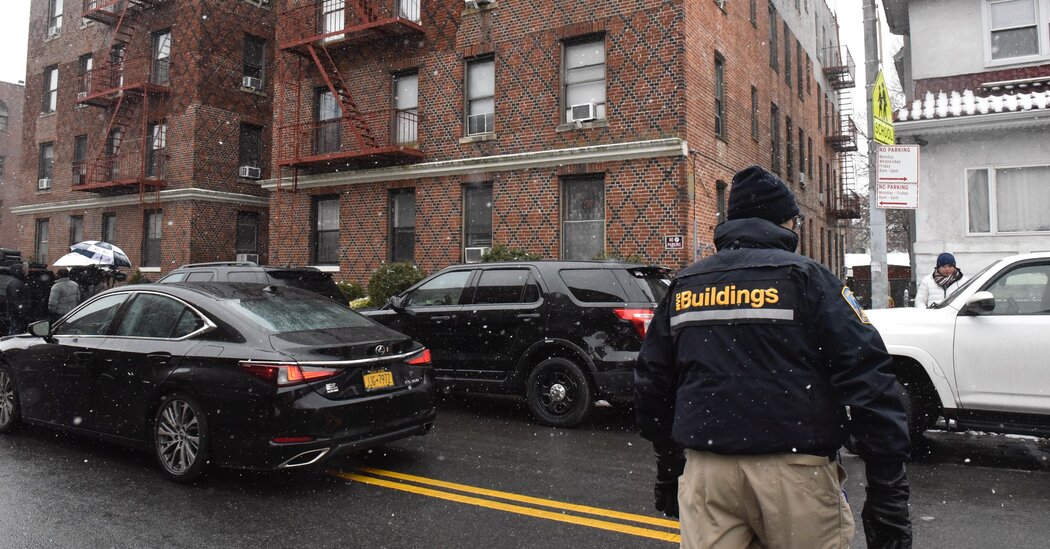
An 11-month-old boy died after being burned by steam that leaked from a faulty radiator in a Brooklyn apartment. Police found the child unconscious with burn wounds and he was pronounced dead at the hospital. The cause of the leak is under investigation, and the police have requested an inspection from New York City’s Buildings Department due to the faulty radiator.
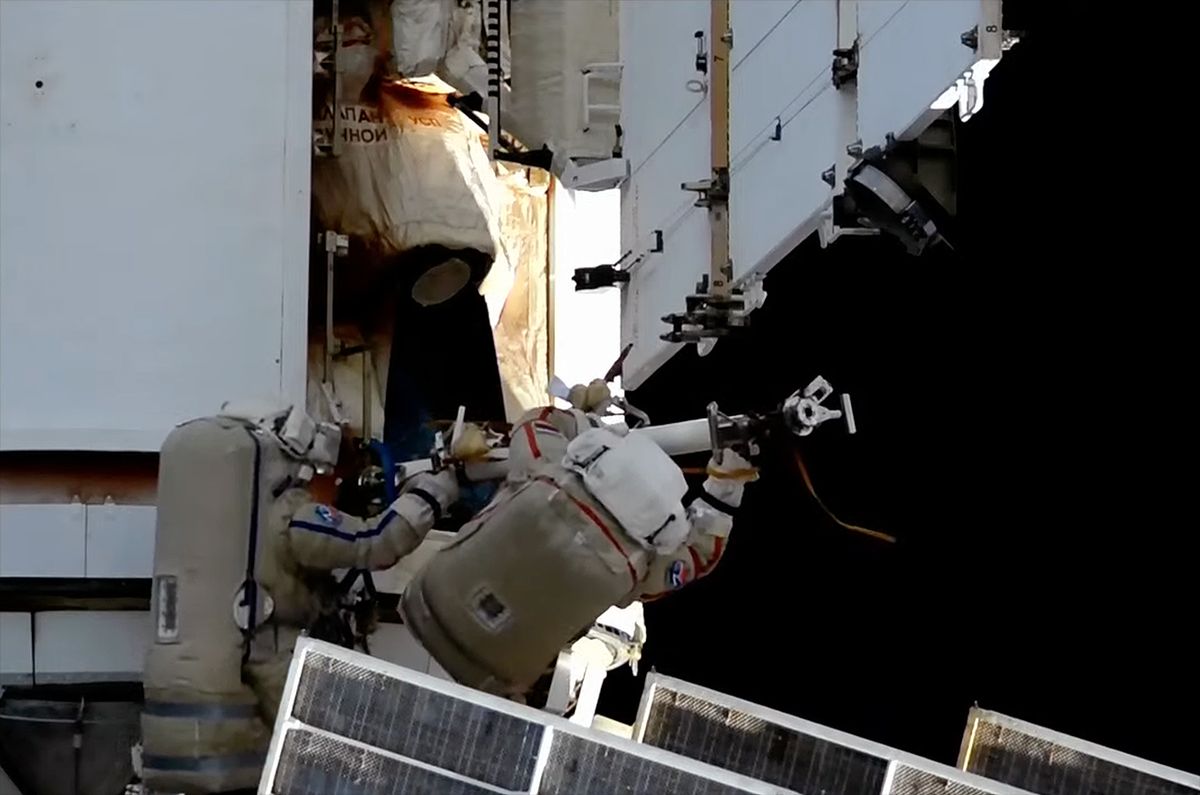
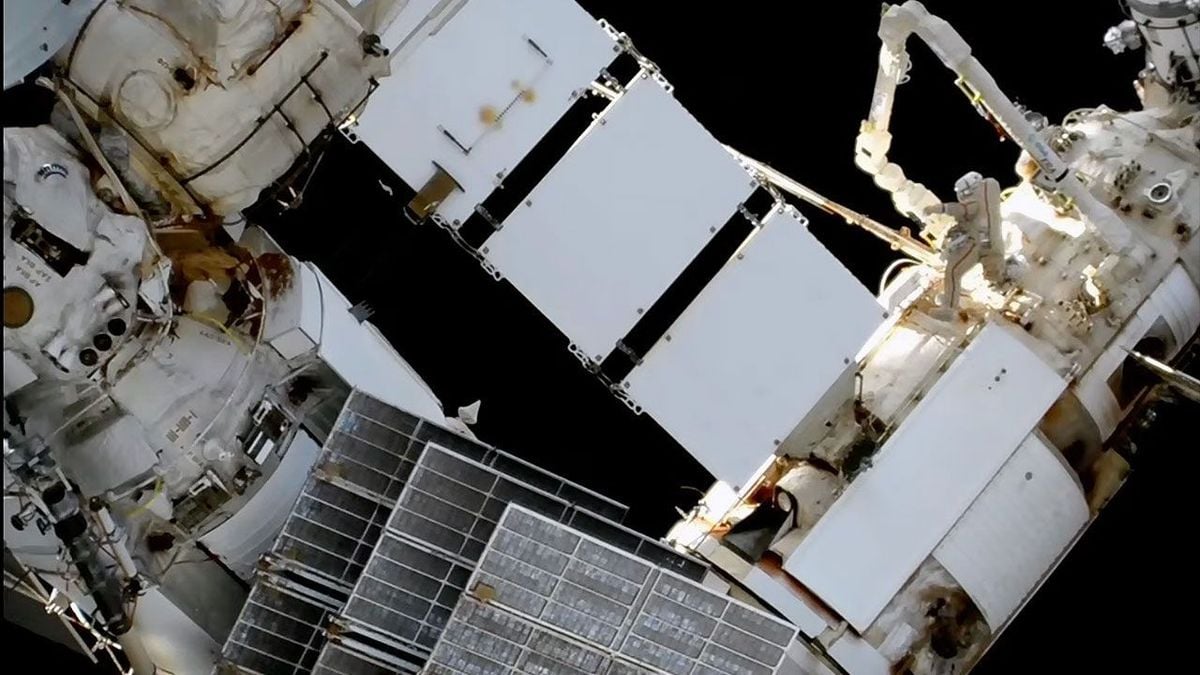
During a spacewalk, cosmonauts Oleg Kononenko and Nikolai Chub inspected and isolated a coolant leak from a radiator on the Nauka module of the International Space Station (ISS). While they initially couldn't find the leak, they later discovered traces where the radiator panels were connected. The cosmonauts attempted to clean up the coolant but ran out of towels, resulting in one end of a tether becoming soaked and potentially touching a cosmonaut's visor. The spacewalk also included the release of a nanosatellite and the installation of a synthetic radar communications system, although not all tasks were successful. Managers are still deciding on the next steps for repairing the leak.
Russian cosmonauts conducting a spacewalk outside the International Space Station (ISS) encountered a growing "blob" of coolant leak from an external radiator. One of the cosmonauts' tethers became contaminated, requiring it to be left outside the space station. The cosmonauts isolated and documented the radiator, which had been observed leaking coolant earlier this month. They also noticed small holes on the radiator's panels. The cause of the leak will be determined by Russian engineers using the data collected. The spacewalk also involved the installation of a synthetic radar communications system and the release of a nanosatellite to test solar sail technology.
Russian cosmonauts conducted a spacewalk outside the International Space Station to isolate a leaking radiator and observed residual coolant spewing out into space. One of the cosmonauts attempted to sop up the pooling coolant but was instructed to leave the area when some liquid reached a safety tether. The cosmonauts also worked on attaching a synthetic aperture radar antenna and released a small student-built nanosatellite, although the solar sail propulsion system failed to deploy. The radiator's installation had gone normally, but on October 9, frozen coolant flakes were observed streaming from the radiator. This marks the third coolant leak incident for the Russians in less than a year.
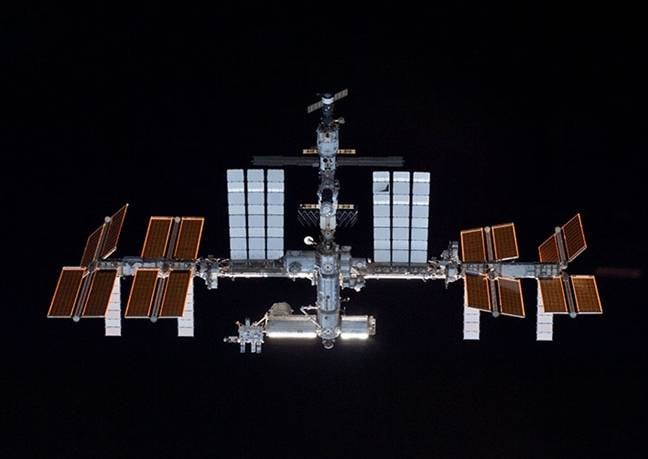
Russian hardware on the International Space Station has experienced its third coolant leak in less than a year, raising concerns about the viability of Russian equipment in space. The recent leak, originating from a radiator on the Nauka science module, resulted in frozen coolant flakes floating near the station. While the crew was not in immediate danger, the recurring leaks highlight potential issues with Russian space hardware and the aging of the International Space Station. A meeting between NASA, Roscosmos, and other international partners is scheduled to discuss the matter.
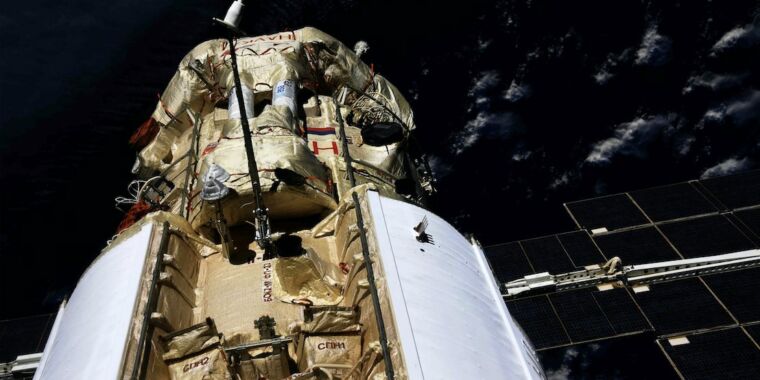
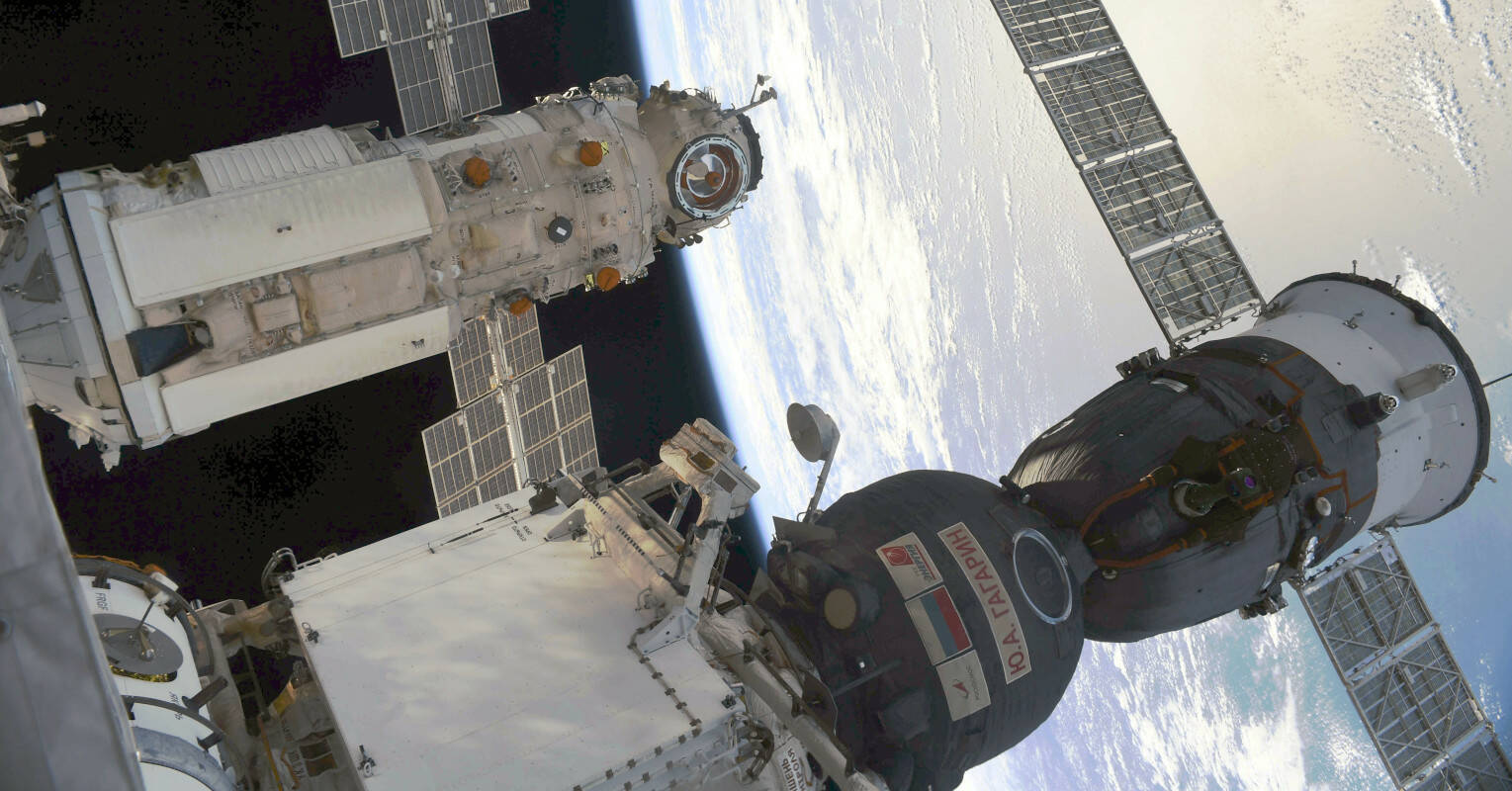
The Russian Nauka module on the International Space Station has experienced a coolant leak from its backup radiator, posing no danger to the crew but prompting the closure of window shutters as a precaution against contamination. The primary radiator is still functioning, but the loss of redundancy is not ideal. This is not the first time the Nauka module has encountered issues, with previous incidents including unexpected thruster firing and leaks in other spacecraft. NASA has upcoming spacewalks scheduled, but it remains uncertain if they will proceed as planned.
A radiator on the Russian Nauka module of the International Space Station (ISS) started leaking coolant, marking the third coolant leak incident involving Russian hardware at the station in less than a year. The leak was noticed by flight controllers, and the crew visually confirmed it. The coolant leak was from a backup radiator on the Nauka module, originally from the Rassvet module. Both NASA and Roscosmos confirmed that the station and crew were not in danger, and there were no impacts on space station operations. This incident raises concerns about potential design or manufacturing flaws with Russian spacecraft.
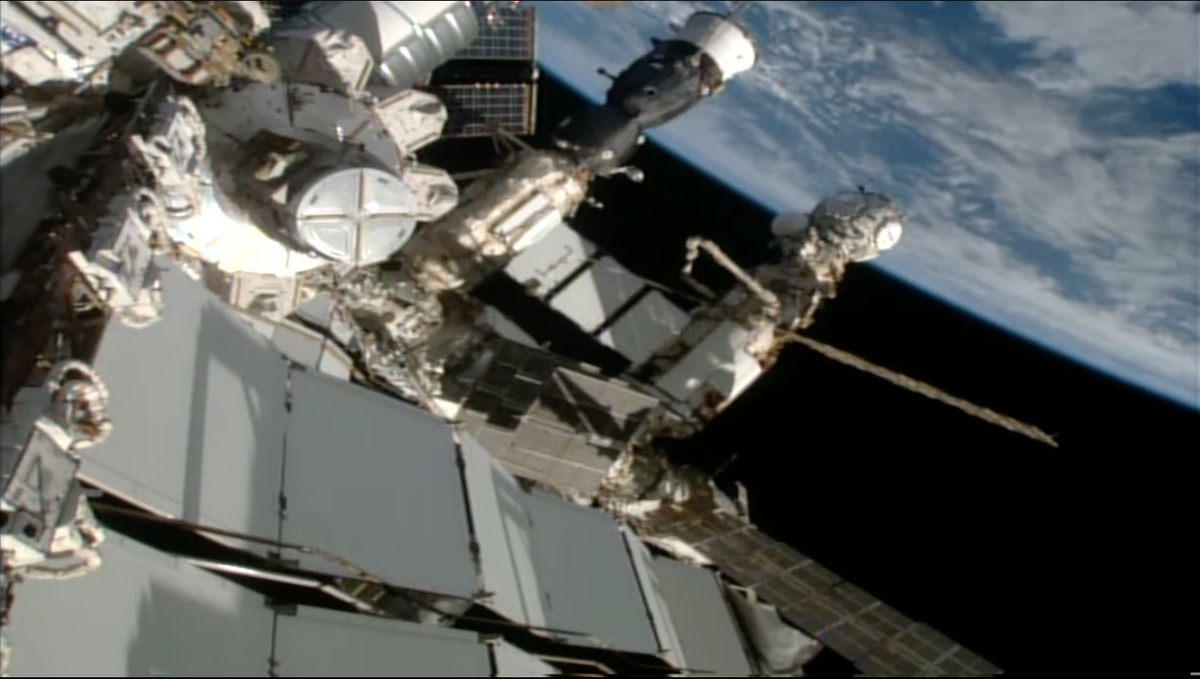
Russian cosmonauts Sergey Prokopyev and Dmitry Petelin completed a 5-hour spacewalk to activate a radiator that they earlier helped relocate outside of the International Space Station. The radiator was deployed on the Nauka module, and the cosmonauts also installed two gap spanners on the European Robotic Arm and completed a few "get-ahead" tasks for future spacewalks. This was the third and last in a series of spacewalks to outfit the exterior of the Nauka module.