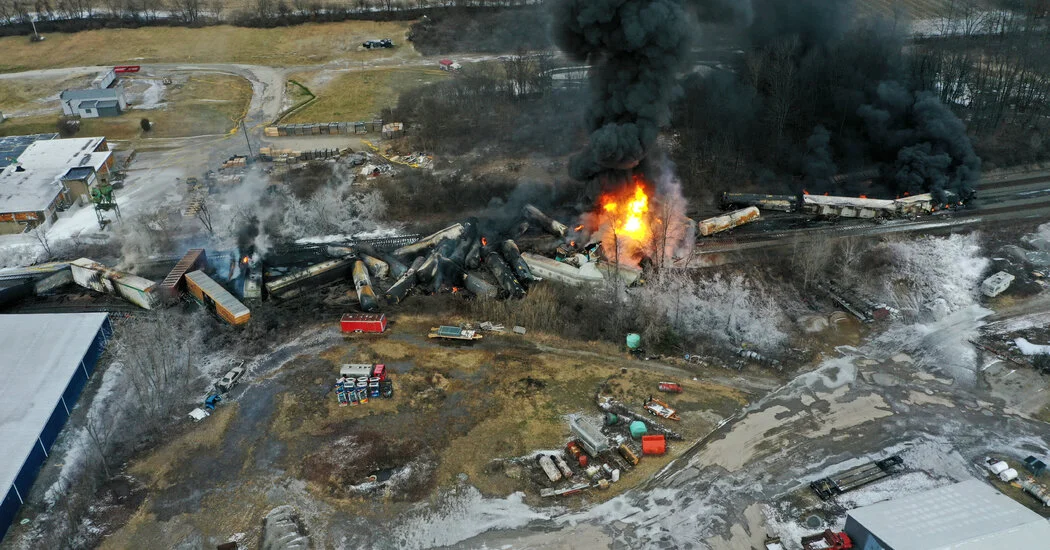
Following a chemical derailment in East Palestine, Ohio, residents and their dogs were exposed to carcinogens; studying the dogs' quicker development of cancer could provide insights into the long-term cancer risks for humans.
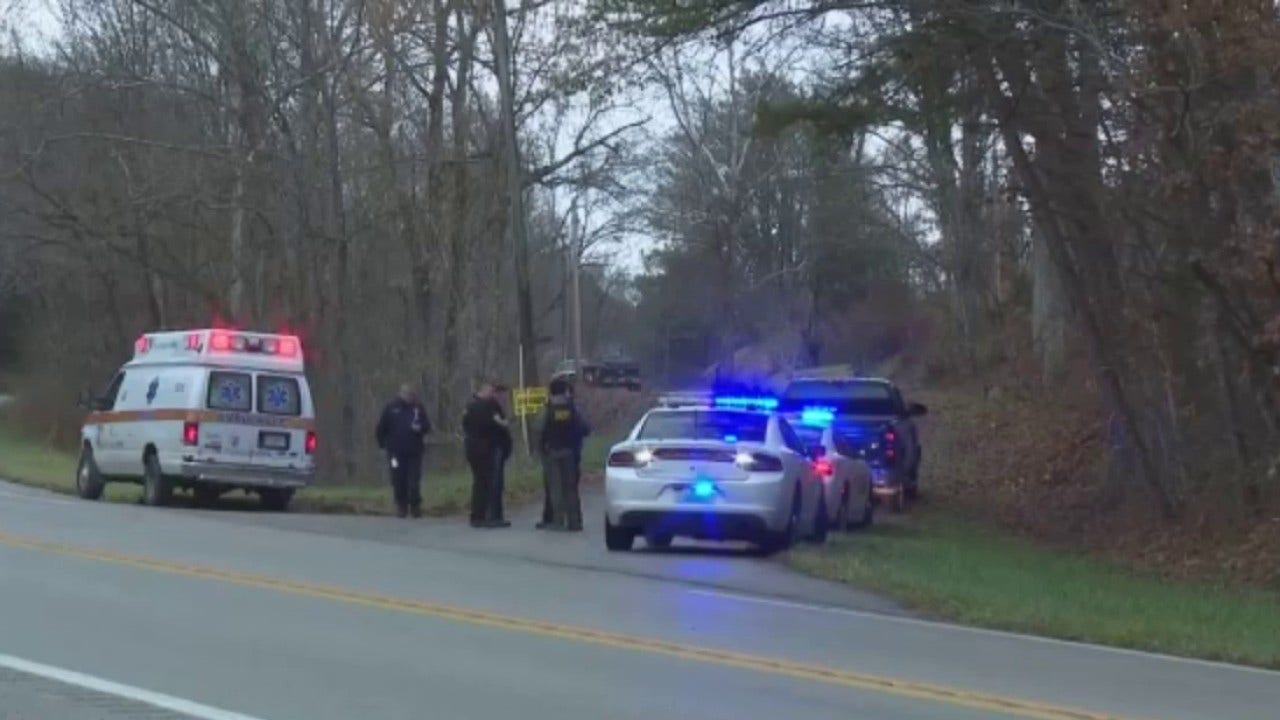
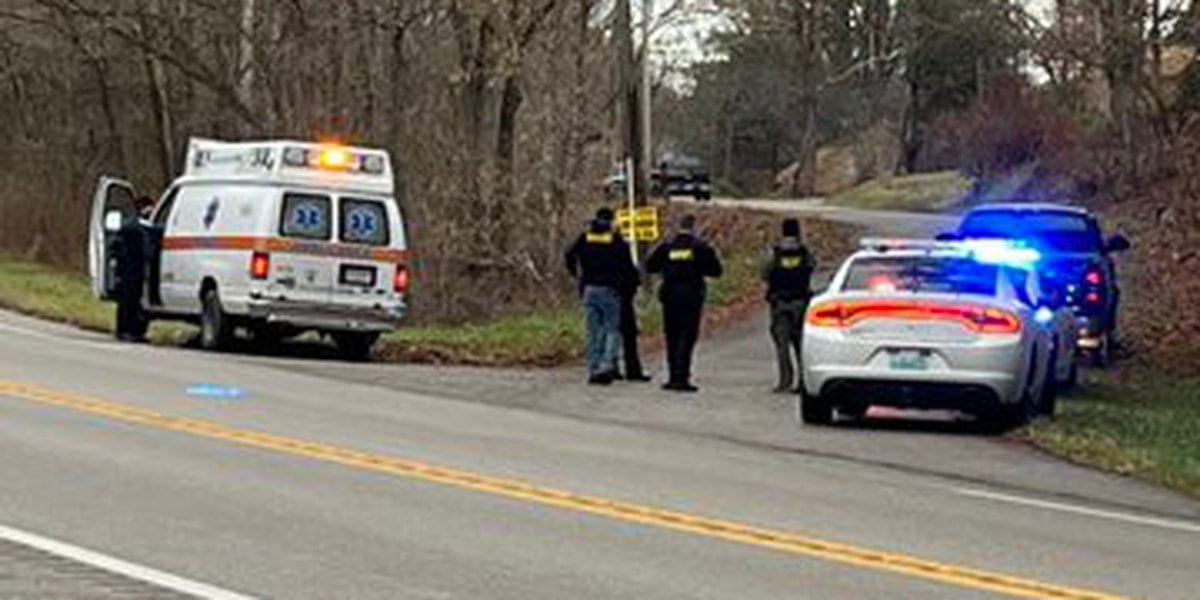
A train derailed in eastern Kentucky, causing a chemical spill and prompting officials to encourage residents of the small town of Livingston to evacuate due to concerns about air quality. The derailment involved at least 16 cars, two of which were carrying molten sulfur that caught fire. The fire is believed to be releasing sulfur dioxide, a gas that can cause respiratory problems. The amount of chemicals released is still unknown. Governor Andy Beshear declared a state of emergency in the county and urged people to avoid the area.
A train derailed in eastern Kentucky, causing a chemical spill and prompting the evacuation of residents in the small town of Livingston. The derailment involved at least 16 cars, with two cars containing sulfur catching fire and releasing sulfur dioxide gas into the air. One crew member was treated for minor injuries. CSX, the railroad operator, is conducting air quality testing and covering the cost of hotel rooms for affected residents. Kentucky Governor Andy Beshear declared a state of emergency to allocate more resources to the response. The extent of the spill and its environmental impact are still unknown. Sulfur dioxide exposure can cause respiratory issues, particularly for vulnerable populations.
Kentucky Governor Andy Beshear has declared a state of emergency after a freight train derailed in Rockcastle County, Kentucky, causing a chemical spill and prompting evacuations. The derailment involved 16 train cars, including two carrying molten sulphur that caught fire. CSX, the railway company, is working to extinguish the fire and is providing support to affected community members.
Kentucky Gov. Andy Beshear has declared a state of emergency in Rockcastle County following a train derailment that resulted in a chemical spill. The contents of the train are currently unknown. At least one home has been evacuated, and efforts are underway to evacuate more. U.S. Route 25 is blocked in both directions due to the derailment.
A train derailed in Rockcastle County, Kentucky, resulting in a confirmed chemical spill. At least 15 cars were involved, including two sulphur cars that spilled some of their contents. One member of the crew sustained minor injuries. One family has been evacuated, and efforts are underway to evacuate another. No hospitalizations have been reported, and emergency management officials are assessing the situation in the remote area.
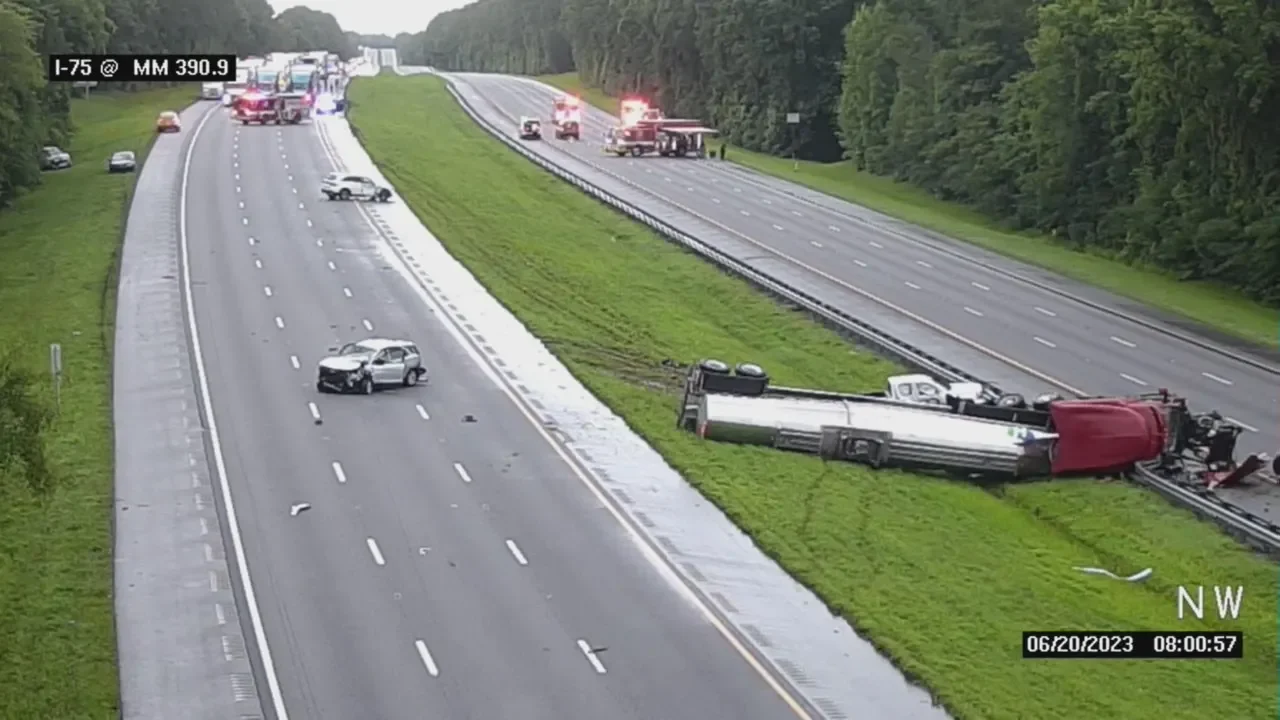
A tanker overturned on I-75 in Florida, causing a chemical spill and leading to the closure of both northbound and southbound traffic for up to 12 hours. Crews are working to clean up the Styrene chemical that leaked onto the road. The Florida Highway Patrol is rerouting traffic. No information has been released about injuries or the cause of the crash.
A Hazmat team contained a chemical spill of over 50 gallons at Best Finishes business in downtown Colorado Springs after a fire sparked in the building overnight. The fire did not cause any other damage, and the spill has been contained with no threat to the area. Citizens were told to avoid the area of Cimarron Street and El Paso Street.
The Justice Department has filed a lawsuit against Norfolk Southern, seeking to recover cleanup costs and penalties under the Clean Water Act after a train derailment and chemical spill in East Palestine, Ohio last month. The lawsuit accuses the railway company of prioritizing profits over safety, leading to the accident and fire that discharged toxic chemicals into the air, soil, and water. The suit seeks to hold Norfolk Southern fully accountable for jeopardizing the community's health and safety and recover damages from companies that break environmental laws.
Philadelphia Water Department officials were unable to switch to a clean water source to serve much of the city if a key water treatment plant became contaminated during a recent chemical spill. The incident highlights the need for infrastructure investments in drinking water and other infrastructure in the US. Achieving full redundancy within a drinking water system is difficult and expensive, but Philadelphia is striving for it with its 25-year Water Revitalization Plan, which includes several projects that would allow the Water Department to serve the entire city with water from just the Schuylkill River or just the Delaware River, indefinitely.
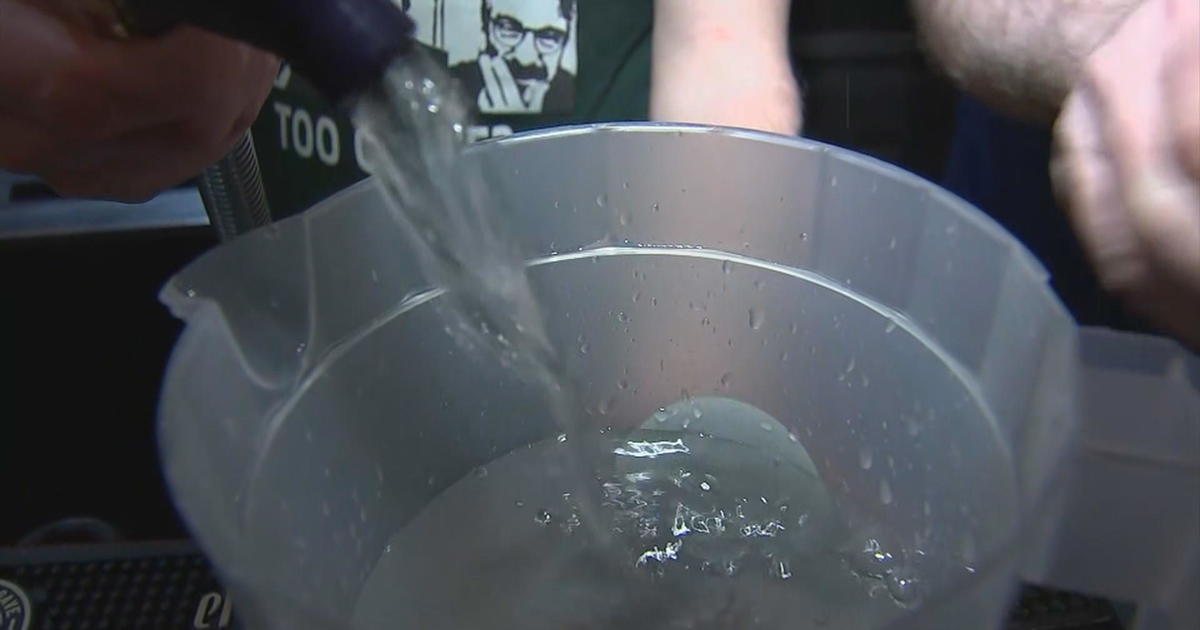
Philadelphia officials have confirmed that the city's drinking water is safe and will not be affected by the chemical spill that occurred on Friday on a tributary of the Delaware River. The Water Department tested water at the Baxter Water Treatment facility in Northeast Philadelphia, which lies about eight miles downriver from the spill, and no contaminants were found. The city advised residents to store tap water in containers in the event the chemical spill did pollute drinking water, but has now confirmed that the spill has dispersed in the river and will not impact the city's water supply.
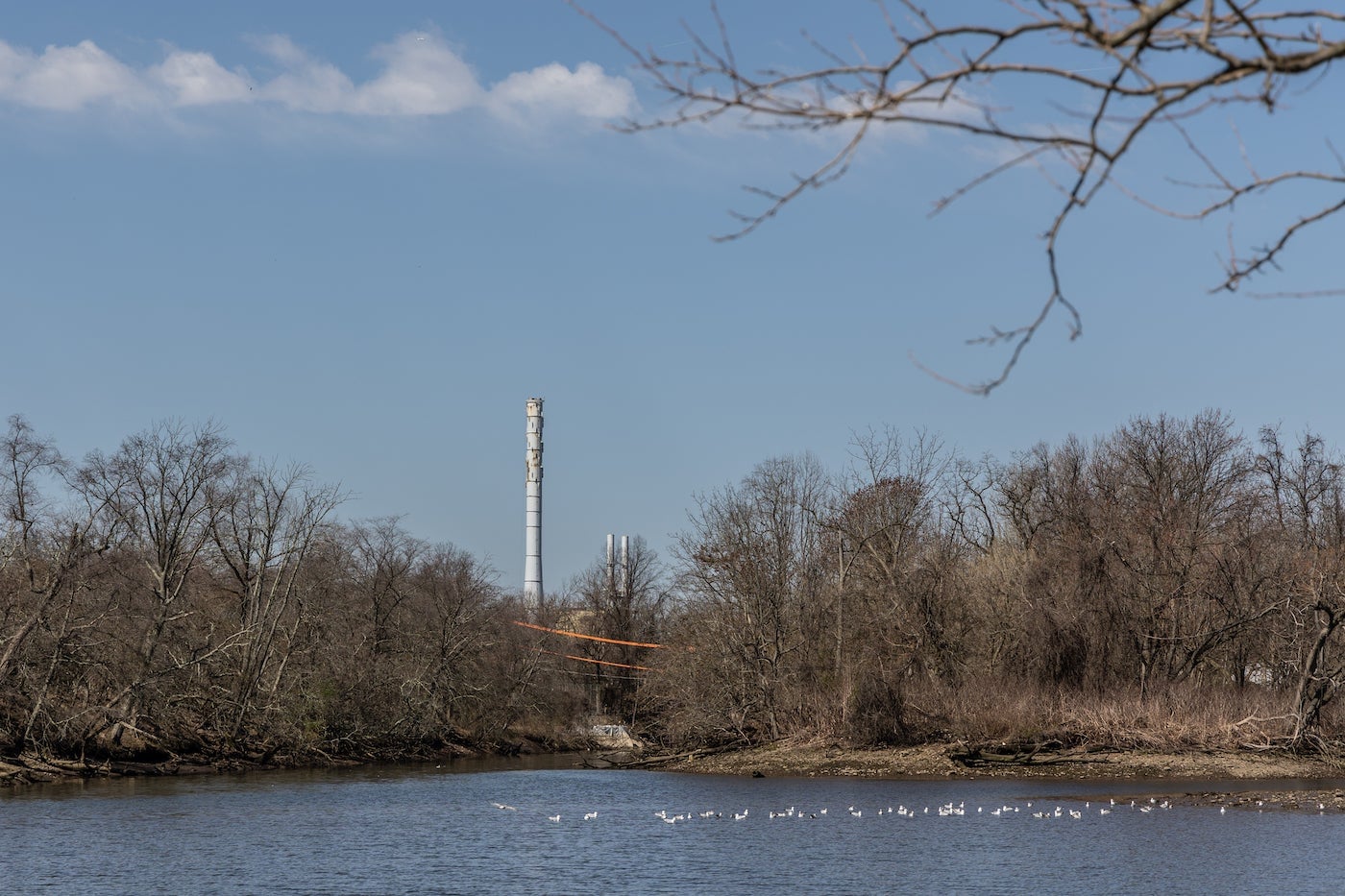
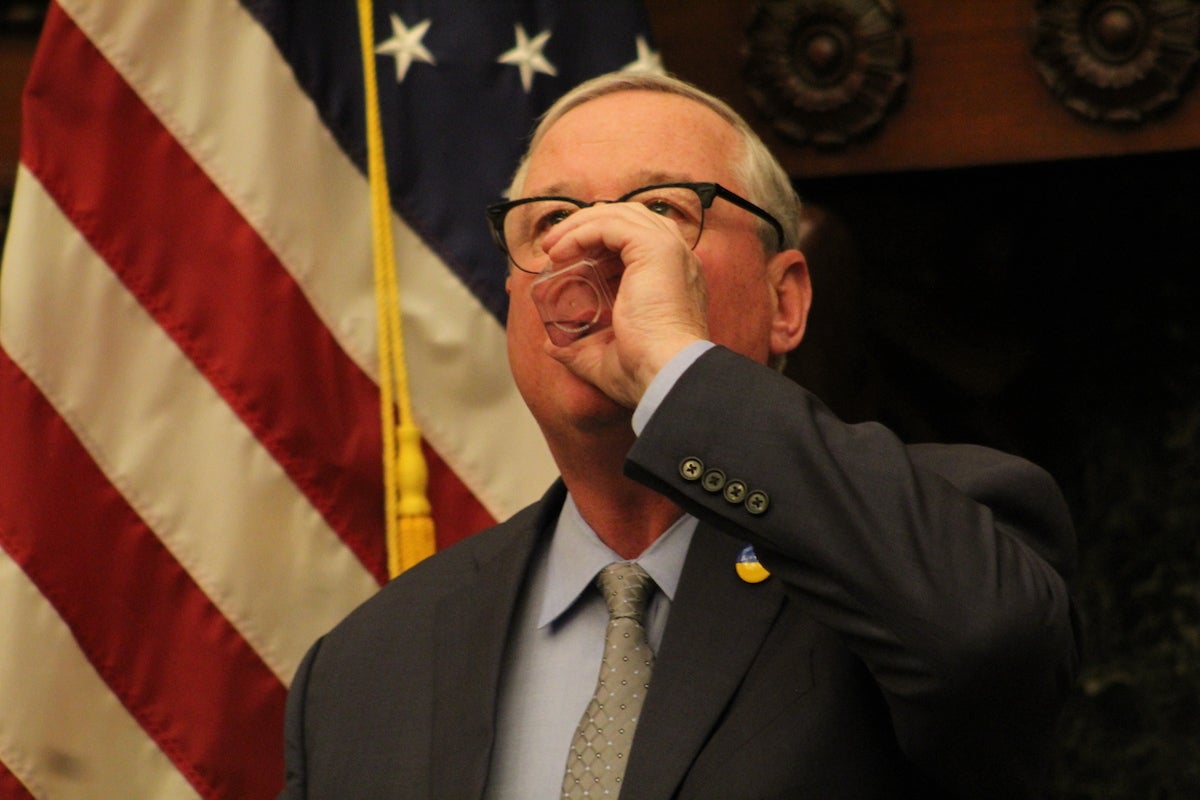
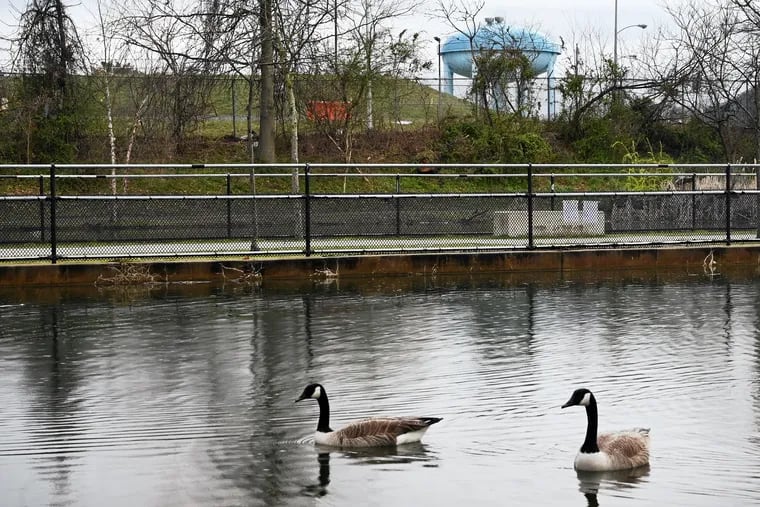
Philadelphia officials have declared the city's drinking water safe and unaffected by a chemical spill into the Delaware River upstream last week. The spill occurred due to a burst pipe at the Trinseo Altuglas chemical facility in Bristol Township, and officials say it is non-toxic to humans. Sampling hasn't detected any substance from the spill, and "models tracking the flow and tide of the Delaware River show the potential threat is passing us," said Mayor Jim Kenney.
While attention has been focused on Philadelphia's drinking water after a chemical spill, utilities and state officials have been monitoring treatment plants that serve Camden and other parts of South Jersey. No contaminants have been detected in Camden's water so far from Friday's spill upstream at a chemical plant in Bristol, Bucks County. Camden gets most of its water from wells, but it gets additional water purchased from New Jersey American Water. The company is testing for compounds released during the spill at the intake for its treatment plant, throughout the plant's treatment process, and at the entry to the distribution system.
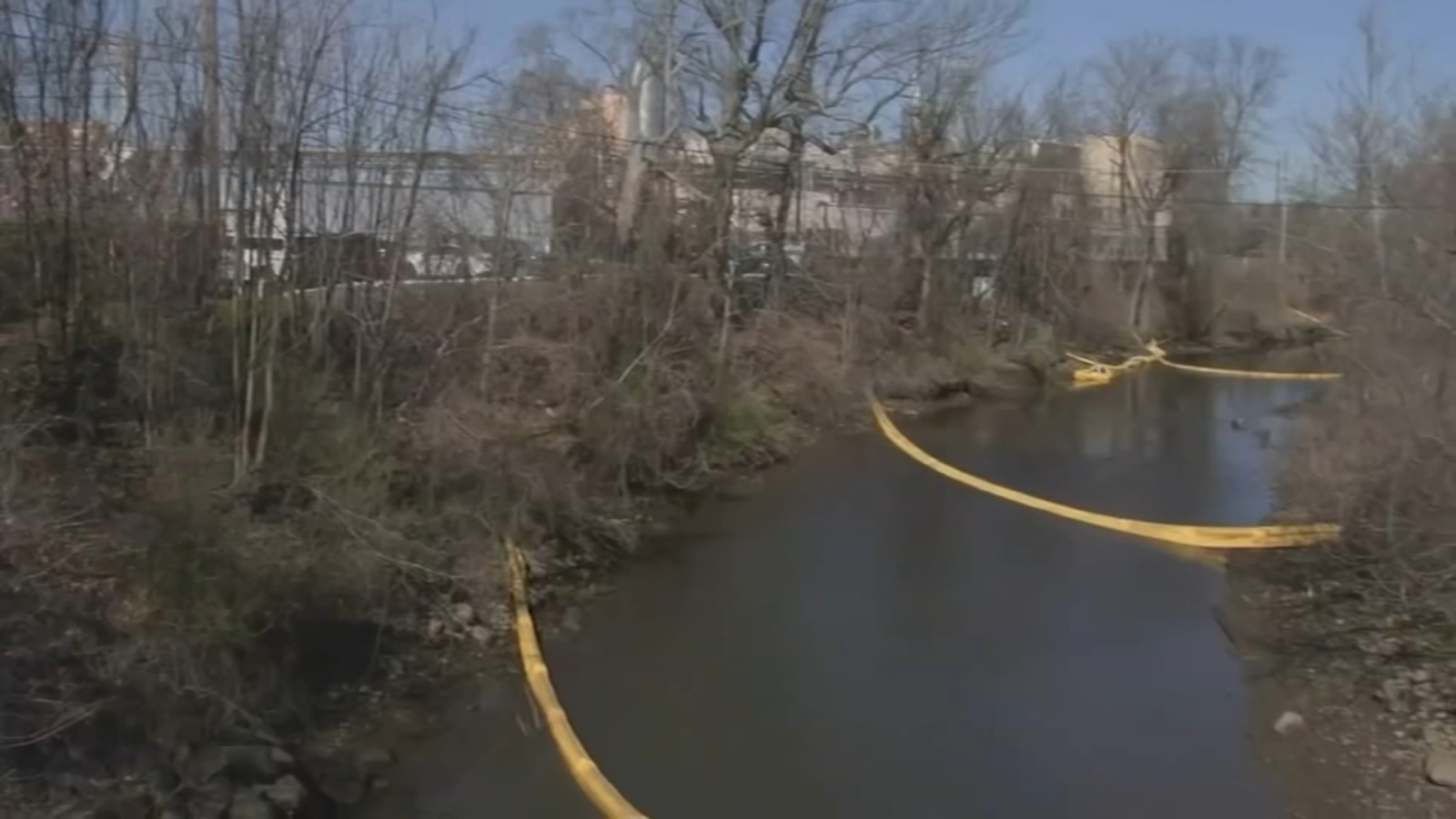
The city of Philadelphia has extended the deadline for residents to safely use tap water until at least 11:59 p.m. on Wednesday, March 29. The tap water is safe to drink, cook and shower with, according to officials. The city has been monitoring the water quality since a chemical spill of 8,100 and 12,000 gallons of a latex emulsion product made its way into Otter Creek in Bristol, Bucks County, and then into the Delaware River. No contaminants have been detected in the Delaware River water, and no residual plume or contamination of residual water is expected by Wednesday or Thursday.
Philadelphia officials have announced that the city's drinking water is safe through Wednesday night, despite a recent chemical spill at a water treatment plant. However, it has been revealed that the plant has had other mishaps in the past, raising concerns about the safety of the city's water supply.