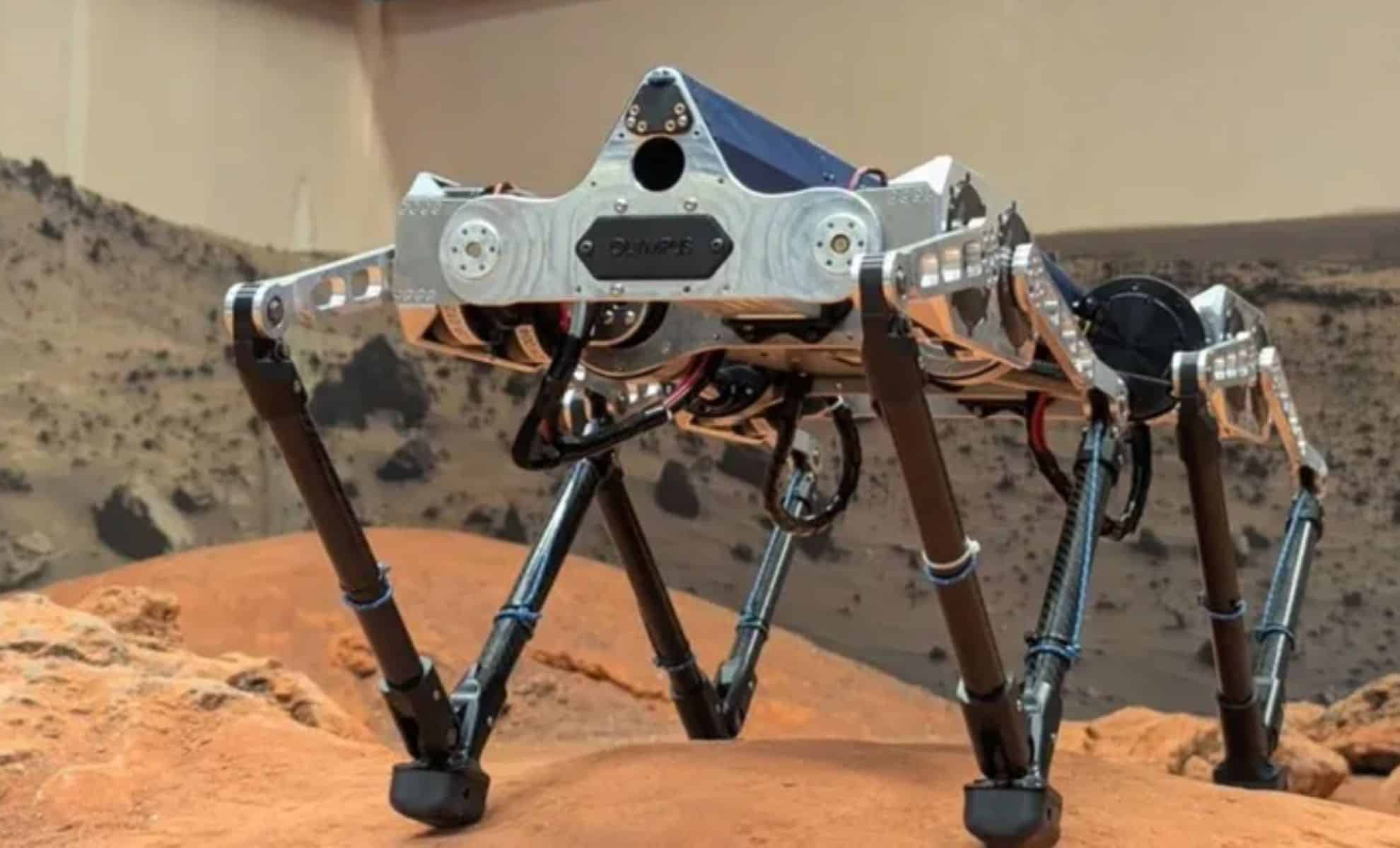
The European Space Agency is developing Olympus, a next-generation legged robot designed to navigate and explore the rugged terrain of Mars, utilizing advanced machine learning to adapt to unknown environments, potentially serving as a vital tool for future human missions and scientific discoveries on the Red Planet.
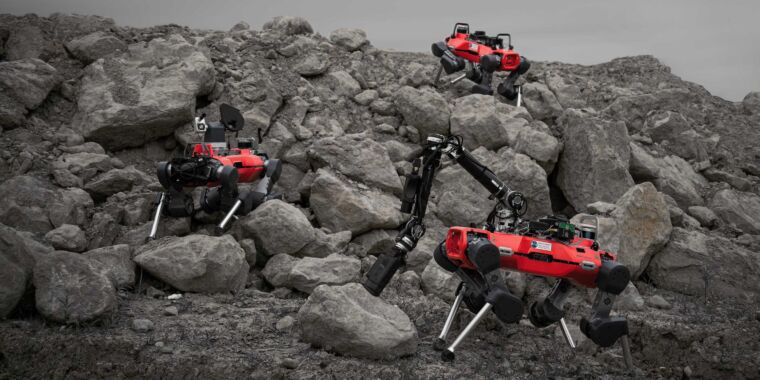
Researchers at ETH Zurich have developed a team of legged robots, called ANYmals, to assist future rovers in exploring harsh lunar and Martian terrains. These robots, capable of walking, can mitigate the risk of damage and loss of traction in unpredictable environments. Each robot is specialized for specific tasks but can also work together as a team, with redundant features allowing them to back each other up in case of failure. The robots have been successfully tested in simulated lunar and Martian terrains, demonstrating their potential for scientific exploration in hard-to-reach areas. The researchers aim to further enhance the robots' autonomy for more challenging missions, such as Mars exploration.