The Trump administration is rewriting disability eligibility rules, making it harder for older, physically demanding job workers, especially in red states like West Virginia, Arkansas, Kentucky, Mississippi, and Alabama, to qualify for Social Security disability benefits, potentially affecting hundreds of thousands of vulnerable workers.

A CNN analysis reveals that ICE employs different arrest tactics in red and blue states, with more arrests from prisons in Republican-leaning states and community arrests in Democratic-leaning states, reflecting the impact of local sanctuary policies and political divides on immigration enforcement strategies.
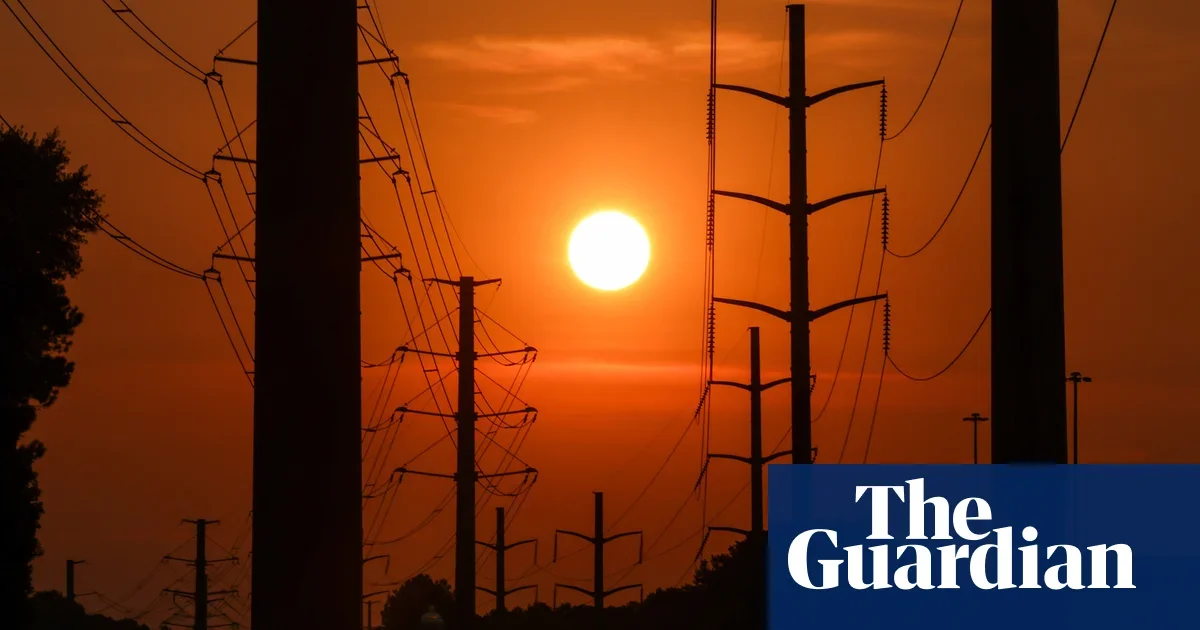
A recent Republican-led bill signed by Trump is expected to increase US household energy costs by up to 18% by 2035, disproportionately impacting red states that voted for Trump, due to cuts in renewable energy support and subsidies, which could worsen energy insecurity and health risks amid rising temperatures and demand for cooling.
The U.S. Supreme Court is set to consider whether to allow red states to ban hormone treatments for transgender teens, a decision that could significantly impact transgender rights and healthcare access across the country. This legal battle highlights the ongoing tension between state policies and federal protections for transgender individuals.
California Governor Gavin Newsom has launched a series of TV ads targeting conservative officials in red states, accusing them of restricting women's access to reproductive care by imposing travel restrictions for abortions. The first ad, airing in Tennessee, highlights a proposed law that would criminalize transporting minors for abortions out-of-state. Newsom's campaign aims to expand to more red states and includes a website for viewers to take action against such legislation. This move is part of Newsom's broader efforts to protect abortion access and reproductive rights, as he criticizes conservative states for their restrictive measures and emphasizes the importance of this issue in the political landscape.
Red states in the U.S. are experiencing population growth in 2023, as Americans are leaving blue states, according to new census data. Texas had the largest numeric population growth, followed by Florida. Other states in the top 10 for population growth include North Carolina, Georgia, South Carolina, Tennessee, Arizona, Virginia, Colorado, and Utah. California saw the highest population decrease, while Puerto Rico continued to experience a decline in population.
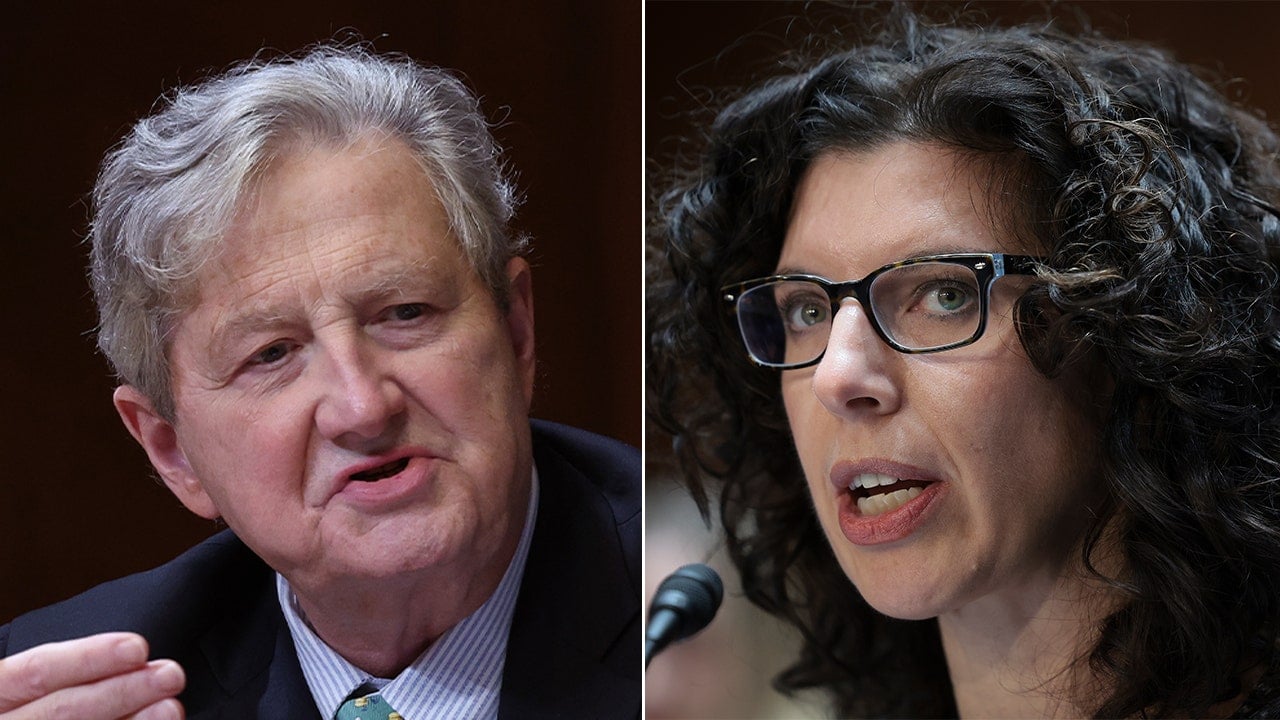
A Senate hearing on gun crime between Republican Senator John Kennedy and Dr. Megan Ranney of the Yale School of Public Health sparked controversy as Kennedy accused Ranney of cherry-picking data to falsely portray Republican-controlled areas as having higher crime rates. Ranney compared Chicago to three red states, claiming they had higher firearm death rates, but critics pointed out that Chicago's gun homicide rate is much higher than those states per 100,000 people. The exchange highlighted the debate over crime statistics at the local level and the influence of political bias in framing data.
Andy Beshear's recent win as governor of Kentucky is impressive, considering the state's Republican leanings and his ability to distance himself from the unpopular President Joe Biden. However, similar success stories in red states, like former Montana Governor Steve Bullock, have not translated into national prominence for the Democratic Party. The party's struggle to connect with rural and red state voters persists, despite the occasional interest in candidates who can bridge the divide. Additionally, Beshear's record may face scrutiny from the national party, particularly on issues like climate change and racial justice, which could overshadow his accomplishments.
In Republican-controlled states where marijuana is illegal, there has been a rise in the popularity of hemp products with psychoactive effects, such as Delta 8 and THC-A. These products, which mimic the intoxicating effects of marijuana, have become the red state alternative to getting high. The 2018 Farm Bill legalized hemp with less than 0.3% Delta 9 THC, leading to the development of Delta 8 and THC-A products. While the FDA has not evaluated Delta 8 and has issued warning letters to businesses, these products continue to be sold in states like Florida, Tennessee, Texas, Wisconsin, Alabama, and Nebraska. The legal status and regulation of these products vary across states, creating a "wild west" environment in the industry.
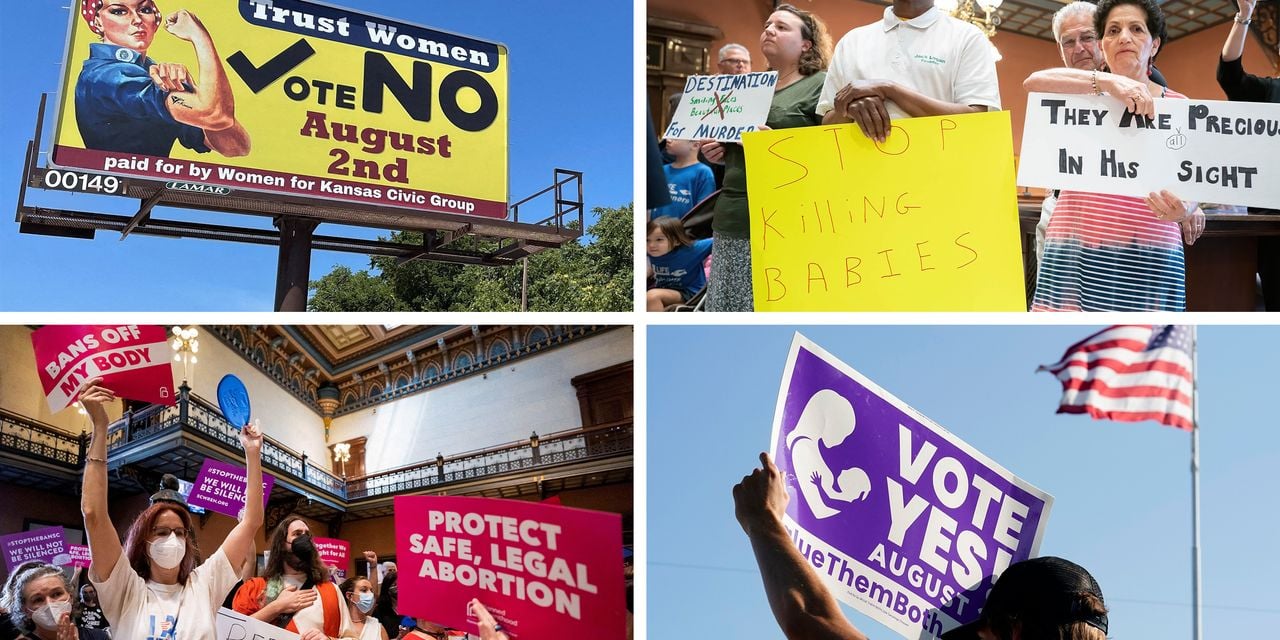
The overturning of Roe v. Wade has scrambled political dynamics and divided abortion opponents, with even red states showing support for some measure of abortion rights. Oklahoma has criminalized the procedure, fulfilling the once-improbable goal of Oklahomans for Life's president. Kansas was the first state to sound the alarm on the issue, with abortion-related proposals stirring debate in both Kansas and South Carolina.
President Joe Biden has nominated two new judges for the federal bench in Louisiana, both of whom are expected to clear the Senate's blue slip process. Biden has now nominated 170 people to federal judgeships, 64% of whom are people of color. The new judicial picks underscore the Biden White House’s continued focus on filling vacancies on the federal bench, where major policy matters are often settled.
California Governor Gavin Newsom's new PAC, seeded with $10 million of his leftover campaign money, aims to help Democrats win in red states and districts across the country. However, some red-state Democrats are skeptical of Newsom's strategy, which focuses on culture-war contrasts between Democratic and Republican states and may not resonate well outside of California. While the cash infusion could help Democrats in conservative states, some worry that Newsom's brand of political prodding may not be the messaging red-state Democrats are looking for.
A new study by WalletHub has found that Republican-led red states use taxpayers' money more effectively to provide superior government services than Democrat-led blue states. The study used 29 metrics to compare the quality and efficiency of state government services across five categories, taking into account the different rates at which residents are taxed in each state. Red states yield a better return on investment for taxpayers, ranking on average significantly higher than their blue state counterparts. The study seems to indicate that states with higher taxes don't necessarily provide superior government services.