The NCAA clarified that players who sign NBA contracts after playing professionally abroad or in the G League are ineligible for college basketball, prompting reactions from coaches and ongoing discussions about eligibility rules amid legal challenges and changing recruitment practices.
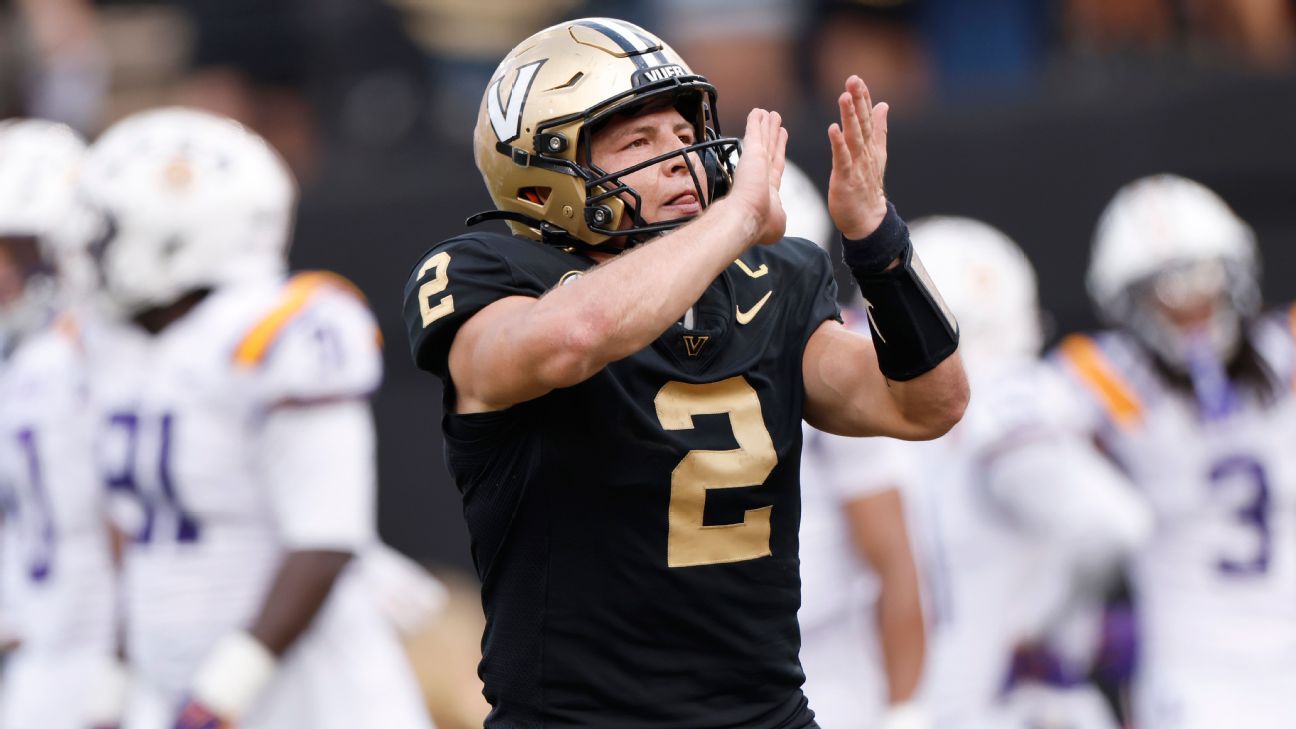
A lawyer for college football players, including Diego Pavia, is challenging NCAA eligibility rules by citing a case where an NBA draft pick was allowed to return to college basketball, arguing the rules are inconsistent and unfair. Pavia, who plans to enter the NFL draft, continues his lawsuit against the NCAA, which also involves other players and questions the counting of junior college seasons against eligibility. The case highlights ongoing disputes over NCAA eligibility policies and their fairness.
The Trump administration is rewriting disability eligibility rules, making it harder for older, physically demanding job workers, especially in red states like West Virginia, Arkansas, Kentucky, Mississippi, and Alabama, to qualify for Social Security disability benefits, potentially affecting hundreds of thousands of vulnerable workers.
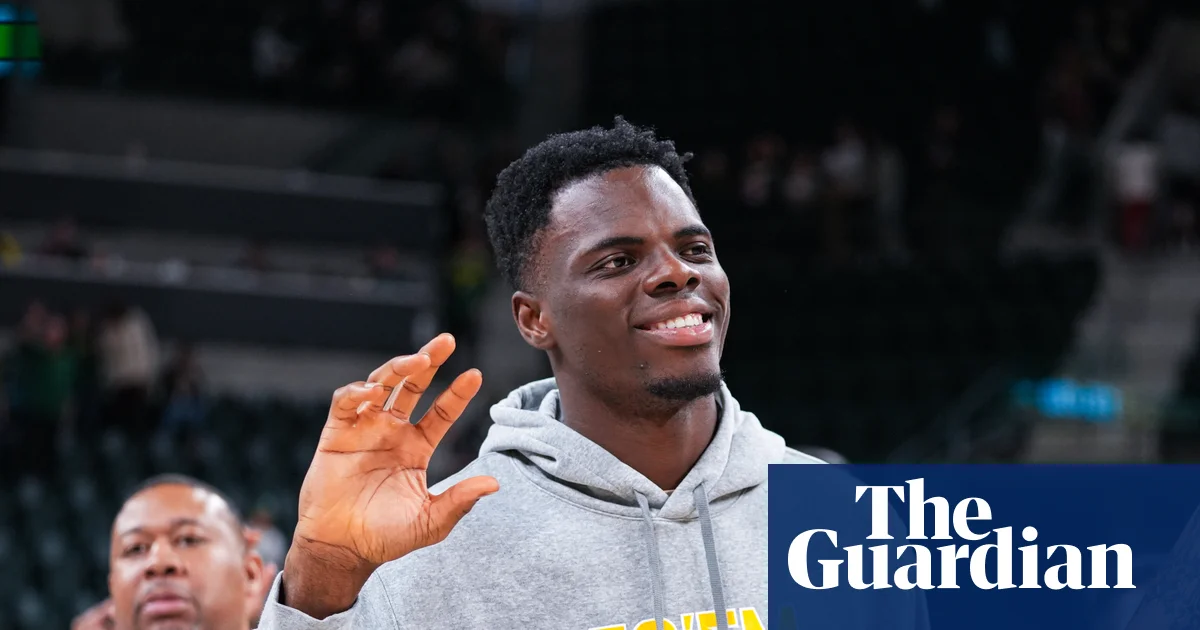
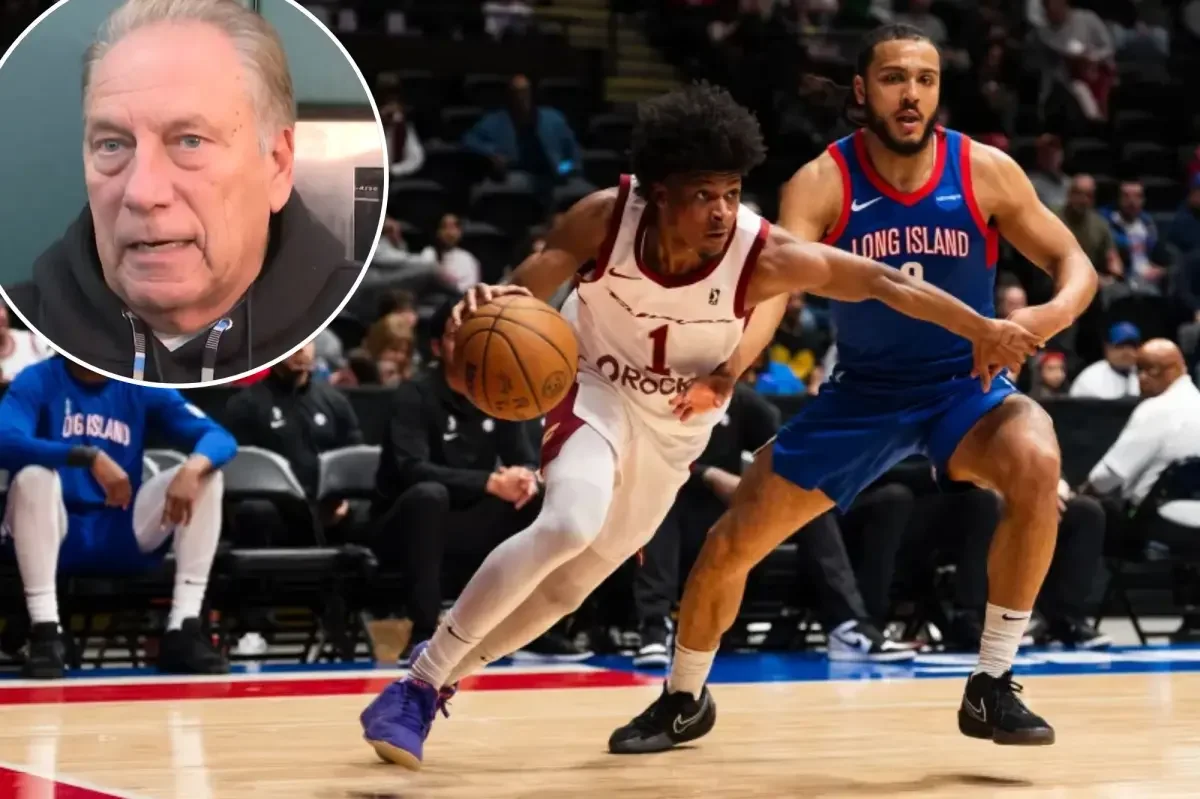
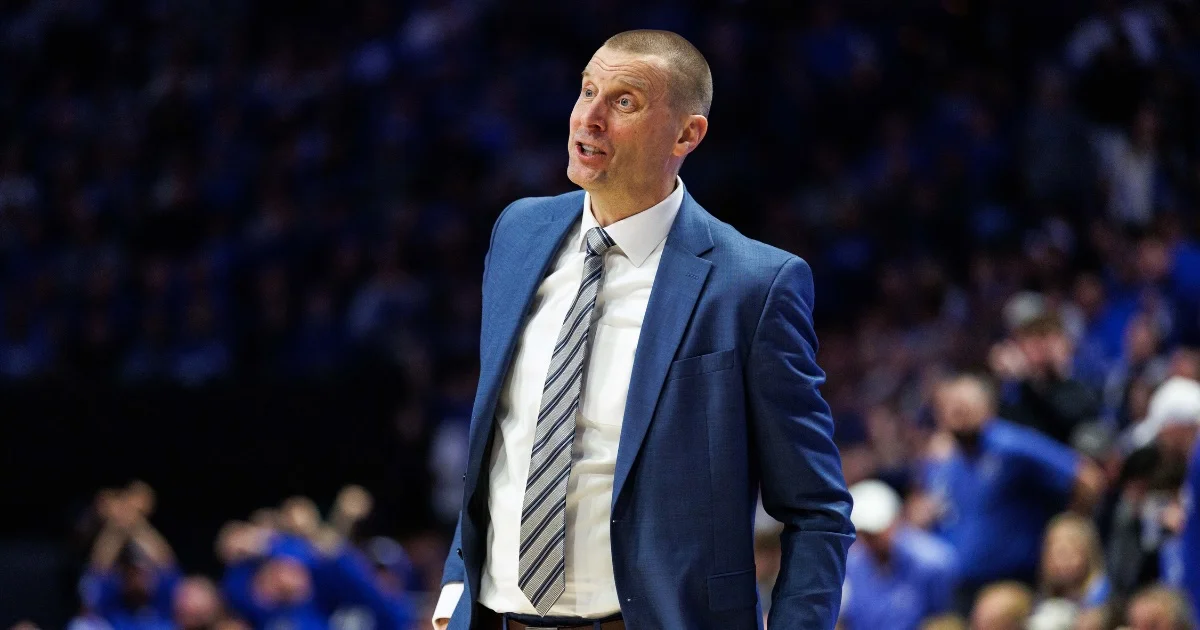
Michigan State coach Tom Izzo criticized the NCAA's decision to allow NBA G League player London Johnson, who is 21, to play college basketball in 2026-27, calling it 'ridiculous' and expressing concern over the erosion of traditional eligibility rules and the impact on high school seniors.
The Alabama High School Athletic Association faces a legal challenge from state officials over rules that restrict student-athletes who accept CHOOSE Act funds from immediately participating in sports, raising debates about fairness, law, and the influence of legislation on high school athletics.
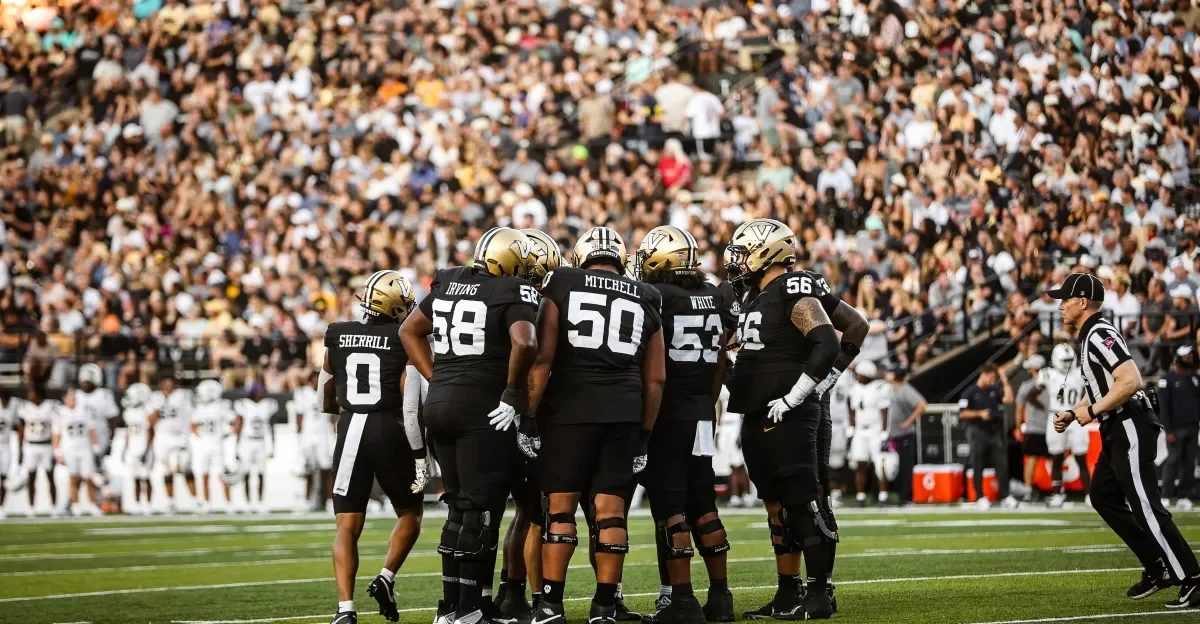
A lawsuit against the NCAA by Vanderbilt players aims to extend college eligibility beyond the current four seasons, which could reduce the number of players available in the NFL Draft. This change, driven by Covid-era eligibility extensions and NIL deals, impacts NFL teams like the Packers, who have successfully drafted undervalued players in later rounds, and may need to adapt to a potentially smaller pool of college prospects.
The article explains why some popular TV shows and stars will not be nominated for the 2025 Emmy Awards, citing reasons such as eligibility timing, shows ending, limited series status, and new rules for guest star nominations. It also highlights how the timing of show seasons and new episodes can influence nominations, with the awards ceremony scheduled for September 14, 2024.
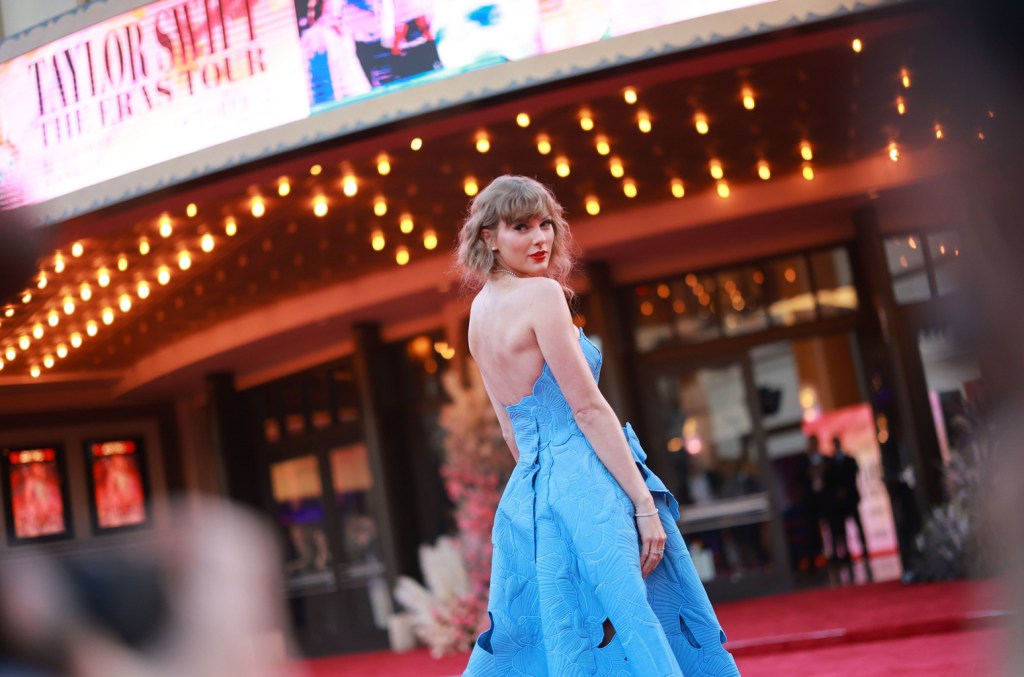
Taylor Swift's concert film, "The Eras Tour," has become the top-grossing concert film of all time. Despite initial confusion over its eligibility, it has been nominated for the Globes' new cinematic and box-office achievement award. While the film does not qualify for other categories, such as best motion picture - musical or comedy, it meets the requirements for the separate award. Half of the inaugural nominees for this award are also nominated in other categories, while the other half, including Swift's film, did not receive enough voter support. The Globes have shown their support for Swift in the past, with three previous nominations for her original songs.
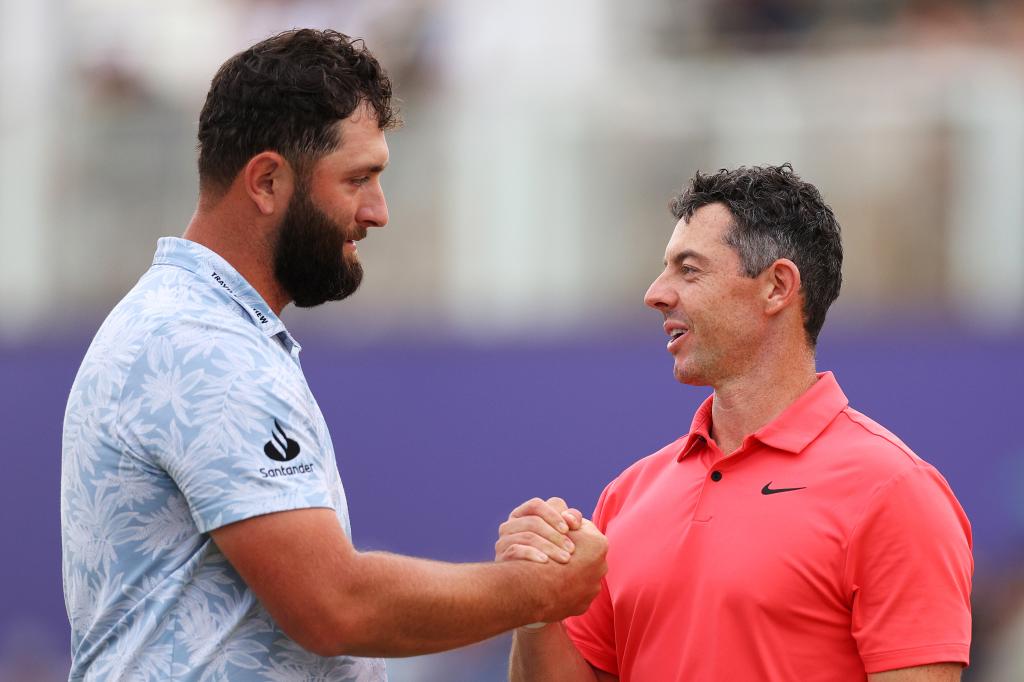
Rory McIlroy believes that the Ryder Cup eligibility rules will need to be rewritten to ensure that Jon Rahm can compete in the 2025 tournament after his move to LIV Golf. McIlroy, a vocal critic of LIV Golf, expressed his desire to have Rahm on the European team and praised his talent and character. The departure of Rahm and other LIV Golf members from the PGA Tour has raised questions about their eligibility for future Ryder Cups. The PGA Tour and LIV Golf have until December 31 to complete negotiations on their framework agreement.
The Recording Academy has updated its rules for the 66th annual Grammy Awards, stating that purely algorithmically generated music cannot win a Grammy. Works that incorporate elements of "AI-generated material" are eligible if they meet two key criteria: the human-authored components of the work must be meaningful and relevant to the category in which the work is entered. The individuals or teams who programmed or operated the AI to generate that material cannot be considered for a Grammy award based on that contribution. The new rules serve as a notable statement about the importance of human creativity in the music industry.