A transition to cooler fall weather is occurring across the Midwest and East with record low temperatures expected, while a persistent heat wave continues in the Pacific Northwest with near 100°F temperatures, posing health risks due to lack of nighttime cooling.
The Colorado Rockies are experiencing a historic losing streak, with a 9-50 record through 59 games, making them the third-fastest team to reach 50 losses in MLB history, and they have been swept 10 times in 20 series, tying records for most sweeps. Despite a brief lead in their latest game, they lost to the Mets, continuing their struggles this season.
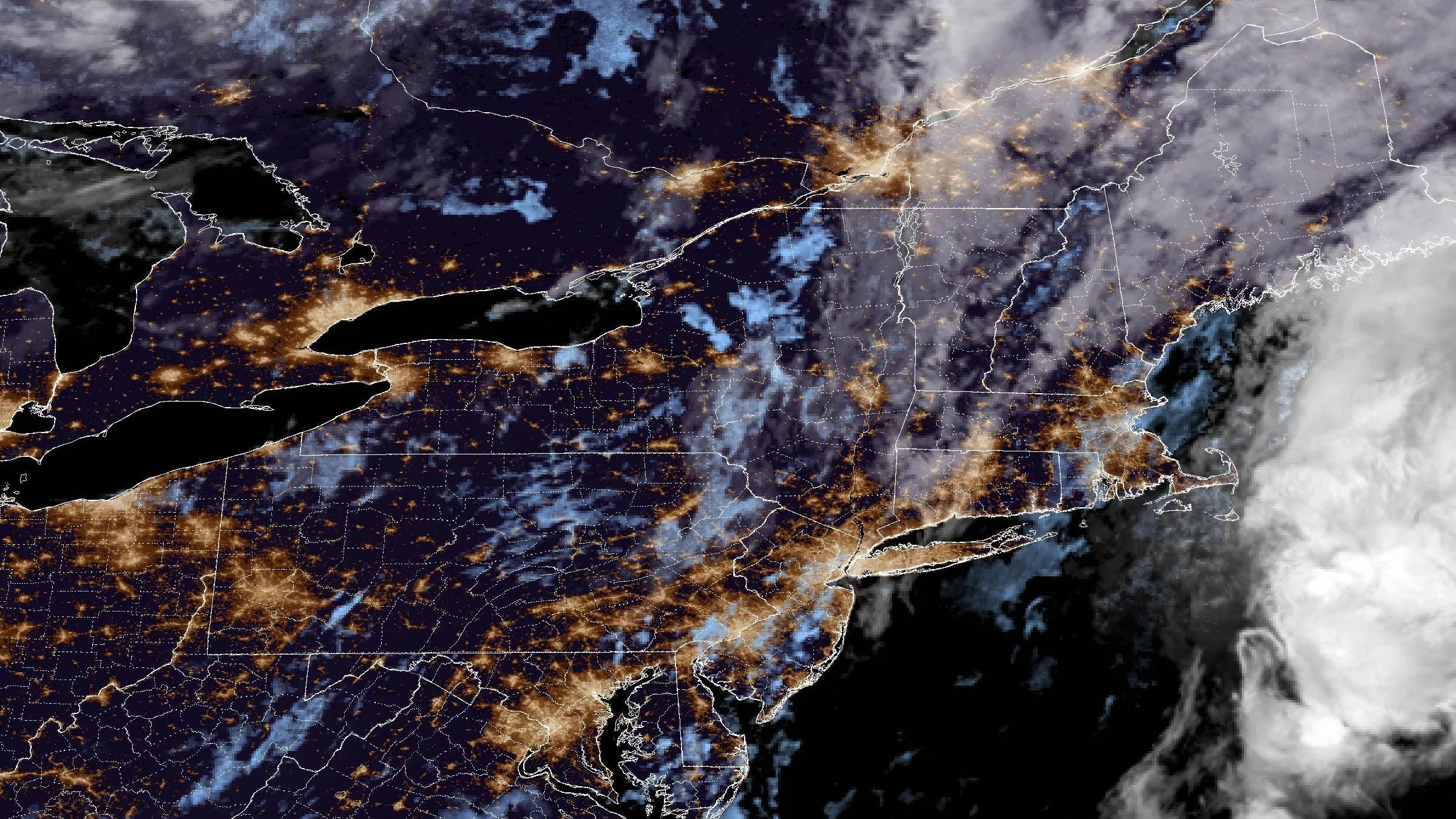
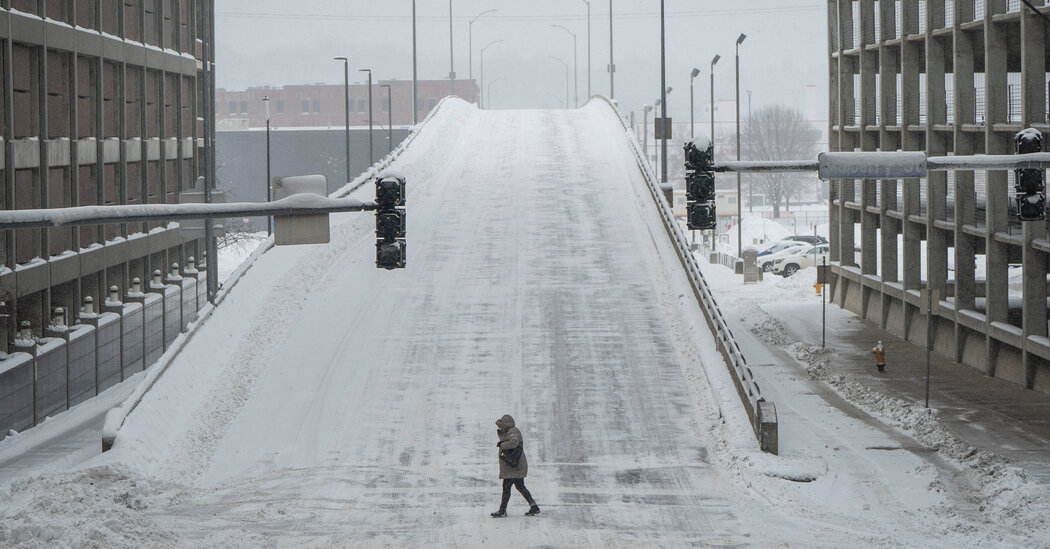
An Arctic air mass from Canada will bring freezing temperatures to the central and southern United States through the weekend, with some areas experiencing record lows. Temperatures in the Northern Plains may remain below zero, and wind chill could make it feel even colder. The cold air is expected to reach the Gulf Coast, potentially bringing snow or ice to the South and Mid Atlantic early next week.
Game 2 of the World Series between the Diamondbacks and Rangers hit record lows in ratings and viewership, averaging a 4.0 rating and 8.15 million viewers. This marks the lowest rated and least-watched World Series game on record. Despite the decline, Game 2 was still the top sporting event of the day, but it saw significant drops in key demographics compared to last year's Game 2.
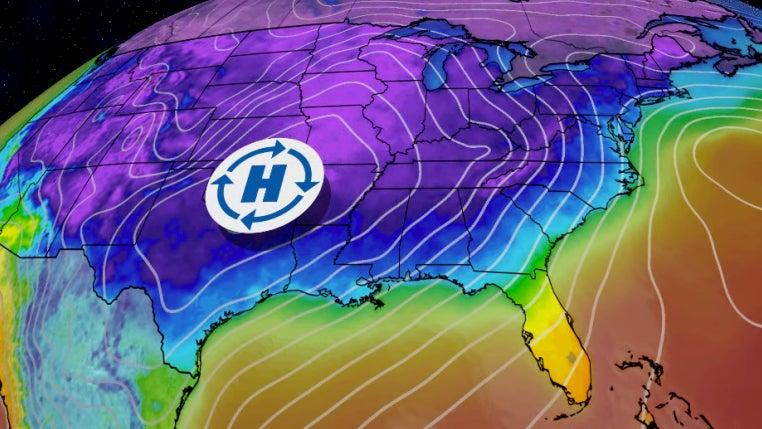
A widespread cold snap is moving across the Lower 48, bringing the coldest air of the season so far. Many areas could experience their first frost or freeze, and several cities may break daily record lows, particularly on Wednesday and Thursday. The cold air is originating from a strong high-pressure system stretching from western Canada to the Plains, and it has already reached as far south as Texas and as far east as the Great Lakes. Frost and freeze alerts have been issued for parts of the Southwest, Midwest, Southeast, and interior Northeast, with more alerts expected. Over four dozen locations could be within a few degrees of daily record lows.
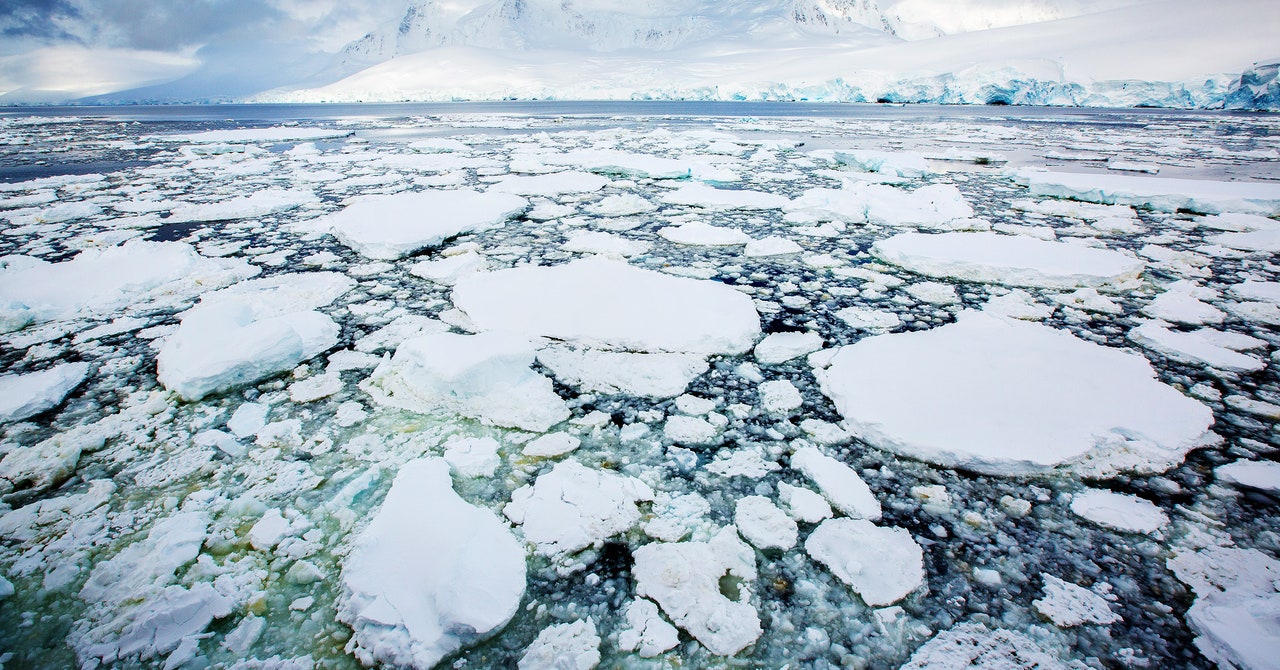
Antarctic sea ice has hit record lows, with levels falling below average every day so far in 2023. The current extent is about 1.8 million square kilometers below the average for this time of year, and scientists are concerned about an enduring pattern. Losing sea ice won't add to sea levels, but it plays a critical role in protecting Antarctica's colossal ice shelves from deteriorating. The loss of sea ice will also affect the efficiency with which the oceans distribute energy, ultimately affecting the global climate. It's unclear whether this year's record low is due to natural variability or climate change.