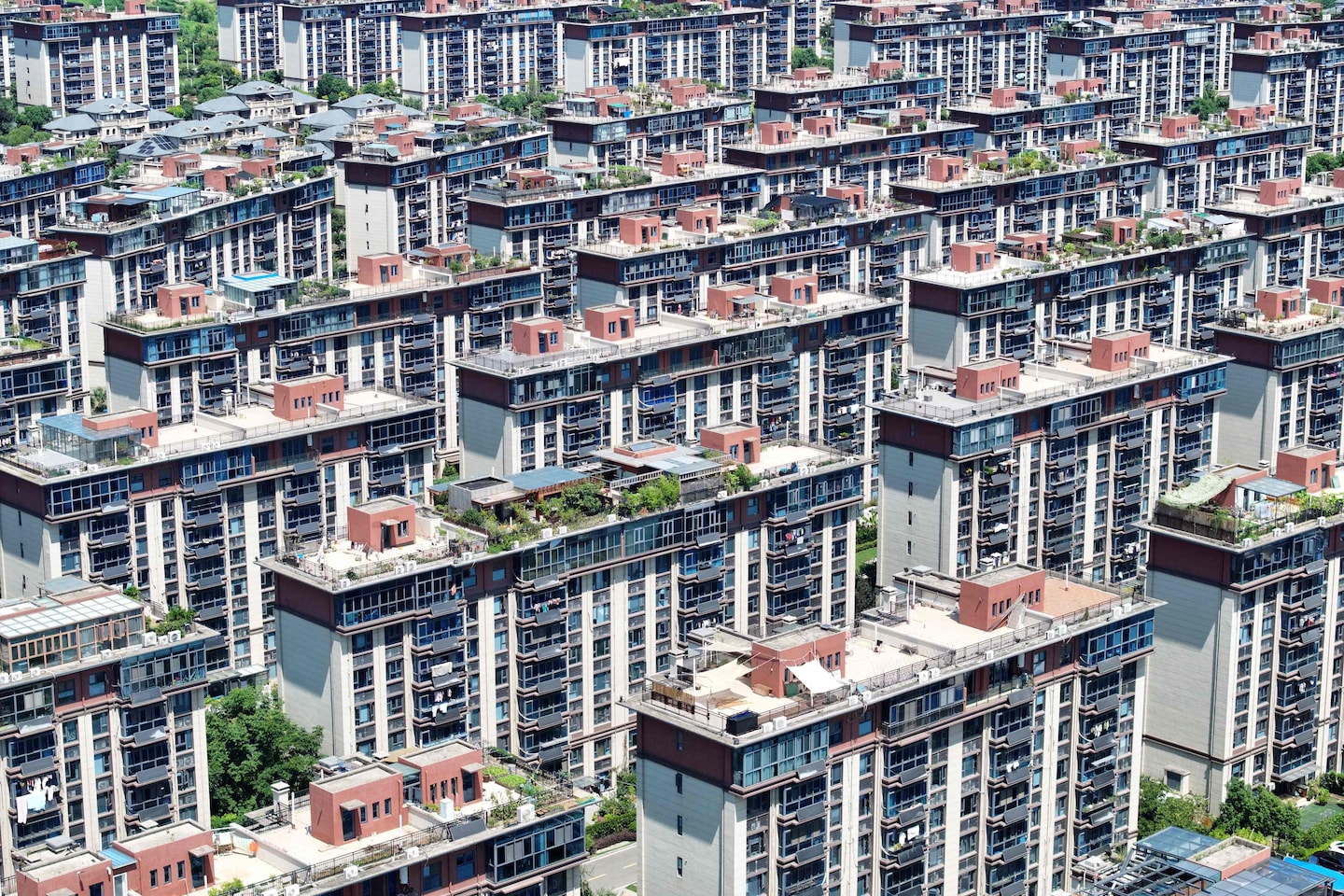
Evergrande, once China's largest property developer, has been delisted from Hong Kong's stock exchange, marking the end of an era for China's real estate boom. The company's collapse highlights the sector's debt-driven nature, with liabilities exceeding $300 billion and assets difficult to recover, reflecting ongoing financial stress in China's property market.
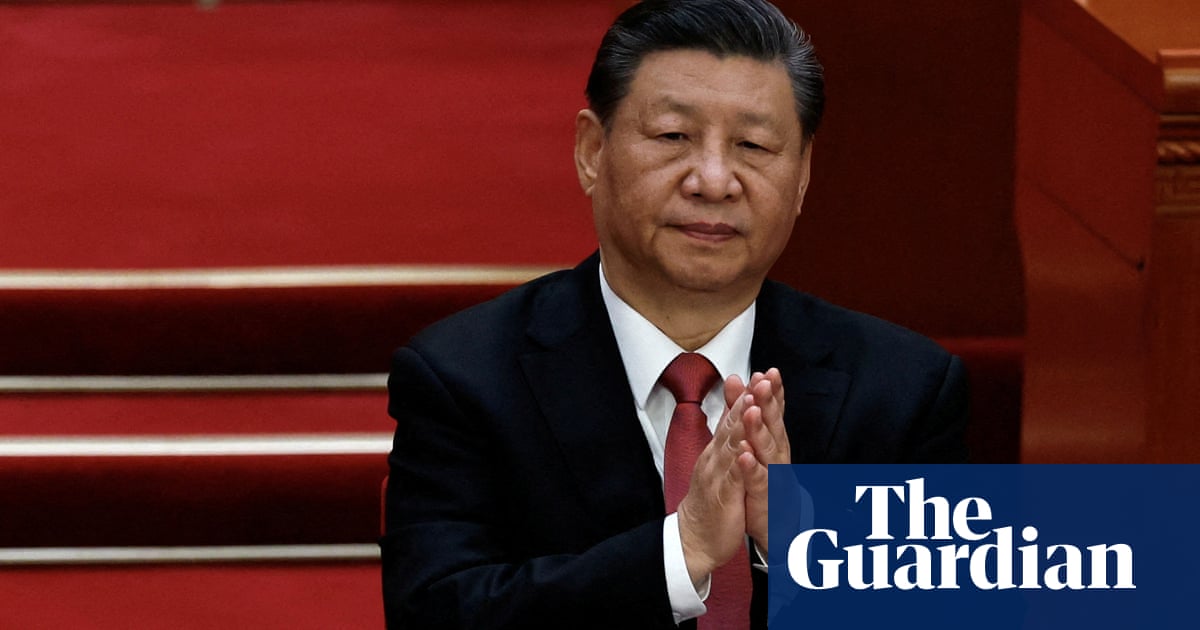
Top Chinese officials, led by President Xi Jinping, will meet in Beijing for the third plenum to address economic challenges such as a real estate debt crisis, weakening consumption, and an ageing population. The meeting, historically known for unveiling significant economic policy changes, is expected to focus on long-term structural reforms rather than short-term adjustments. Analysts hope for decisive actions to support the economy, but expectations are tempered by state media's indications of modest policy tweaks.
Boston is on the verge of becoming the next US city where the average family home costs $1 million, driven by soaring construction costs, high demand, and limited supply. The median sale price for a single-family home in Greater Boston recently hit $950,000, and experts predict it could reach $1 million this year. Rising interest rates and a lack of new inventory are exacerbating the situation, making homeownership increasingly unattainable for many.
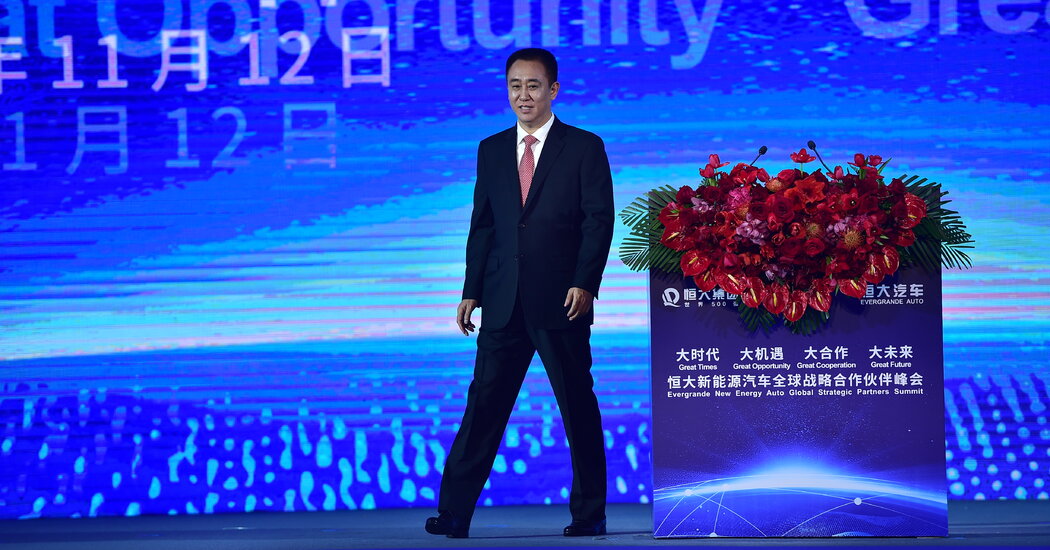
China Evergrande Group's founder, Hui Ka Yan, has been accused by the China Securities Regulatory Commission of exaggerating the company's revenue by over $78 billion and committing securities fraud before its collapse in 2021. Hui was fined $6.5 million and banned from China's financial markets for life, while the company's main onshore unit, Hengda, was fined $580 million. This revelation further tarnishes Evergrande's reputation, as it had already defaulted on its massive debt, leading to the largest wave of property defaults in modern history in China.
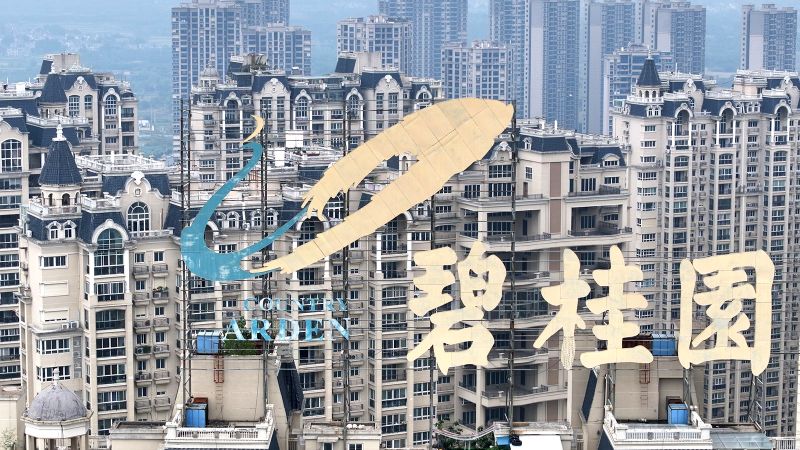
Chinese property developer Country Garden, which defaulted on its debt last year, is now facing a liquidation petition from a creditor after failing to repay a loan. This comes amid a real estate crisis in China, with the collapse of rival firm Evergrande adding to concerns. Country Garden has stated it will vigorously oppose the petition, and a court hearing has been set for May 17. The ongoing real estate downturn in China has led to numerous major developers defaulting on their debt, prompting the central bank to take measures to address the crisis.
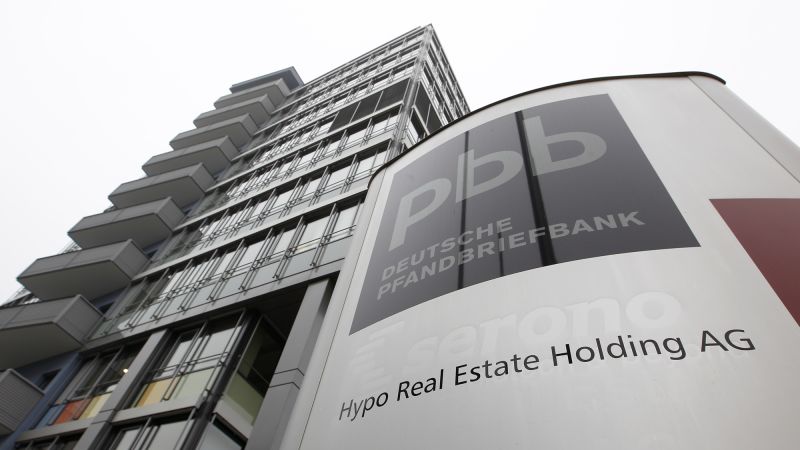
Banks like NY Community Bancorp (NYCB), PBB, and Aareal are feeling the impact of the real estate crisis, with NYCB being downgraded to junk status by Moody's and bonds of PBB and Aareal plummeting due to their exposure to US commercial real estate. The aftermath of the collapse of Credit Suisse in March 2023 is indicating a longer-lasting banking crisis, following the downfall of other banks such as Silicon Valley Bank and Signature Bank in the US.
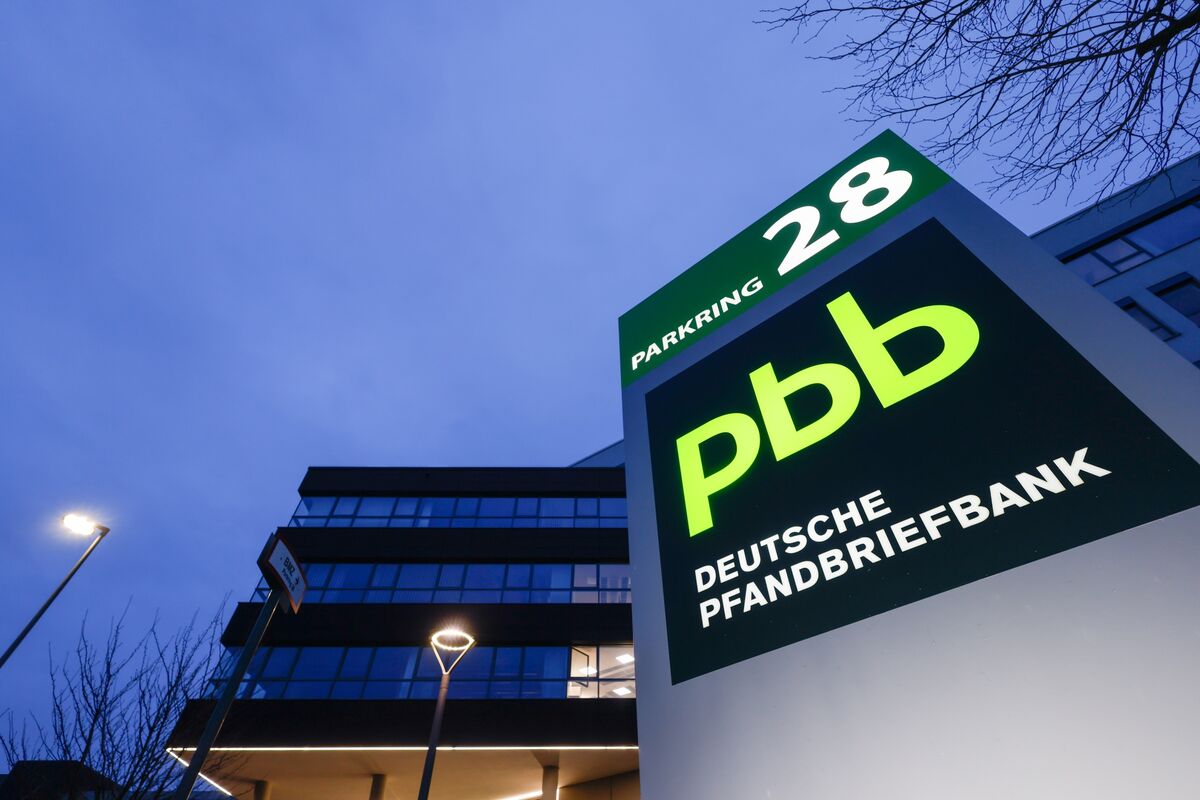
Deutsche Pfandbriefbank, a German lender focused on real estate, has increased its provisions for losses on loans in anticipation of the worst decline in commercial property values in 15 years, setting aside as much as €215 million for the year due to the persistent weakness of real estate markets. This comes amid concerns about mounting losses on lending to the troubled commercial property sector, with banks in various countries reporting significant losses and setting aside large amounts to absorb potential defaults on commercial real estate loans.
China plans to merge three state-owned bad debt asset managers with its sovereign wealth fund, China Investment Corp, as part of market reform efforts to strengthen capital markets and improve confidence. This move comes amid a stock market rout and financial risks stemming from a real estate debt crisis, prompting Beijing to take actions such as suspending the lending of restricted shares and implementing policies to ease the cash crunch for Chinese developers. The real estate troubles are impacting consumer and broader economic growth in the world's second-largest economy.
China's recent Central Economic Work Conference suggests a hint of remorse over its overzealous crackdown on private enterprise and implementation of growth-negative policies. The conference's official readout emphasizes the need to prioritize economic development and establish new plans before addressing existing issues. This marks a shift in approach and indicates a more cautious stance on implementing new policies that could destabilize markets. However, China remains committed to its economic objectives of higher quality growth, increased security, and innovation. Market watchers are disappointed by the lack of announced stimulus to boost consumption, and while some predict a potential economic acceleration in the first quarter of 2024, others believe it may be insufficient.
China's top leaders have pledged to boost domestic demand, prioritize strategic sectors, and address the country's real estate crisis in an effort to achieve economic stability and recovery in 2024. The leaders acknowledged the challenges of insufficient demand, overcapacity in certain industries, weak social expectations, and hidden risks. They emphasized the importance of high-quality development, outlining a nine-point plan that includes technological innovation, boosting domestic consumption, attracting high-level foreign investment, and revitalizing agriculture. The leaders also addressed issues such as declining fertility rates, unemployment, and the resilience of domestic supply chains. They pledged to support private enterprises, foster innovation in science and technology, and implement proactive fiscal policies and prudent monetary action.
China's real estate industry is experiencing a slow-motion collapse, with major developers burdened by debt and "ghost cities" scattered across the country. The International Monetary Fund has cited China's real estate crisis as a significant factor in its recent cut to global growth forecasts for 2024. The country's economic recovery post-pandemic has been lackluster, with high youth unemployment and lowered GDP forecasts. Beijing is implementing policy measures to alleviate the sector's pressure, but the spillover effects on the global economy could persist for years, impacting heavy industry and commodity markets worldwide.
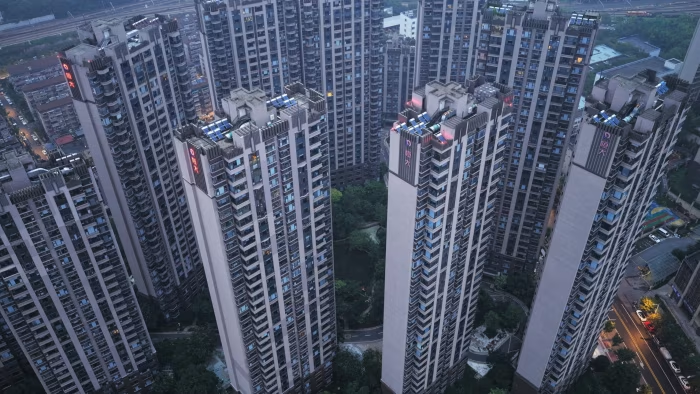
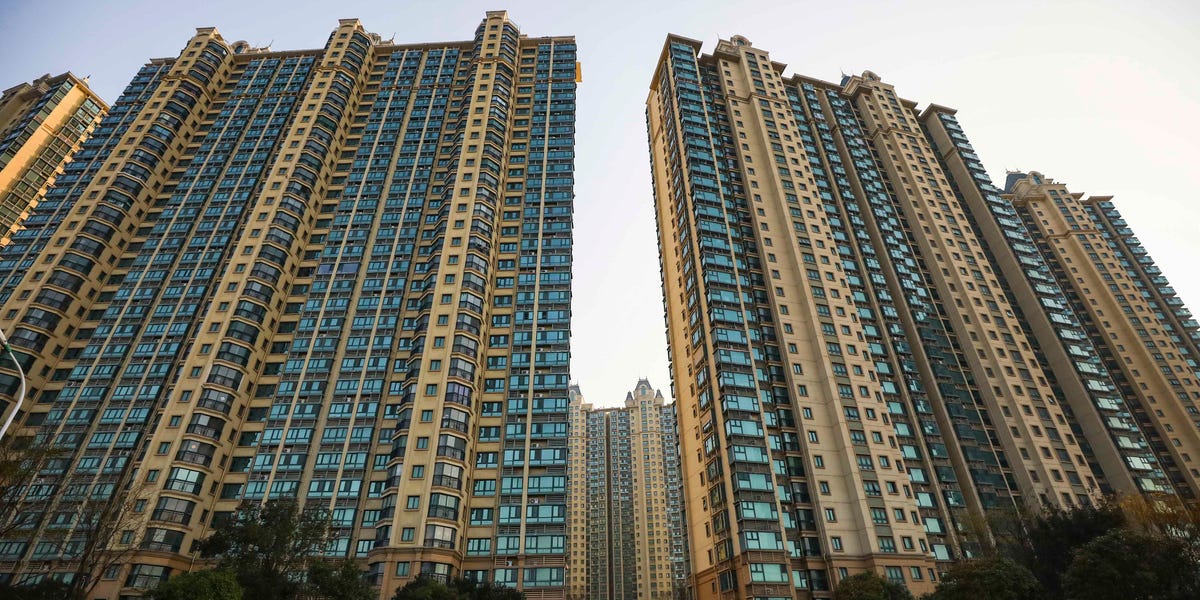
A former Chinese official has stated that China's population of 1.4 billion would not be enough to fill the country's empty homes, highlighting the ongoing real estate crisis in China. With at least 65 million vacant properties in the country, China has relied on real estate development as a means of economic growth, resulting in an excess supply of empty houses and ghost cities. The overdevelopment has led to stalled or abandoned projects, such as the abandoned development in Shenyang, where farmers now roam freely around empty mansions. Efforts to revive ghost towns, like Ordos, have had limited success, with concerns of creating new ghost towns if new development resumes.
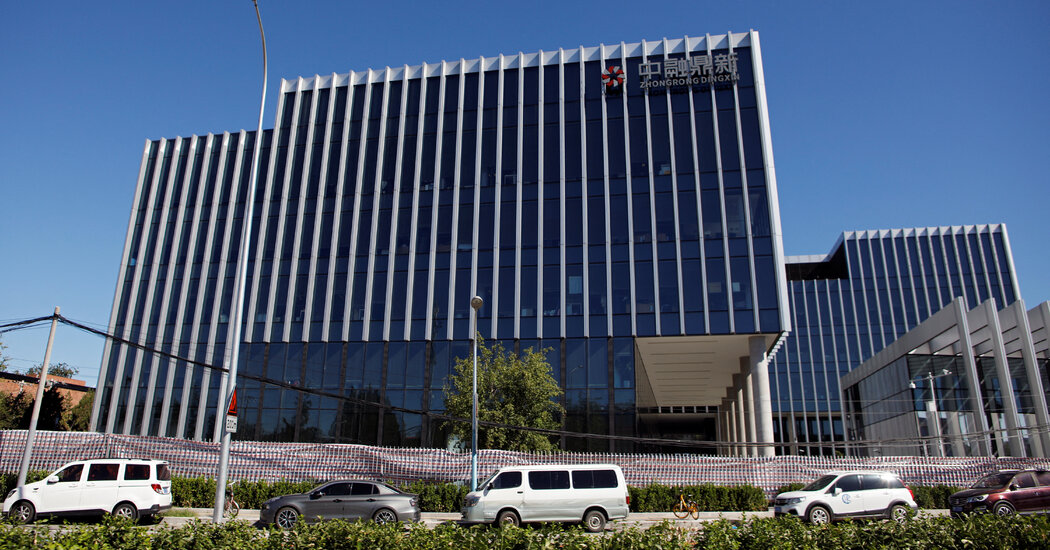
China's property crisis is causing alarm as one of the country's largest shadow banks, Zhongzhi Enterprise Group, and its trust banking arm, Zhongrong, have missed payments to investors, raising concerns of a potential collapse. These shadow banks, which offer lending and investment services without the same regulations as conventional banks, have played a significant role in China's construction boom by extending credit to property developers. The situation highlights the risks associated with high-yield investments and the moral hazard created by the government's history of bailing out indebted financial firms. Beijing faces a dilemma of whether to intervene and risk undermining the message that risky behavior has consequences or let the fallout impact social stability.
China's largest property developer, Country Garden, has reported a loss of nearly $7 billion for the first half of the year, putting the company at risk of default. The real estate crisis in China, exacerbated by post-pandemic uncertainty and a government crackdown on the sector, has weakened sales and affected broader confidence in the economy. Country Garden's default would pose a significant risk to China's fragile economy and undermine the government's target of 5 percent economic growth this year. The collapse of the company could have ripple effects on new construction, building materials, consumer spending, and banking, but the risk of global contagion is relatively low.
China's largest homebuilder, Country Garden, plans to raise $34 million by issuing new shares in an attempt to address its mounting debt and navigate the deepening property crisis in China. The company, which is on the verge of default after missing two interest payments, will sell the shares at a 15% discount to Tuesday's closing price. The proceeds will go to a subsidiary of Kingboard Holdings, a materials and chemicals manufacturer, to which Country Garden owes millions of dollars. The move comes as several Chinese property developers, including some major players, have faced defaults due to excessive borrowing and a downturn in sales.