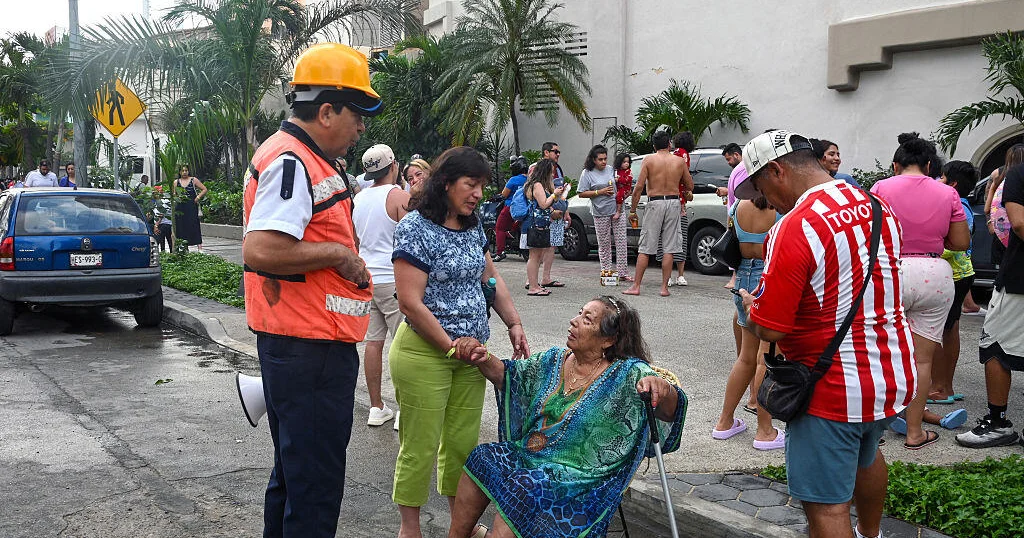
A 6.5 magnitude earthquake struck southern and central Mexico, particularly near Acapulco and Mexico City, causing at least two deaths, injuries, and some landslides, but no major damage was reported.
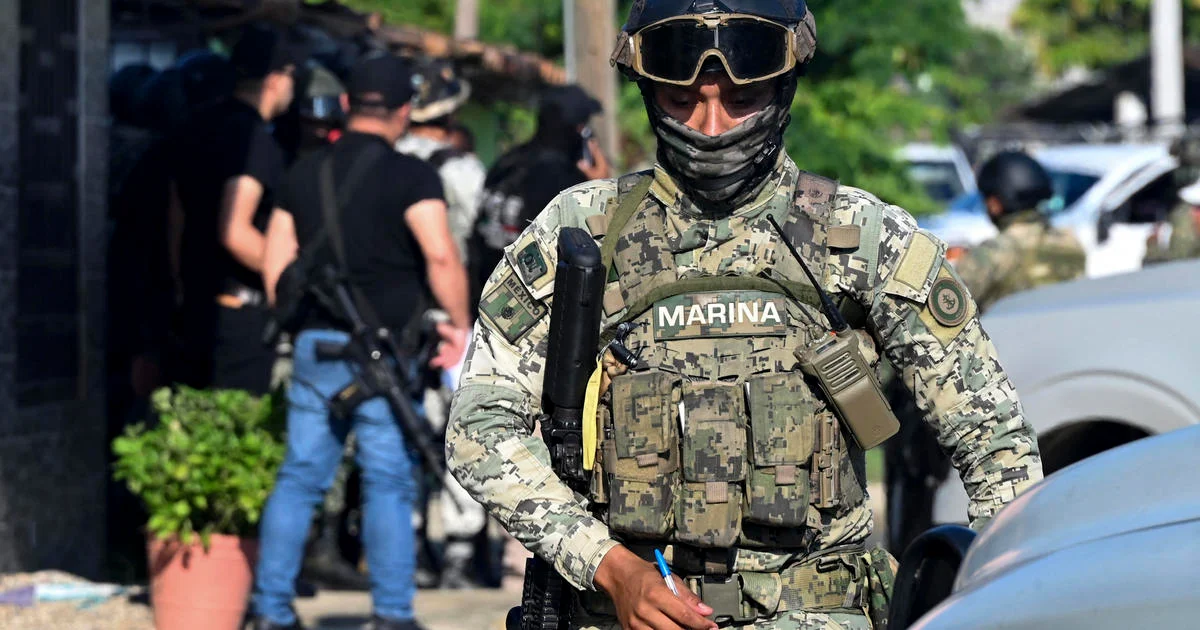
A senior Mexican judge, Edmundo Román Pinzón, was shot dead outside a courthouse in Acapulco, Guerrero, amid a surge in violence against officials in the region. The judge, who presided over cases involving serious crimes, was killed by gunmen as he left the courthouse. Authorities are investigating the murder, but no arrests have been made yet. This incident is part of a broader pattern of violence in Guerrero, where rival gangs are fighting for control, affecting even tourist areas like Acapulco.
A judge, Edmundo Roman Pinzon, was shot dead in his car outside a courthouse in Acapulco, Mexico, amid ongoing cartel violence in the region. This incident is part of a broader pattern of violence in Guerrero state, which has seen numerous attacks linked to organized crime, including the recent murder of a federal congressman and the discovery of dismembered bodies. Despite the escalating violence, President Claudia Sheinbaum has maintained a strategy focused on social policy rather than a renewed "war on drugs."
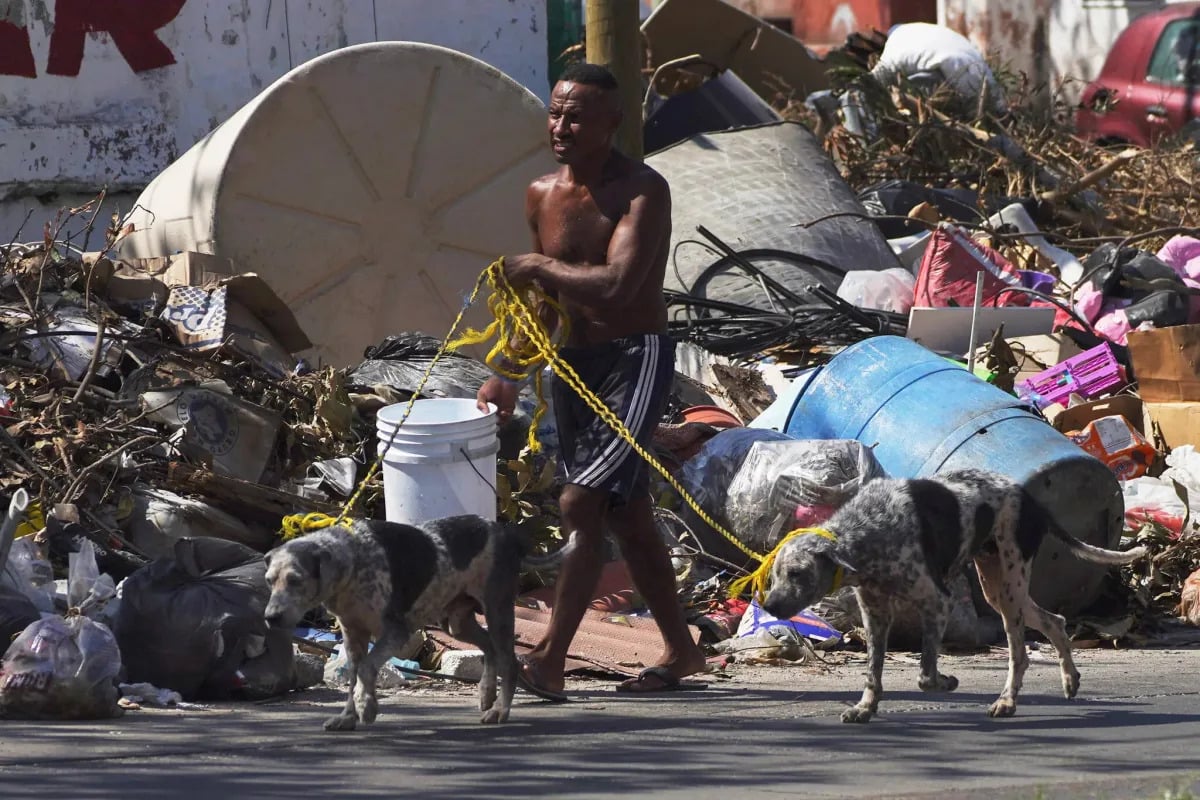
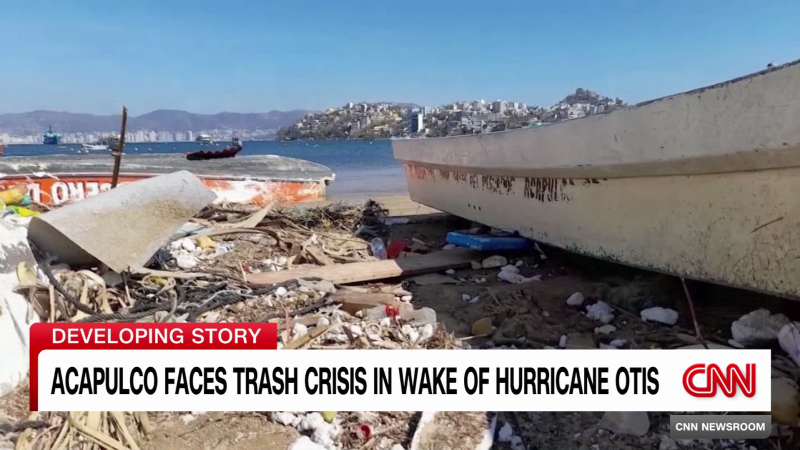
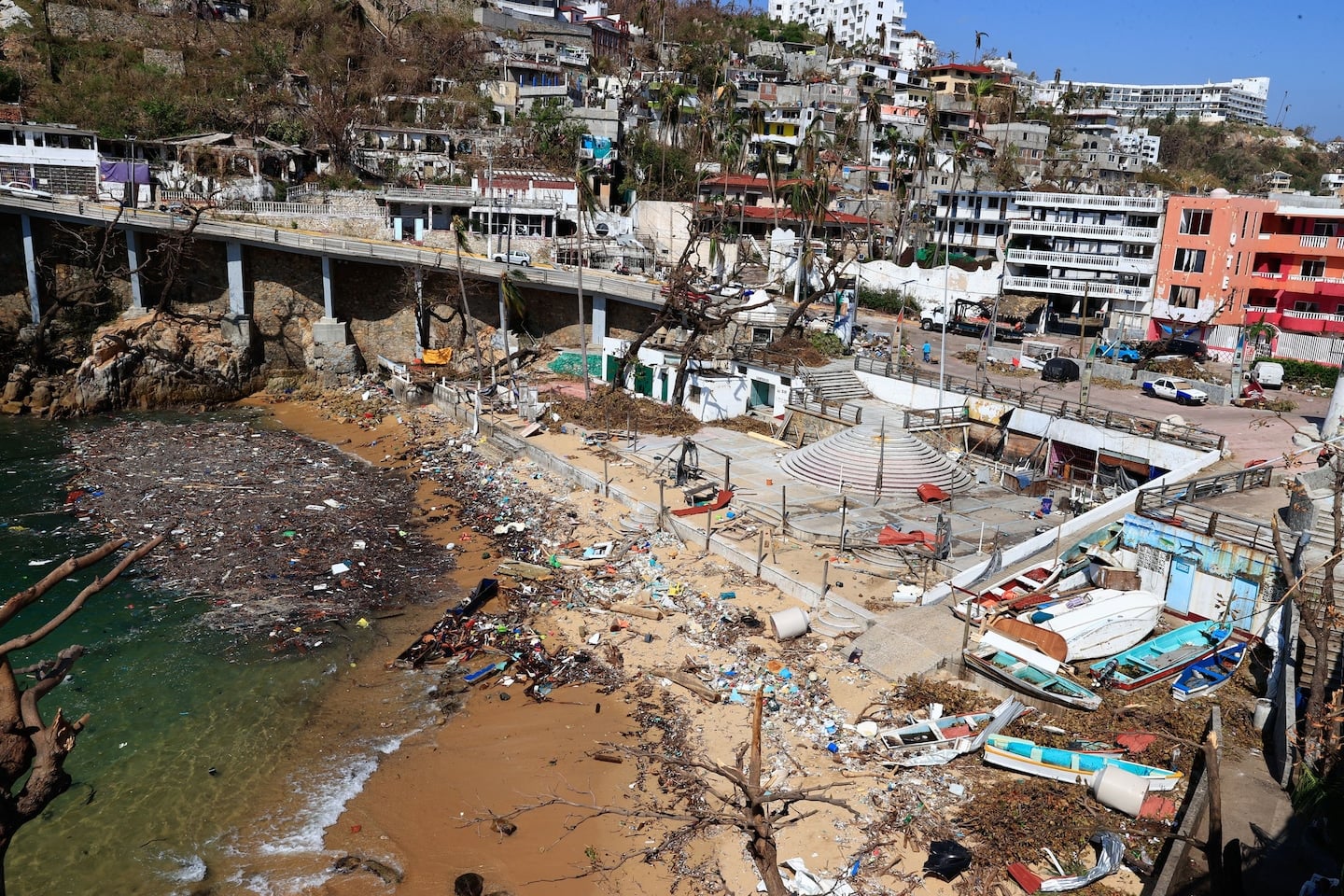
Acapulco, Mexico, is facing a public health disaster as the city struggles to clear mountains of trash left in the aftermath of Hurricane Otis. The uncollected garbage is believed to be linked to stomach infections, diarrhea, and skin rashes. Local business groups have called for a sanitary emergency declaration due to the accumulation of garbage, lack of potable water, and the presence of insects and harmful fauna. The city's mayor estimates that 666,000 tons of garbage are piled across Acapulco, far exceeding the normal daily collection rate of 700 to 800 tons. The situation could soon become a health crisis, and authorities are urging the prioritization of trash clearance.
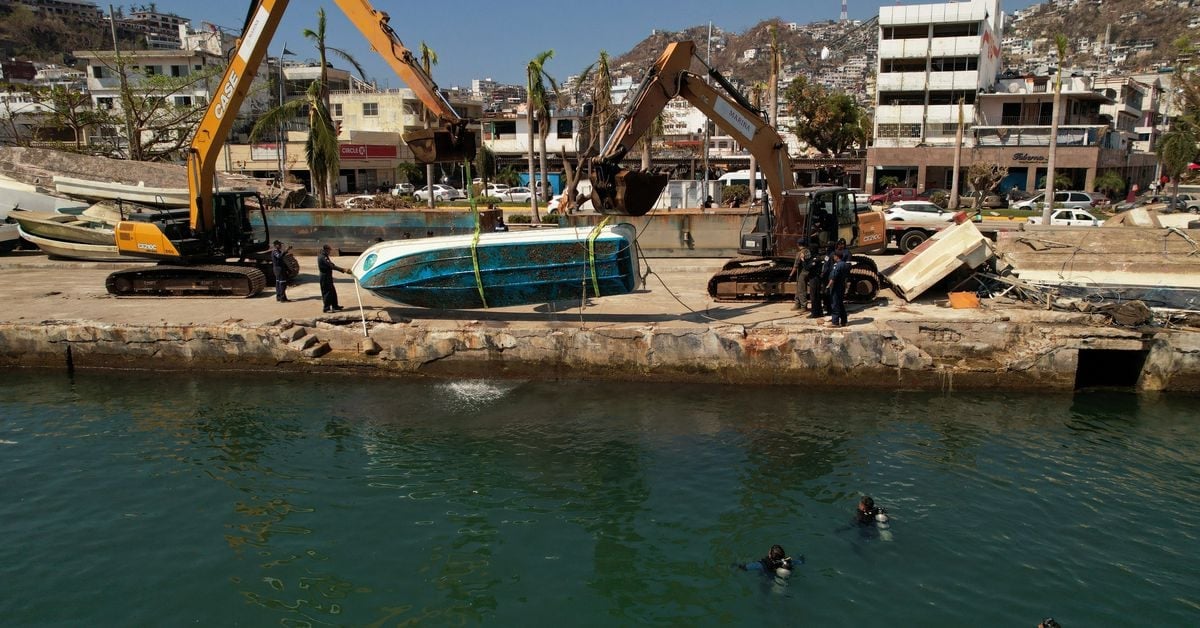
Families of Mexican sailors missing since Hurricane Otis devastated Acapulco are frustrated by the lack of progress and government assistance in the search for their loved ones. While officials report 28 people unaccounted for, families believe the number is higher. Many sailors jumped on their moored boats to seek safety, but were caught off guard by the storm's intensity, resulting in the destruction of hundreds of boats. Mexican business groups estimate the economic damage to the city at $16 billion, while insurance companies expect to pay around $662 million in claims.
Acapulco is facing a trash crisis in the aftermath of Hurricane Otis, with garbage piling up in the popular tourist destination. Mexico is now dealing with the enormous task of cleanup.
Residents of Acapulco, Mexico, are facing a new problem in the aftermath of Hurricane Otis: a growing garbage pile-up in the streets. The storm, which was the most powerful on record to hit Mexico's Pacific coast, caused major flooding and destruction, leaving behind heaps of trash and rotting organic waste. Despite the government's efforts to clean up the city, residents complain that the garbage is accumulating rapidly, causing traffic disruptions. Concerns are rising about the spread of disease, particularly mosquito-borne illnesses like dengue, as waste blocks drainage and harms the water supply. The government has prioritized providing essential supplies to residents, but experts warn that addressing waste removal and drainage is crucial to prevent disease outbreaks.
Acapulco, Mexico, is facing a garbage crisis following the devastating Hurricane Otis, with streets filled with rotting waste and concerns about disease spread. The hurricane, the most powerful on record to hit Mexico's Pacific coast, caused major flooding and destruction, leaving thousands of homes wrecked. The government has deployed soldiers to assist with the cleanup, but residents are calling for urgent action as the trash continues to accumulate. Experts warn that if waste blocks drainage and water supply, mosquito-borne diseases like dengue could become a serious threat.
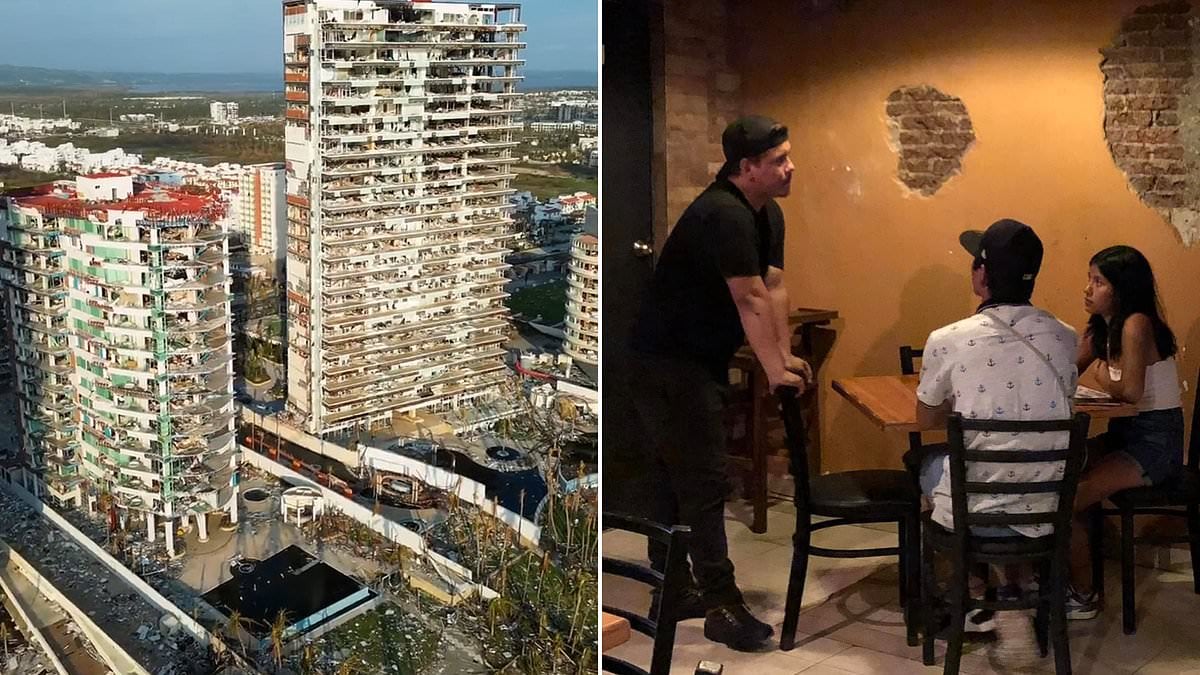
Acapulco residents are slowly rebuilding their lives after Hurricane Otis devastated the Mexican resort town, damaging 36,000 businesses and causing at least $20 million in damages. Despite the slow government response, at least six businesses have reopened, offering limited menus and drinks. The local community is determined to restore the vibrant atmosphere and bring back tourists to Acapulco.
Acapulco, once a popular tourist destination, has been hit hard by Hurricane Otis, exacerbating the city's existing struggles with violent crime and the impact of the COVID-19 pandemic. The hurricane caused extensive damage to hotels, condominiums, and restaurants, leaving the tourism industry in ruins. With the costs of rebuilding estimated at $10 billion, government officials and tourism industry leaders are hopeful that the reconstruction process can be an opportunity to revitalize and rebrand Acapulco as a premier tourist destination. However, analysts warn that organized criminal groups may take advantage of the situation, both in the short term by providing assistance to attract supporters and in the long term by laundering and investing money. The city's residents are facing desperate conditions, with many still without power or running water, and fears are growing that the pressing need for income may drive more people, particularly young men, into criminal organizations.
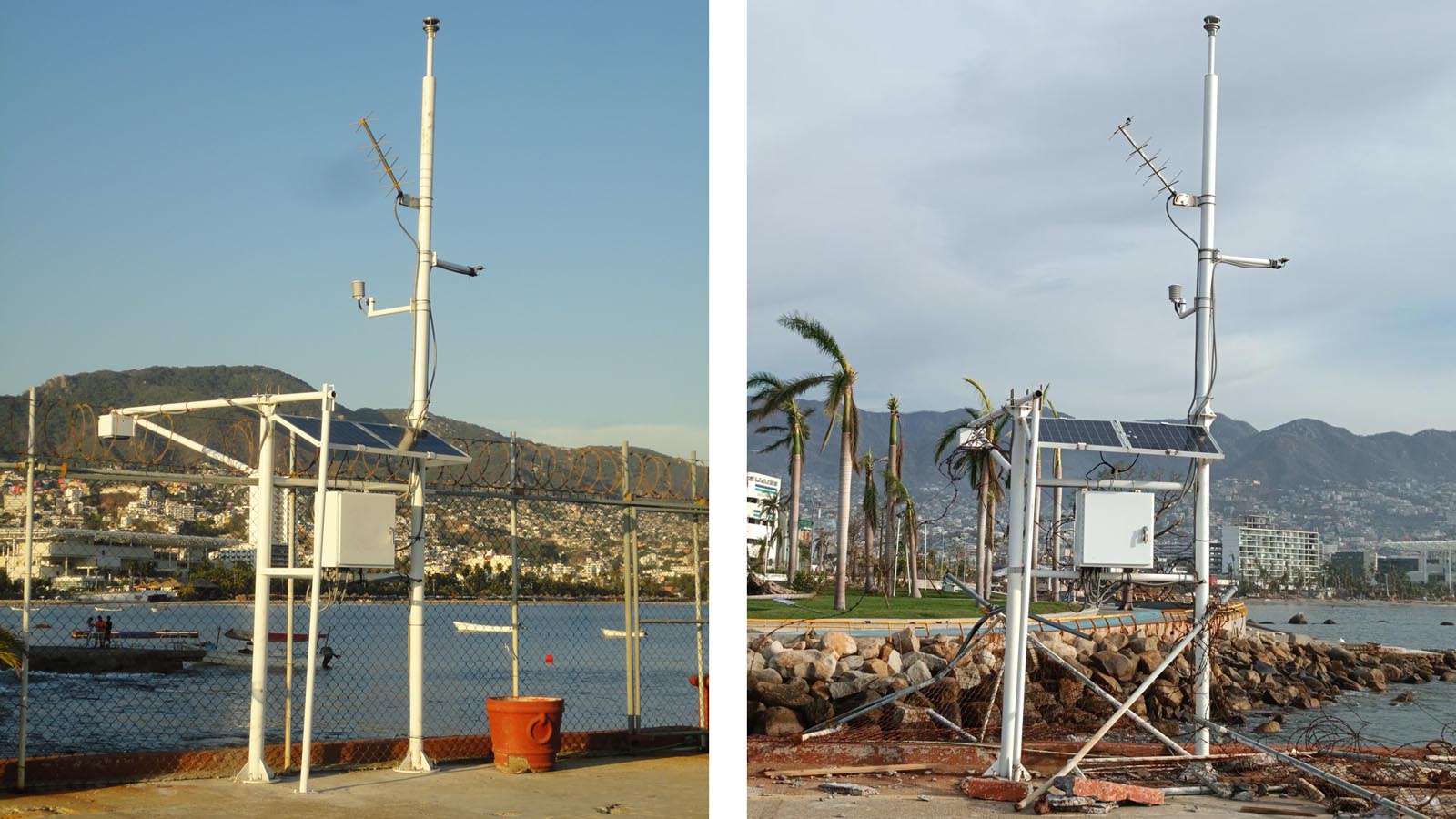
Hurricane Otis, a Category 5 hurricane, made landfall in Acapulco, Mexico, with sustained winds of 165 mph. A wind gust of 205 mph was recorded at the port authority, potentially making it one of the top 15 strongest wind gusts ever recorded globally. The measurement was taken by a sonic anemometer on a tower, although the tower was lower than the standard height for wind measurement. Extreme wind gust measurements are challenging due to equipment destruction and the presence of intense precipitation and debris.
Hurricane Otis, the strongest hurricane on record to hit Mexico's west coast, produced a wind gust of 205 mph near Acapulco, one of the highest ever observed globally. The storm caused over 40 deaths and catastrophic damage, with economic losses expected to exceed $10 billion. The wind gust, if confirmed, would rank among the top 10 ever recorded. Many buildings in Acapulco suffered significant damage, and a majority of homeowners and commercial properties were uninsured or underinsured. The storm's impact is predicted to be one of the costliest natural catastrophe events in Mexico's history.
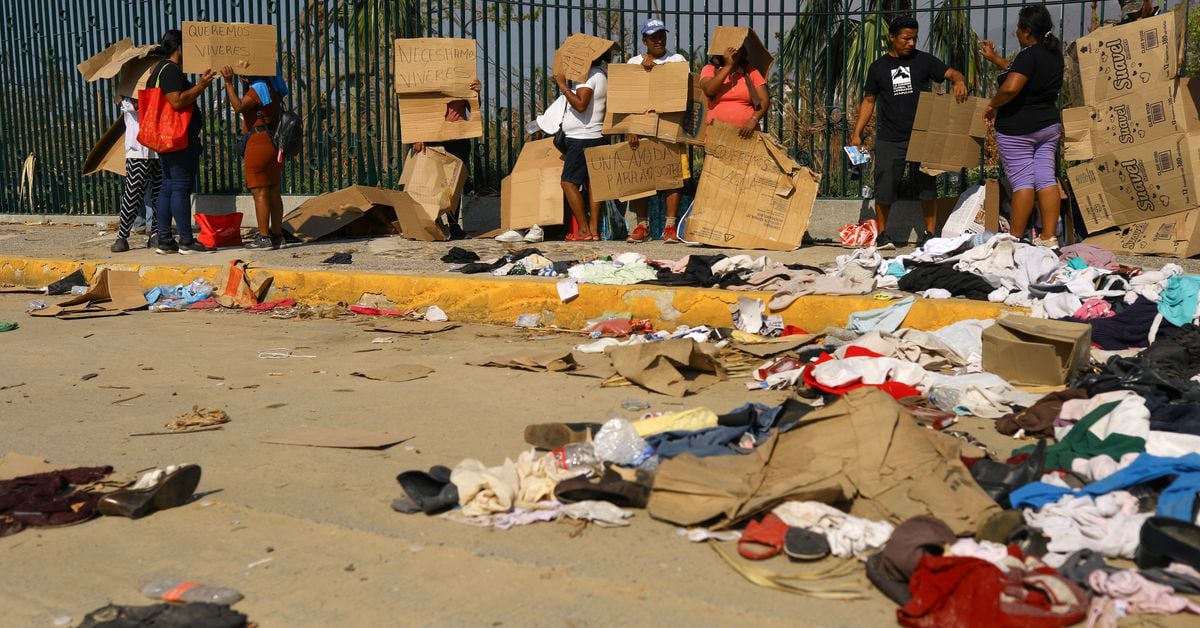
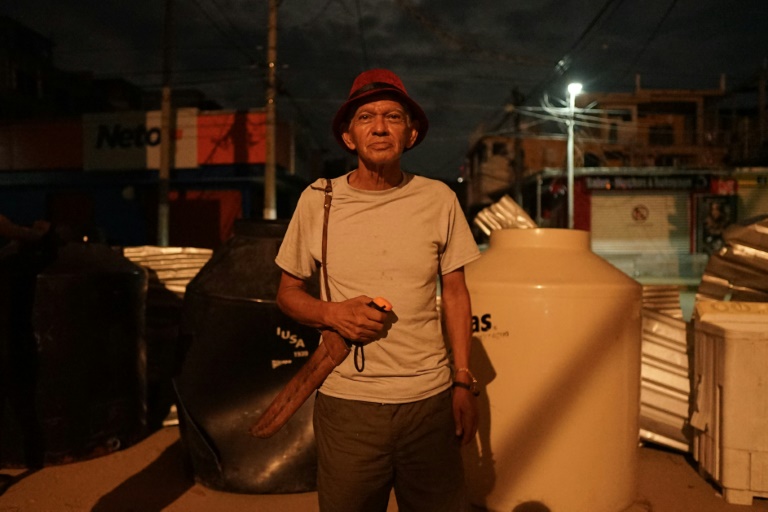
In the aftermath of Hurricane Otis, residents in Acapulco, Mexico, armed with machetes and baseball bats, are guarding their neighborhoods against looters who have emptied supermarkets. Using debris left by the hurricane, locals have created barricades to prevent trespassing. Acapulco has faced a deteriorating security situation in recent years due to drug cartel-related violence. The storm caused significant damage, power outages, and communication disruptions. Armed guards have been deployed in the luxury hotel zone, and thousands of soldiers are assisting with relief efforts.
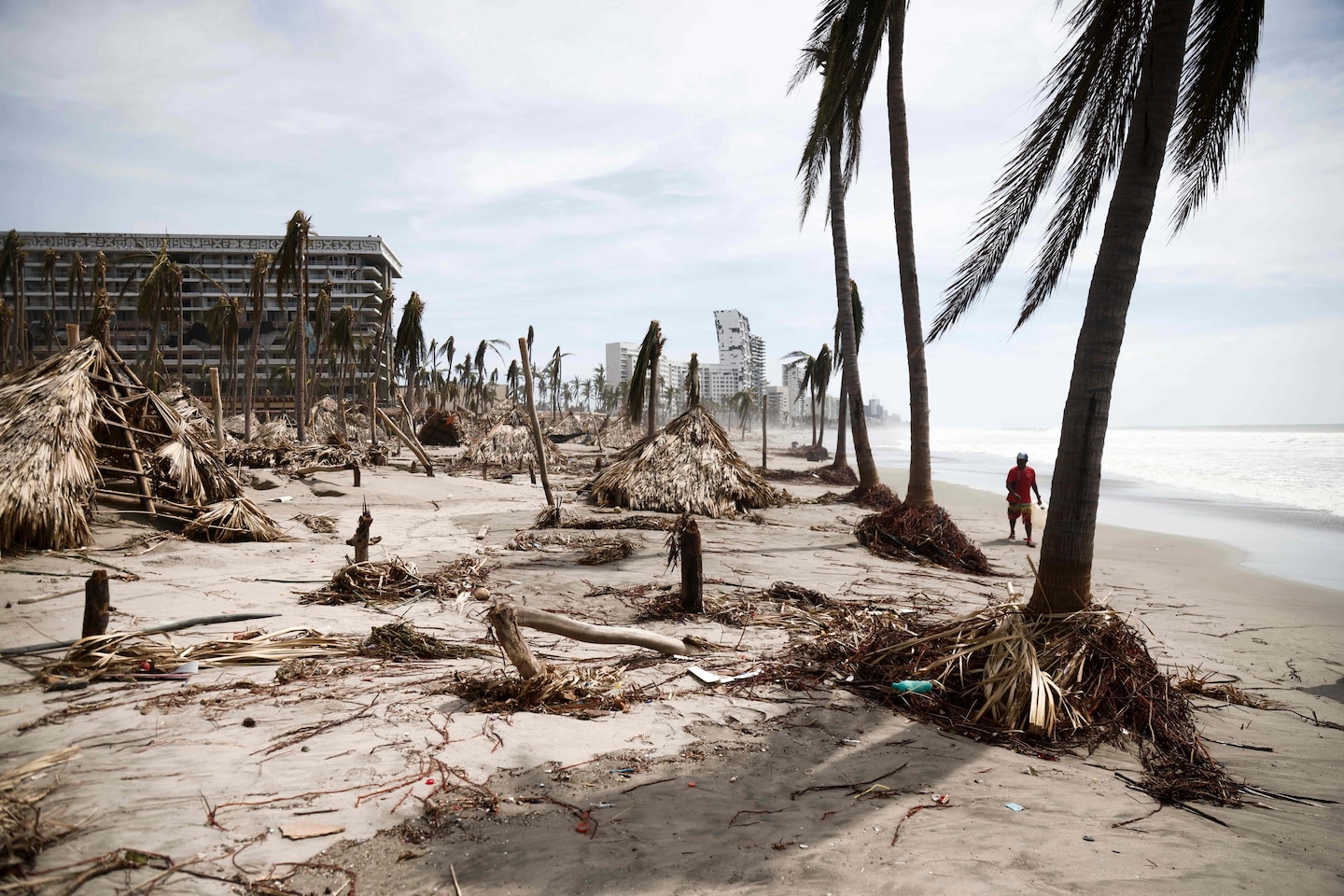
Hurricane Otis, the most powerful hurricane to hit Mexico, has caused widespread devastation in Acapulco, leaving dozens dead and many more missing. The aftermath of the hurricane is captured in photos, showing the destruction of homes, debris-filled streets, flooded areas, and locals removing debris. Soldiers are seen standing guard during food deliveries, highlighting the need for assistance in the affected areas.