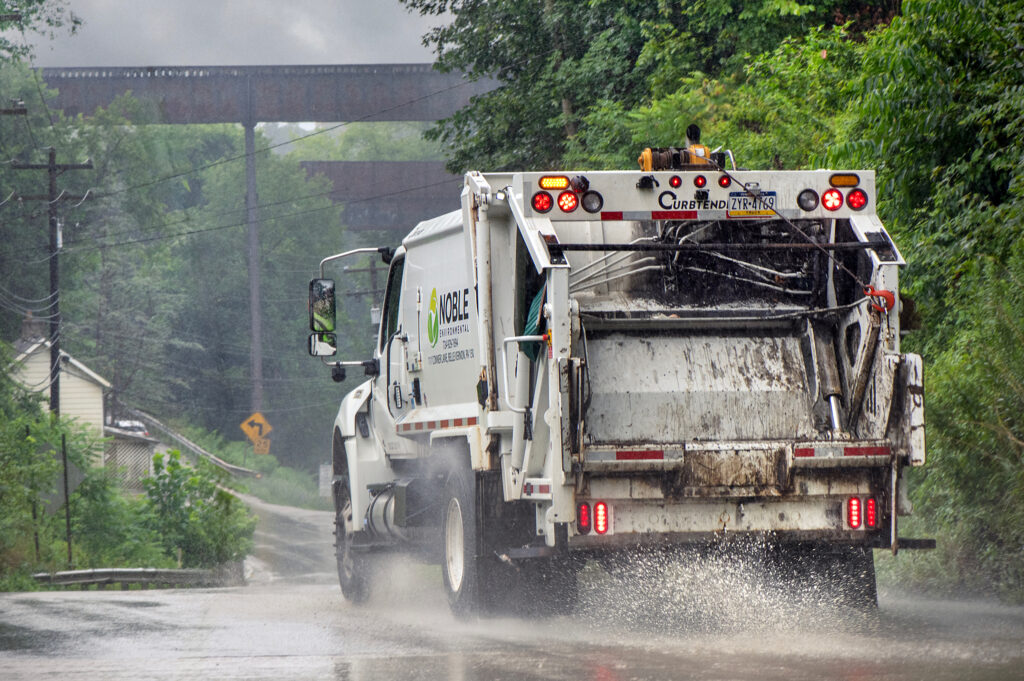
Twenty years into fracking in Pennsylvania, the state has yet to effectively address the radioactive waste generated, with frequent alarms at landfills indicating ongoing risks to public health and the environment, despite regulatory efforts and new research showing higher levels of radioactivity than previously understood.
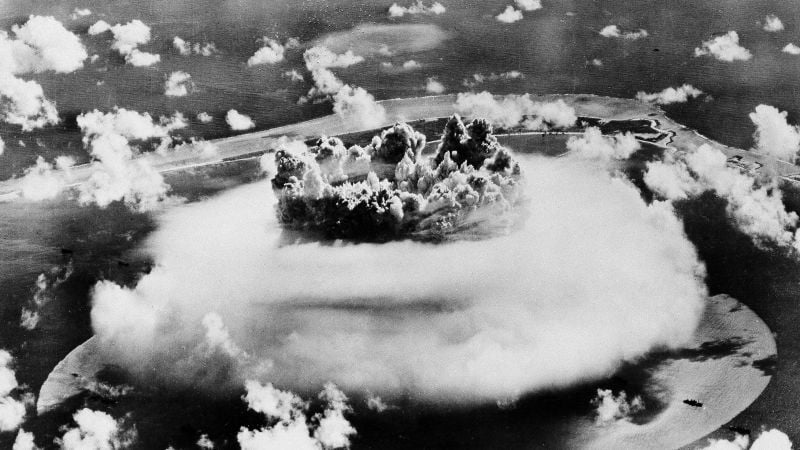
The article discusses the devastating long-term effects of US nuclear testing in the Marshall Islands, highlighting environmental contamination, health issues, and cultural disconnection, and warns against resuming nuclear tests due to their catastrophic consequences for both local populations and global health.
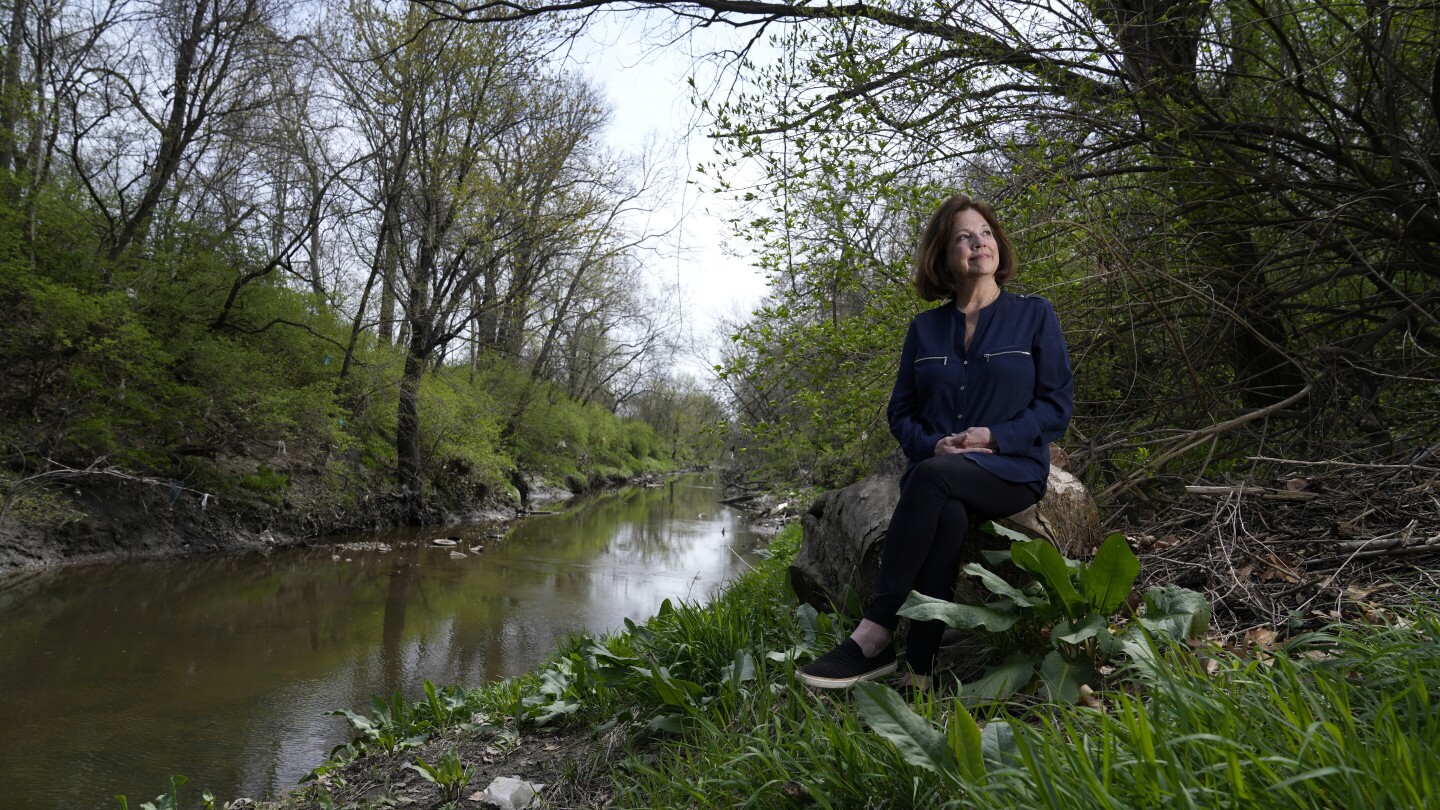
A study confirms that residents near Coldwater Creek in Missouri, contaminated with WWII-era nuclear waste, have a higher risk of cancer, especially those who lived closer to the creek during the 1940s-1960s, highlighting ongoing environmental health concerns and the need for remediation.
Children living near Coldwater Creek in St. Louis, contaminated with atomic waste from WWII, have a significantly higher risk of cancer, with risk increasing the closer they lived to the creek, raising concerns about long-term health impacts of radioactive pollution.
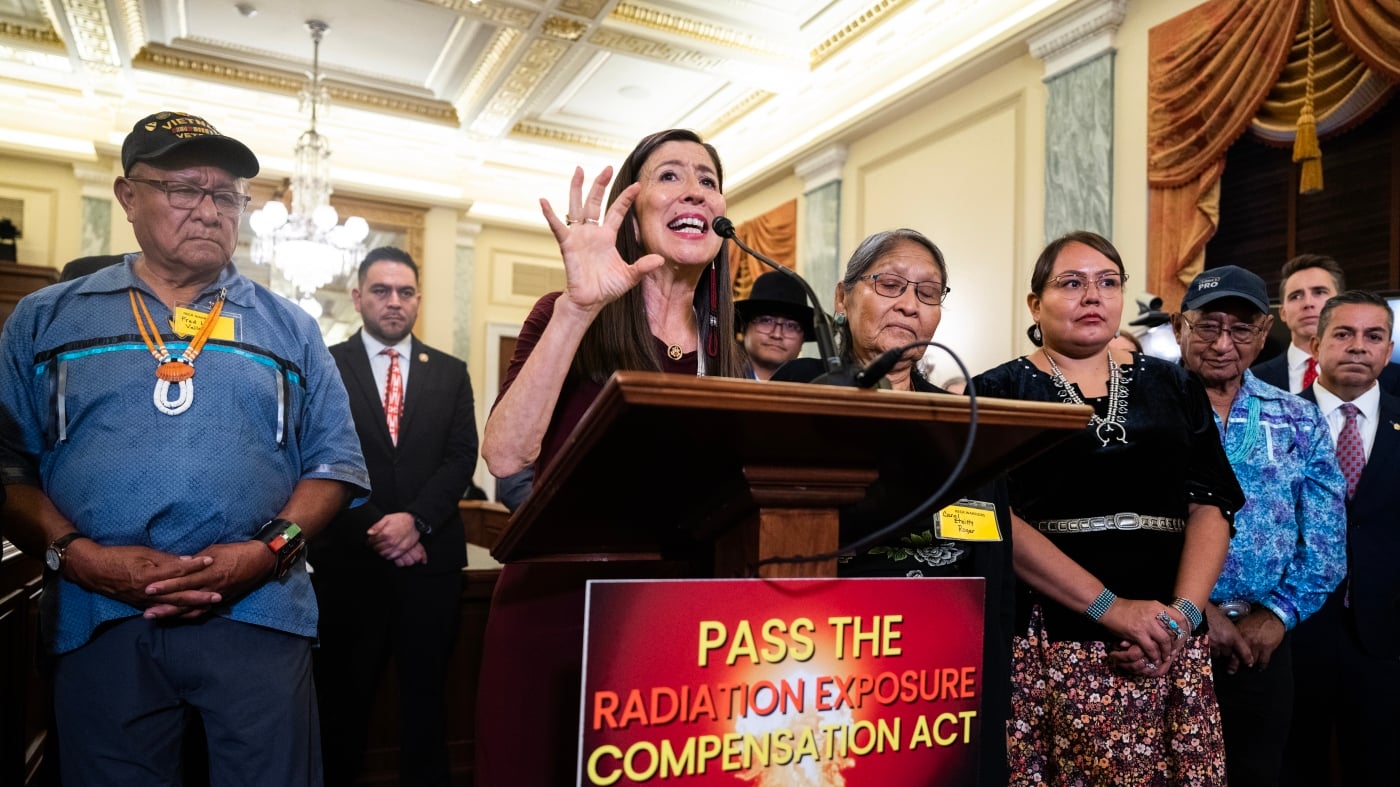
A study links childhood exposure to radioactive waste from Coldwater Creek near St. Louis to increased cancer risk, leading to legislative efforts to aid affected individuals, highlighting ongoing concerns about radiation safety and environmental cleanup.
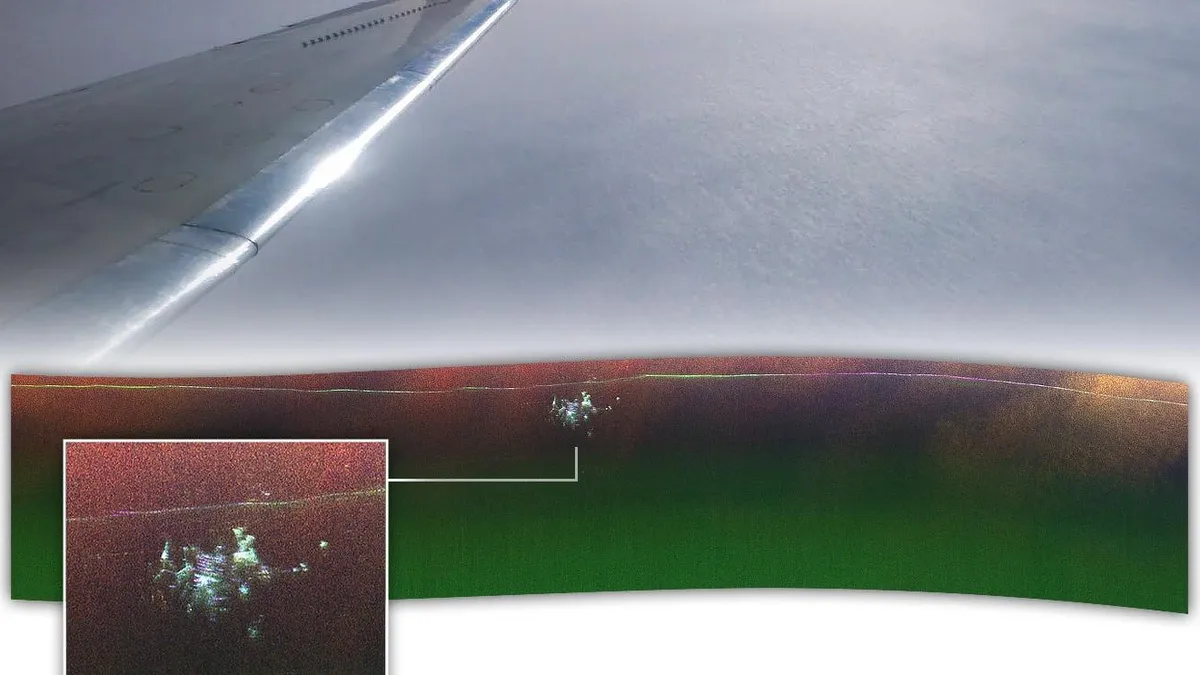
NASA's recent radar scans of the Greenland Ice Sheet have revealed the Cold War-era Camp Century, a secret military base built by the U.S. Army in 1959 and abandoned in 1967, still buried 100 feet under the ice. Originally intended as a nuclear missile launch site, the base contains radioactive waste that poses environmental risks due to climate change, which could expose or move the waste unpredictably. The discovery highlights the need for better modeling of climate impacts on such hidden hazards.
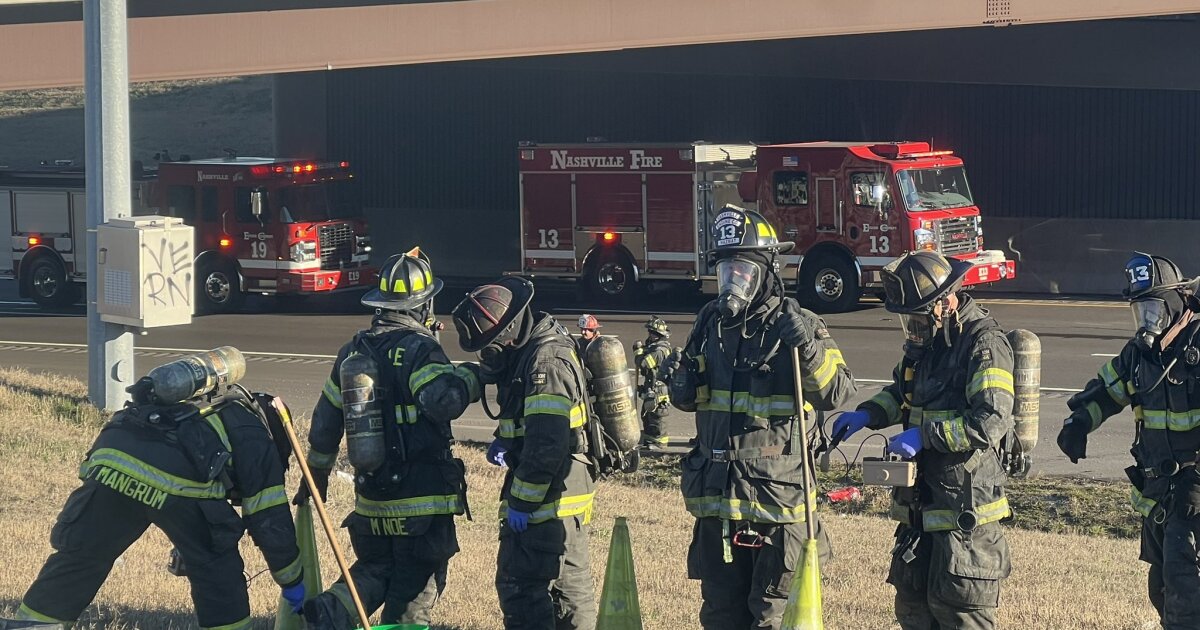
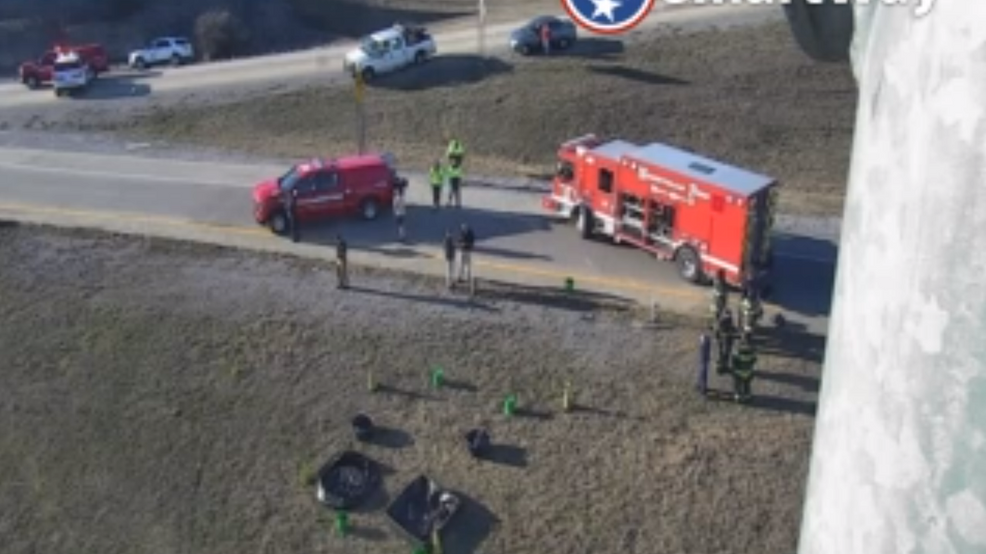
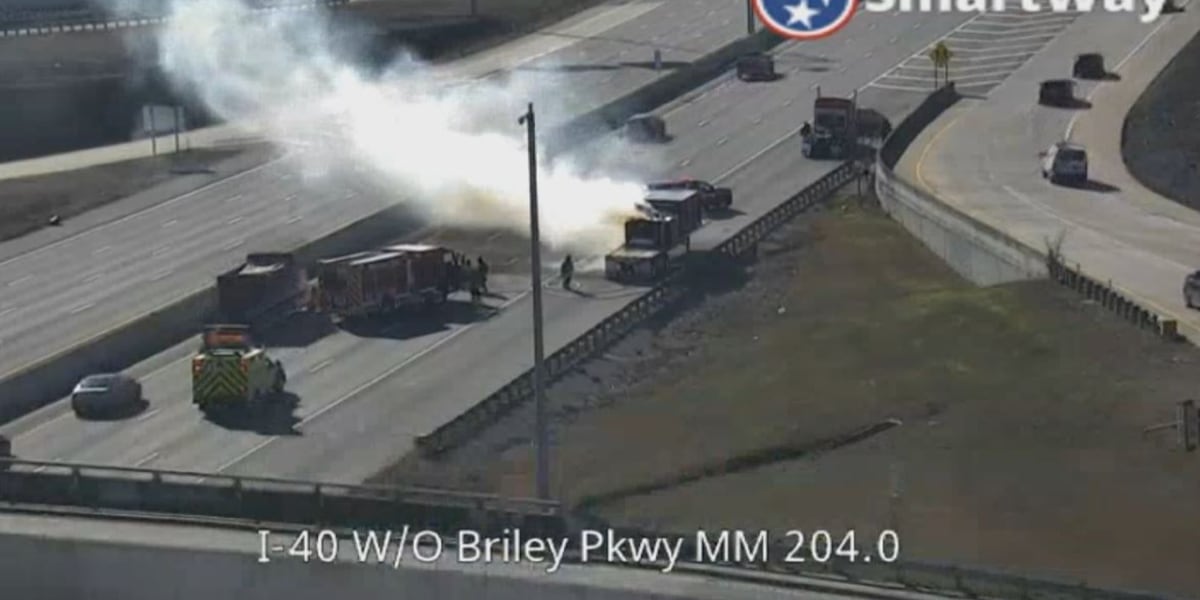
A semi-truck carrying radioactive waste caught fire near exit 240A and I-40 W in Nashville, causing the closure of I-40 West for several hours. The Tennessee Department of Transportation has since reopened both eastbound and westbound traffic. The Nashville Fire Department worked to cover the truck with tarp and move it to clear the lane, and inspections were conducted to ensure the truck's safety for continued travel.
A semi fire carrying low grade radioactive waste shut down westbound lanes of I-40 near White Bridge Road in Nashville. The Nashville Fire Department responded to the scene and reported that the hazardous material was isolated to its packaging, with no injuries reported. After the decontamination process, the lanes have been reopened and the scene is being turned over to Tennessee Department of Transportation, Tennessee Highway Patrol, and Tennessee EMA for further inspections.
Interstate 40 in Nashville was closed in both directions after a semi-truck carrying low-grade radioactive waste caught fire, causing traffic backups for miles. The Nashville Fire Department reported that no hazardous levels were detected, and the waste was isolated to its packaging. Eastbound lanes have since reopened, but westbound lanes remained closed for an extended period, with the Tennessee Emergency Management Agency setting up a command post to investigate.
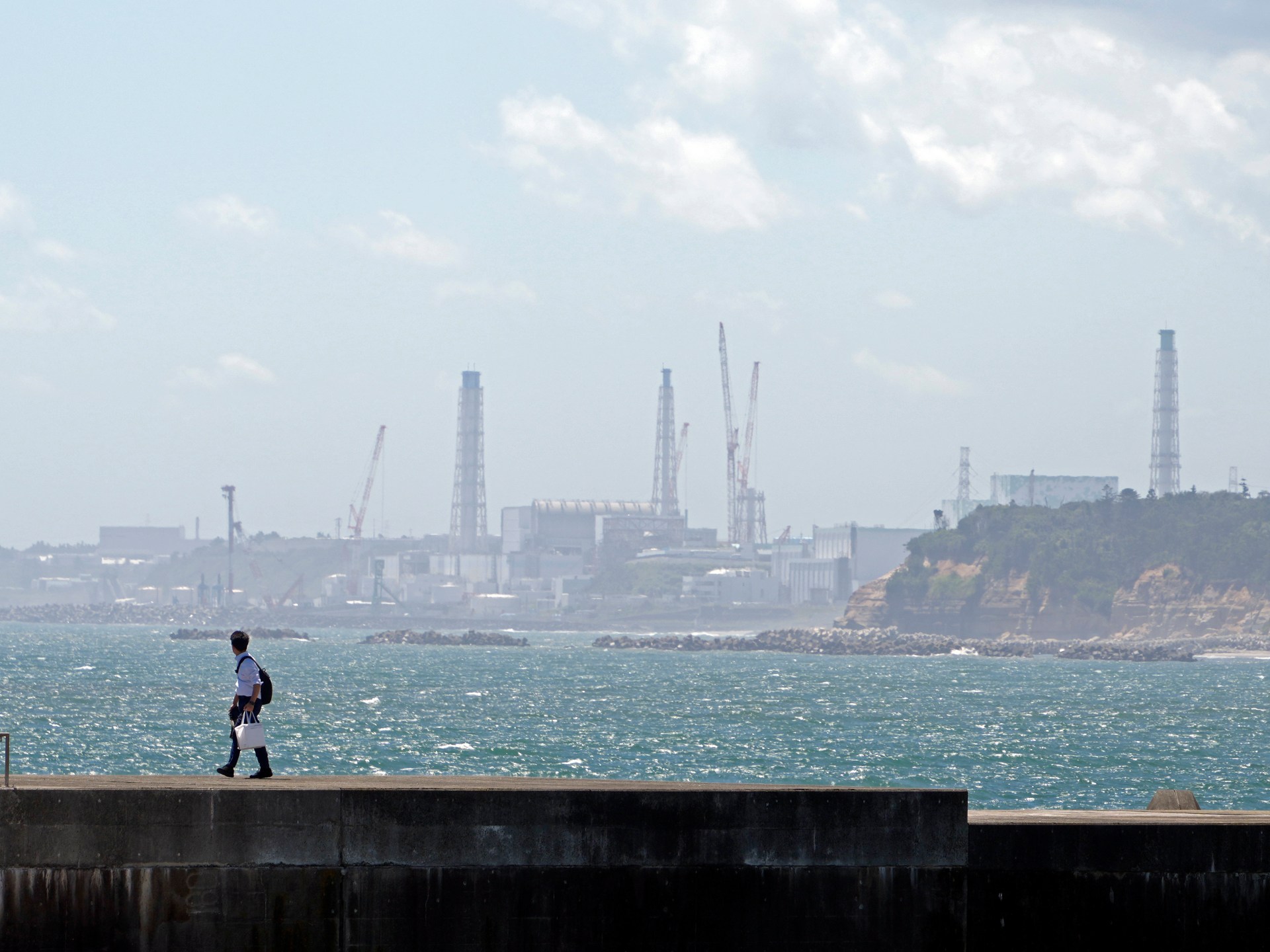
Japan faces a complex and lengthy challenge in decommissioning the Fukushima Daiichi nuclear plant, which was severely damaged in the 2011 tsunami and subsequent nuclear disaster. The process is expected to take between 30 and 40 years, much longer than usual due to unique challenges such as widely dispersed fuel and high radiation levels. The accumulation of treated radioactive wastewater has hindered progress, and Japan has faced criticism for its plan to discharge the water into the ocean. The full extent of the damage inside the reactors is still unknown, and financial considerations, including compensation and specialized equipment, contribute to the estimated final cost of $141 billion. Despite the challenges, there is hope that the decommissioning process will eventually make the area safe for people to return.
Documents reviewed by The Associated Press reveal that the federal government and companies involved in nuclear bomb production and atomic waste storage in the St. Louis area during the mid-20th century were aware of health risks and other problems but often ignored them. Decades later, the region continues to suffer from the aftereffects, including increased cancer risks and ongoing cleanup efforts. The documents show a pattern of nonchalance and indifference towards the risks associated with radioactive materials used in the development of nuclear weapons. The government documents were obtained through the Freedom of Information Act and shared with news organizations.
Newly-released government records reveal that radioactive waste from the Manhattan Project was known to pose a threat to people living near Coldwater Creek in St. Louis as early as 1949, but federal officials repeatedly downplayed the risks. Generations of children who grew up near the creek have faced rare cancers and autoimmune disorders believed to be caused by exposure to its waters and sediment. Cleanup of the creek is expected to take until 2038, and a federal study has found elevated rates of various cancers in the area. The documents show that private companies and the government were aware of the contamination but kept it secret from the public.
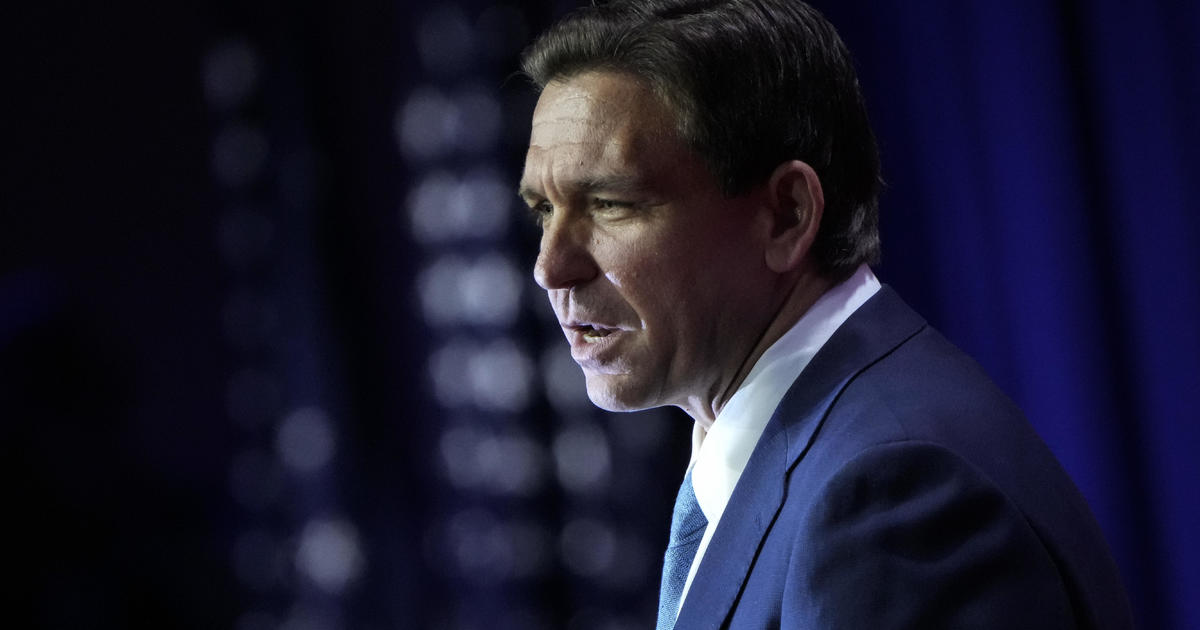
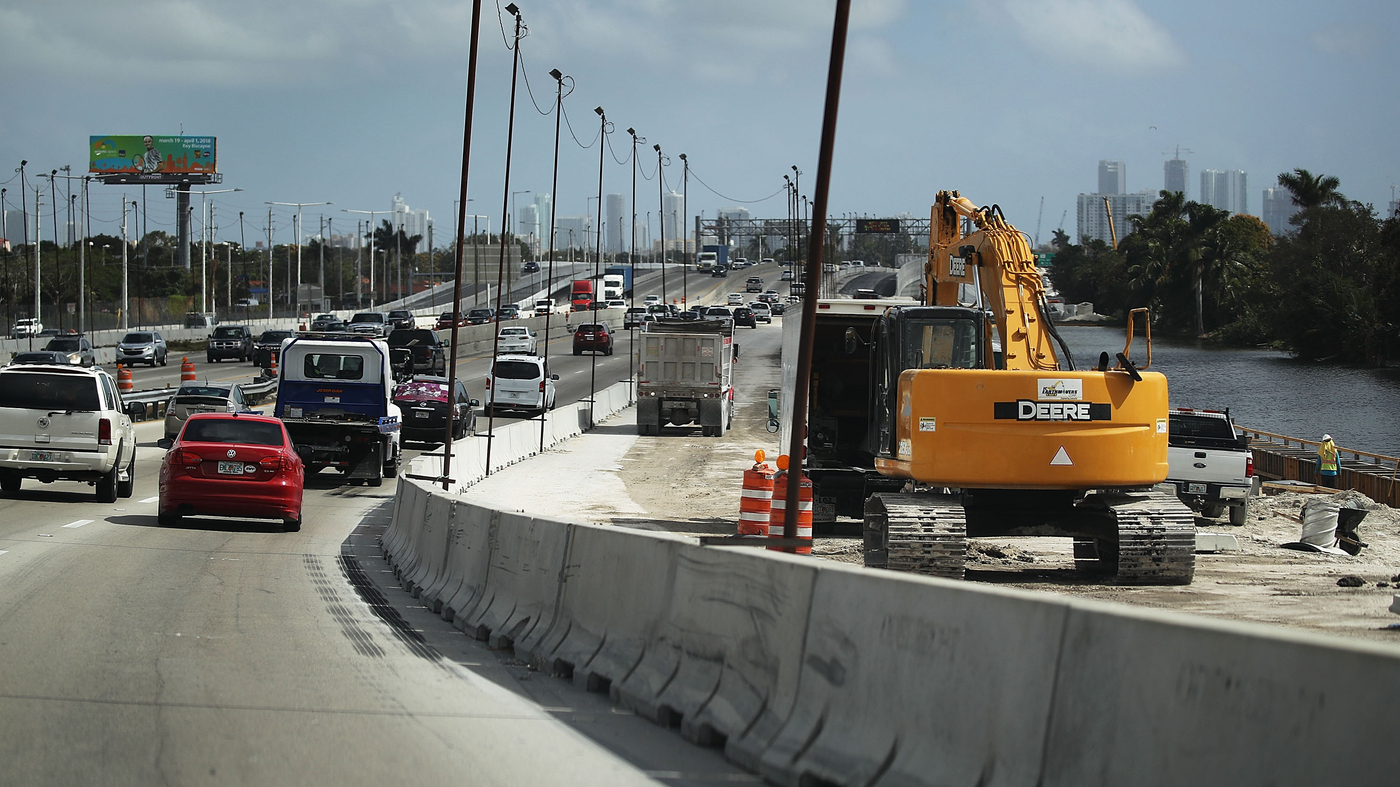
Florida Governor Ron DeSantis has signed a bill allowing roads in the state to be made with phosphogypsum, a radioactive mining waste linked to cancer. Phosphogypsum contains small amounts of uranium and radium, and emits radon gas, which is a potentially cancer-causing substance. The Environmental Protection Agency (EPA) requires phosphogypsum to be stored in engineered stacks to prevent contact with people and the environment. The bill mandates a study by the state's Department of Transportation to evaluate the suitability of using phosphogypsum in road construction. Critics argue that the bill is a reckless move that could lead to the dumping of dangerous radioactive waste in roadways across the state.
Florida lawmakers have sent a bill to Governor Ron DeSantis that would allow the use of phosphogypsum, a radioactive waste material from the fertilizer industry, in road construction. Conservation groups are urging DeSantis to veto the bill, citing concerns about water quality and increased cancer risk for road construction crews. Phosphogypsum is a byproduct of the production of phosphoric acid for fertilizer, and Florida is the world's largest producer of phosphate. The EPA prohibits the use of phosphogypsum in road construction, but the bill claims it can be used in accordance with EPA approval.