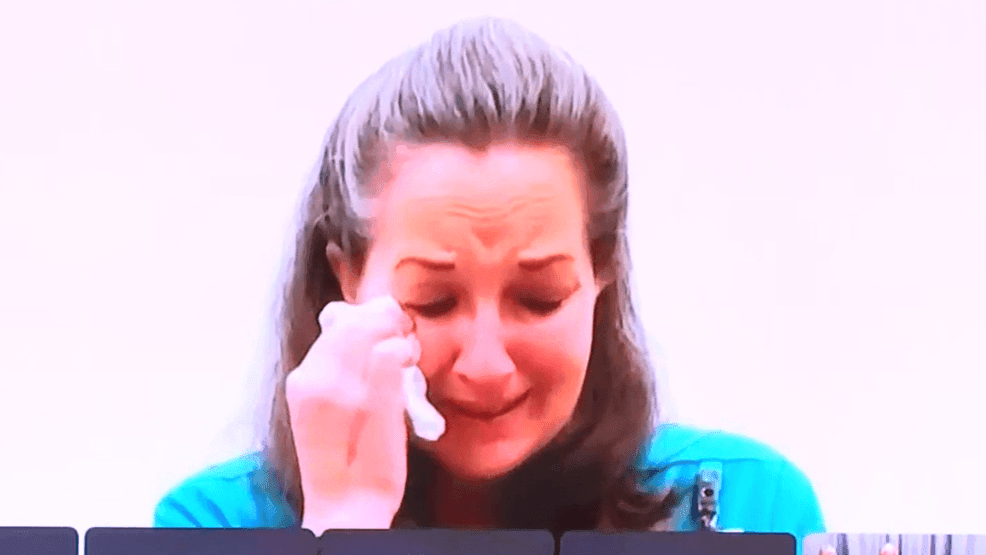
The South Carolina parole board denied parole for Susan Smith, who was convicted of murdering her two young sons in 1994 by rolling her car into a lake with them inside. Smith, who has served 30 years of her life sentence, appeared virtually for the hearing, where the board considered her conduct in prison, including rule violations. David Smith, the father of the victims, emotionally opposed her release, arguing that her time served is insufficient for the crime. The board's decision required a two-thirds majority to grant parole, which was not achieved.
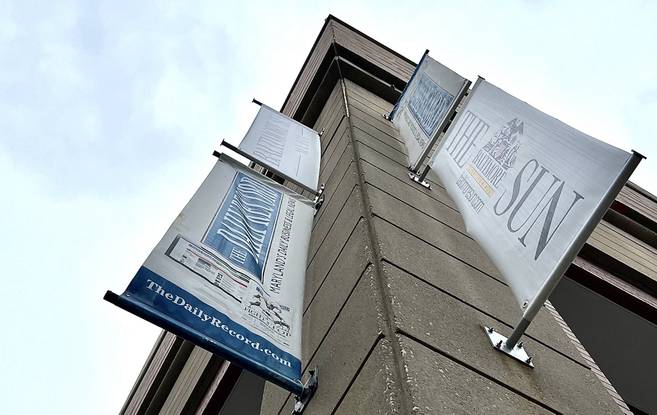
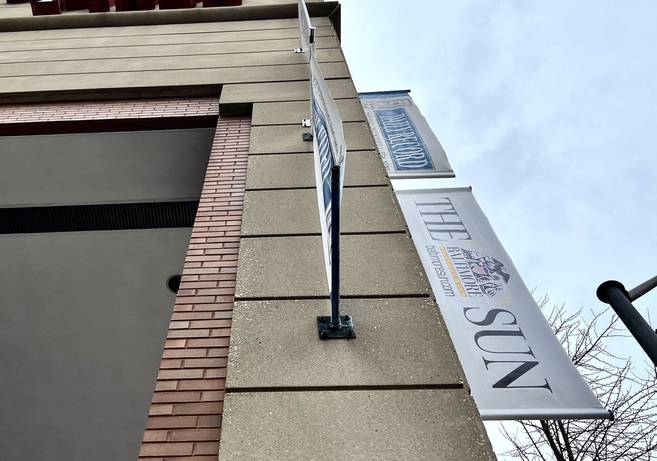
David Smith, the conservative TV mogul and executive chairman of Sinclair television stations, has purchased the Baltimore Sun and several community newspapers from Alden Global Capital, returning the paper to local ownership for the first time in nearly four decades. Smith's influence as the leader of a network of over 190 television news stations has been controversial, with accusations of leaning too far to the political right and running afoul of federal regulators. His purchase raises concerns about media ownership and influence in Baltimore and beyond.
New Baltimore Sun owner David Smith insulted staff during a meeting, encouraged them to mimic a TV station owned by his broadcasting company, and expressed a focus on increasing profits. Smith, the executive chairman of Sinclair Inc., which operates over 200 television stations nationwide, has a history of criticizing print media and promoting specific content and editorials. The tense meeting left staff feeling uncertain about their job security and the future direction of the paper under Smith's ownership.
Local businessman David Smith has purchased The Baltimore Sun Media Group, including The Sun and its affiliated newspapers, from Alden Global Capital, marking the first time the institution has been under local ownership since 1986. Smith, the executive chairman of Sinclair Inc., plans to invest in the paper, increase coverage of local communities, and support investigative work. The purchase amount remains undisclosed, and Smith will be joined in the venture by conservative political commentator Armstrong Williams. The move has raised questions about the new owners' motivations and their potential impact on the newspaper's editorial independence.
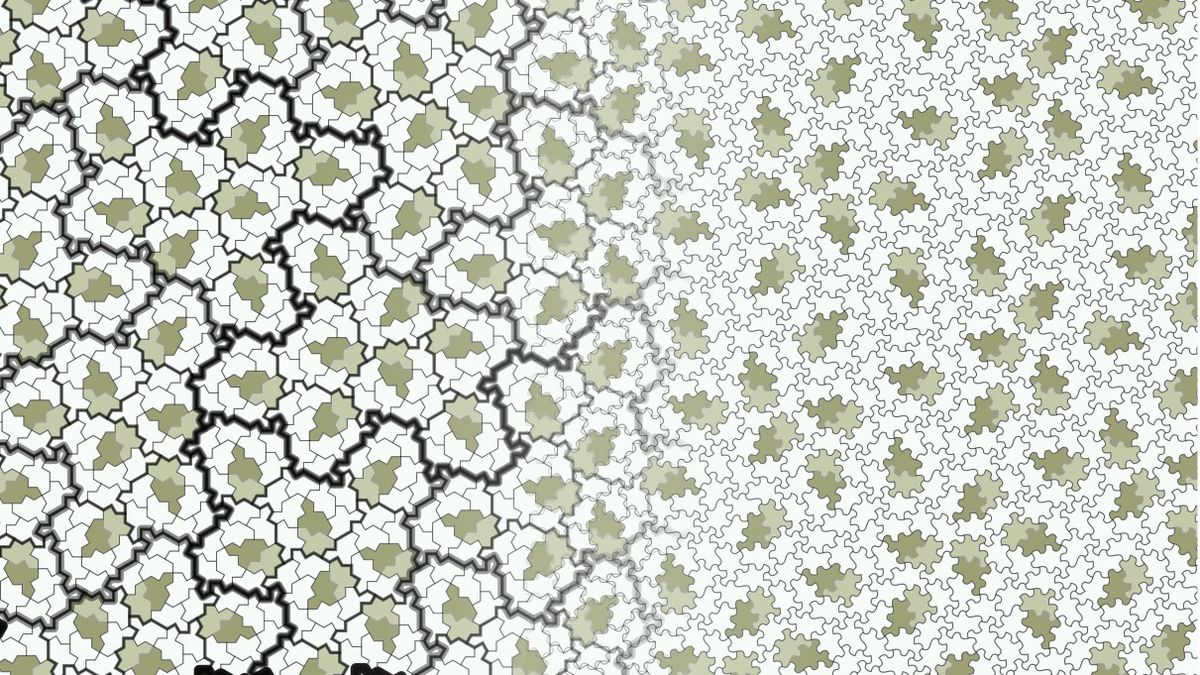
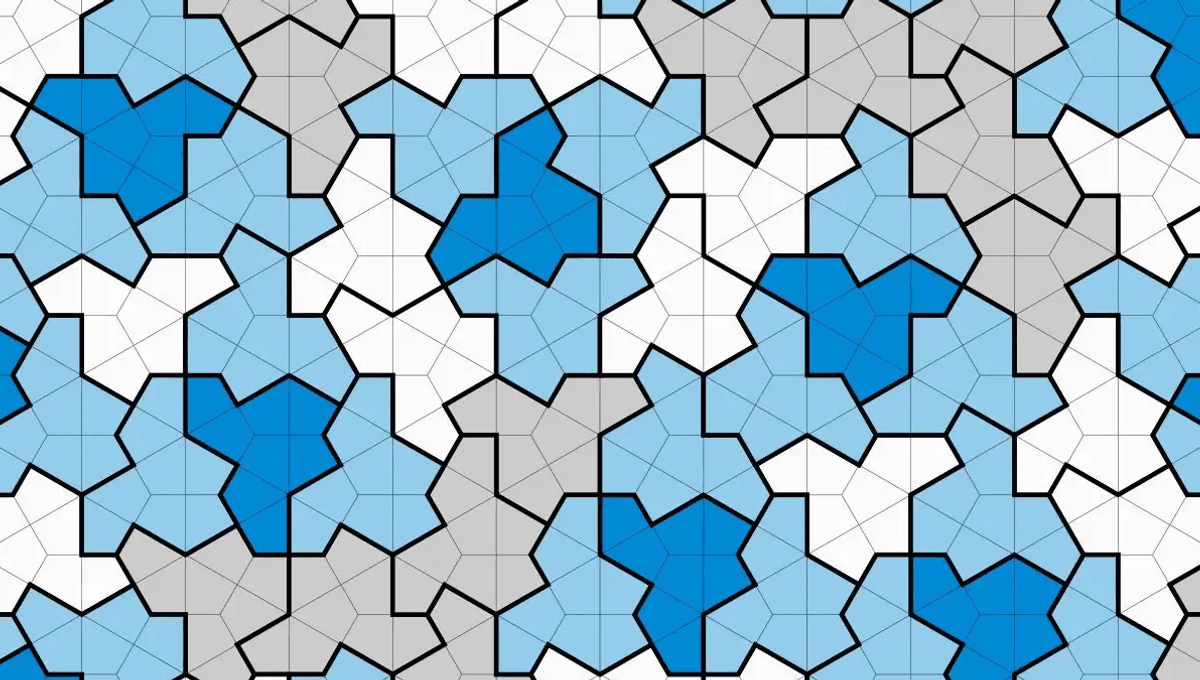
Mathematicians have discovered a 14-sided shape called the "Spectre" that can tile a surface without ever repeating or being flipped. The shape is the first example of an aperiodic monotile that tiles the plane without reflections. The discovery is the culmination of decades of hunting by mathematicians around the world, and it was made by a retired printing technician named David Smith. The team started with the original "hat" shape and added an extra side to it. That new shape still required its mirror image to fully tile, but the researchers discovered that by transforming the 14-sided shape's straight edges into curved ones, they could dispense with mirror images and work with just the one shape.
Mathematicians have been searching for aperiodic tilings of the plane that cannot have translational symmetry. A breakthrough occurred in the 1970s with the discovery of the famous two-tile set called Penrose tiles. Recently, David Smith discovered the first known aperiodic monotile called the "hat," which was verified by researchers Craig Kaplan, Chaim Goodman-Strauss, and Joseph Samuel Myers. The hat tile comes together to form larger, regular structures, which can be used to understand how it tiles the plane.
David Smith, a 59-year-old man from Greenville, died in a car crash in Pickens County, South Carolina. The accident occurred when Smith's 2014 Subaru sedan went off the right side of the road and overturned. The coroner's office identified the victim, and photos from the scene showed several emergency vehicles and Blue Ridge Electric Co-Op trucks.
A tiny, hat-shaped polygon called the "einstein" has been discovered by a team of researchers led by nonprofessional mathematician David Smith. The shape can tessellate with itself in such a way that it can cover an infinite surface without ever creating a repeating pattern, making it the first known single-tile aperiodic tiling. Aperiodic tilings are important in the development of quasicrystals, which have found applications in everything from Kleenexes to real-life Terminator-style robots.