A recent speech by Trump on the economy was poorly received by Republicans and failed to improve his approval ratings, with critics arguing it lacked empathy and did not address Americans' economic concerns, reflecting broader political challenges for both parties ahead of the midterm elections.
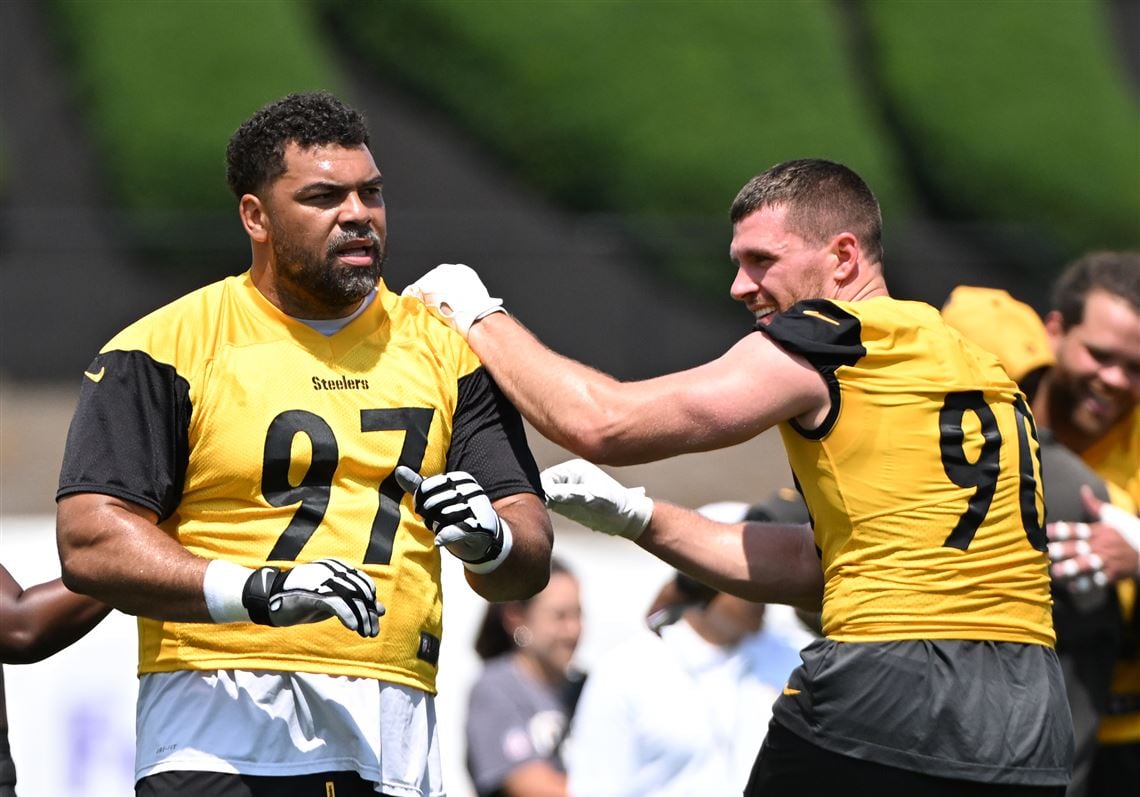
Cam Heyward, a veteran Steelers player, expressed dissatisfaction with his contract and publically discussed his hold-in during training camp, which has been met with skepticism given his successful career and earnings. The article criticizes his tone and suggests that his focus should be on team improvement rather than personal financial disputes, especially amid broader economic challenges and team priorities.
Duolingo's shift to an 'AI-first' approach, including the use of generative AI and phasing out contract workers, led to a backlash on social media but did not hinder its financial success, as the company beat revenue estimates, grew its user base, and anticipates over $1 billion in revenue this year.
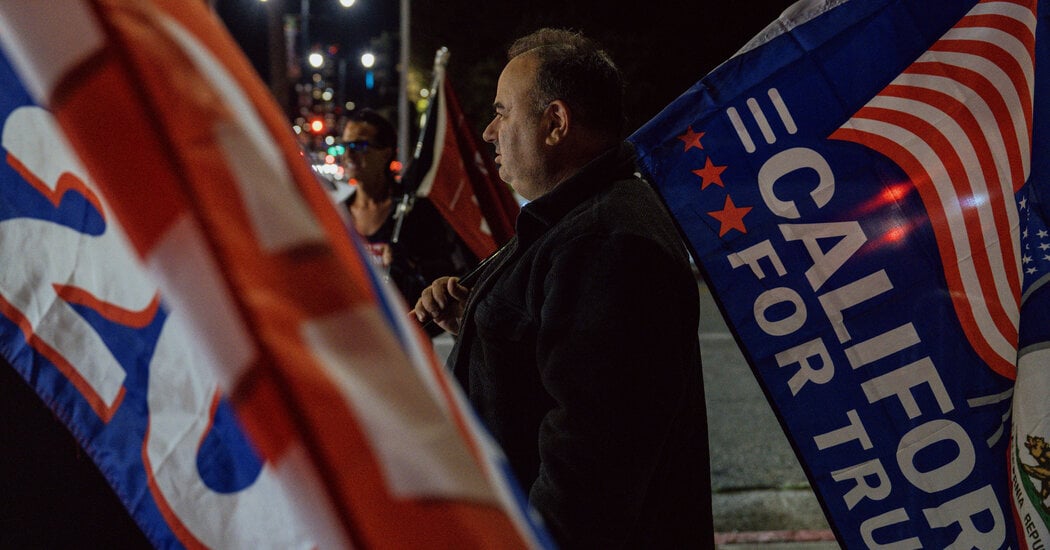
In recent elections, California has shown a shift towards more conservative policies on crime, driven by public frustration over rising crime rates. This change reflects a broader trend of voters prioritizing safety and security, influencing political dynamics in the state.
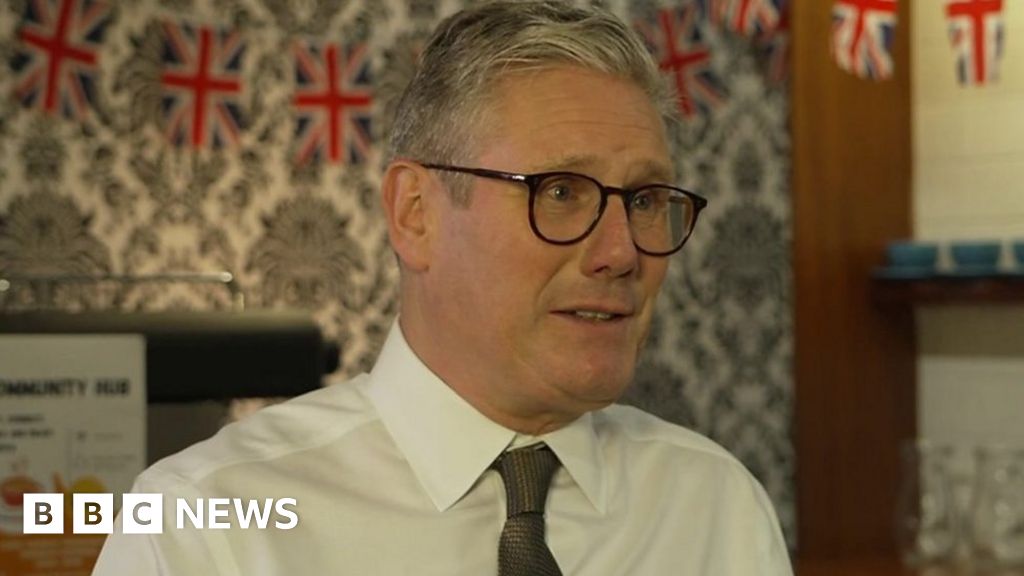
Labour leader Sir Keir Starmer argues that recent polling and election results indicate a public desire for change, despite a lack of enthusiasm for his party, attributing this to the government's actions over the past 14 years which he claims have diminished public hope.
Despite achieving higher wages, growth, and productivity, the Biden administration and progressive economists are facing public skepticism and political challenges as Americans grapple with inflation and rising prices. While the economy has seen a rapid recovery from the Covid recession, concerns about affordability and inflation persist, leading to doubts about the effectiveness of the administration's economic policies. As the 2022 election approaches, the administration hopes that positive economic trends and rising optimism will win over voters, while debates continue over the causes of inflation and the impact of government policies.
Despite strong economic indicators such as low unemployment, high job growth, and robust economic growth, President Joe Biden is facing public skepticism about the economy. Americans' negative sentiments about the future and concerns about inflation and rising prices are impacting their confidence in Biden's economic oversight. While consumer sentiment has improved, polls show that voters are still hesitant about the economy and Biden's ability to manage it effectively, posing a significant challenge for his re-election campaign.
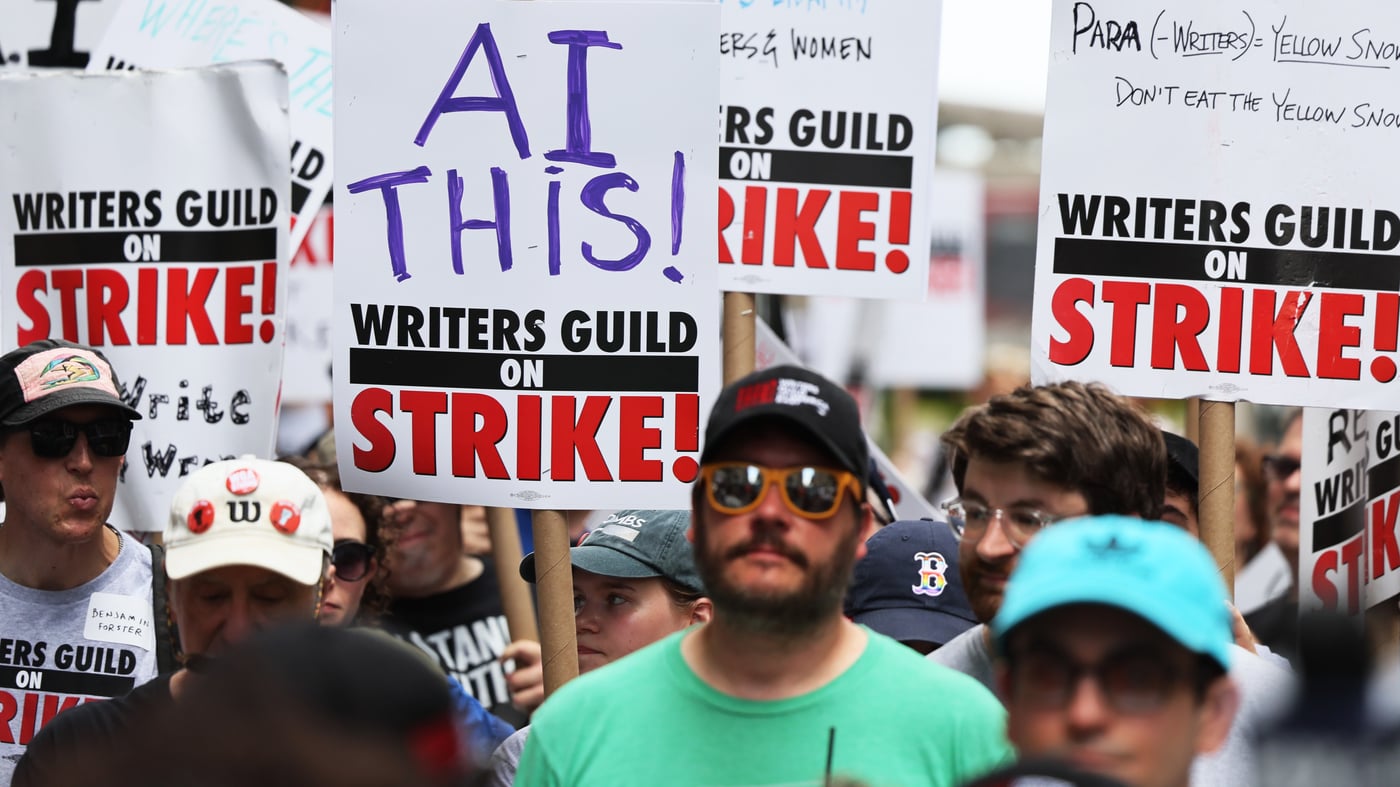
Despite a slight increase in union membership last year, only 10% of the U.S. workforce belongs to a union, marking the lowest percentage in Labor Department records dating back to 1983. The growth in union membership was driven by younger workers, while public sentiment towards unions remains high. However, labor organizing faces challenges due to opposition and weaknesses in labor law, despite broad public support for unions.
A year after China lifted its stringent COVID-19 restrictions, the anticipated economic rebound has not materialized, leading to a crisis of confidence among citizens and businesses. Individuals like Jiang, a small business owner in Xi'an, are experiencing worse economic conditions now than during the pandemic. European business executive Joerg Wuttke observes an increased dominance of the Communist Party in business and society, while a high school teacher, Huang Yicheng, became disillusioned with the government following the Shanghai lockdown, leading to his involvement in the White Paper Revolution protests and eventual exile. The real estate sector is particularly struggling, with individuals like Lee Shin facing disappointment even after finally moving into a long-delayed home. The overall mood in post-pandemic China is one of uncertainty and diminished hope for the future.
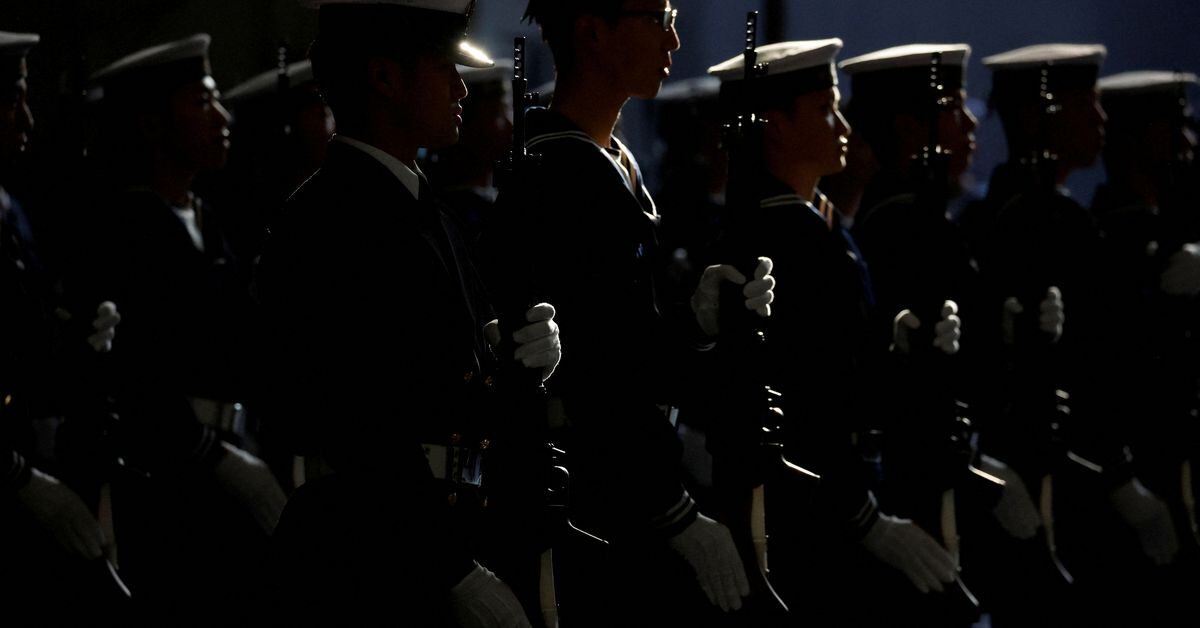
Japan's military expansion plan to deter China from using force in the East China Sea has hit a roadblock as some of Japan's best-known brands are reluctant to invest in the military side of their businesses. In private meetings with the defense ministry, some firms have raised concerns such as low profit margins, the financial risk of building manufacturing plants that could be left idle after Japan completes its military expansion, and potential damage to their public image from arms sales. The government is preparing legislation that includes raising profit margins on military gear from a few percent to as much as 15%, and the provision of state-owned factories that companies can use to expand production risk-free.