Seattle's Cascade PBS is ending its local long-form journalism and laying off 17 staffers due to a $3.5 million annual loss in federal funding, though it plans to expand other local video series and add new positions, amid concerns from the union about the impact on journalism.
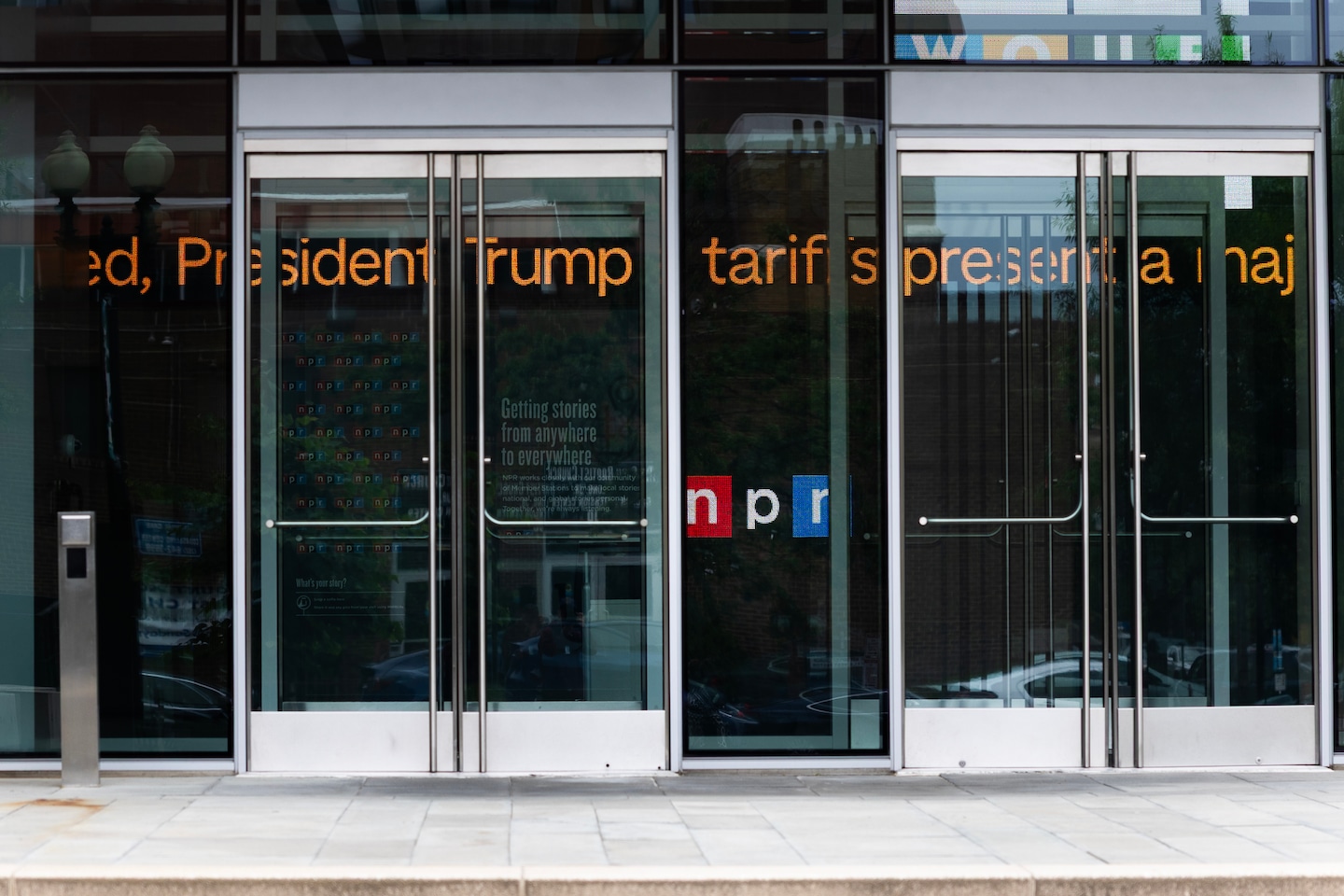
NPR has appointed CNN veteran Thomas Evans as its new editor in chief amid ongoing challenges due to Congress stripping federal funding from public media, with Evans set to lead the organization through this crisis starting September 15.
NPR has appointed Thomas Evans, a seasoned CNN international journalist, as its new news chief to lead the newsroom amid financial uncertainties caused by the end of federal funding, with a focus on maintaining high-quality, distinctive journalism and adapting to evolving media landscapes.
Congress's approval of budget clawbacks has led to significant concern among NPR and PBS affiliates, many of which rely heavily on federal funding, risking layoffs and programming cuts. Stations are scrambling to find alternative funding sources as they face potential closures within months, despite lobbying efforts to prevent the cuts.
The U.S. House approved a plan to rescind $9 billion in federal funds, including $1.1 billion for public broadcasting and about $7 billion in foreign aid, potentially leading to the shutdown of many NPR and PBS stations, especially in rural and underserved areas, amid political debates and bipartisan concerns about the impact and process of the cuts.
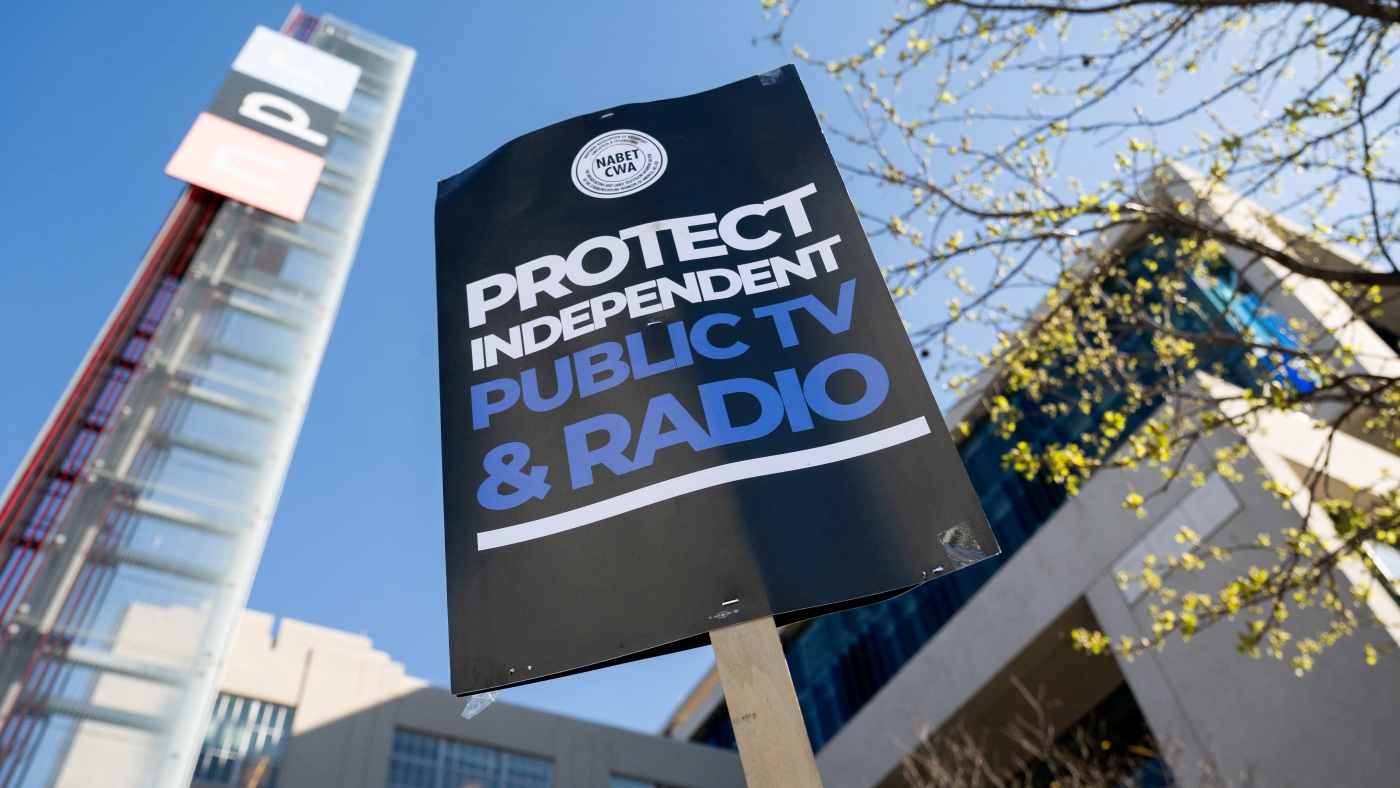
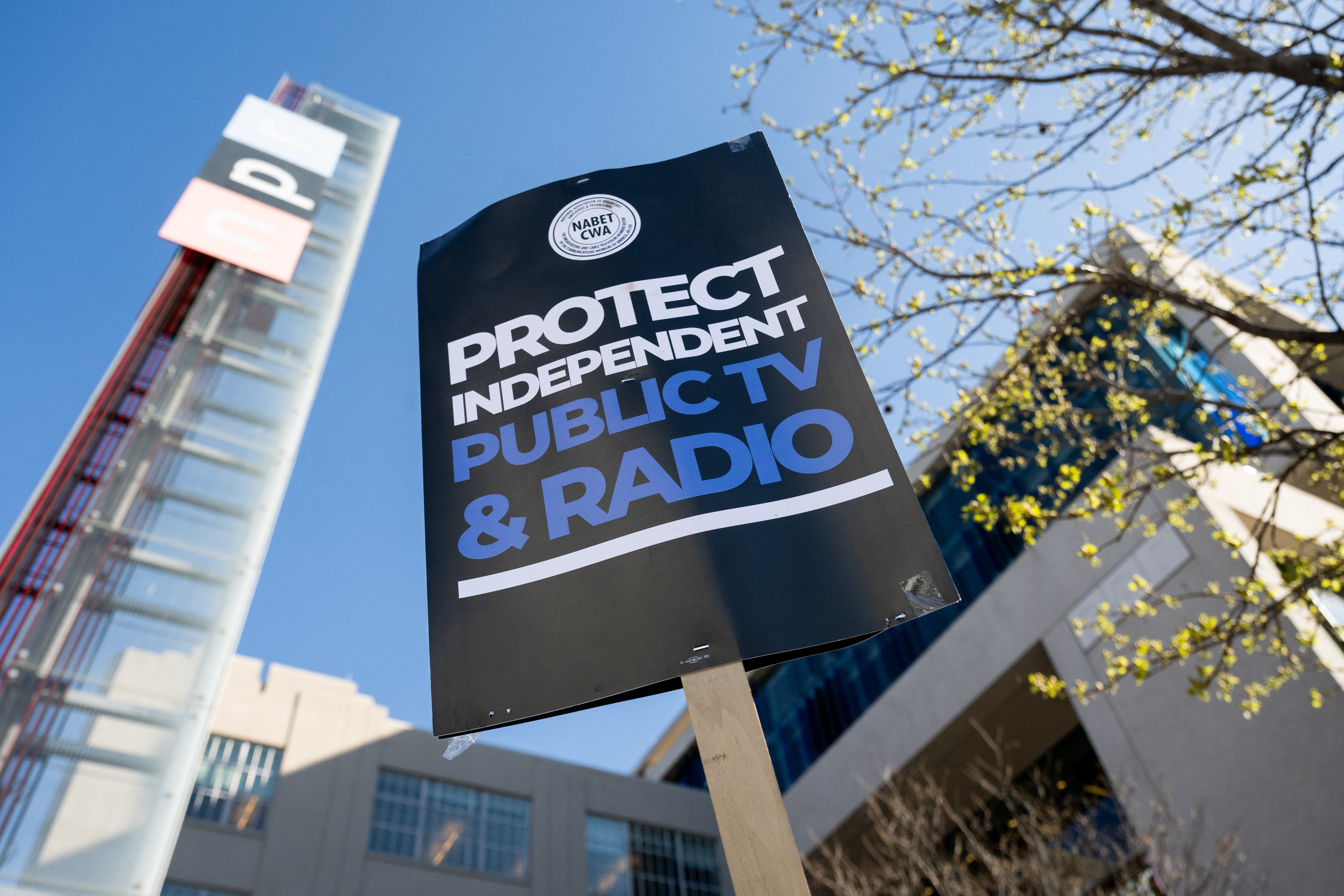
As Congress considers cutting over $500 million annually from public media funding, PBS and NPR are actively campaigning to save their budgets through appeals to lawmakers, public campaigns, and celebrity endorsements, highlighting the potential impact on local stations and communities across the U.S.
Congress is expected to vote on a White House proposal to cut over $500 million annually from federal funding for public radio and TV stations, which could severely impact local broadcasters, educational programs, and local content, with some stations potentially shutting down if the cuts are approved.
Congress is considering a bill to rescind two years of federal funding for public media outlets like NPR and PBS, as part of broader cuts including foreign aid, under President Trump's request, amid ongoing political debates about media bias and government spending.
Public media stations across the U.S. face a potential $1.1 billion cut from GOP-led efforts, threatening their operational viability, especially in rural areas where federal funding constitutes a significant revenue source. The cuts could lead to station closures, reduced programming, and jeopardize emergency broadcast infrastructure, with some stations already planning drastic measures to survive. The proposed rescissions are part of a broader political effort to reduce federal spending, with the outcome pending a House vote, and could have long-term impacts on access to news and emergency information in underserved communities.
A top House Republican opposes the White House's plan to cut $1.1 billion from public media funding, highlighting bipartisan concerns about the impact of such cuts on local jobs and information dissemination, amidst broader legislative negotiations on budget and policy issues.
A federal judge declined to block Donald Trump from removing three CPB board members, ruling that the CPB failed to meet the criteria for a preliminary injunction, but also cautioned that Trump cannot unilaterally appoint replacements without Senate approval. The case highlights ongoing tensions over federal funding and control of public media.