Amer Ghalib, Trump's nominee for U.S. ambassador to Kuwait, faces a tough Senate hearing due to his controversial anti-Israel statements and social media activity, amid GOP opposition and concerns over his record as mayor of Hamtramck.
A top House Republican opposes the White House's plan to cut $1.1 billion from public media funding, highlighting bipartisan concerns about the impact of such cuts on local jobs and information dissemination, amidst broader legislative negotiations on budget and policy issues.
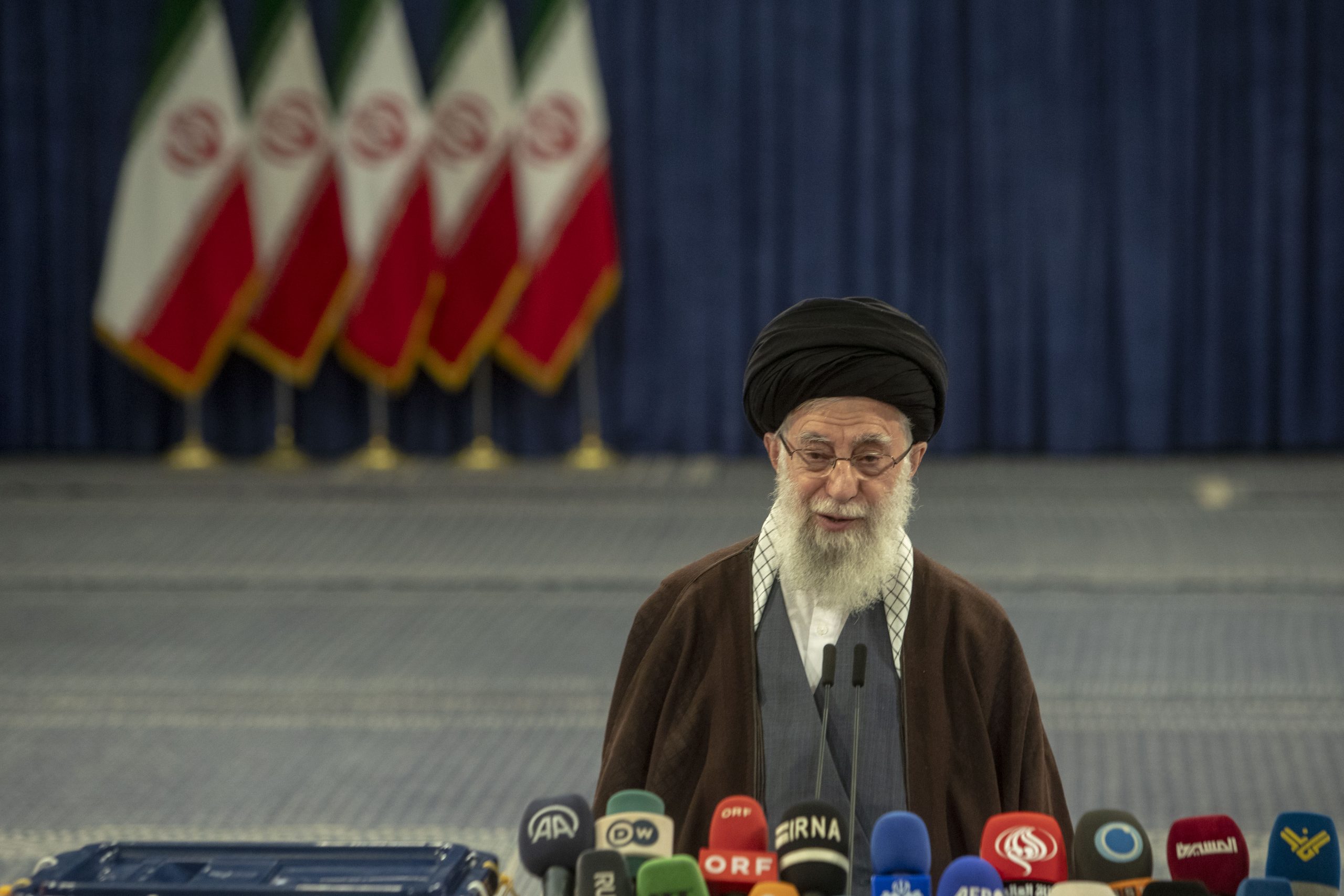
The Biden administration has renewed a sanctions waiver allowing Iran to access over $10 billion in frozen funds, drawing fierce GOP opposition. The waiver permits Iraq to transfer electricity payments to Iran via third-party countries, with the State Department insisting the funds can only be used for humanitarian supplies. However, critics argue that the waiver frees up cash for Iran's global terrorism operations, prompting concerns about the regime's support for terrorist groups. Republican lawmakers are pushing for legislation to cut off Iran's access to previously frozen funds.
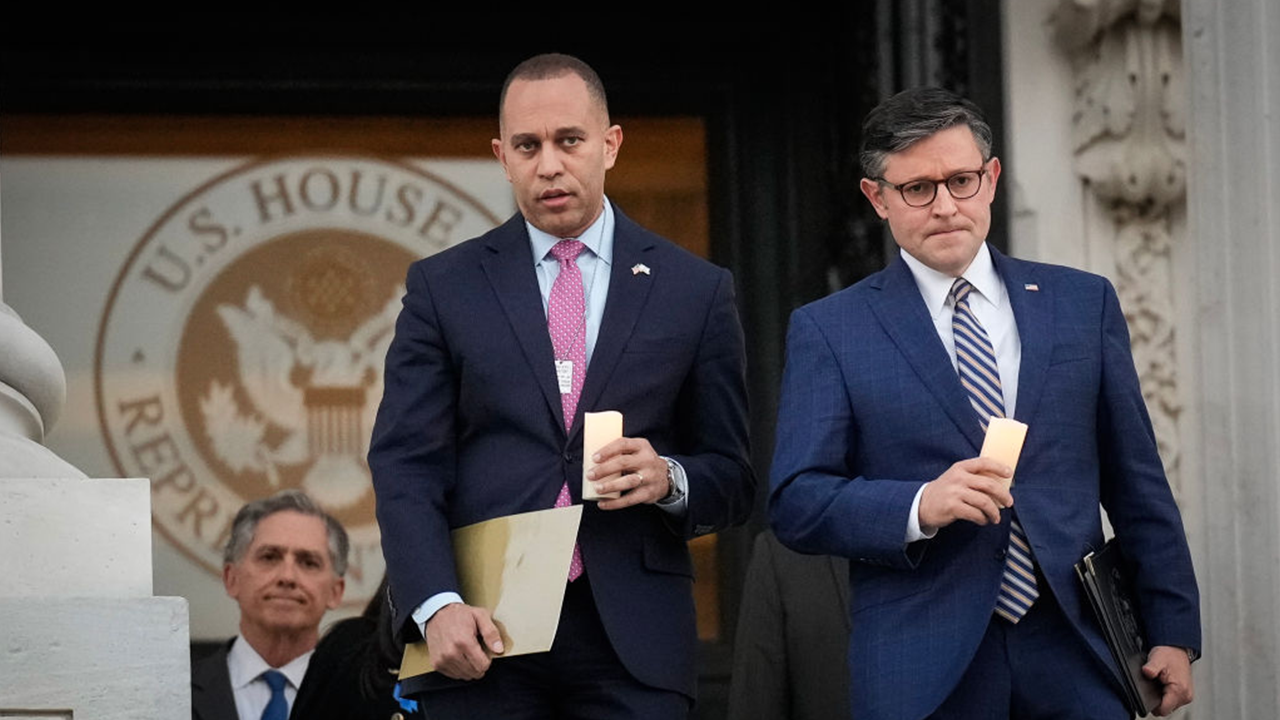
House Speaker Mike Johnson plans to bring a stand-alone Israel aid bill for a House vote, but faces opposition from GOP hardliners, potentially forcing him to seek Democrat support. The bill aims to send $17.6 billion to Israel, but conservatives are pushing for alternative funding sources. The White House has threatened to veto the bill, while House Minority Leader Hakeem Jeffries accused Johnson of undermining a bipartisan Senate effort. The Senate is set to vote on a $118 billion security agreement that includes funding for Israel, making Democrat support critical for the bill's passage.
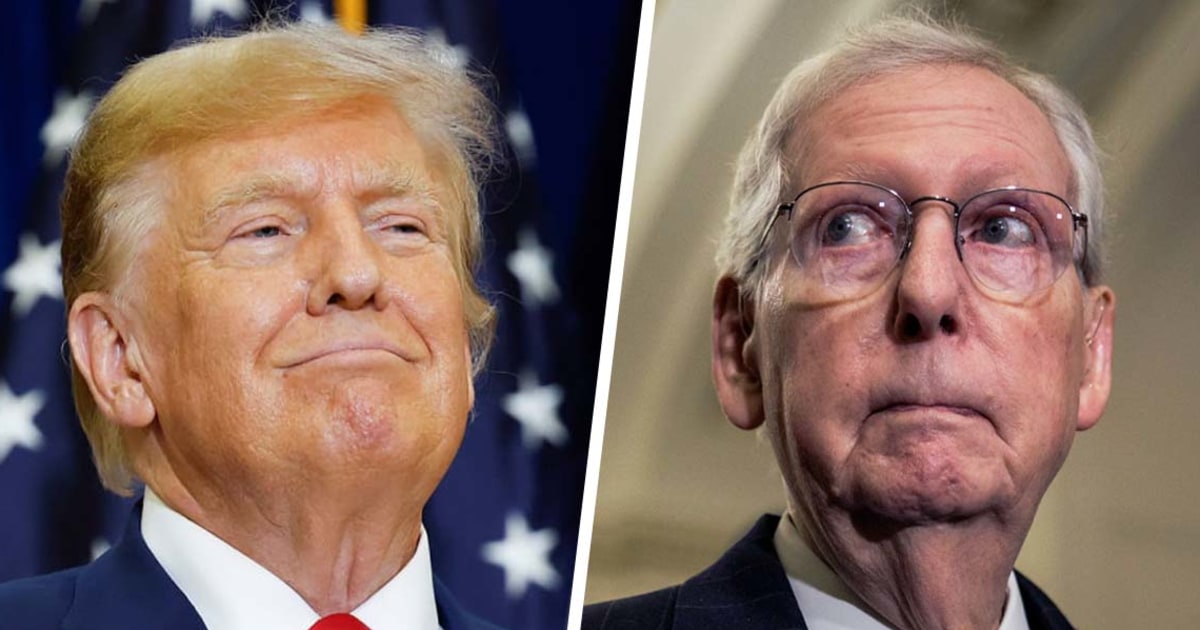
Senate Republicans are threatening to block a bipartisan package of border security measures and asylum restrictions, just one day after their chief negotiator signed off on it. The GOP senators are seeking more time to discuss changes to the bill in the form of amendments, and their opposition could be devastating to the package, which is now backed by President Joe Biden. Donald Trump is demanding that Republicans sink the agreement, using immigration as a political weapon in the fall election, while House Republican leaders have already declared the bill "dead on arrival" in the lower chamber.
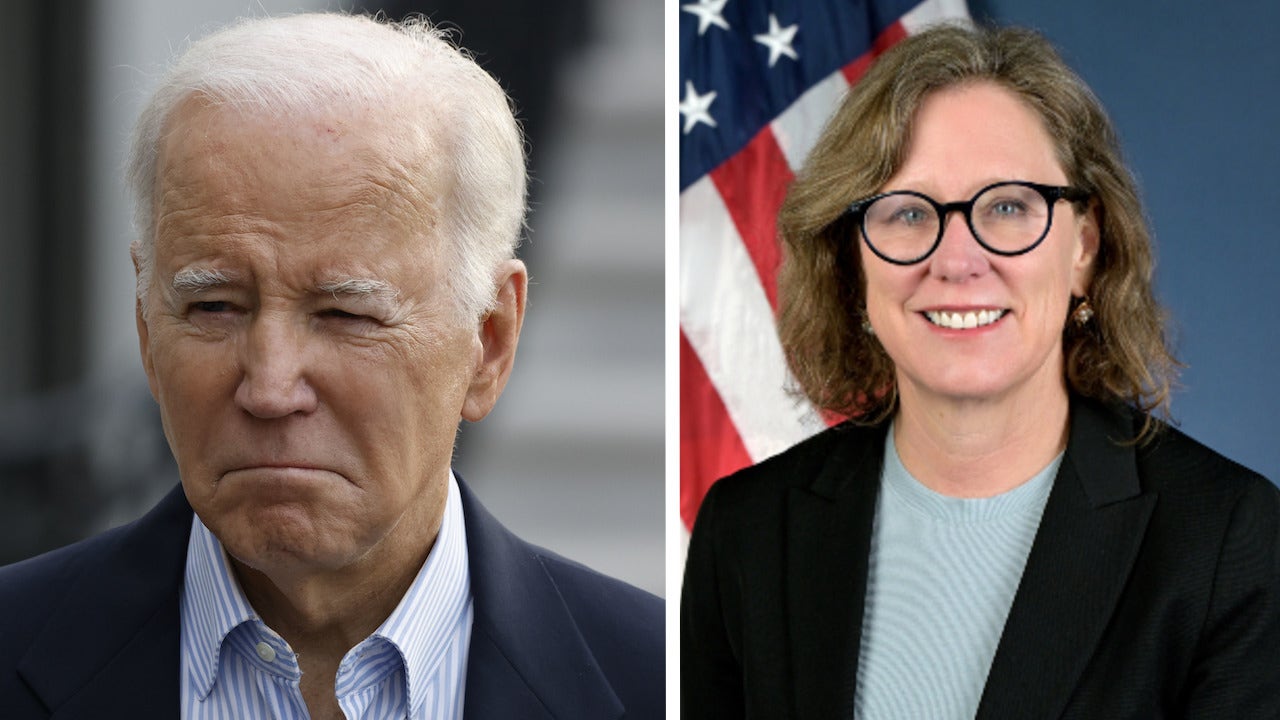
Ann Carlson, the acting administrator for the Department of Transportation's National Highway Traffic Safety Administration (NHTSA), is stepping down from her role and leaving the agency at the end of January. Carlson, who helped craft regulations to promote electric vehicle (EV) use, faced heavy opposition from Republicans due to her past climate activism and support for regulations targeting gas-powered vehicles. Her nomination for the permanent position was withdrawn in May, but she continued to lead NHTSA in an acting capacity. Republicans criticized her appointment as illegal and accused her of attempting to impose unpopular EV mandates.
The U.S. Army plans to remove a Confederate memorial from Arlington National Cemetery, defying opposition from dozens of congressional Republicans who argue that the monument commemorates reconciliation and national unity rather than the Confederacy. The Army will proceed with the removal to comply with a law requiring the identification and removal of assets that commemorate the Confederacy. The memorial, which depicts a mythologized vision of the Confederacy and sanitized depictions of slavery, will cost $3 million to remove. Virginia Governor Glenn Youngkin plans to relocate the memorial to New Market Battlefield State Park. The removal marks a significant moment in the Defense Department's mission to cleanse the military of Confederate iconography.
The debate over the state and local tax (SALT) deduction has become a significant factor in the GOP opposition to Rep. Jim Jordan's candidacy for Speaker of the House. Several New York Republicans have cited SALT as a key reason for their hesitancy to support Jordan. With a slim GOP majority, Jordan can only afford to lose four votes, and he has seen 22 Republicans oppose him in the latest round of voting. Efforts to negotiate on SALT, including doubling the cap to $20,000, have so far fallen short. The SALT deduction cap of $10,000 per household is set to expire in 2025, but these congressmen are pushing for action sooner.