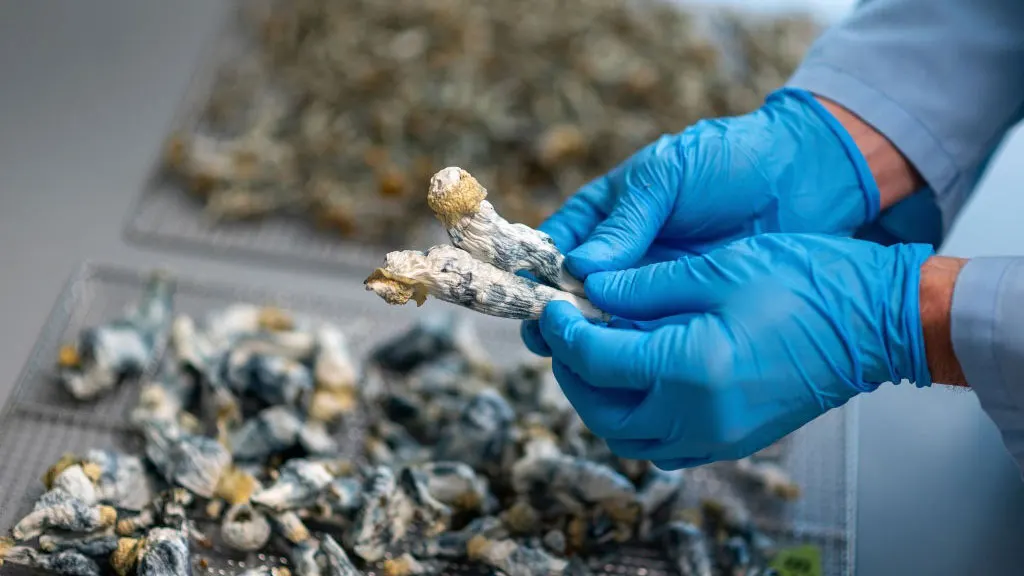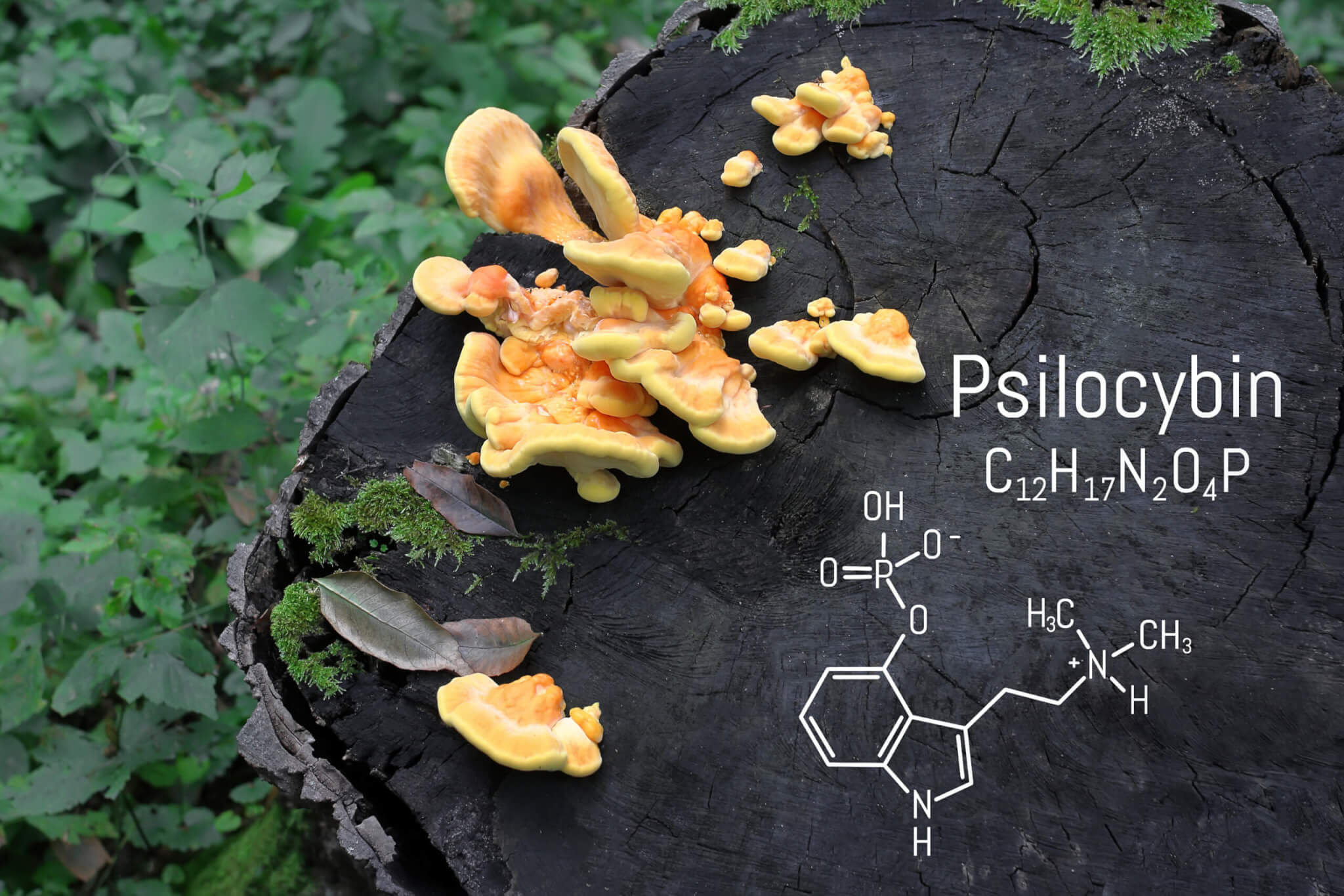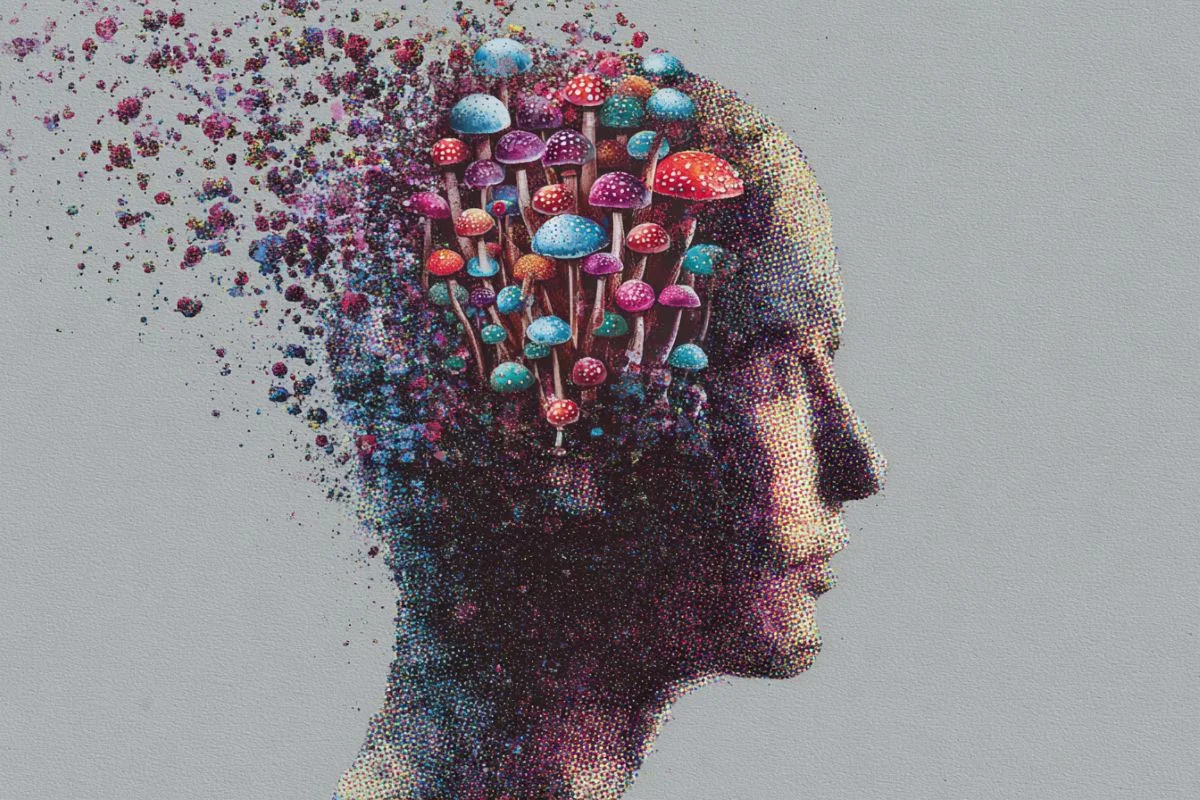
The article discusses the potential use of psilocybin, the active compound in magic mushrooms, as a treatment for mental health conditions like depression and PTSD, highlighting promising research, regulatory challenges, and differing opinions on safety and efficacy.
In 2025, significant advancements in consciousness research included exploring the possibility of universal consciousness before the Big Bang, recognizing consciousness as more widespread and ancient across species, breakthroughs in psychedelic therapy and altered states, progress in competing theories of consciousness, and increased attention to near-death experiences and their psychological impact, marking a shift towards viewing consciousness as a tangible scientific frontier.
Scientists at UCSF are exploring a pharmaceutical form of LSD, MM120, as a potential treatment for generalized anxiety disorder (GAD), showing promising results in reducing symptoms by promoting neuroplasticity and brain communication, with manageable side effects, offering hope for those unresponsive to traditional medications.
UCSF is exploring a novel psychedelic drug, MM120, derived from LSD, which has shown promising results in reducing symptoms of generalized anxiety disorder by promoting neuroplasticity and improving brain communication, potentially offering a more effective treatment than current medications, despite some mild side effects.
A new study shows that a single high dose of LSD (MM120) can significantly reduce anxiety and depression in adults with generalized anxiety disorder, with effects lasting up to 12 weeks, though environmental factors may also influence outcomes. The research supports the potential of psychedelics as future psychiatric treatments, pending further studies and FDA approval.
Research suggests that a single dose of MM120, an LSD formulation, may significantly reduce symptoms of generalized anxiety disorder with effects lasting up to three months, though further studies are needed to confirm safety and efficacy.
AbbVie is acquiring Gilgamesh Pharmaceuticals' investigational drug bretisilocin, a promising psychedelic therapy in Phase 2 trials for major depressive disorder, aiming to expand its psychiatric treatment portfolio. The drug has shown significant antidepressant effects with a shorter psychoactive duration, and the deal includes up to $1.2 billion in potential payments. This move underscores AbbVie's commitment to innovative mental health treatments.
A mid-stage trial of Beckley Psytech's psychedelic therapy for treatment-resistant depression shows significant symptom reduction, boosting prospects for approval amid a shifting regulatory landscape for psychedelic drugs.
A study presented at Psychedelic Science 2025 suggests that a single dose of psilocybin, the active compound in magic mushrooms, can provide depression relief lasting up to five years, with many participants experiencing remission and improved mental health, highlighting the potential of psychedelic treatments for depression.
A study reveals that a single dose of psilocybin can alleviate depression for at least five years, with 67% of participants remaining in remission, suggesting long-lasting benefits of psychedelic therapy for severe depression, though further research is needed due to small sample sizes.
A small study found that a single high dose of psilocybin, combined with psychological support, can significantly reduce alcohol consumption and cravings in individuals with severe alcohol use disorder, with effects lasting at least 12 weeks, though larger controlled studies are needed to confirm these findings.
Dr. Erin Mauney is conducting pioneering research on using psilocybin, the active compound in magic mushrooms, to treat irritable bowel syndrome (IBS), especially in patients unresponsive to traditional treatments. Her approach aims to reset the mind-body connection and address psychological trauma that may contribute to physical symptoms, with early promising results. The study involves guided therapy sessions and brain imaging to explore how psychedelics might help patients better interpret internal bodily signals, offering hope for a holistic treatment option for chronic digestive issues.
An FDA advisory panel voted 9-2 against approving MDMA for PTSD treatment, citing concerns over clinical trial methodology and therapist oversight, and 10-1 against the benefits outweighing the risks under the proposed REMS program.
An FDA advisory panel voted against the approval of MDMA for treating PTSD, citing unproven efficacy and safety concerns. Despite promising results from clinical trials, issues such as the inability to blind studies and potential biases led to the decision. The FDA will make a final decision in August.
Ibogaine, a powerful psychedelic derived from a Central African shrub, is gaining renewed attention as a potential treatment for opioid addiction. Despite its intense hallucinogenic effects and associated risks, studies have shown that a significant portion of individuals treated with ibogaine experienced effective recovery from opioid or crack cocaine addiction. The drug appears to alleviate withdrawal symptoms and cravings while instilling a newfound commitment to sobriety. However, ibogaine remains illegal in the United States, leading many patients to seek treatment at unregulated clinics abroad.