Serbia's parliament approved a law enabling Jared Kushner's firm to develop a controversial luxury hotel and apartment complex on a symbolic site in Belgrade, despite protests, legal challenges, and opposition criticism, amid efforts to strengthen US relations.
Shohei Ohtani and his agent are sued for allegedly sabotaging a $240 million luxury real estate project in Hawaii by using their celebrity influence to destabilize the partnership, leading to the firing of key developers and brokers, and potentially causing significant financial losses.
Shohei Ohtani and his agent are sued for allegedly sabotaging a $240 million luxury real estate project in Hawaii by using their celebrity influence to destabilize the venture and oust key partners, leading to claims of tortious interference and unjust enrichment.
A 384-square-foot home in Cupertino, California, has hit the market for $1.7 million, attracting significant attention from developers despite its small size. The property's appeal lies in its potential for expansion, with the possibility of constructing a larger house on the 7,841-square-foot lot. The high demand for housing in the sought-after location, proximity to Silicon Valley's tech hubs, and the potential for significant returns through property development have contributed to the property's allure, making it a hot commodity in the real estate market.
The U.S. Supreme Court ruled in Sheetz v. County of El Dorado, California, largely siding with George Sheetz in his challenge against a traffic impact mitigation fee as unconstitutional. The ruling cautioned against extending its implications too far, emphasizing that it applies only to the specific circumstances of the case. The decision does not address broader questions about permit conditions and compensable takings, leaving room for further litigation and interpretation.
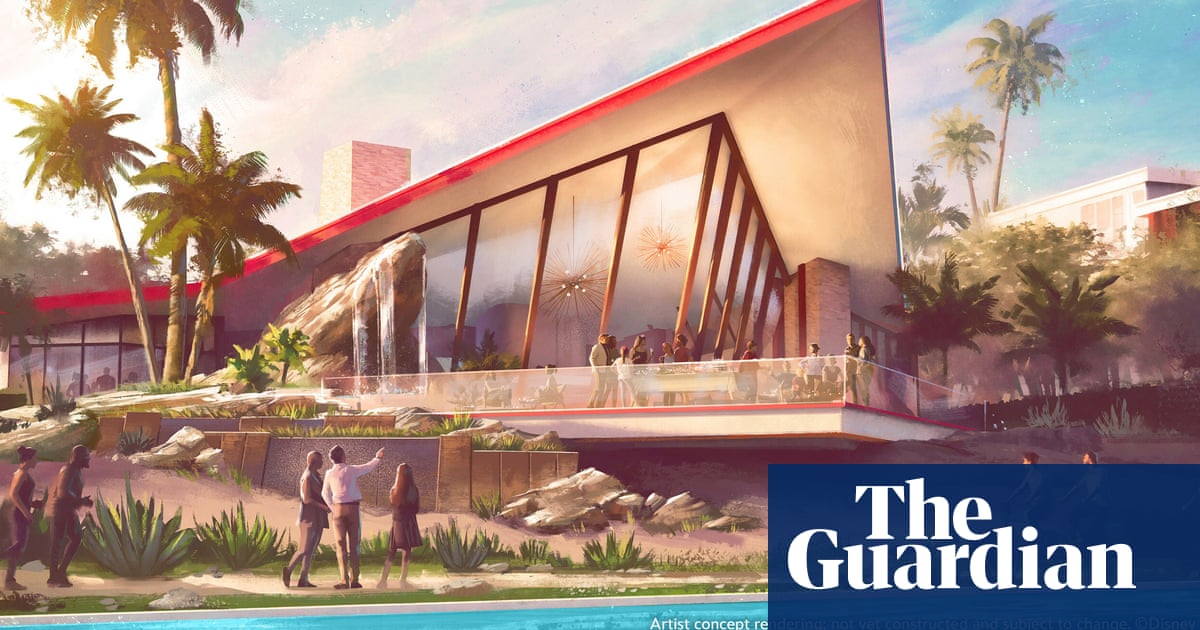
Disney is launching a new community called Cotino, offering 2,000 themed homes in California's desert city of Rancho Mirage, where every aspect of life will be curated by the entertainment corporation. The homes, starting at over $1m, promise to be infused with Disney's magic, and residents will have access to Disney-themed activities and services. This move represents Disney's expansion into property development, capitalizing on loyal fans' emotional attachment to the brand, and is part of the company's century-long tale of bringing its themed fairy dust into various aspects of people's lives.
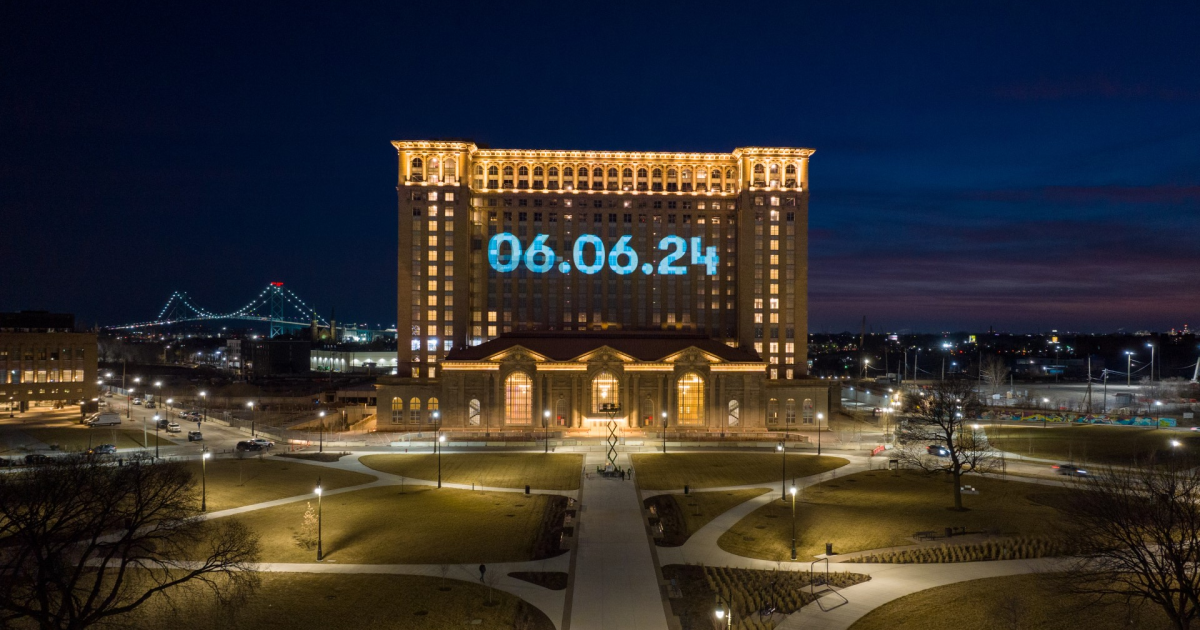
The old Michigan Central Station in Detroit is causing a stir as a date, June 6, 2024, is being projected onto it, with officials teasing that answers are coming soon. Ford Motor Company, which bought the station in 2018, has been working on rehabilitating the property for the last 5 years as part of the Michigan Central Mobility Innovation District. The completion of the station was expected late last year, but with no word from Ford, it is anticipated to take another 4 to 6 months to get it ready for tenants.
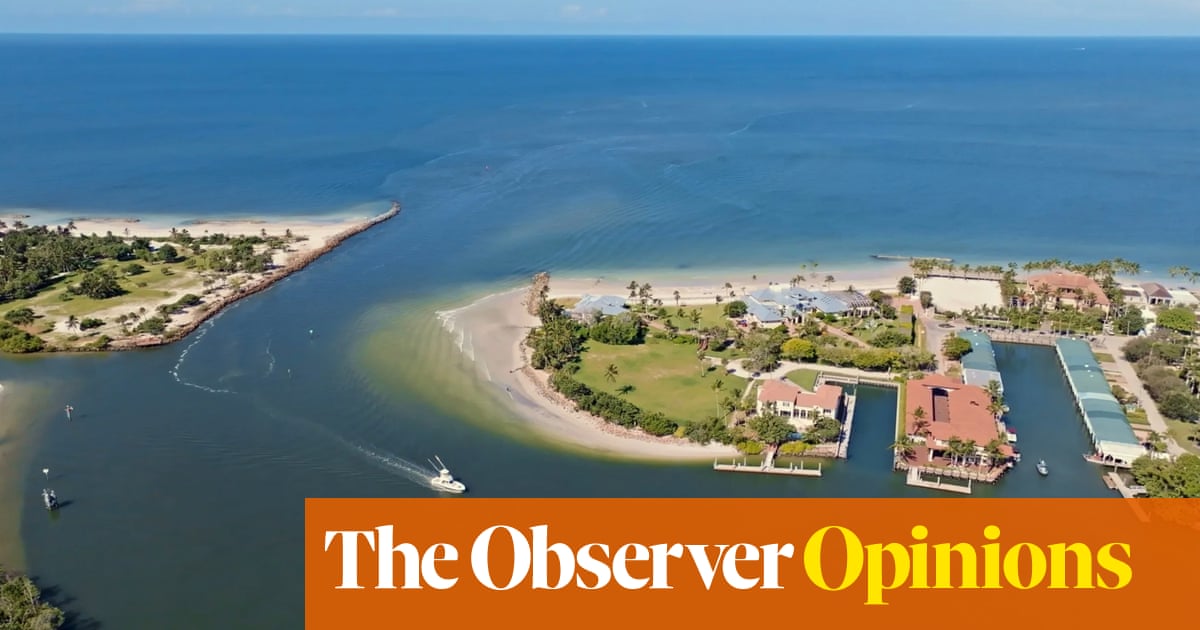
A family of property developers in Florida is seeking climate-crisis deniers to buy a $295m waterfront property in an area highly vulnerable to climate impacts, with sea levels rising three times faster than the global average. Meanwhile, alarming forecasts from major offshore wind companies indicate struggles with cost hikes, delays, and high inflation, leading to a 30% increase in offshore wind expenses. Additionally, the broadcasting regulator Ofcom ruled that a GB News presenter was free to express views linking Covid vaccines to "turbo cancer" in children, despite being entirely fictional.
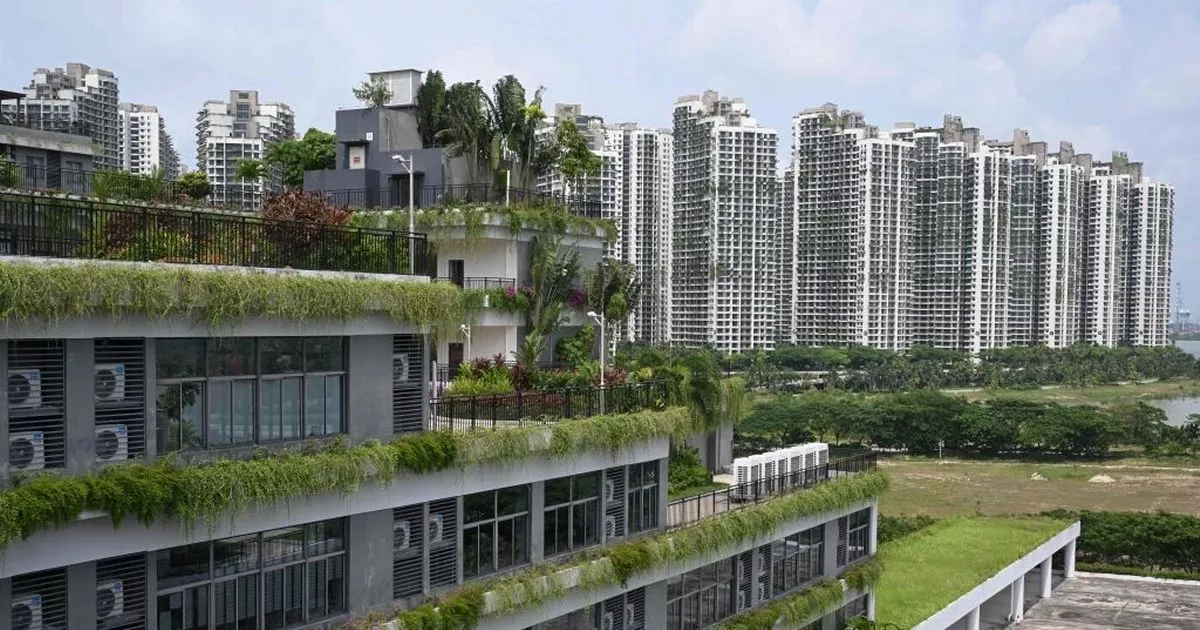
Forest City in Johor, Malaysia, a massive housing complex intended to accommodate thousands of Chinese families, is largely empty and has earned the nickname "Ghost City." Only 1% of the dwellings are occupied, and many of the buildings and amenities, including shopping centers and playgrounds, have been abandoned. The development's slow progress, remote location, and declining property values have contributed to its desolate state. Similar ghost settlements have emerged in other countries, such as Australia, due to factors like asbestos contamination. The future of projects like Forest City remains uncertain as the property development industry faces challenges and stricter regulations.
Property developer Matt Rogatz, after hitting a wall in his industrial real estate career, decided to embark on a midlife crisis project by purchasing a small-town hotel in Green Lake, Wisconsin. Despite initial reservations about the hospitality industry, Rogatz saw the potential in the hotel and its surroundings. He went on to purchase additional properties, including a grand waterside villa, a local spa, and a bar and restaurant, creating a full-fledged tourism operation called Our Green Lake. Rogatz aims to attract more tourists to Green Lake, promoting it as an alternative to the crowded Lake Geneva. He plans to market to adventure sports groups, offer winter activities, and revitalize vacant properties to create a "renaissance" for the town.
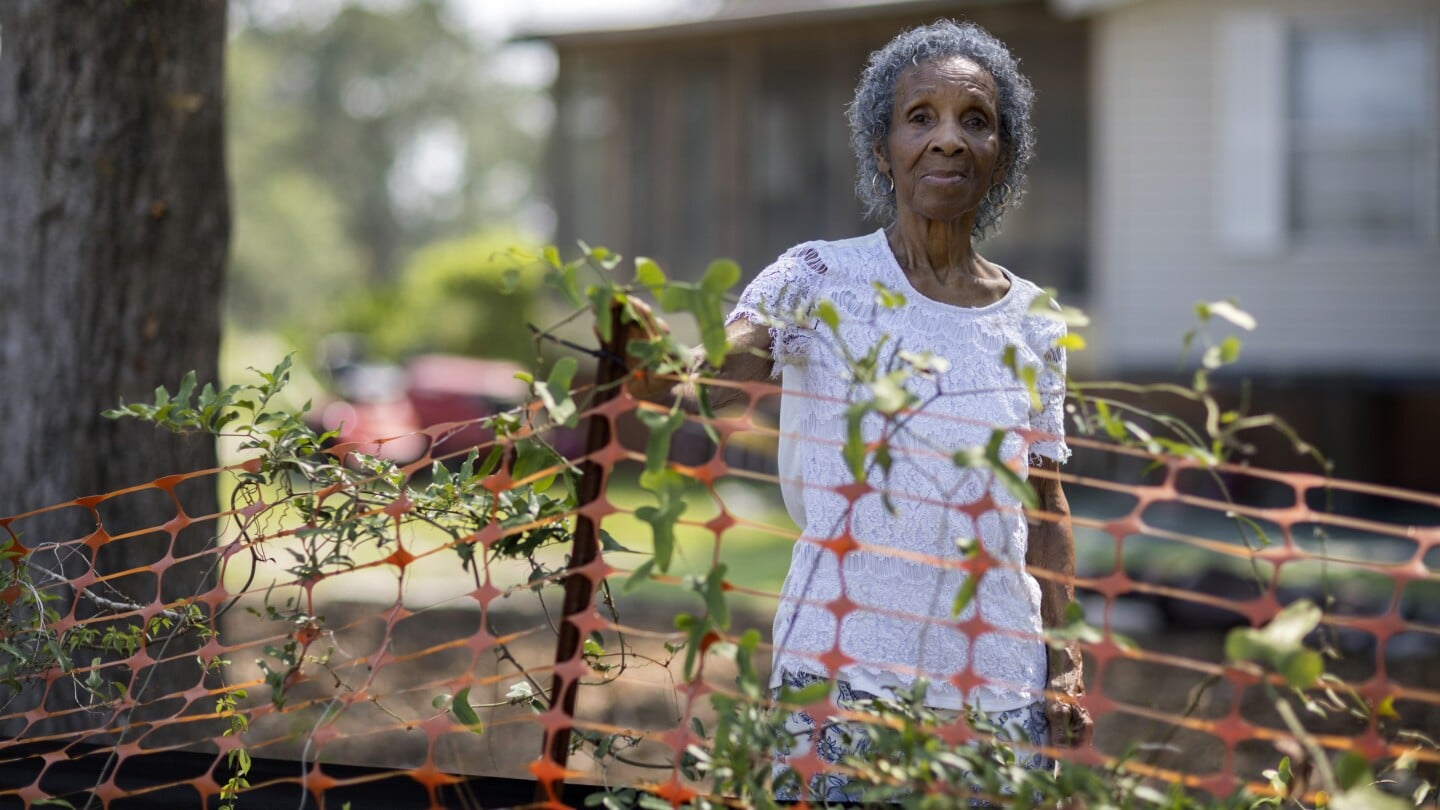
Developers targeting land owned by descendants of enslaved people in South Carolina are threatening the property and history of historic settlement communities. Rising property taxes and assessments, along with the exploitation of heirs' property, are making it difficult for Black landowners to maintain their ancestral land. State reforms have provided some protection, but the threat of gentrification and the loss of family legacies remain. Efforts are being made to preserve African American property and provide tax incentives for historic communities. The struggle to protect land and maintain ownership is becoming increasingly challenging, with costly legal battles and the encroachment of commercial enterprises.