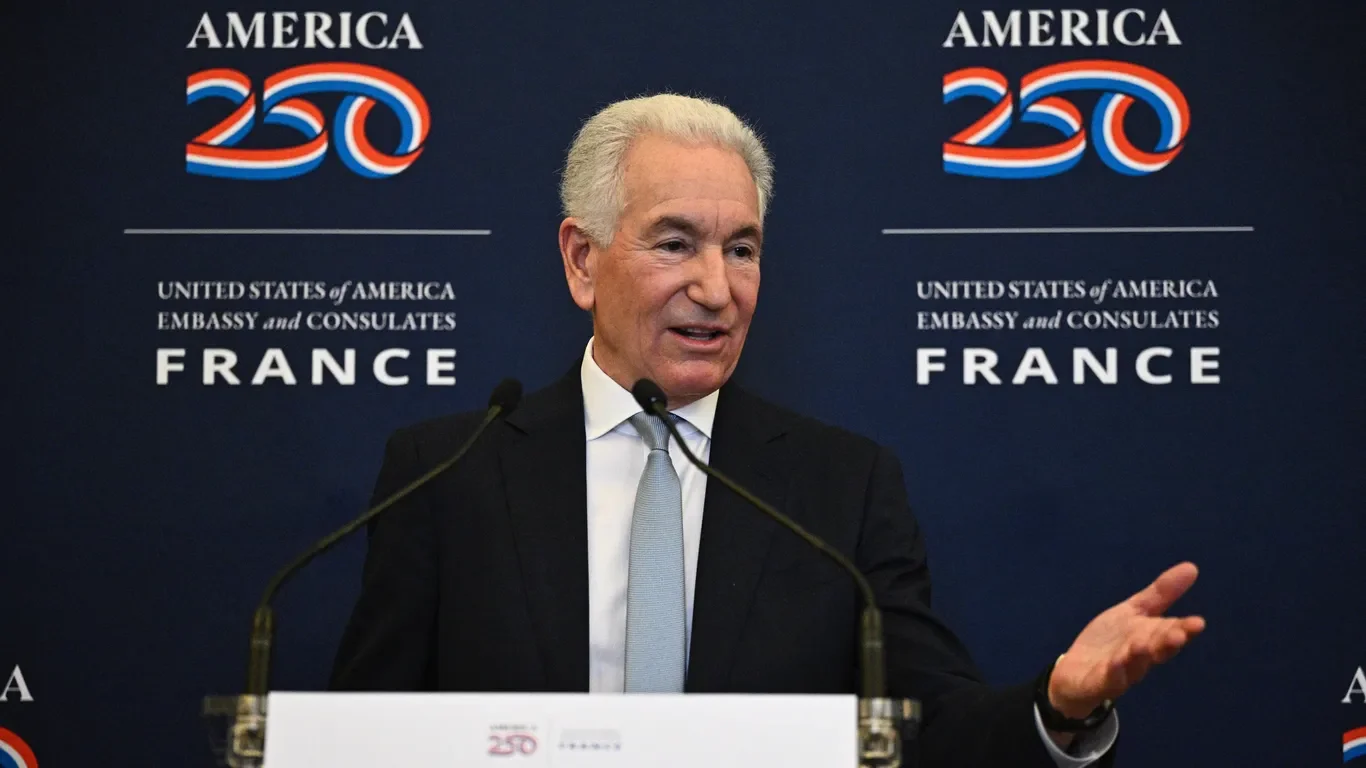
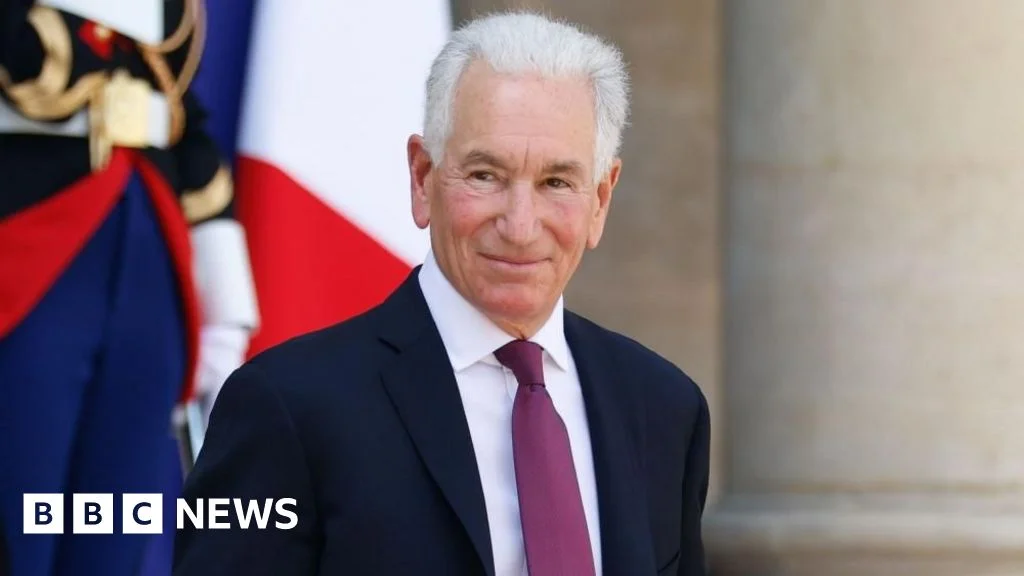
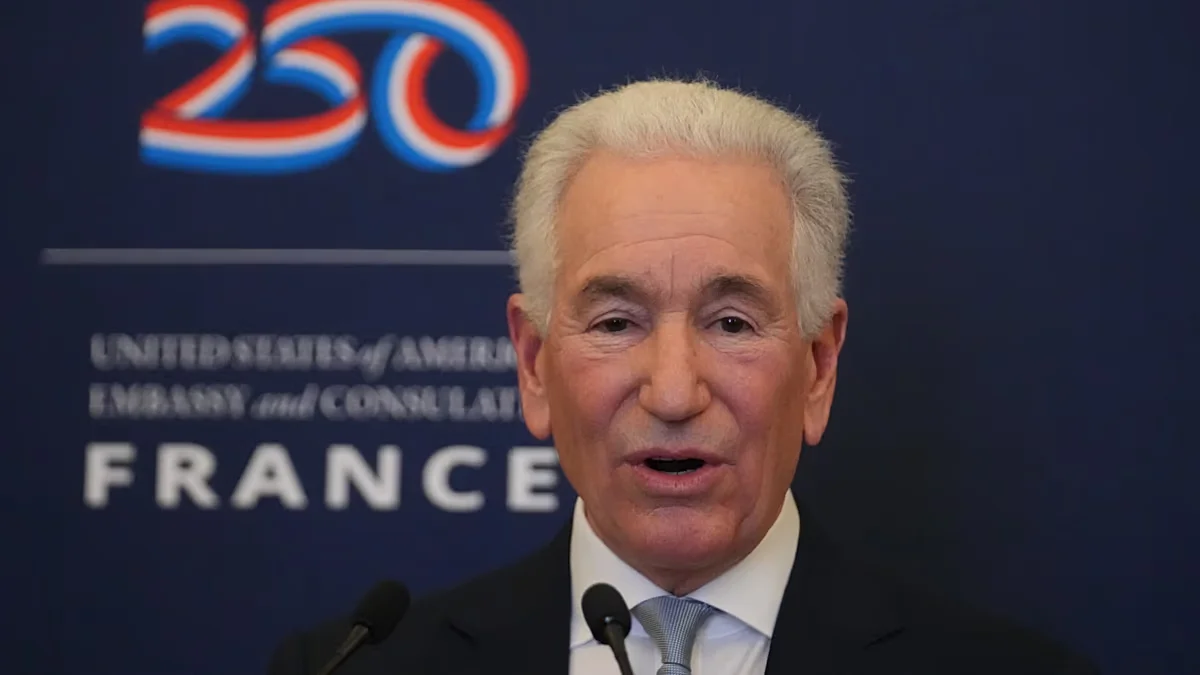
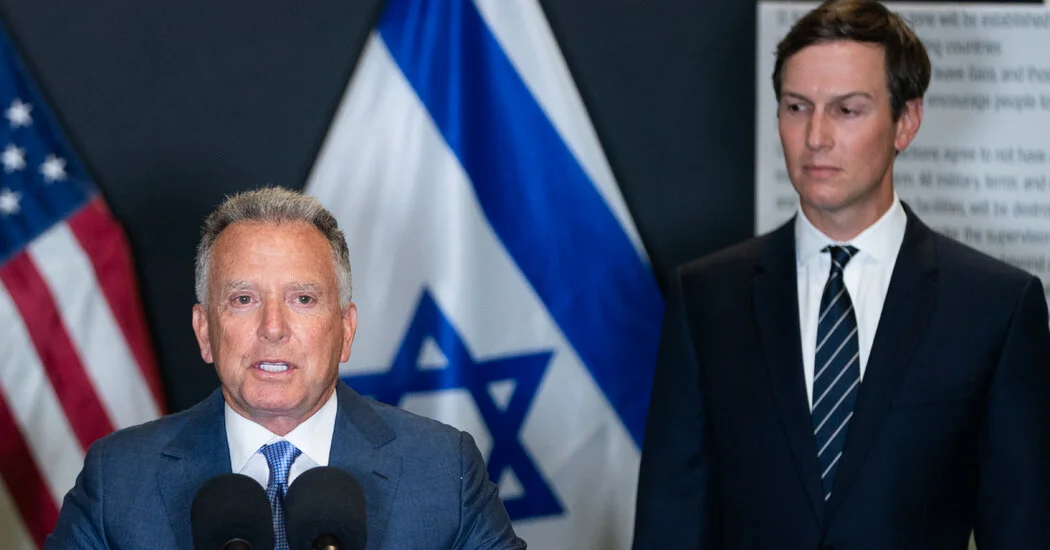
France blocked U.S. Ambassador Charles Kushner from meeting French officials after he failed to appear when summoned, underscoring a pattern of friction between Trump-era ambassadors and foreign governments.
US Ambassador Charles Kushner pledged not to interfere in France after missing a ministerial summons amid a row sparked by a US embassy post on violence; French Foreign Minister Jean-Noel Barrot had barred Kushner from direct access to ministers, but they spoke by phone and plan a face-to-face meeting to mend ties while France defends its right to public debate.
France barred U.S. Ambassador Charles Kushner from direct access to French ministers after he failed to attend a summons to discuss comments by the Trump administration about Quentin Deranque’s death; Foreign Minister Barrot said Kushner can still perform his diplomatic duties but cannot meet French officials directly, signaling strains in France–U.S. diplomacy ahead of the 2027 presidential vote. The move follows a prior August dispute over a letter to Macron on antisemitism and related U.S. statements about Deranque.
France barred US ambassador Charles Kushner from direct access to French ministers after he failed to attend a foreign ministry briefing on US comments about the killing of a far-right activist in Lyon; Kushner’s no-show is his second since taking the post, though he can still engage with ministry officials as diplomats seek to smooth tensions amid ongoing investigations and international reactions surrounding the case.
Trump leans on informal diplomacy led by Steve Witkoff and Jared Kushner, sidelining traditional channels to press Iran over its nuclear program and to negotiate Ukraine-Russia issues. Seen by supporters as flexible dealmaking, the approach draws scrutiny over inexperience and potential conflicts of interest, as Iran and Russia employ delaying tactics while Washington signals military pressure.
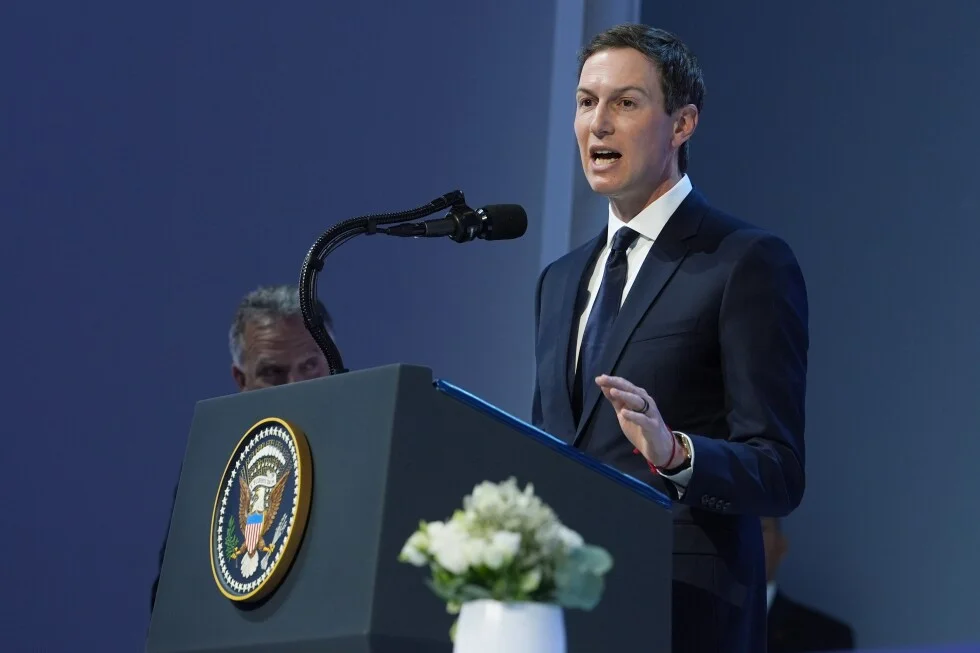
Kushner unveiled a “New Gaza” concept at Davos, proposing a free-market-led development with skyscrapers and tourist districts; however, analysts warn it would deny Palestinian agency and culture, resemble disaster-capitalism and colonial projects, and faces feasibility hurdles like Hamas disarmament, raising concerns that such plans profit from conflict rather than empower Palestinians.
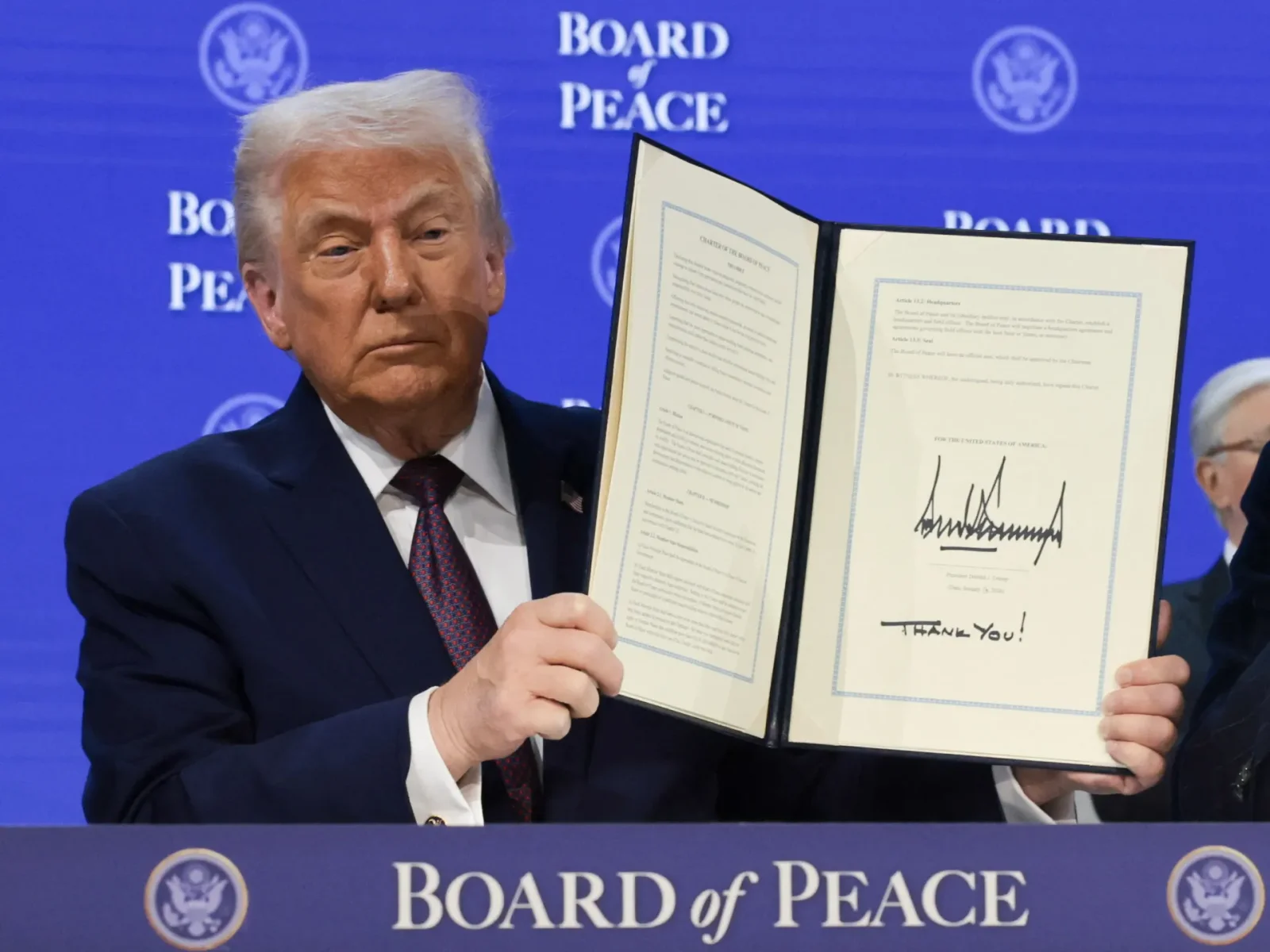
At Davos, Jared Kushner unveiled the Trump administration’s 'Board of Peace' plan to redevelop Gaza through a four-phase rebuild from Rafah to Gaza City, featuring 100,000+ new housing units, a coastal tourism zone with hundreds of skyscrapers, a new port and airport, and about $25 billion in investment intended to create 500,000 jobs and boost GDP to roughly $10 billion by 2035. The plan emphasizes security and demilitarisation but has drawn sharp criticism as an imperial, investor-led project with no Palestinian consultation and unclear funding, sovereignty, or statehood provisions. Netanyahu sits on the board, and US-backed leaders say the effort could extend beyond Gaza, while Palestinian groups and civil society warn it ignores rights and war-crimes justice.}
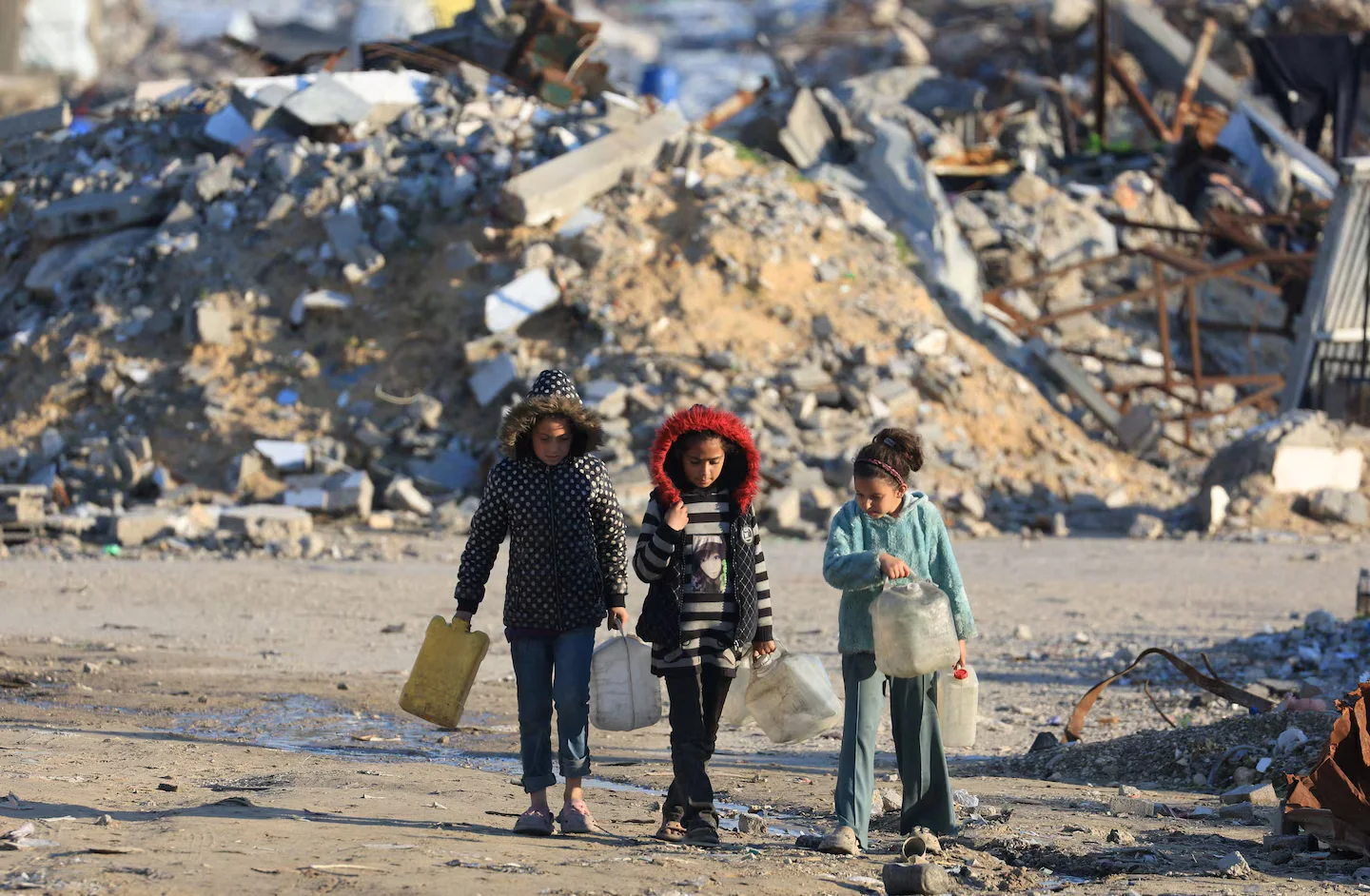
Jared Kushner pitched a rapid Gaza reconstruction at Davos, envisioning new cities, a port, an airport, and tourism zones if security holds. In reality, Hamas disarmament and ongoing Israeli-Palestinian violence create major hurdles, and a U.S.-backed NCAG would oversee a move toward Palestinian Authority governance—a step Israel opposes. The plan’s price tag is about $70 billion per UN/EU/World Bank estimates, with rubble clearance projected to take more than seven years and demining to follow, sparking questions about interim housing and logistics as residents remain displaced.
President Trump named Jared Kushner, Marco Rubio and Tony Blair to a Gaza reconstruction ‘Board of Peace,’ a move Israel said wasn’t coordinated with it and which drew objections as Washington pushes to revive Gaza amid ongoing conflict and Hamas concerns.
The Trump administration plans to reveal a Gaza postwar governance framework, naming Nickolay Mladenov as high representative to oversee a 14‑member Palestinian technocratic committee running day‑to‑day civil affairs, while a US‑Israeli civilian team led by Jared Kushner and Steve Witkoff pursues a phase‑two ceasefire with quick wins such as reopening Rafah, expanding medical aid and easing imports, plus an executive board of international backers. The push faces funding gaps, political risk, and doubts about Hamas disarmament and reconstruction, with criticism of the Gaza Humanitarian Foundation and concerns that the Sunrise redevelopment plan is detached from ground realities; Davos diplomacy will be used to marshal support, but progress hinges on broader security concessions and real on‑the‑ground capacity.
Witkoff and Kushner are set to attend the Ukraine Coalition of the Willing meeting amidst broader geopolitical tensions, with recent articles highlighting Europe's cautious stance towards Russia and the US's unpredictable commitments, especially under Trump's administration.
Jared Kushner has proposed a $112 billion plan to transform Gaza into a high-tech hub and tourist destination, but the project faces significant political and logistical challenges, including Hamas disarmament and extensive physical reconstruction efforts.
Russian envoy Kirill Dmitriev is visiting Miami to discuss Ukraine peace negotiations with U.S. officials, including progress and remaining issues, amid ongoing talks involving Ukraine and Russia.
Paramount's hostile bid for Warner Bros. is collapsing after President Trump publicly criticized CBS News, leading Jared Kushner to withdraw his investment, and reports suggest Warner Bros. plans to reject the bid due to financing concerns.
Affinity Partners, linked to Jared Kushner, has withdrawn from Paramount's bid for Warner Bros. Discovery, as the company prepares to reject Paramount's $30-a-share offer, raising questions about the deal's viability and funding sources amid regulatory and strategic considerations.