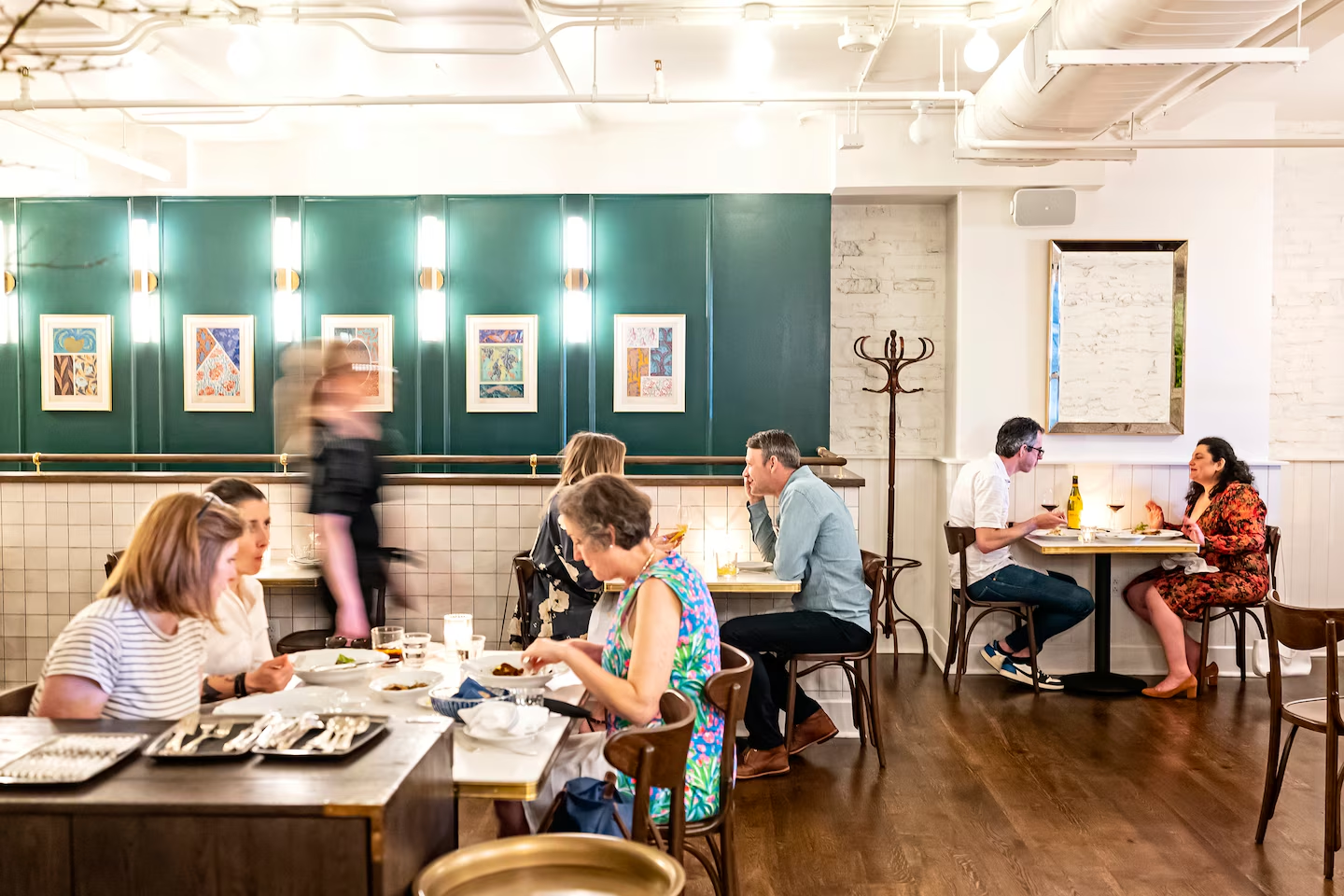
The year 2025 was particularly challenging for Washington D.C.'s restaurant industry, with numerous closures including the historic Beuchert’s Saloon, reflecting ongoing struggles in the hospitality sector as it braces for more difficulties in 2026.
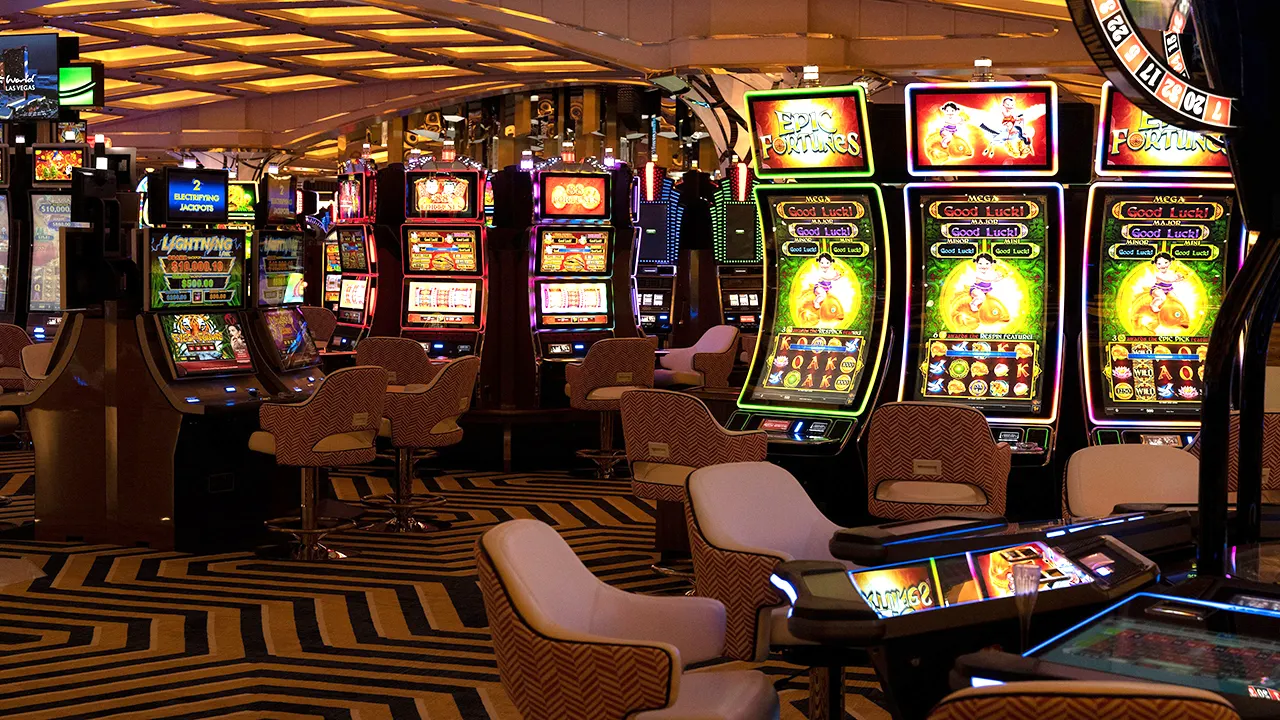
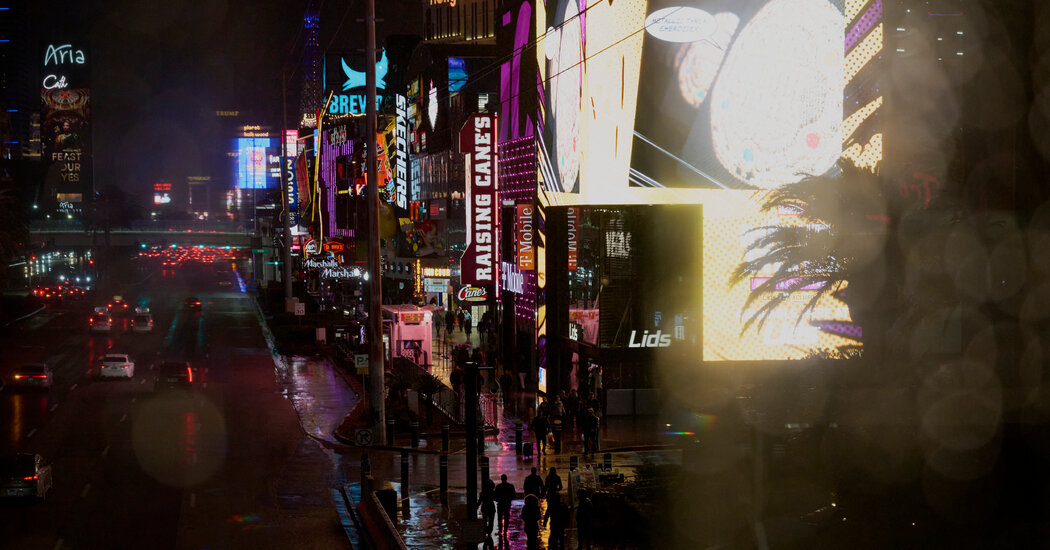
Las Vegas is experiencing a significant drop in tourism, leading to a stagnant job market with fewer shifts for service workers, despite a slight decrease in Nevada's unemployment rate. The decline in visitor numbers has impacted hotel occupancy, revenue, and employment in the hospitality sector, although gaming revenue has seen a modest increase.
A year after Hurricane Helene devastated Asheville, the city is hoping for a strong fall tourist season to help revive its struggling hospitality sector, which has faced significant losses, closures, and workforce challenges due to the storm's destruction and ongoing economic headwinds.
A Reddit thread reveals surprising and sometimes shocking behind-the-scenes secrets from hotel workers, including handling of dead guests, contamination practices, guest misconduct, and the use of deception to satisfy high-end clients.
Bar K, a popular dog-friendly venue in Kansas City, along with its locations in St. Louis and Oklahoma City, has announced the immediate closure of all its sites due to multiple challenges including economic pressures, construction issues, and reduced consumer spending, marking the end of its community-focused operations since 2018.
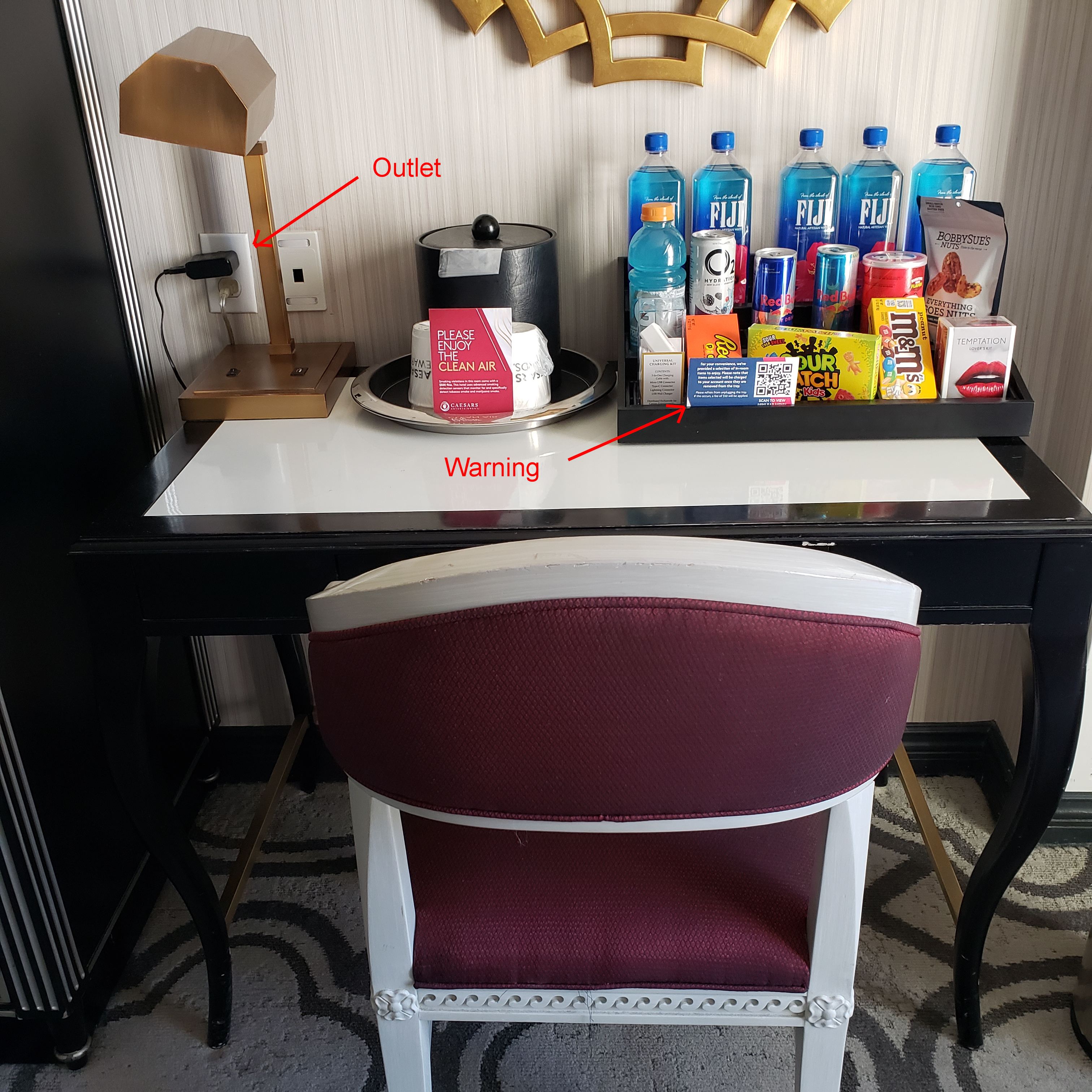
Las Vegas is experiencing a significant decline in tourism, partly due to hidden and unexpected fees like a $50 charge for unplugging a cord at Paris Las Vegas, along with broader economic pressures such as inflation, high wages, and reduced visitor numbers, leading to a backlash against fees and a drop in hotel occupancy and revenue.
The UK government has decided not to implement a smoking ban in pub gardens to avoid harming the hospitality industry, but is considering banning smoking in children's playgrounds and outside schools and hospitals. The Tobacco and Vapes Bill aims to create a smokefree generation by prohibiting cigarette sales to those currently aged 15 or under. The government also plans to regulate vaping, including banning single-use vapes and restricting flavors and packaging. Health charities support the measures but call for more support to help current smokers quit.
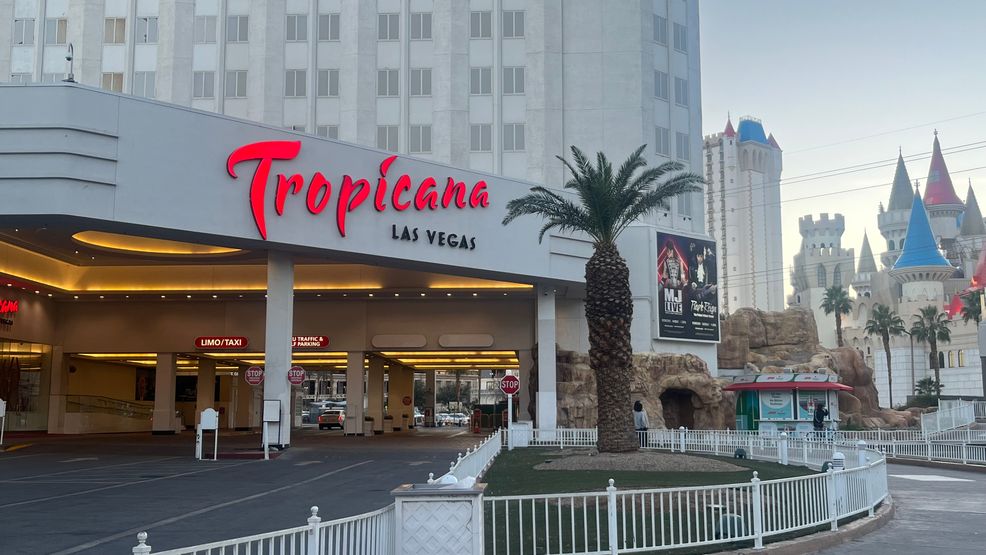
The Tropicana in Las Vegas is selling thousands of items, including guest bedroom furniture and kitchen equipment, ahead of its closure to make way for a proposed Major League Baseball stadium. The sale, currently a private VIP preview, will open to the public possibly next month, with items ranging from king-size beds for $99 to artwork for $1. The iconic Tiffany-style glass ceiling will be preserved, and a date for the public sale will be announced by the liquidations service.
Choice Hotels International has terminated its hostile bid for rival Wyndham Hotels & Resorts after failing to gather enough support from the target's shareholders. The company will also withdraw its nomination of independent director candidates for election at Wyndham's 2024 annual meeting. Ending the takeover bid could result in an upside for Choice, with an analyst upgrading the budget hotel operator to "buy" from "underperform."
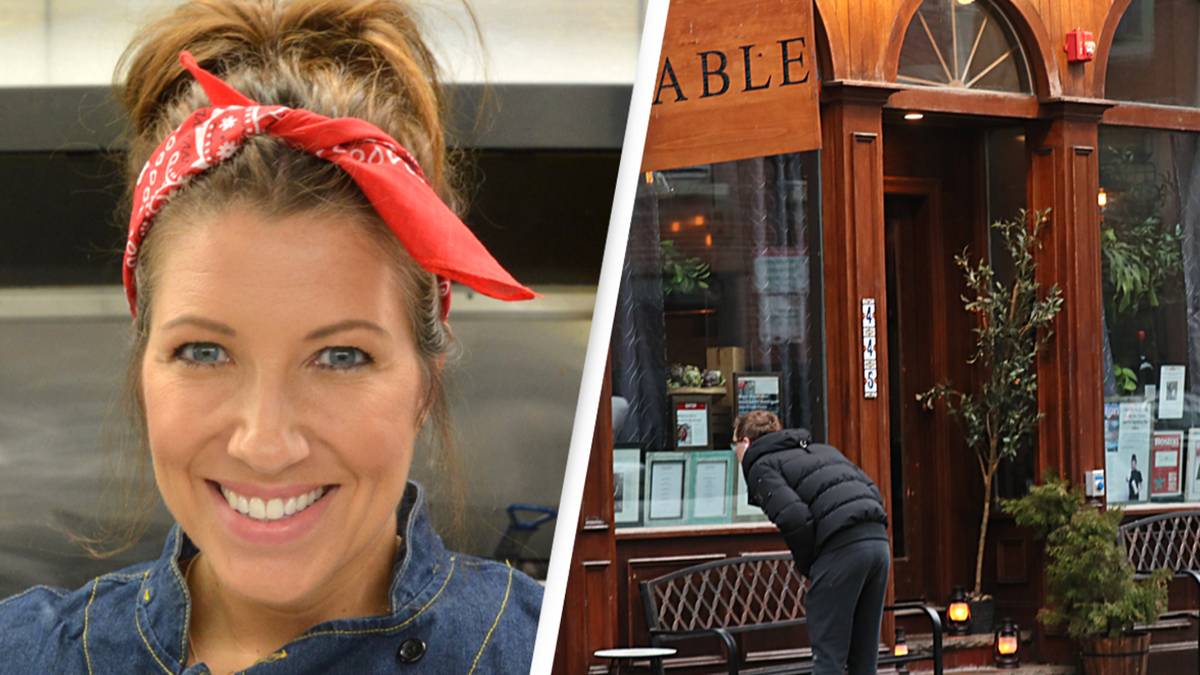
A Boston celebrity chef, Jen Royle, engaged in a public spat with a customer, Trevor Chauvin-DeCaro, who disputed a $250 cancellation fee using his credit card’s travel protection insurance. The customer claimed to have canceled due to a hospitalization, but the chef accused him of disrespecting her restaurant and staff. The dispute has sparked a debate about cancellation fees and customer service, with the chef reportedly receiving death threats as a result.
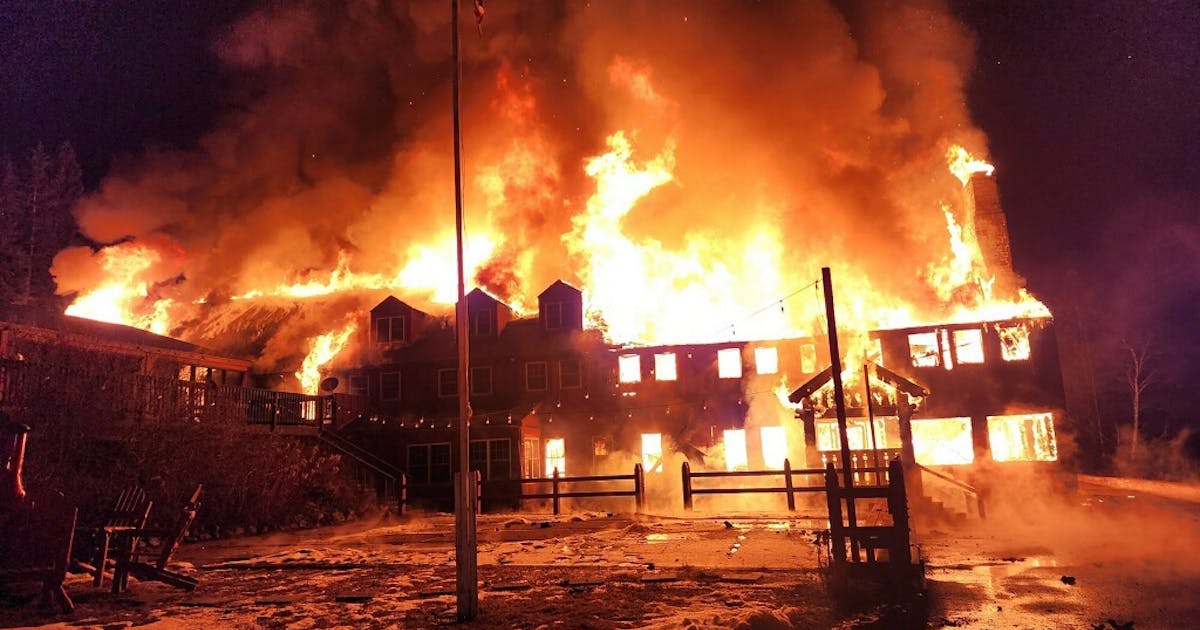
The owner of Lutsen Lodge has spoken out about the financial difficulties faced by the business and addressed rumors of arson, emphasizing that the challenges are due to the broader struggles in the hospitality industry and not criminal activity. The owner highlighted the impact of the pandemic and urged support for small businesses in the community.
Despite a bustling economy, Americans in Nevada remain wary due to economic shocks and the state's reliance on volatile casinos. The pandemic and previous crises have eroded confidence, particularly in the hospitality industry, which is crucial in determining the outcome of the presidential election in battleground states like Nevada.
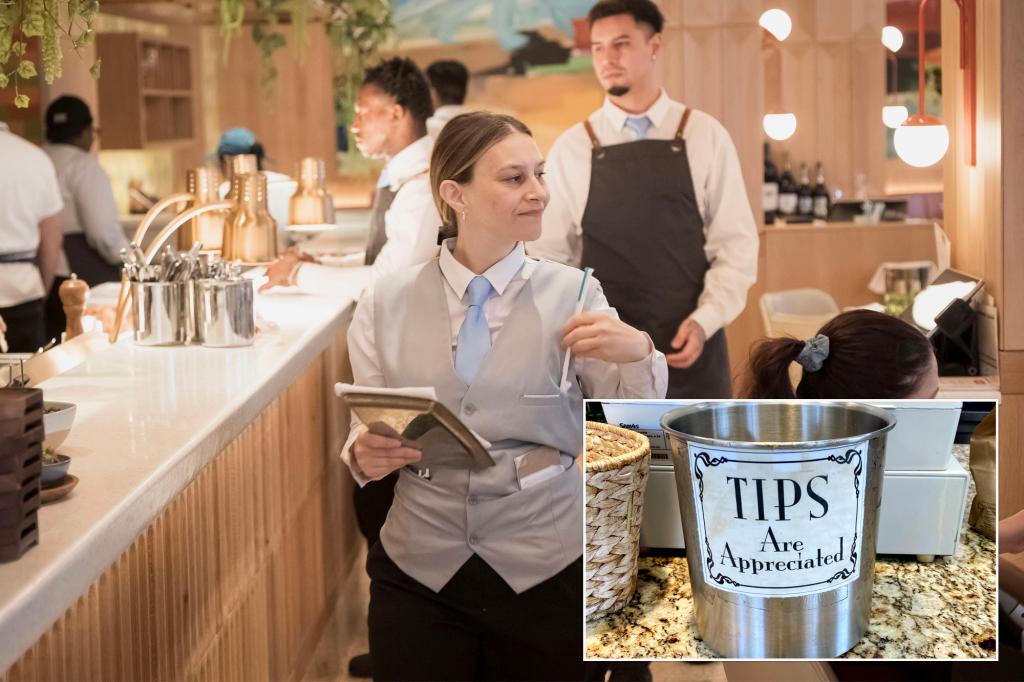
New York City restaurant workers and diners are divided over a proposed law to eliminate the "tip credit" system, which allows eateries to pay wait staff less than minimum wage if their tips bring their total earnings to at least the minimum wage. While restaurant owners oppose the change, workers argue that it would make wages fairer and more stable. Diners are also feeling the strain of increasing tip requests and are divided on whether tipping should be necessary for workers to make a living wage. The potential impact of the proposed law includes increased costs for restaurant owners, potential menu price hikes, and possible job cuts.
The annual CES technology trade show in Las Vegas showcased a variety of robots, including baristas and chefs powered by artificial intelligence, raising concerns among casino union workers about potential job displacement. The Culinary Workers Union recently negotiated new contracts with provisions for job protection against technological advancements, including $2,000 in severance pay for each year worked if a job is eliminated by tech or AI. While some argue that AI can help fill labor shortages, experts warn that jobs in the hospitality industry, such as housekeeping and food preparation, are at risk. The union and its members acknowledge the industry's evolution but express concerns about the increasing reliance on technology.
Franchise owners of Choice Hotels are pushing back against the company's attempted merger with rival Wyndham Hotels, citing concerns about reduced competition and potential harm to their businesses. The Asian American Hotel Owners Association conducted a survey revealing that 77% of respondents believed the merger would negatively impact their hotels. Franchisees argue that consolidation in the industry has already tilted the balance of power in favor of brand owners, leaving them with fewer options and less leverage to demand better services at lower costs. The opposition from hotel owners could pose a hurdle for Choice Hotels as it seeks approval from the Federal Trade Commission for the merger.