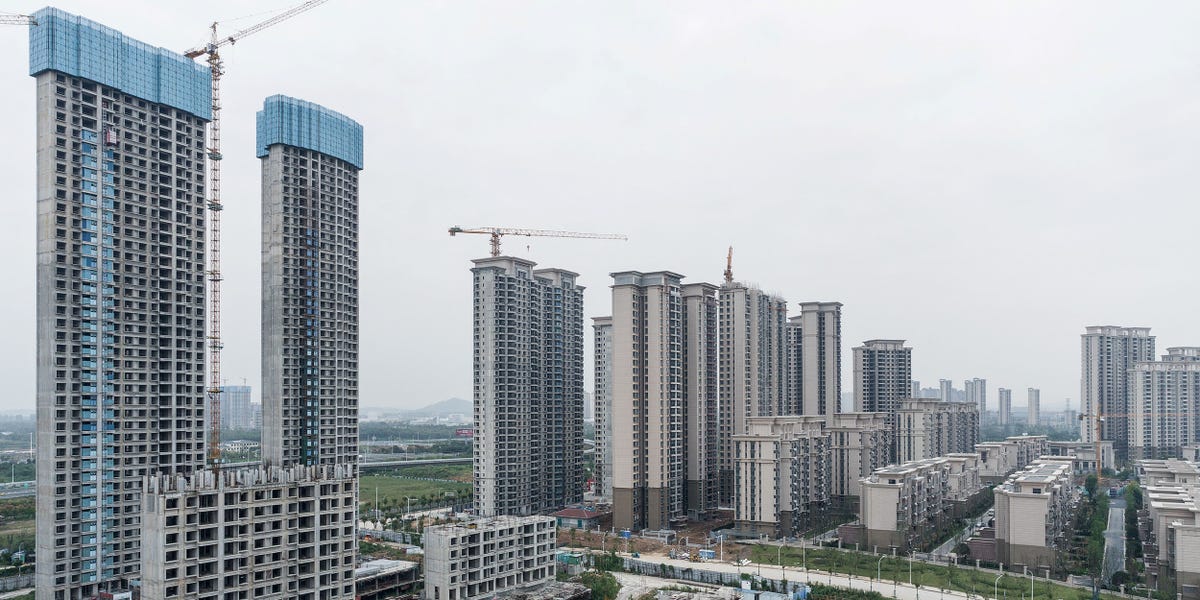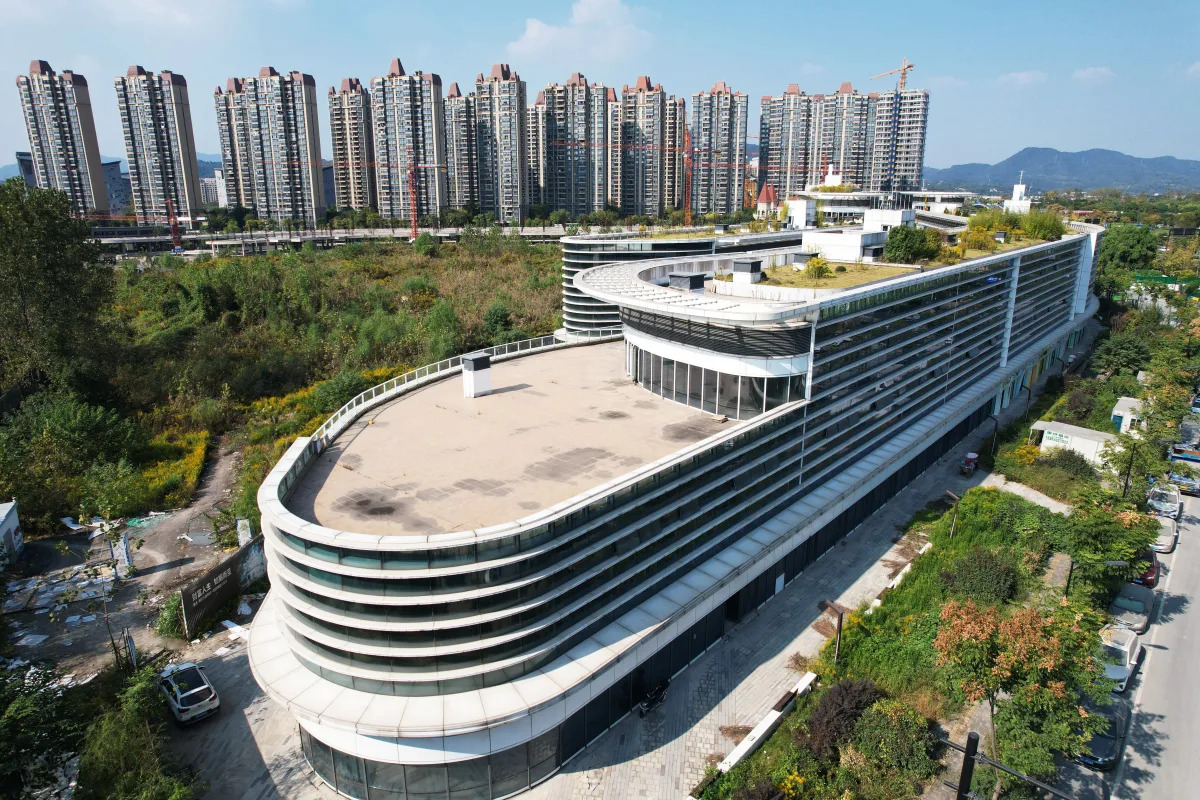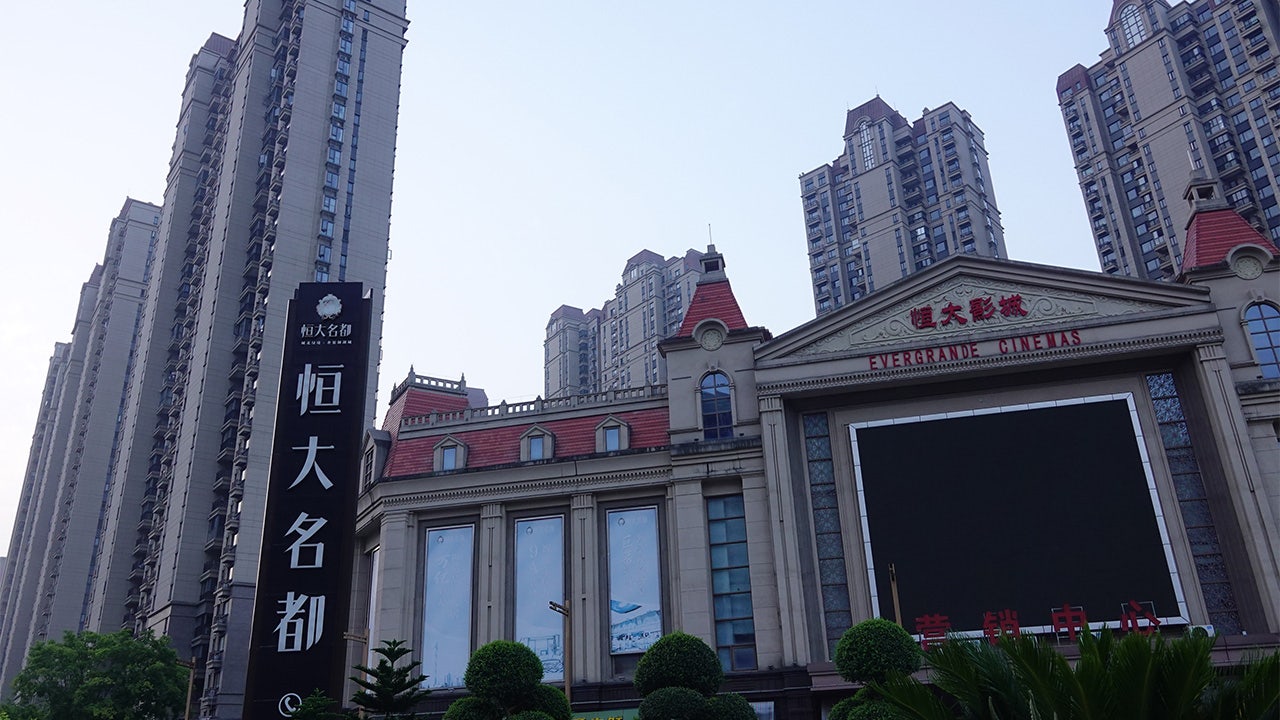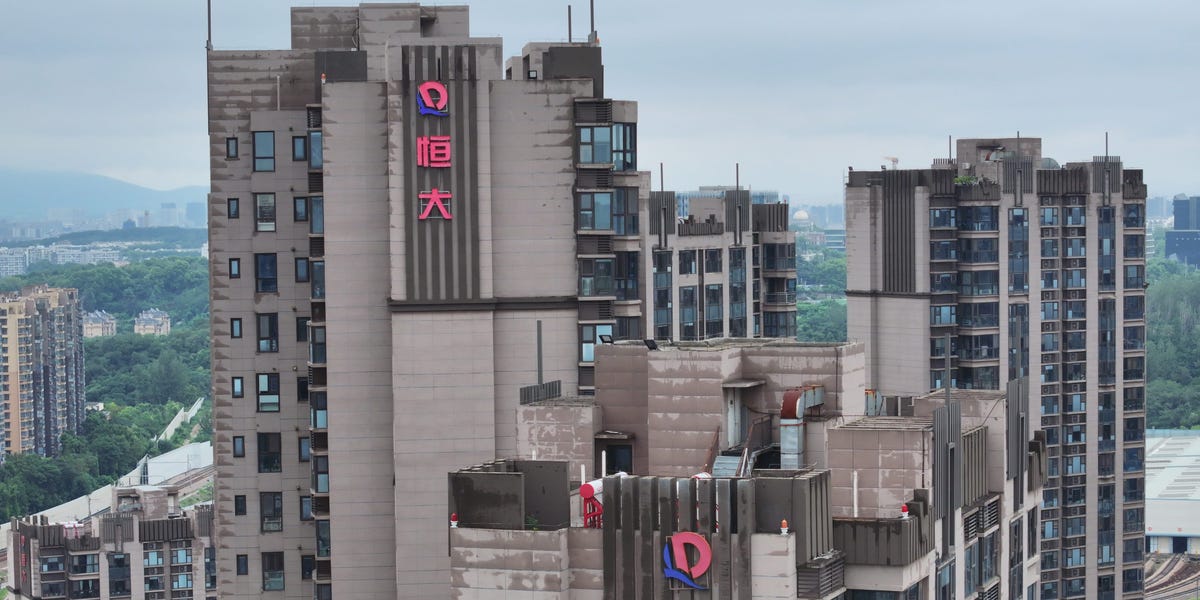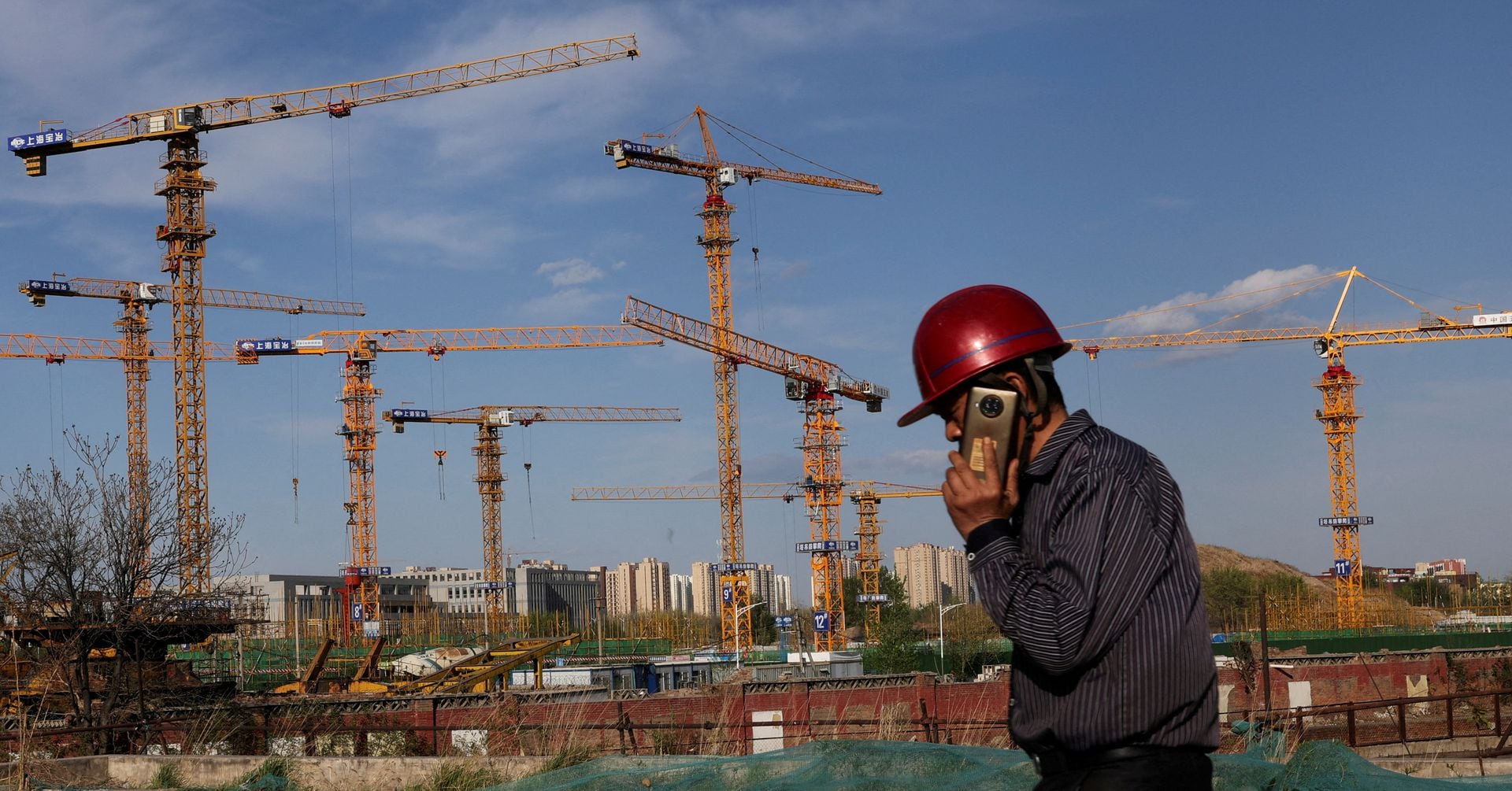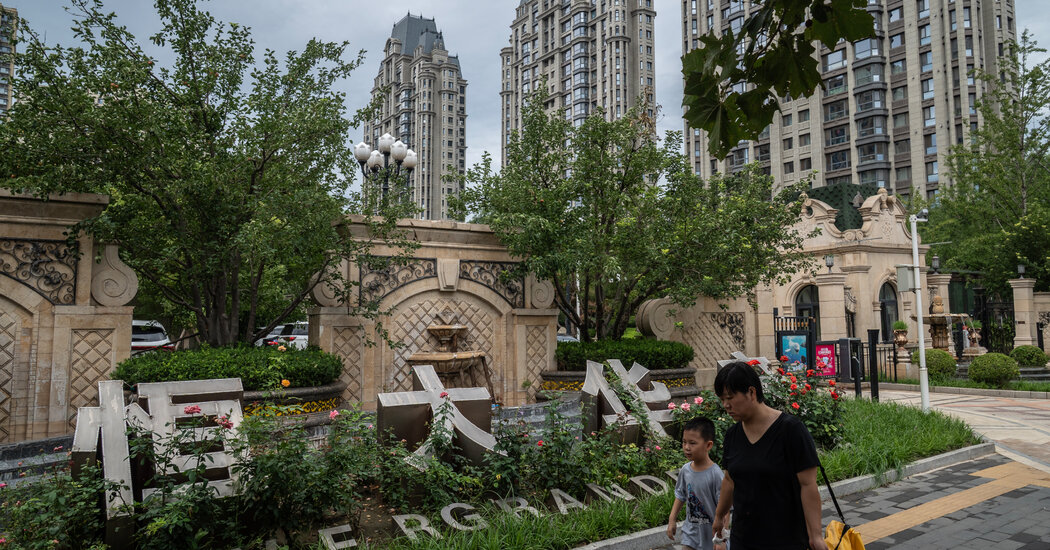
China's property crisis, exemplified by the collapse of Evergrande, continues to deepen five years after its onset, reflecting a prolonged slowdown in real estate values and significant economic repercussions, with the company delisted from the Hong Kong Stock Exchange amid ongoing financial difficulties.
China's economy grew by 4.7% in the second quarter of 2024, falling short of expectations and the government's annual growth target of around 5%. The slowdown comes amid a prolonged property crisis, high local government debt, weak consumption, and high unemployment. As top leaders gather for the Third Plenum, there are hopes for significant reforms, though economists are skeptical about immediate impacts. The property sector's struggles, weak demand, and cautious consumer spending further complicate the economic outlook.
The IMF has upgraded China's GDP growth forecast for 2024 to 5% from 4.6%, citing a strong first quarter and new policy measures. However, it warns of slower growth in the coming years due to an ageing population and productivity issues, projecting a decline to 3.3% by 2029. The property sector crisis remains a significant risk, and the IMF suggests more comprehensive policies are needed to address it.
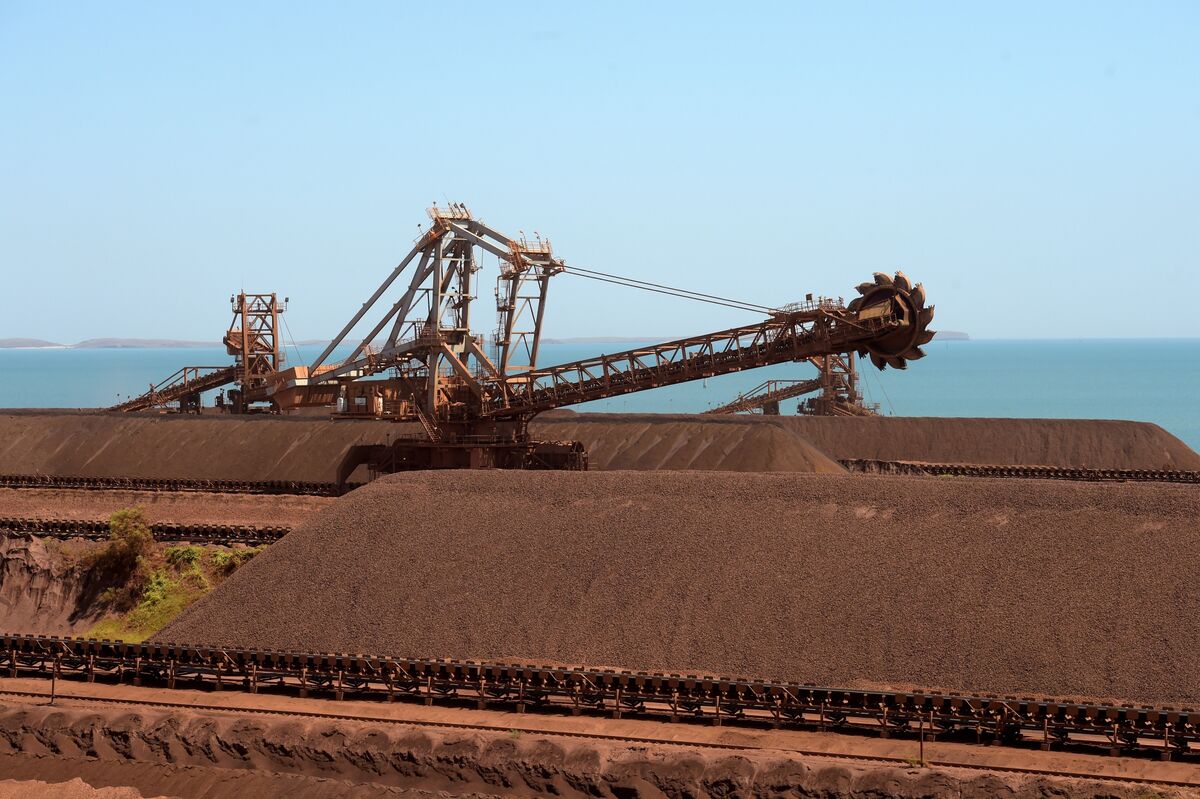
Iron ore prices hit a 10-month low due to concerns over China's property crisis, but rebounded as optimism about the country's economic recovery outweighed steel market weakness, with futures in Singapore rising 2% to above $102 a ton. Government data showed manufacturing PMI in March rose to the highest in a year, snapping a five-month contraction and beating market expectations.
China's ongoing real estate crisis could worsen as concerns mount over state-backed developer Vanke seeking debt maturity extensions, raising fears of a potential default that could undermine confidence in all property developers in the country. Despite being considered financially sound, Vanke's reported cash crunch has led to a downgrade by Moody's and prompted Beijing's intervention to coordinate discussions with banks and creditors to avert a default. The situation highlights the significance of state-backed developers in China's economy and the potential for broader economic repercussions both domestically and globally.
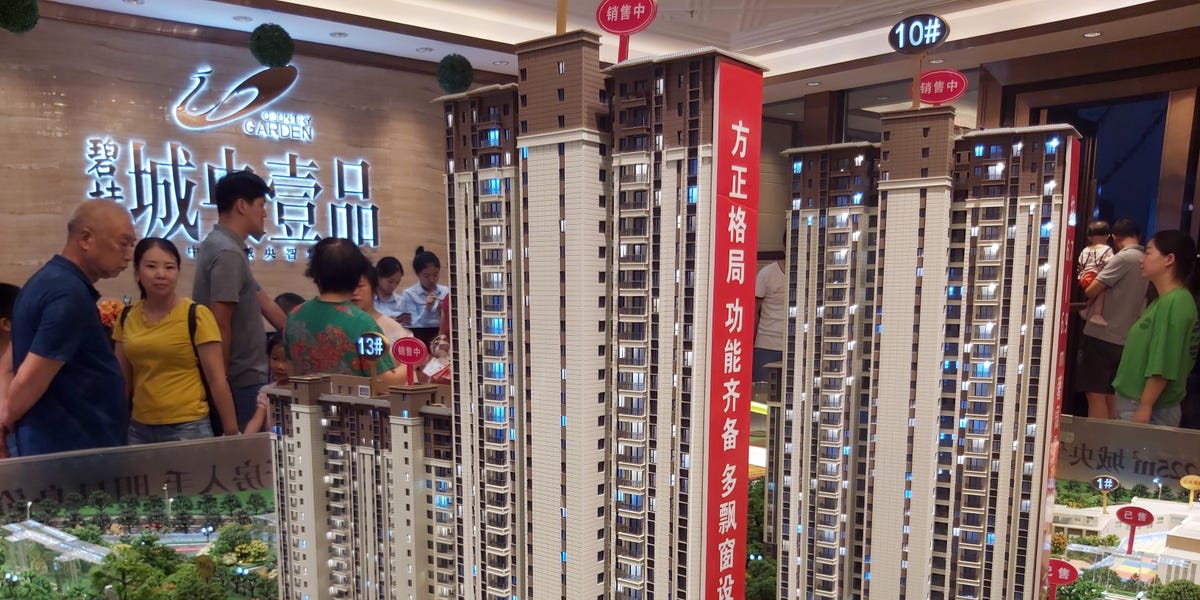
China's housing minister stated that deeply troubled real-estate companies must go bankrupt and be restructured, emphasizing the government's focus on ensuring delivery of property projects rather than protecting developers' businesses. This indicates no policy shift for China's housing sector, dispelling speculation that the country is relaxing its crackdown on debt in the sector. The statement comes amidst the ongoing real-estate debt crisis that has already led to the liquidation of property giant Evergrande and a petition for liquidation against Country Garden, reflecting Beijing's stance on addressing the years-long real-estate crisis.
China's central bank has made its largest-ever cut to the key mortgage reference rate, reducing the five-year loan prime rate from 4.2% to 3.95% in an effort to bolster the housing market, which has been hobbled by a prolonged property crisis since 2021. The move aims to reduce pressure on the property sector and revive new home sales, as dozens of major developers have defaulted on their debt and the crisis has triggered widespread protests. China's economy also faces challenges such as deflation, low confidence, accelerated capital flight, and a prolonged stock market slump.
A Hong Kong judge has ordered the bankrupt Chinese real estate giant Evergrande to liquidate, citing the company's failure to present a stable restructuring plan more than two years after its default. The decision adds to the woes of the heavily indebted property developer, which has become emblematic of China's property crisis. The move raises concerns about the potential impact on China's economy as growth slows, and offshore investors are closely watching how Chinese authorities will handle foreign creditors in the wake of the liquidation ruling.
Debt-laden Chinese property giant Evergrande has been ordered to liquidate by a court in Hong Kong after failing to come up with a plan to restructure its debts, sending shockwaves through global financial markets. The company's shares fell by more than 20% in Hong Kong after the announcement, and trading has been suspended. The liquidation order does not necessarily mean that Evergrande will go bust and collapse, but it has left many home buyers waiting for their new properties and may have a significant impact on China's financial markets.
A Hong Kong court has ordered the liquidation of China Evergrande Group, the world's most indebted developer with over $300 billion in liabilities, which defaulted on its debt in 2021, exacerbating China's struggling property sector. The move is expected to impact China's financial markets and economy, complicating the ongoing efforts to rejuvenate growth. The liquidation process could take months or years to unfold, potentially affecting Evergrande's operations and home construction projects. This decision comes amid a series of liquidation orders for Chinese developers in the wake of the debt crisis.
China's 2023 GDP grew by 5.2%, slightly exceeding the official target, but the economic recovery was unsteady due to a deepening property crisis, deflationary risks, and weak demand. Despite government support measures, December indicators revealed slowing retail sales, tepid investment, and a grim property market. Analysts anticipate more policy easing as challenges persist, with expectations for a similar growth target in 2024. Concerns also arise from a declining population and youth joblessness, indicating a bumpy road ahead for China's economy.
China's economic growth has failed to meet expectations, with challenges from deflation pressures and a property crisis persisting. Despite hitting its official growth target, the country continues to struggle with issues affecting domestic demand and confidence, including disappointing home prices and property-related spending. Deflation remains a persistent problem, with broad price changes experiencing their longest stretch of quarterly declines since 1999. This has led to calls for stimulus measures to bolster the economy.
China's GDP grew by 5.2 percent in 2023, meeting the government's target, but concerns about growth momentum persist due to a property crisis, weak consumer and business confidence, and global economic slowdown. The population declined for the second consecutive year, with a record low birth rate and a surge in deaths following the lifting of zero-COVID policies. The economy faces challenges such as youth unemployment, declining property market, and geopolitical tensions, while Chinese officials are set to release the growth target for 2024 in March.
Moody's has issued a downgrade warning on China's credit rating, citing the costs of bailing out local governments and state firms, as well as the challenges in controlling the property crisis. The ratings agency lowered the outlook on China's A1 debt rating to "negative" from "stable," expressing concerns about the country's fiscal sustainability and medium-term economic growth. China's Finance Ministry called the decision disappointing and stated that the economy would rebound. The property crisis and local government debt worries are seen as controllable.
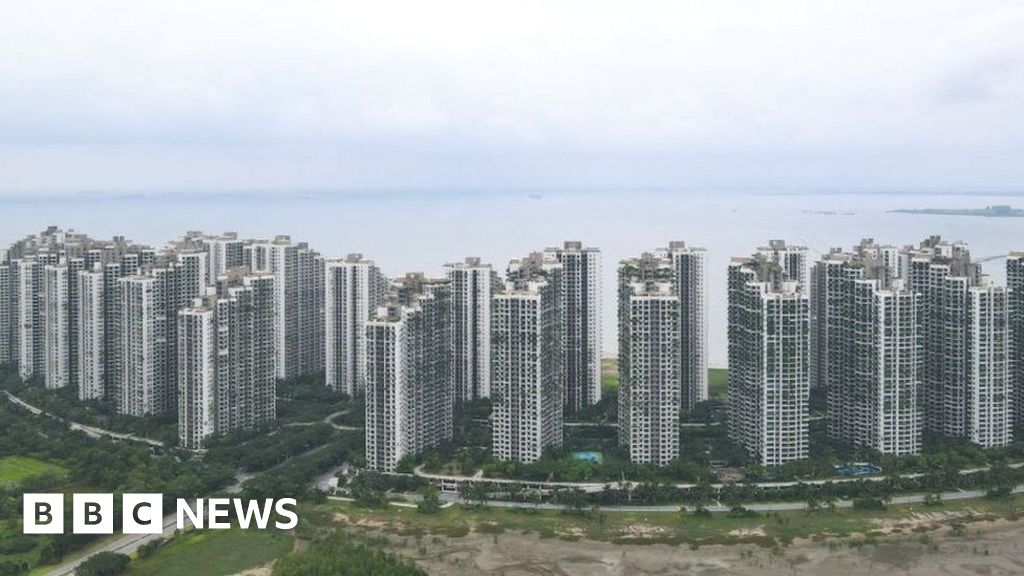
Forest City, a Chinese-built mega-project in Malaysia, was intended to house one million people but currently only has a 1% occupancy rate. The isolated location, high prices, and lack of amenities have deterred potential tenants, earning it the nickname "Ghost City." The project's developer, Country Garden, faces significant debts and the challenges of China's property market crisis. Factors such as visa restrictions, political instability, and Covid-related travel restrictions have further hampered the project. The fate of Forest City and similar projects depends on the Chinese government's support, but the current situation highlights the gap between ambition and reality in China's property market.