ByteDance is set to receive 50% of the profits from a $14 billion TikTok US spin-off, highlighting the significant financial arrangements in the tech industry and the value of TikTok's US operations.
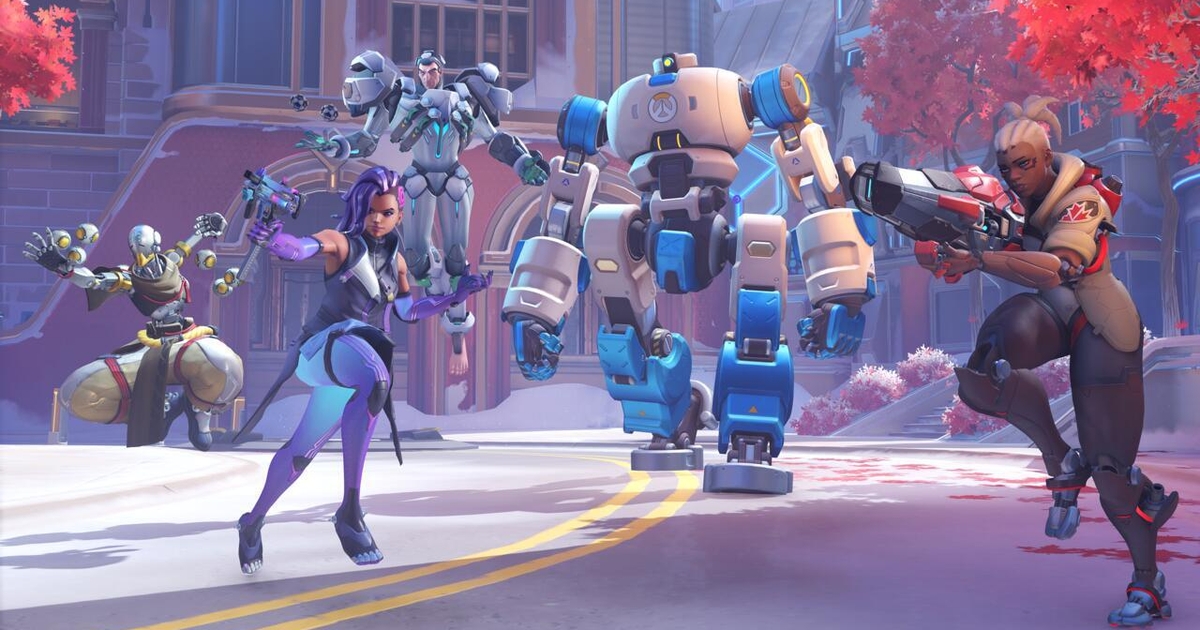
Developers of Overwatch 2 at Blizzard will not receive bonus compensation due to the game's underperformance, as a new policy ties payouts to a franchise's overall success. This change has affected the financial rewards for the team behind the struggling hero shooter, while other successful Blizzard games have seen well-compensated teams. The future of profit-sharing plans and work policies at Blizzard, including the possibility of revisions, is being looked into by the new Blizzard president. Additionally, Overwatch 2's PvE mode has been confirmed as fully dead, with the focus now shifting to PvP despite internal struggles and layoffs within the development team.
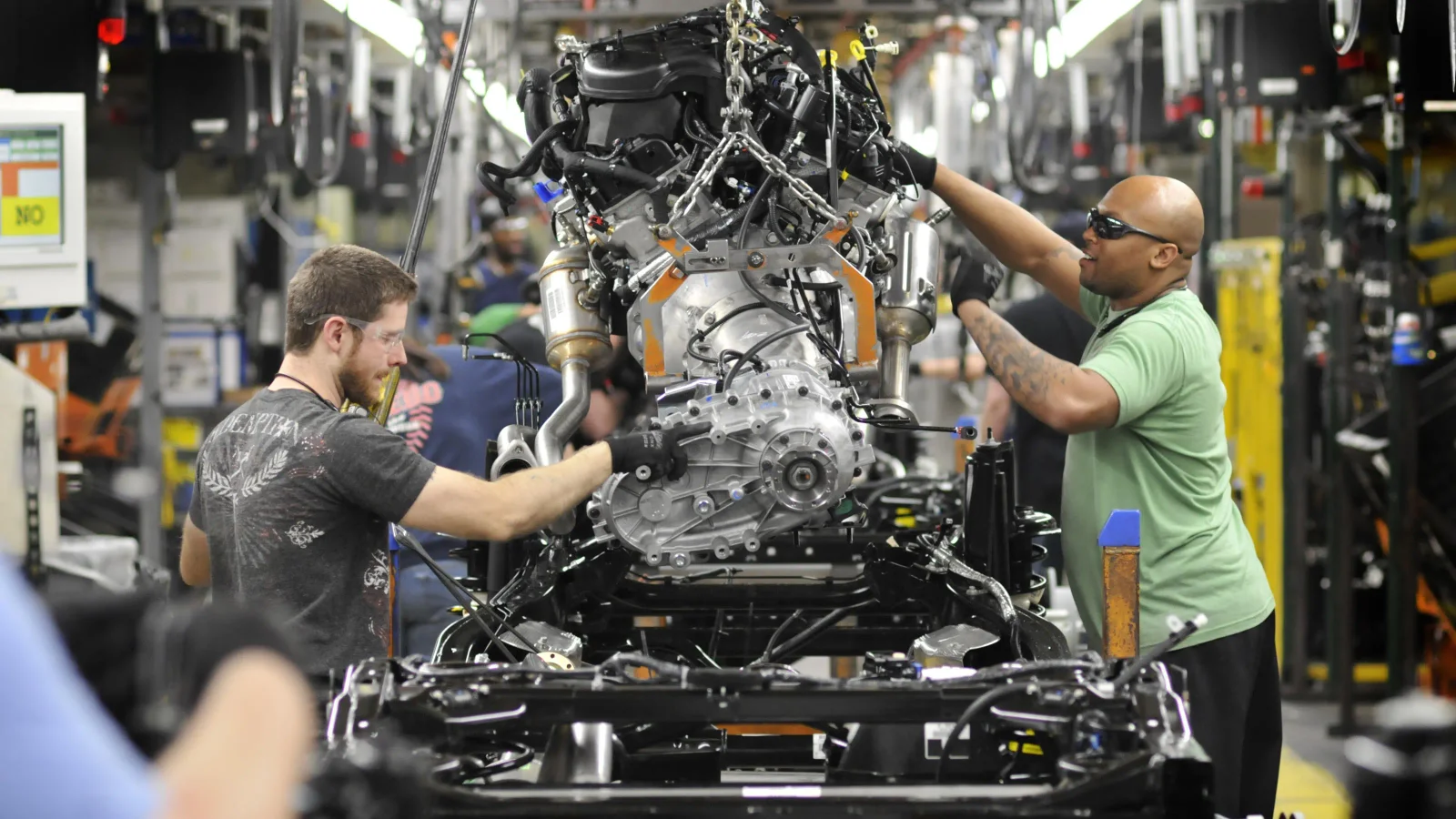
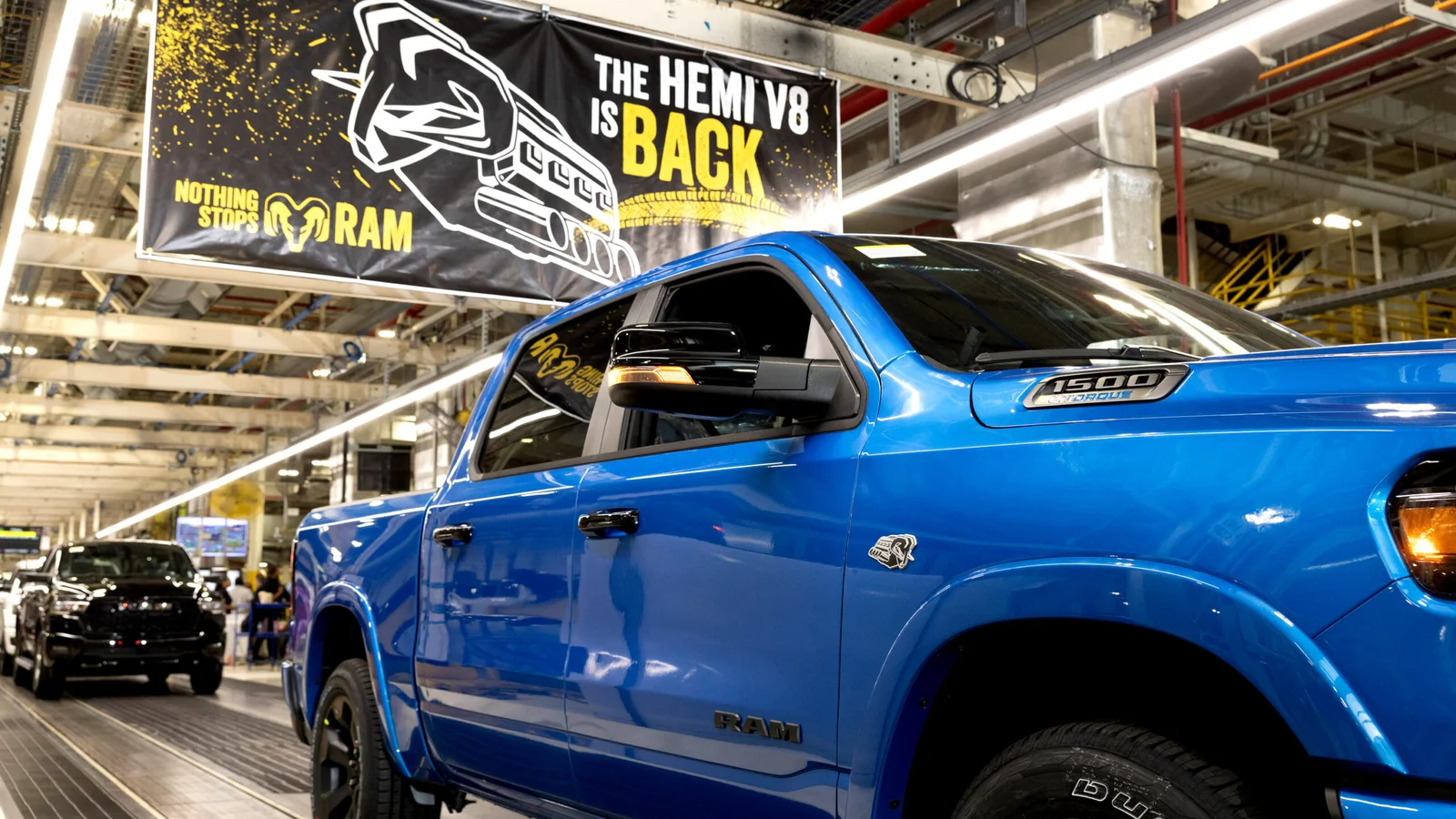
Stellantis workers represented by the United Auto Workers are set to receive profit-sharing checks averaging $13,860, a 6.1% decrease from last year, based on the automaker's 15.4% adjusted operating income margin in North America. The payout, to be distributed to approximately 38,000 eligible employees, reflects the company's commitment to rewarding its workforce for their contributions to its financial success. This stands as the largest profit-sharing compared to its Detroit competitors, with General Motors Co. paying up to $12,250 and Ford Motor Co. at $10,416 to eligible hourly workers.
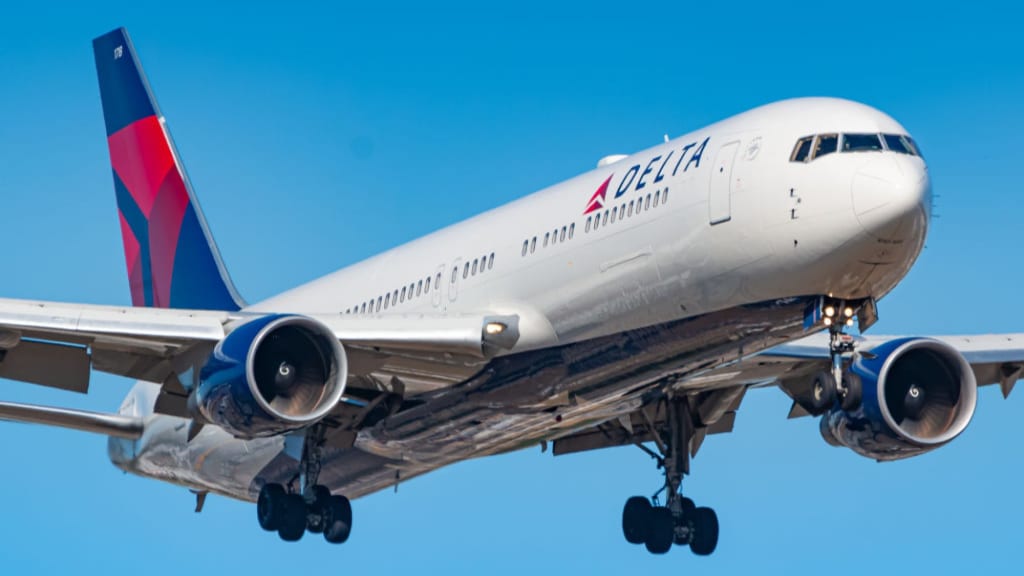
140 members of Congress have urged Delta Air Lines to remain neutral in union organizing efforts, prompting debate over the potential impact on employees. While union organizers argue for collective bargaining and fair profit sharing, Delta emphasizes its industry-leading pay and benefits, including profit sharing totaling $1.4 billion. The push for unionization at Delta has sparked controversy, with some arguing that employees may fare better without a union, while others advocate for a more balanced approach to messaging and decision-making for employees.
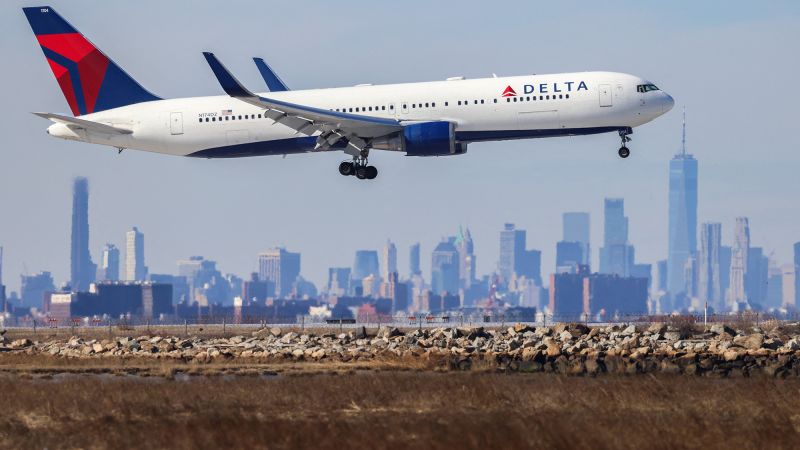
Delta Air Lines is paying out $1.4 billion in profit sharing to over 100,000 employees, marking a significant increase from the previous year. The payments, equivalent to about 10% of annual salary, come as a result of the airline's improved financial performance. The company's nonunion status and lucrative profit sharing plan set it apart in the industry, with unions and management differing in their preferences for compensation structures. Despite the challenges faced during the pandemic, Delta's profit sharing reflects a positive outcome for its employees.
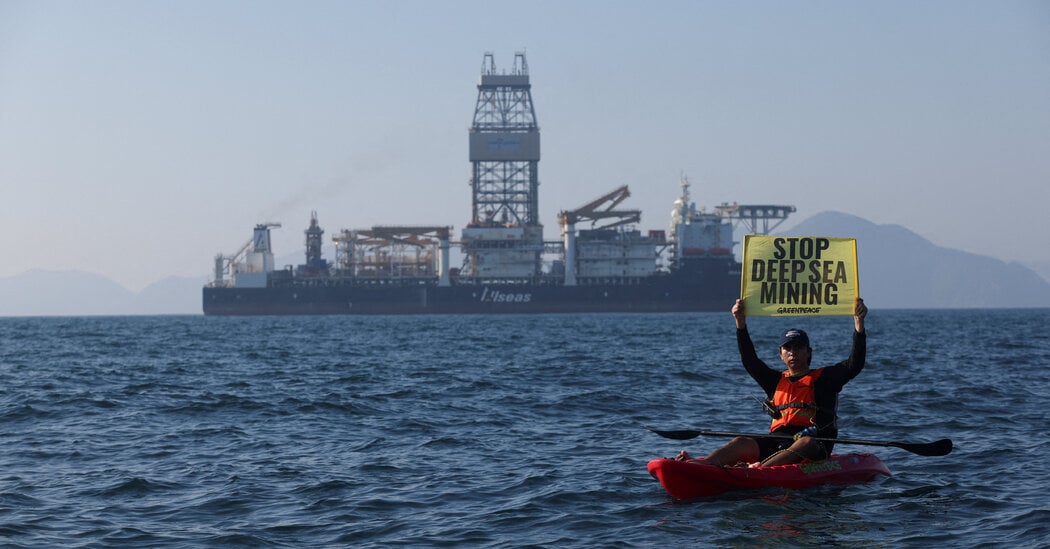
The surge in demand for metals used in electric vehicle batteries has sparked a global race to mine the deep seas, with countries and companies divided over the environmental and economic consequences. The International Seabed Authority missed a deadline to establish a regulatory framework, allowing companies to apply for licenses before rules are finalized. Some countries, including Canada, France, and Germany, want to pause deep-sea mining due to unknown environmental impacts, while others like China, Norway, and Russia argue that it is less destructive than land mining. Concerns over ecosystem damage and doubts about profitability have led companies like BMW, Google, and Volkswagen to pledge not to finance or source materials from deep-sea mining. However, supporters of deep-sea mining believe it can help secure critical metals and provide economic opportunities for small island nations affected by climate change.
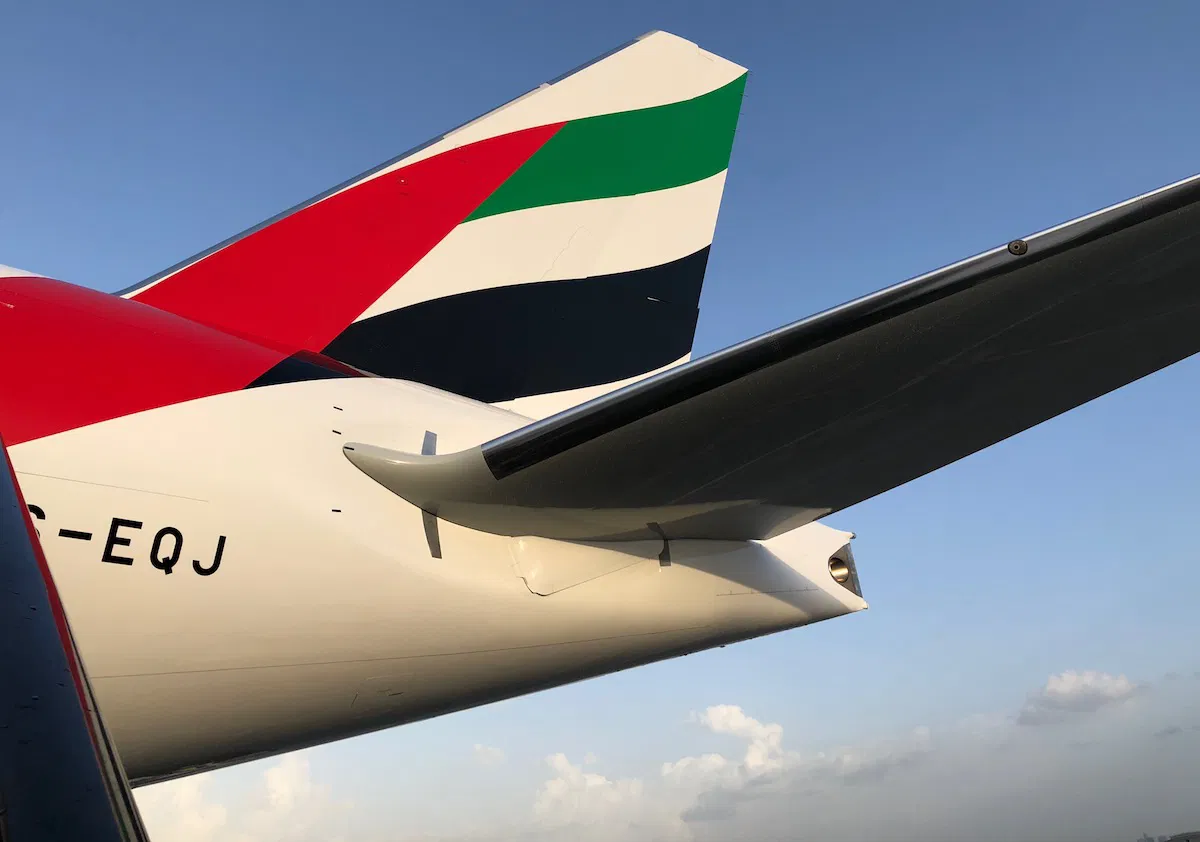
Emirates airline is offering all of its employees a bonus equal to 24 weeks of salary, which is nearly a 50% bonus on their salaries, to celebrate the company's record $2.9 billion profit for the past financial year. This is an unprecedented move in the airline industry and is a clear reflection of the company's generosity towards its employees. The bonus will make a material difference in the lives of many Emirates employees, who are often breadwinners for their families.
Delta Air Lines reported a net loss of $363 million in its most recent quarterly results, but the reason behind the miss is good news for employees and customers. The company's earnings reflect a $563 million profit-sharing payment to employees and an $864 million expense related to its new pilots contract, which gave those employees a 34 percent raise. Delta could have chosen not to spend money on its employees and posted a significant profit during the quarter, but investing in its people is positioning the company for future success. By investing in its employees, Delta is ensuring travelers have the best experience during its busiest summer travel season ever.
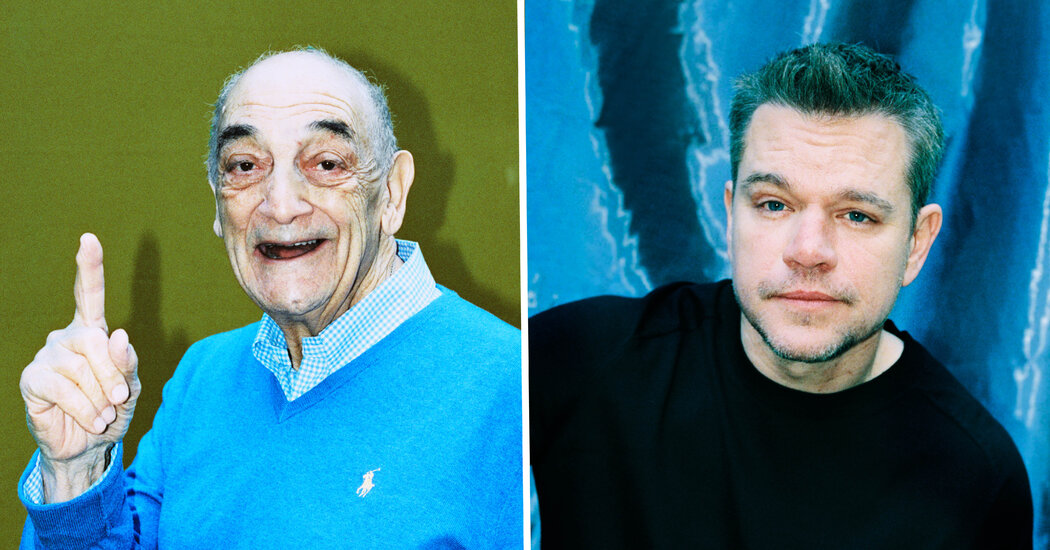
The new film "Air" depicts Nike's quest to sign Michael Jordan to an endorsement deal and the moment when Jordan's mother demands that her son receive a cut from every sneaker sold. This embodies the central theme of the movie: the value a talented individual brings to a business and the importance of compensating them for what they are worth. The lesson of "Air" can also be applied to the new company that produced it, Artists Equity, co-founded by Matt Damon and Ben Affleck to make movies that earn more money for their artistic talent. The film's message might help explain why it has been embraced by critics and audiences.
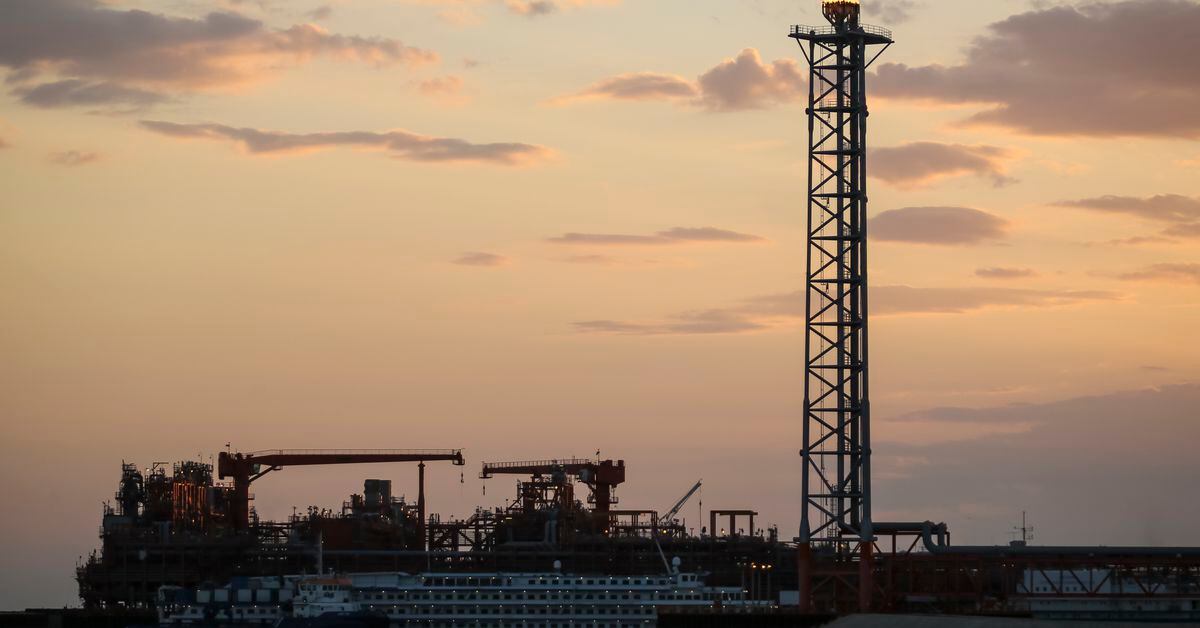
Kazakhstan has initiated arbitration proceedings against the companies developing its Kashagan and Karachaganak oilfields over $13 billion and $3.5 billion, respectively, in costs deducted as part of profit-sharing deals. The two oilfields are the second and third biggest producers of oil in the Central Asian nation, whose economy relies heavily on energy exports. The companies involved in the dispute include Eni, Shell, TotalEnergies, ExxonMobil, KazMunayGas, Inpex, CNPC, Chevron, and LUKOIL. The claims cover the period from 2010 to 2018 for Kashagan and from 2010 to 2019 for Karachaganak.