Tesla's Q3 2025 EV deliveries hit a record, but concerns remain about declining profit margins and high valuation. Top investor Daniel Sparks highlights the potential of Tesla's self-driving tech and growth opportunities, but advises caution due to economic uncertainties and lofty stock valuation, leading to a neutral stance with a 12-month target of $378.20, implying a ~13% loss.
The article criticizes Microsoft's recent focus on extremely high profit margins, particularly in its gaming division, leading to layoffs and project cancellations, while also discussing issues with TwitchCon's security and the controversial new AI assistant in Windows 11, highlighting concerns about corporate priorities and user experience in 2025.
Microsoft's push for a 30% profit margin has led to increased prices, layoffs, and studio closures in the Xbox division, significantly higher than industry averages, driven by internal targets set by CFO Amy Hood to boost profitability.
Tesla has introduced lower-priced Model Y and Model 3 variants by removing premium features and reducing costs, aiming to boost sales volume despite squeezing profit margins. The move is part of a strategy to increase market share amid rising competition and declining regulatory credits, but analysts remain cautious about the impact on Tesla's profitability.
Oracle's shares dropped after reports revealed its cloud computing profit margins are lower than expected, with significant losses on Nvidia chip rentals, despite strong revenue growth driven by AI demand. The company faces challenges in maintaining healthy margins amid heavy investments in data center capacity, though analysts remain optimistic about its long-term prospects.
Venture capitalists are betting on AI transforming labor-intensive service industries by automating tasks to improve margins, but early signs suggest the complexity and unintended consequences of AI implementation, such as increased workslop and organizational strain, may challenge these optimistic projections.
A fund manager highlights that big tech companies benefit from low marginal costs, high profitability, and rapid innovation, making them long-term winners despite market fears and AI bubble worries. He advises investors to focus on large-cap growth stocks with sustainable earnings growth, emphasizing the importance of low debt and continuous innovation for long-term success.
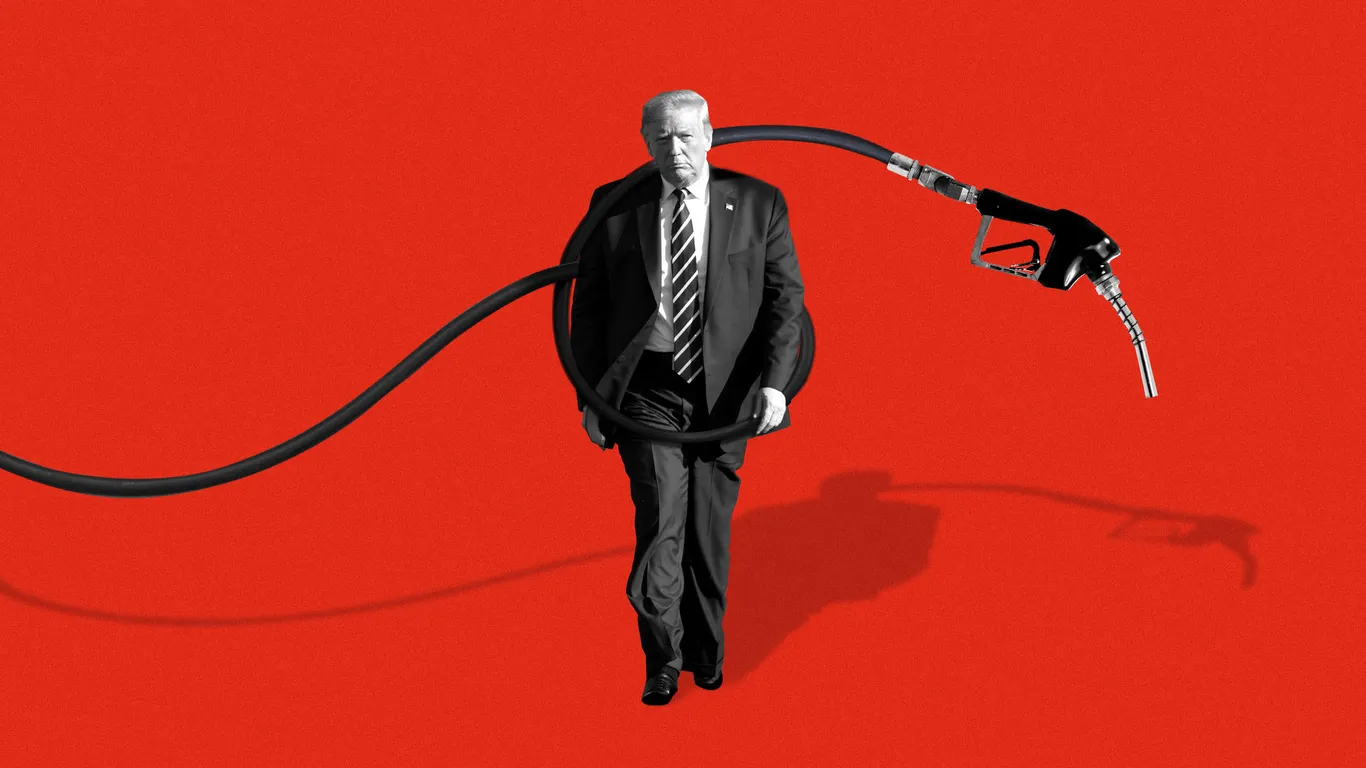
The U.S. auto industry, particularly General Motors, Ford, and Stellantis, is benefiting from President Trump's deregulation and tariff policies, which reduce costs and allow them to focus on profitable trucks and SUVs, despite ongoing trade negotiations and the rollback of Biden-era EV incentives.
Kroger reported a solid first quarter in 2025 with a 3.2% increase in identical sales excluding fuel, stable EPS at $1.29, and a gross margin improvement to 23.0%. The company updated its 2025 sales guidance to a 2.25-3.25% increase, despite planning to close around 60 stores, and emphasized its focus on core growth areas like pharmacy, eCommerce, and fresh foods. Financially, Kroger maintained strong cash flow and a healthy balance sheet, with ongoing investments and share repurchase plans.
Amazon is freezing its retail division's hiring budget for 2025 to improve operational efficiency and profit margins, with a focus on managing expenses rather than headcount targets, while still continuing to hire across the company. This move is part of CEO Andy Jassy's broader cost-cutting strategy following a period of rapid growth and recent layoffs.
Cargill, the world's largest agricultural commodities trader, is cutting 5% of its 164,000 workforce as part of a restructuring plan to improve profit margins amid declining revenues and crop prices. The company is consolidating its operations into three core divisions to enhance competitiveness. This decision follows a sharp drop in revenues and profits, influenced by ample global crop supplies and challenges in the beef sector due to drought conditions. Cargill aims to realign its resources to better align with its strategic goals.
The depreciation of the Russian rouble is causing significant challenges for Chinese exporters, leading many to halt sales on Russian e-commerce platforms. The fluctuating yuan-rouble exchange rate and the rouble's decline against the US dollar are eroding profit margins and reducing consumer demand in Russia, impacting businesses that trade in roubles.
Scientific publishers are producing more papers than ever, but concerns are growing over their business models, which often involve high profit margins and paywalls that restrict access to academic research. Universities and research institutions are required to pay substantial subscription fees to access these articles, raising questions about the sustainability and fairness of the current system.
MercadoLibre's stock dropped nearly 16% after its Q3 2024 earnings report revealed a net profit margin decline from 9.5% to 7.5%, with EPS falling short of expectations at $7.83 compared to the anticipated $10. Despite a 35% revenue increase to $5.3 billion, investors were concerned about the company's increased spending on credit card user growth and logistics improvements. While some view the market reaction as an overreaction, the company's future growth depends on the success of these investments.
The International Air Transport Association (IATA) forecasts record revenue of $996 billion for the airline industry in 2024, driven by a surge in travel and air cargo demand. Despite this, profit margins remain thin due to soaring expenses, with net profits expected at $30.5 billion. IATA highlights the need for addressing supply chain issues and regulatory burdens to improve profitability and sustainability efforts.