Tesla's Cybertruck and Model Y program managers recently left the company amid declining sales and recalls, raising questions about management stability. Despite these challenges, Tesla continues to lead EV sales, with Elon Musk focusing on ambitious future goals like robotaxis and humanoid robots, which will require strong leadership.
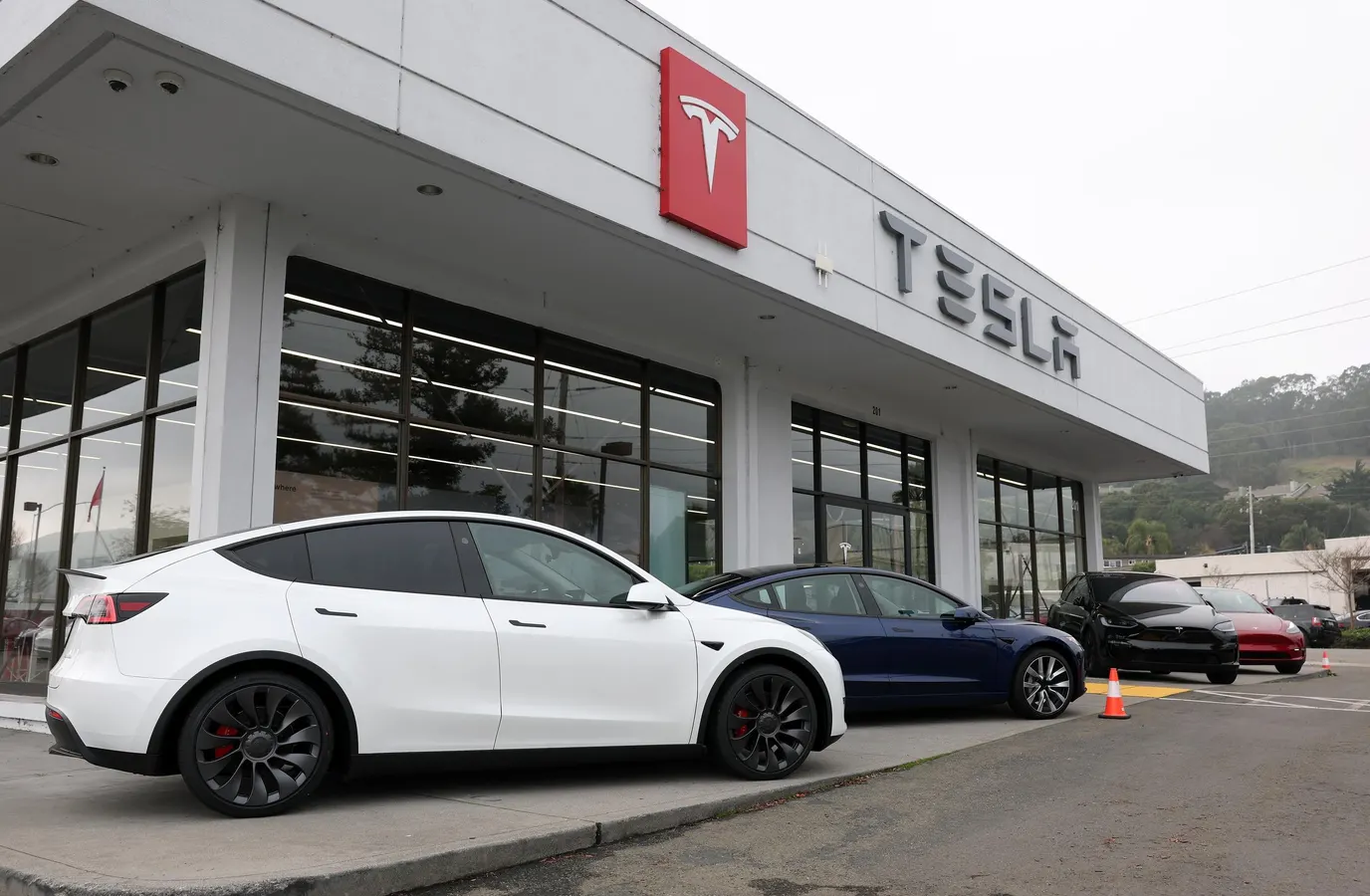
Tesla has lost two key vehicle program managers, Emmanuel Lamacchia and Siddhant Awasthi, on the same day, marking a significant change in its leadership team amid ongoing layoffs and strategic shifts, despite the Model Y being its best-selling vehicle.
Tesla is experiencing a series of high-level departures, including program managers for the Cybertruck and Model Y, amid ongoing struggles with sales, demand, and key incentives, reflecting broader challenges in its business and leadership stability.
Tesla is recalling nearly 13,000 newer electric vehicles, including Model Y and Model 3, due to a battery contactor failure that could cause sudden power loss and increase crash risk. Tesla will replace the affected battery packs free of charge, with owner notifications expected by December 9. This recall follows a relatively low number of Tesla recalls in 2025, contrasting with higher recall volumes from other automakers like Ford.
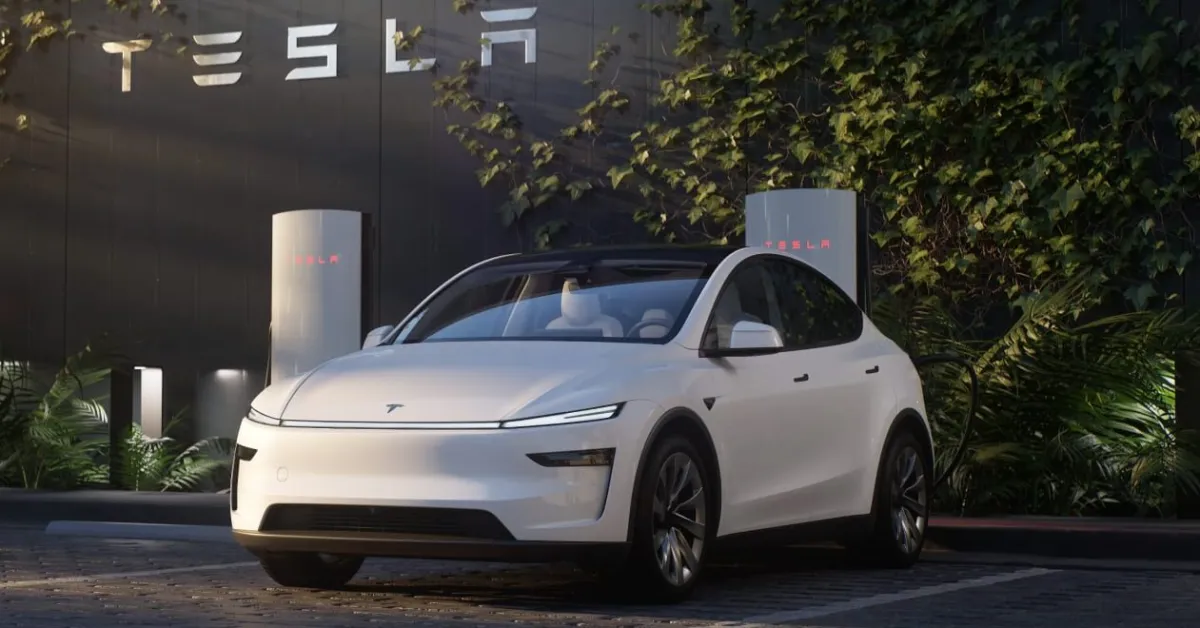
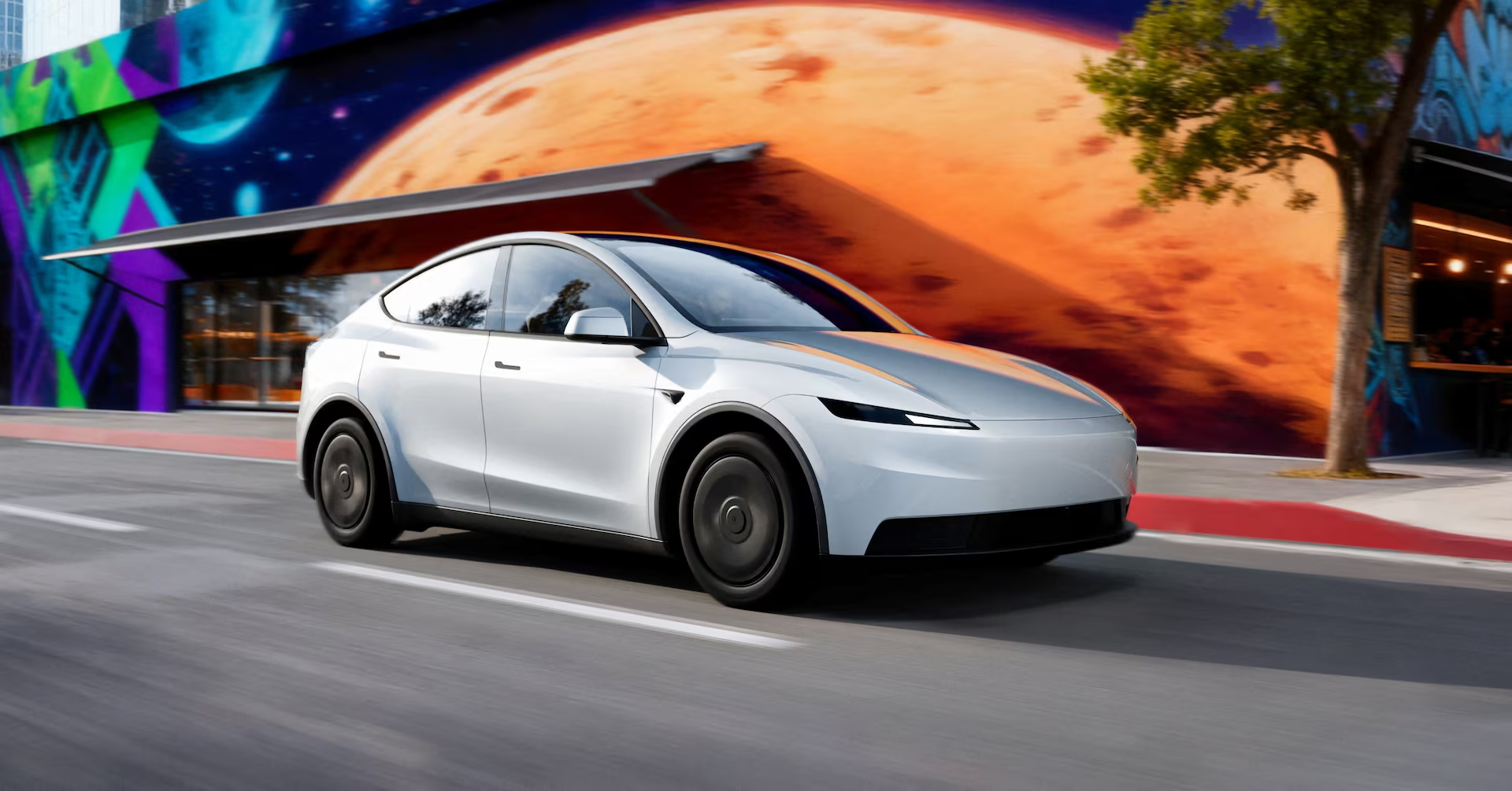
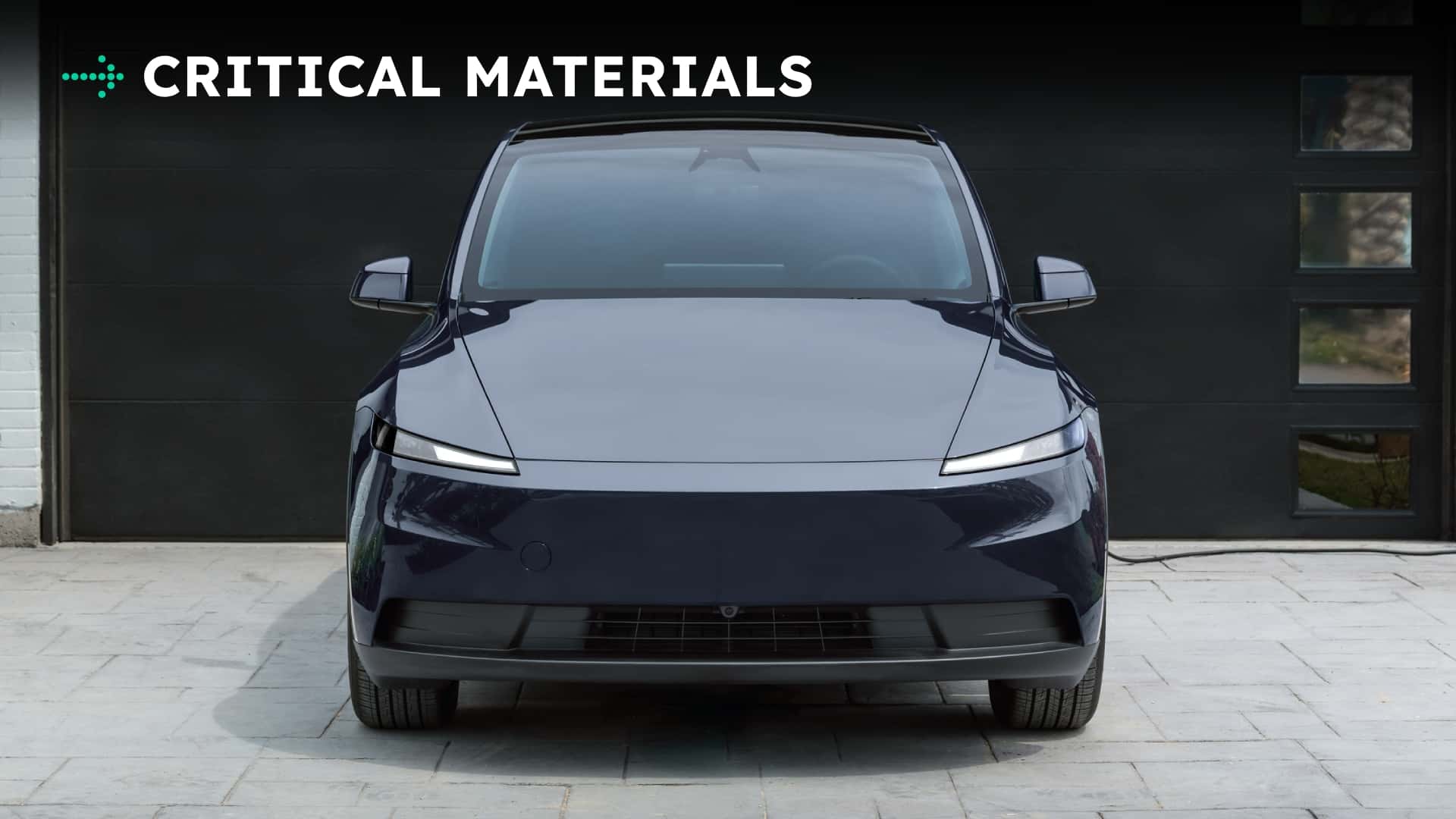
Tesla has introduced lower-priced Model Y and Model 3 variants by removing premium features and reducing costs, aiming to boost sales volume despite squeezing profit margins. The move is part of a strategy to increase market share amid rising competition and declining regulatory credits, but analysts remain cautious about the impact on Tesla's profitability.
Tesla has introduced lower-priced Standard versions of the Model 3 and Model Y, sparking investor interest amid questions about demand and margin impact. Reviews highlight the Model Y's surprising performance and value, while the stock remains volatile with a mixed analyst outlook ahead of Q3 earnings, focusing on demand, margins, and software developments.
Tesla's new affordable Model 3 and Model Y have faced backlash from fans and critics alike, who argue that the cuts in features do not justify the modest price reduction, leading to poor perceived value and skepticism about their market success.
Tesla's new lower-cost Model Y and Model 3 models have failed to impress consumers and investors, with their limited features and higher-than-expected prices, leading to a lack of stock price movement and concerns about Tesla's market strategy and positioning as a car company. The models are unlikely to significantly boost sales in Europe due to more affordable local options, and the overall reception suggests Tesla's focus may be shifting away from traditional car manufacturing.
Tesla introduced new 'affordable' versions of its Model Y and Model 3 with starting prices around $37,000-$40,000, but these prices are still considered high by some, especially after the expiration of tax credits. The new models offer less features and range than higher trims, and their launch is seen as a move to boost sales amid rising competition and market challenges. Despite the hype, analysts remain skeptical about their impact on demand and Tesla's growth prospects.
Tesla introduced new lower-priced 'Standard' versions of the Model 3 and Model Y to boost sales, but Wall Street remains largely indifferent, focusing more on Tesla's advancements in AI and robo-taxi technology. The stock hovered around breakeven after a recent dip, with analysts emphasizing future growth in AI and robotics rather than the new vehicle models.
Tesla's new 'affordable' Model Y has increased in price by $2,000 due to the cancellation of a $7,500 tax credit, highlighting ongoing challenges in the EV market. Meanwhile, Volvo introduces a competitively priced EX30 with a full glass roof, and other EV developments continue to shape the industry.
Tesla introduced cheaper versions of its Model Y and Model 3 to boost sales amid a challenging year, but the stock reacted negatively, indicating investor skepticism about the models' impact. The new Model Y starts just under $40,000 with reduced features, and the Model 3 is available for under $37,000, though both are still above the initially promised $25,000 price point. The models face stiff competition and are affected by recent changes in EV tax credits.
Tesla has launched a cheaper, stripped-down version of its Model Y following the end of US EV federal tax credits, aiming to boost demand amid declining subsidies and rising competition, but shares fell as analysts questioned profit margins and demand weakens in Europe due to Musk's political activism and increased competition from companies like BYD.
Tesla's shares dropped about 4% after unveiling lower-cost versions of its popular Model Y and Model 3 in the US, which were seen as underwhelming by investors. The new models, priced only $5,000 less, lack some features and aim to offset the impact of the end of US EV tax credits. Tesla faces increased competition, declining sales, and challenges from policy changes, impacting its stock and market position.
Tesla has introduced more affordable versions of its popular Model 3 and Model Y, priced at $36,990 and $39,990 respectively, with some features reduced to lower costs. These models aim to attract more buyers amid rising EV demand and the end of federal tax credits, with potential discounts for local incentives. The move responds to long-standing investor and consumer interest in budget-friendly electric vehicles, although some features like advanced driver-assist systems are omitted in these base models.