OPEC+ Maintains Steady Oil Output Amid Supply Concerns
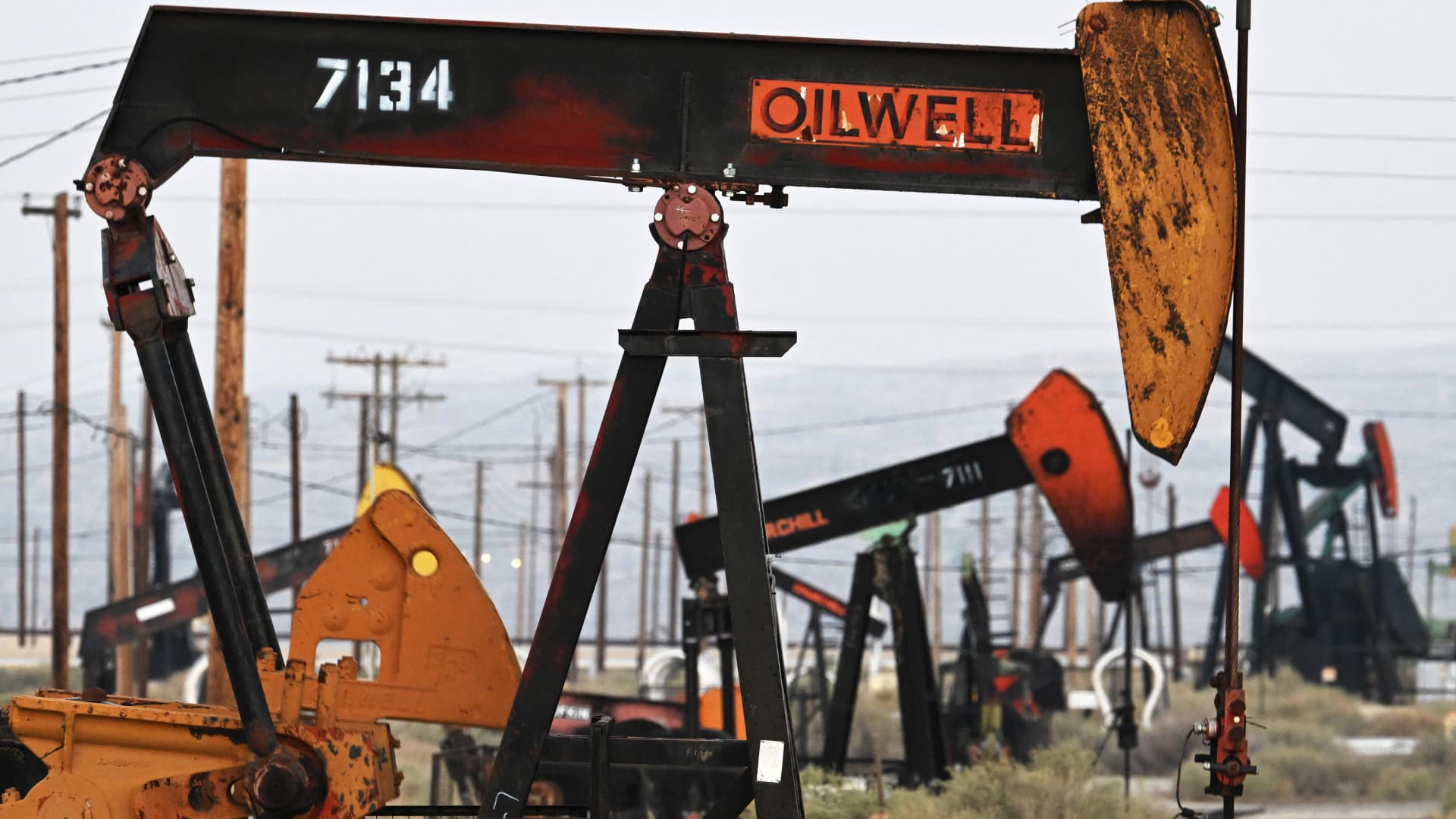
OPEC+ has agreed to keep oil output quotas steady for 2026 and introduced a new mechanism to evaluate members' maximum production capacity, amid ongoing geopolitical and market considerations.
All articles tagged with #production capacity

OPEC+ has agreed to keep oil output quotas steady for 2026 and introduced a new mechanism to evaluate members' maximum production capacity, amid ongoing geopolitical and market considerations.

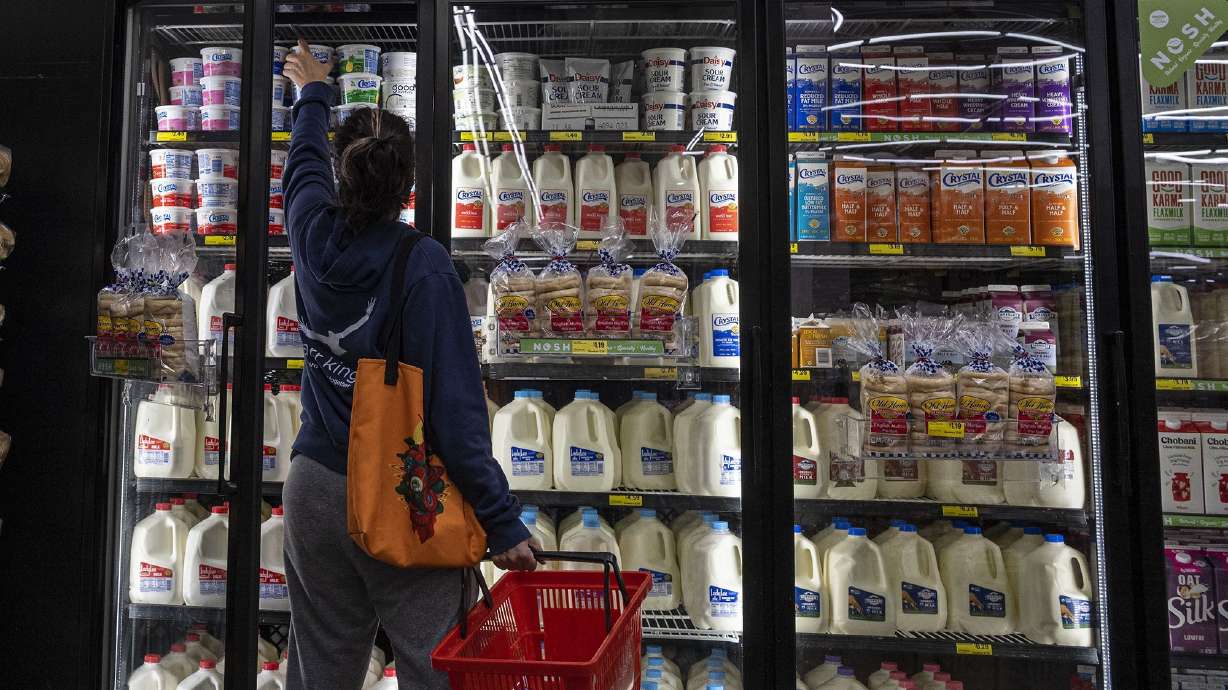
TikTok has revitalized cottage cheese's popularity, leading to a 20% increase in U.S. sales and causing shortages as producers struggle to meet demand, driven by viral recipes and health trends, with manufacturers expanding capacity to keep up.

TikTok has revitalized interest in cottage cheese, leading to a 20% sales increase in the US and causing shortages as producers struggle to meet demand, driven by viral recipes and health trends. Manufacturers are expanding capacity, but supply constraints remain, and consumers may need to wait for more products.

The Biden administration announced a $6.6 billion subsidy for Taiwan Semiconductor Manufacturing Company (TSMC) to support its $65 billion investment in building three chip fabrication plants in Arizona. While the subsidy will reduce a significant fixed cost for TSMC and allow for geographic diversification, it is unlikely to greatly affect the stock. TSMC remains the leading third-party chip fab company and is expected to produce strong returns for investors regardless of where it produces its semiconductors.

The Pentagon's Under Secretary of Defense for Acquisition and Sustainment, Bill LaPlante, has emphasized the urgent need for counter-drone technology, comparing it to the demand for 155mm artillery shells in conflict zones like Ukraine and Gaza. The Defense Department is pushing for advanced capabilities in response to the increasing use of drones against U.S. forces. LaPlante highlighted the importance of ramping up production capacity and funding for counter-UAS systems, stating that the industrial base must be able to produce them at high numbers. However, the Pentagon has yet to determine the exact quantity required, and the lack of a full-year appropriation passed by Congress may hinder production increases.

Many Western arms companies struggled to increase production capacity in 2022 despite a rise in demand for weapons and military equipment due to labor shortages, rising costs, and supply chain disruptions worsened by Russia's invasion of Ukraine, according to the Stockholm International Peace Research Institute (SIPRI). The revenues of the world's largest arms-producing and military services companies dropped by 3.5% to $597 billion, with U.S. companies experiencing a 7.9% decline. However, new orders related to the war in Ukraine are expected to contribute to future revenue, and companies in Asia and the Middle East demonstrated their ability to respond to increased demand more quickly.

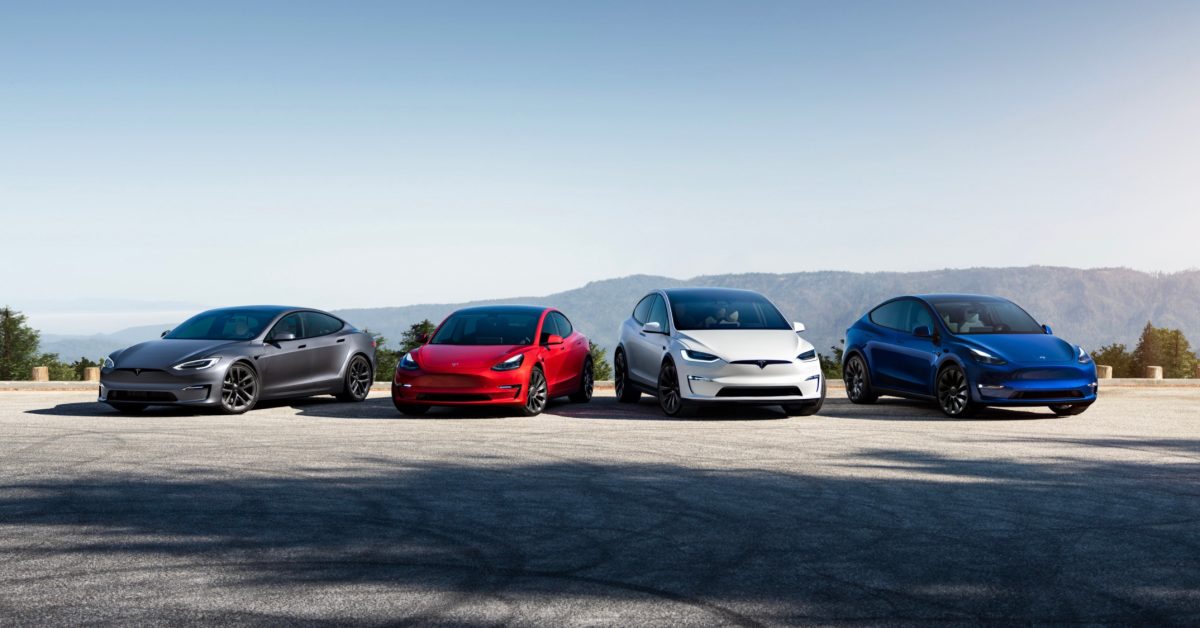
Tesla has warned investors that it is currently in an "intermediate low-growth period" as it transitions between two major growth waves. The company's guided 50% growth rate may be affected during this period. Tesla's previous growth has been impressive, but with its current vehicle lineup, significant growth is unlikely. The company is banking on its next-generation vehicles, including the cheaper "$25,000 Tesla," to drive future growth, but the exact timeline for their release is uncertain. This "intermediate low-growth period" could last for a few years.

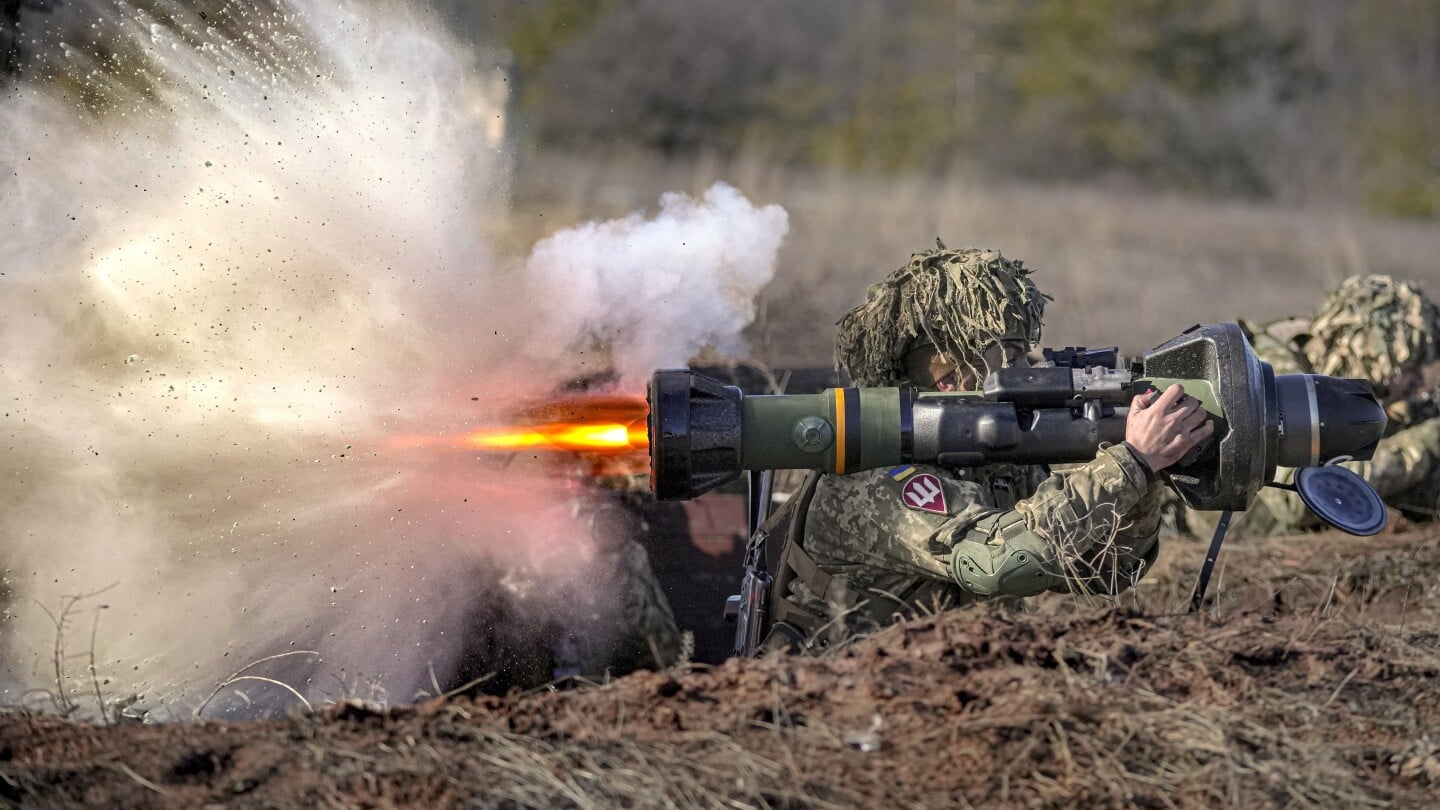
Ukraine's Strategic Industries Minister, Oleksandr Kamyshin, stated that no single country can produce enough ammunition to meet the current intensity of warfare. Despite increased production capacities by both Ukraine and its foreign partners, the demand for artillery ammunition remains insatiable. Kamyshin emphasized that even if all European, American, and Ukrainian production capacities were multiplied, it would still not be enough to meet the needs at the front. He stressed the importance of continuing to increase production even after the war, as Ukraine would still need to be prepared for potential future conflicts.

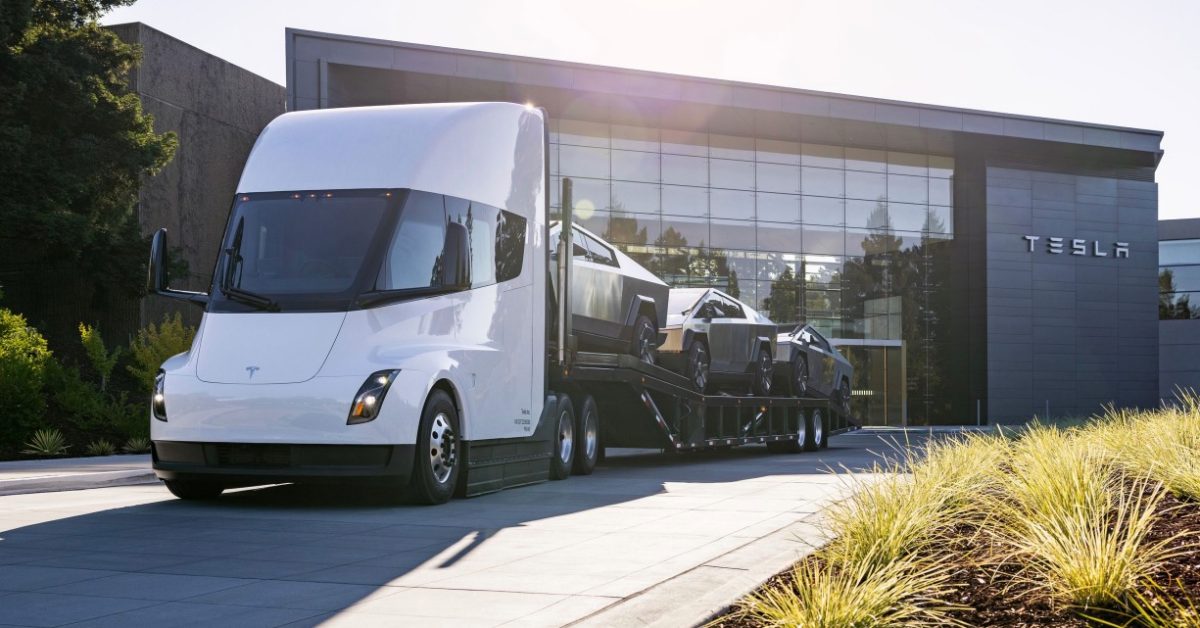
Tesla announces that deliveries of the Cybertruck will begin in November 2023, confirming previous comments from CEO Elon Musk. The company also claims to have a production capacity of over 125,000 Cybertrucks per year at its Gigafactory Texas, although it is unclear if this is the current output. Shareholders are eager for more information on the planned production of the Cybertruck for 2024.

Apple has reportedly asked Sony to increase production capacity for the eye screens used in its upcoming Vision Pro headset, but Sony has refused. While Sony has the capacity to make 900,000 OLED screens, it is only able to supply Apple with between 100,000 and 200,000 per quarter. This means that Apple may only be able to make a maximum of around 400,000 Vision Pro headsets in 2023, assuming only Sony can manufacture them.

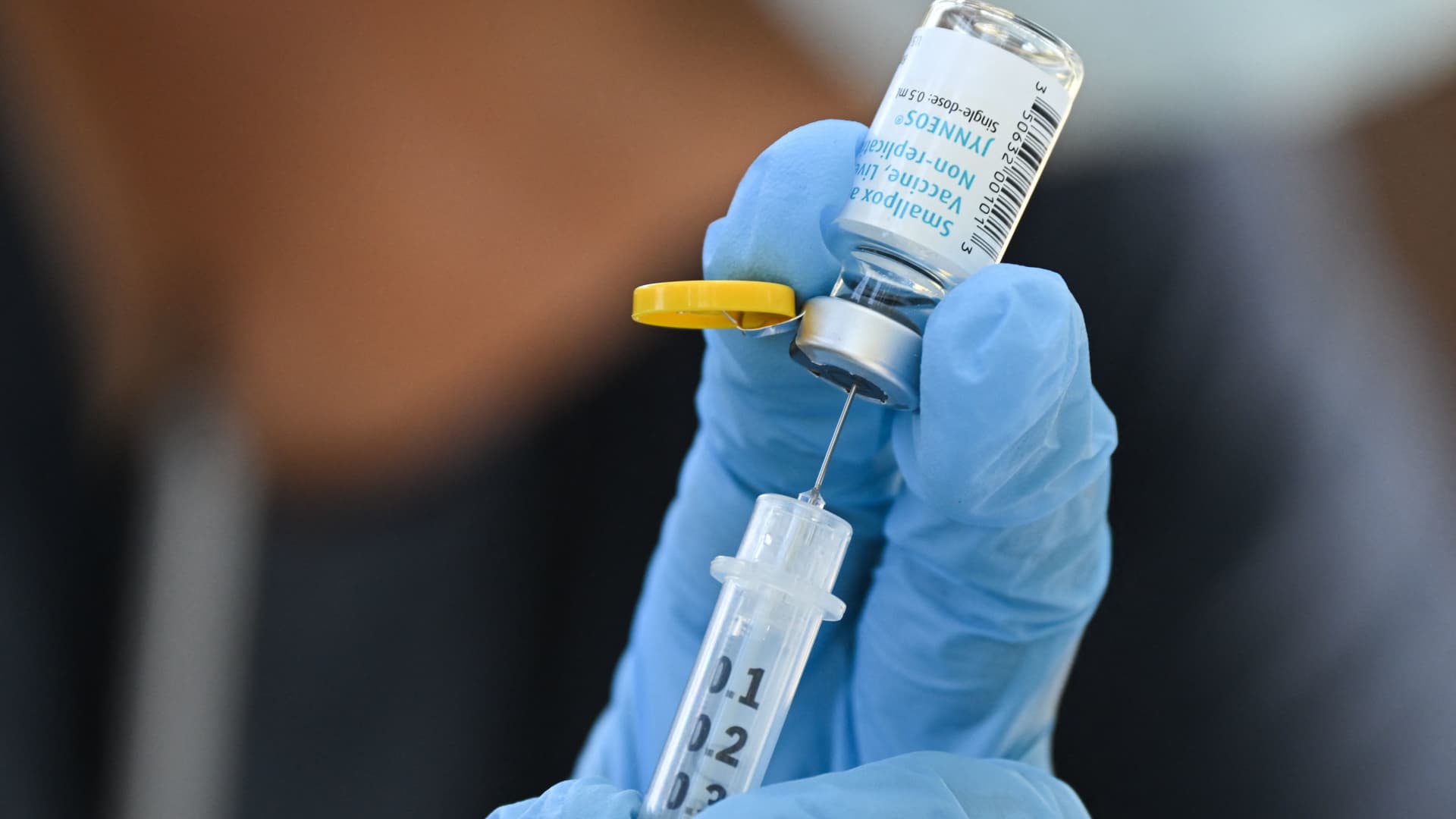
The maker of the mpox vaccine, Bavarian Nordic, is looking to increase its production capacity to prepare for a potential threat from smallpox. The company plans to simplify its production process to scale up production capacity to hundreds of millions of doses in the event of an emergency. The European Union's Health Emergency Preparedness and Response Authority and at least two European national governments have shown interest in stockpiling the Jynneos vaccine for use against smallpox. Bavarian Nordic's current production capacity is tens of millions of doses, which would not be sufficient to deal with a widespread outbreak of smallpox.

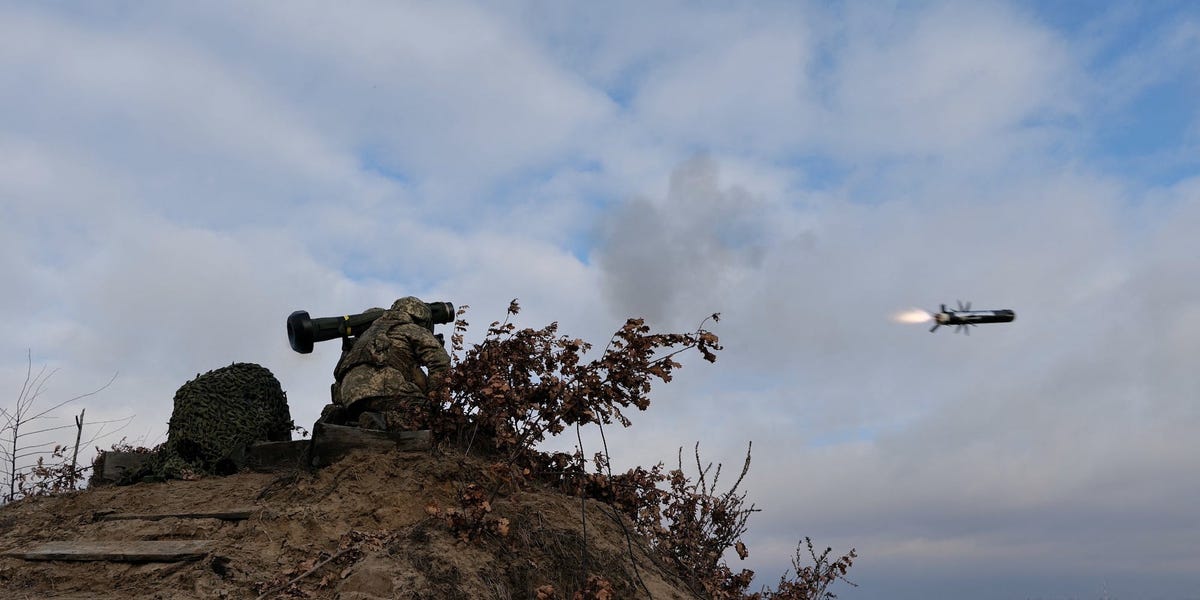
The US is facing a shortage of missiles and munitions as it continues to send aid to Ukraine, with stockpiles depleted to the point where it could take years to replace them. The Biden administration has proposed an $842 billion budget for the Department of Defense, including $19.2 billion for modernizing facilities and increasing production of naval and anti-strike missiles. The US is currently pushing suppliers to capacity to meet current wartime demands in Ukraine and keep pace with China's production.