The U.S. successfully captured Venezuelan leader Nicolás Maduro in a military operation, seized suspicious vessels violating sanctions, and launched a campaign to rebuild America's defense industrial base and recruit new military personnel, emphasizing strength and security in the Western Hemisphere.
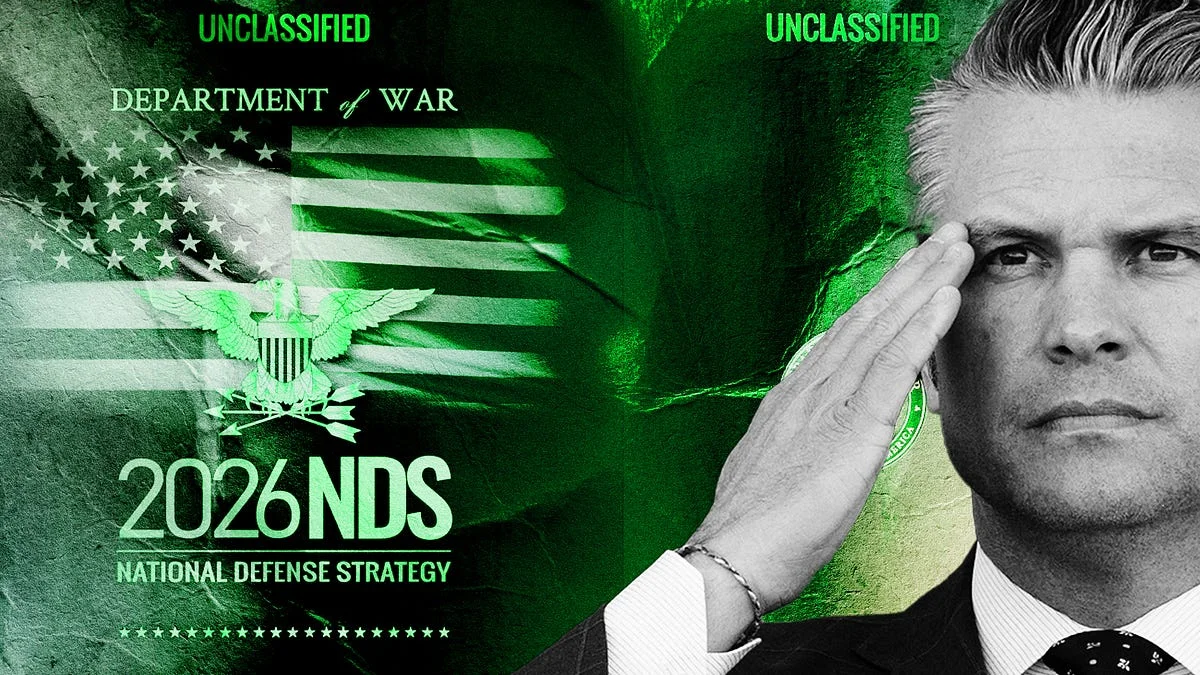
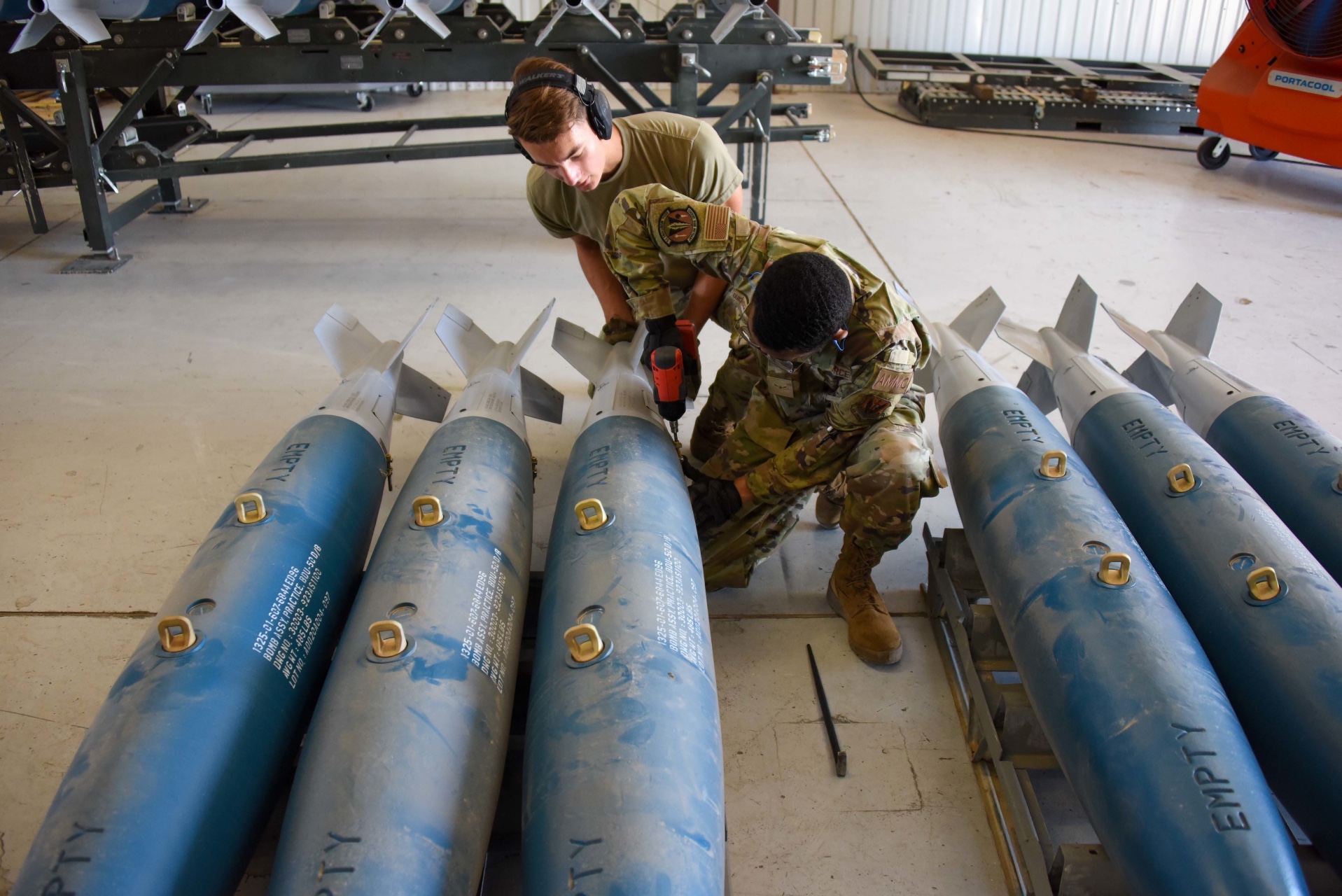
Secretary of War Pete Hegseth's 'Arsenal of Freedom' tour aims to revitalize America's manufacturing sector and strengthen national security by emphasizing the importance of a robust Defense Industrial Base, promoting faster, innovative defense acquisition processes, and rallying the American workforce to support the peace through strength agenda.
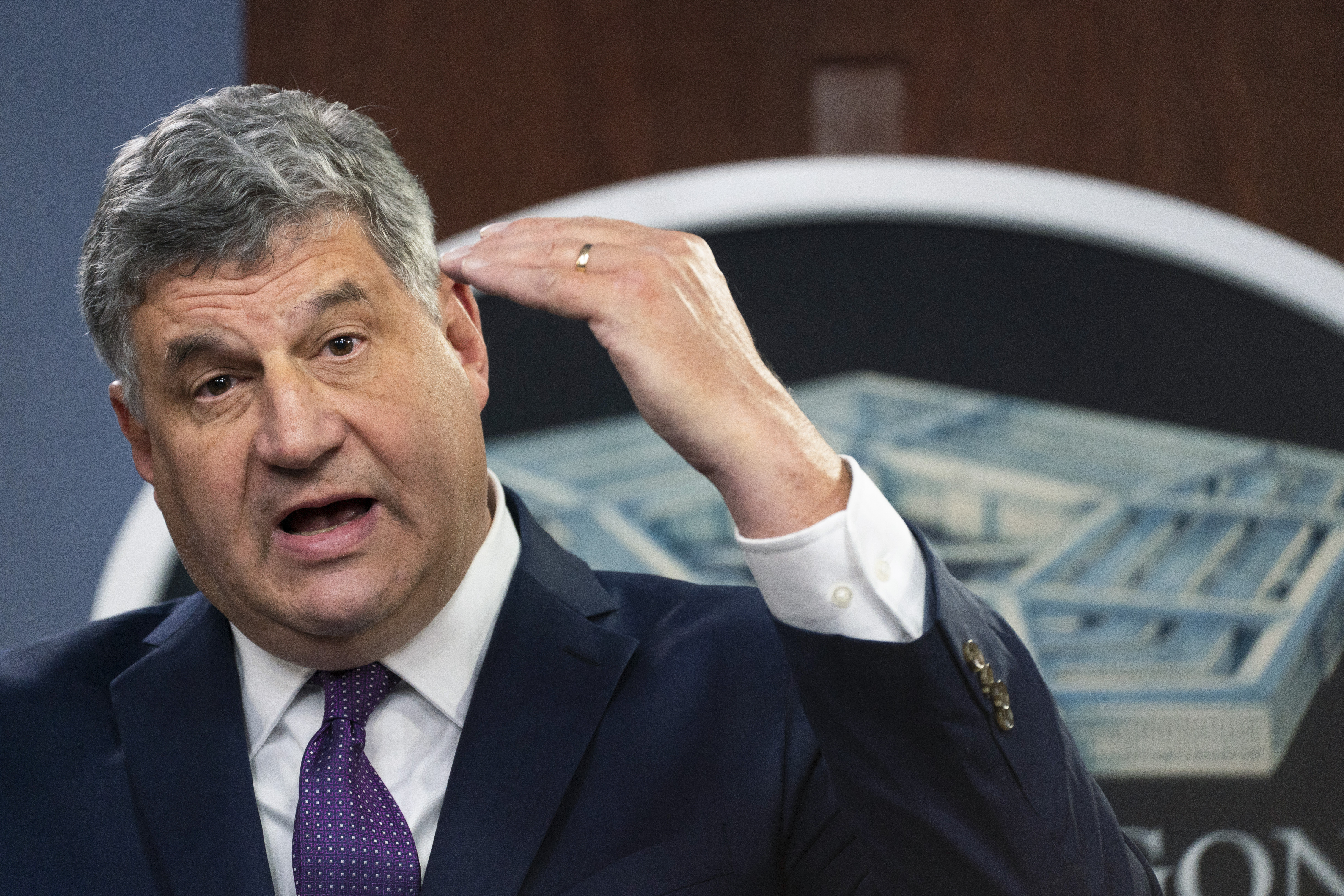
The Pentagon's Under Secretary of Defense for Acquisition and Sustainment, Bill LaPlante, has emphasized the urgent need for counter-drone technology, comparing it to the demand for 155mm artillery shells in conflict zones like Ukraine and Gaza. The Defense Department is pushing for advanced capabilities in response to the increasing use of drones against U.S. forces. LaPlante highlighted the importance of ramping up production capacity and funding for counter-UAS systems, stating that the industrial base must be able to produce them at high numbers. However, the Pentagon has yet to determine the exact quantity required, and the lack of a full-year appropriation passed by Congress may hinder production increases.
An unreleased draft of a new Pentagon report warns that the US defense industry is struggling to keep up with competitors like China in a high-tech arms race. The report states that the US defense industrial base lacks the capacity, capability, responsiveness, and resilience required to meet military production needs at speed and scale. It highlights the need for the Pentagon to tap into the expertise of small tech firms while supporting traditional companies to develop new technology faster. The report also emphasizes the importance of a resilient and innovative supply chain, investment in smaller businesses, and collaboration with domestic and foreign entities to address the challenges.
The United States is facing challenges in security cooperation as it seeks to compete with Russia and China. Shortcomings in the defense industrial base, a flawed approach to security cooperation, and frustrations with foreign military sales are hindering Washington's ability to produce and transfer weapons effectively. To address these issues, the administration and Congress need to create a comprehensive framework that expands and fortifies the defense industrial base, streamlines military sales processes, and properly conceptualizes security cooperation within the context of great-power competition. Without resolving these problems, America's allies and potential partners will continue to lack the necessary weapons to strengthen their security.