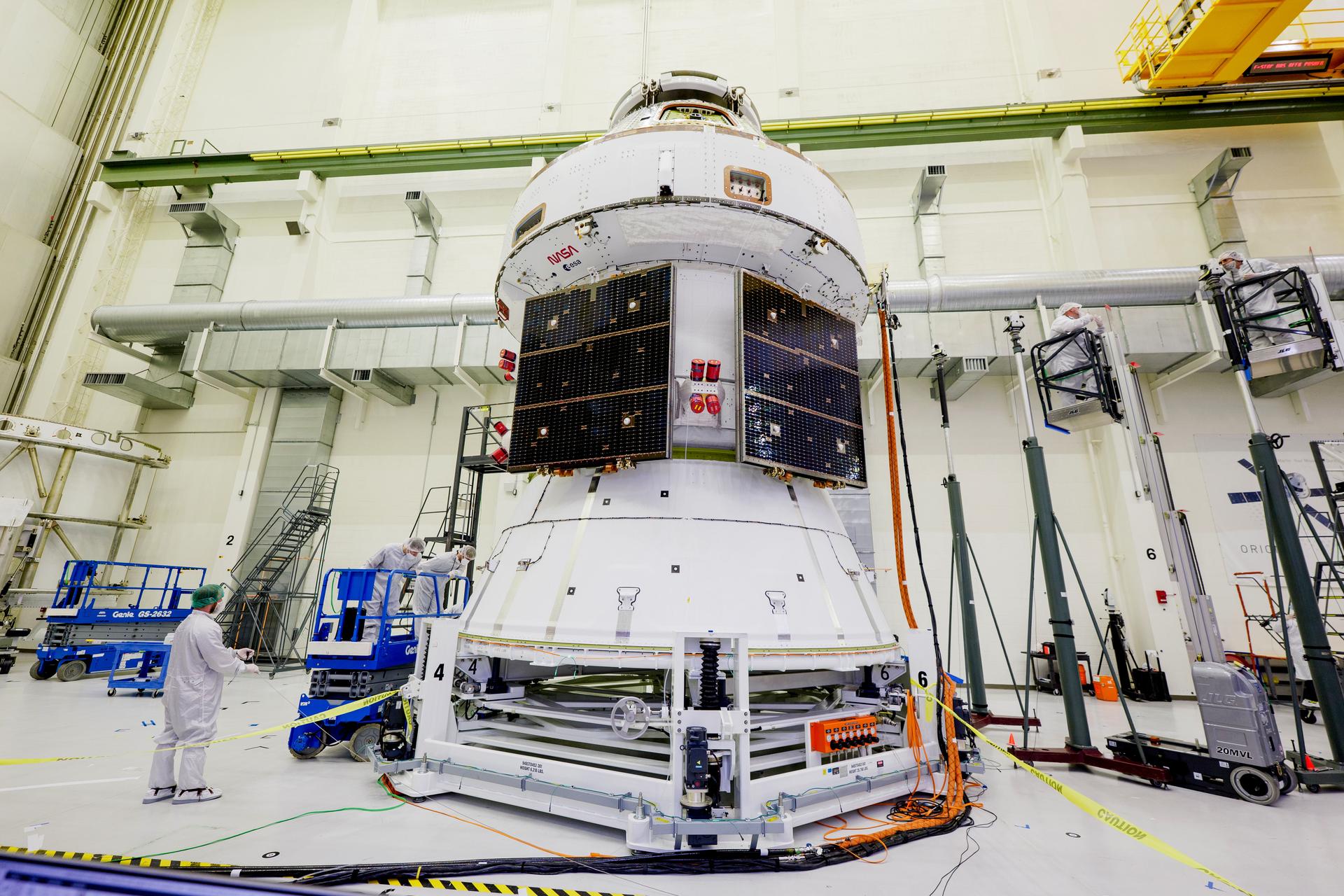
Lockheed Martin is exploring offering the Orion spacecraft as a commercial service, starting with a study of a private deep space mission with BioAstra to perform biomedical research, which could pave the way for future non-NASA missions and a broader space economy.
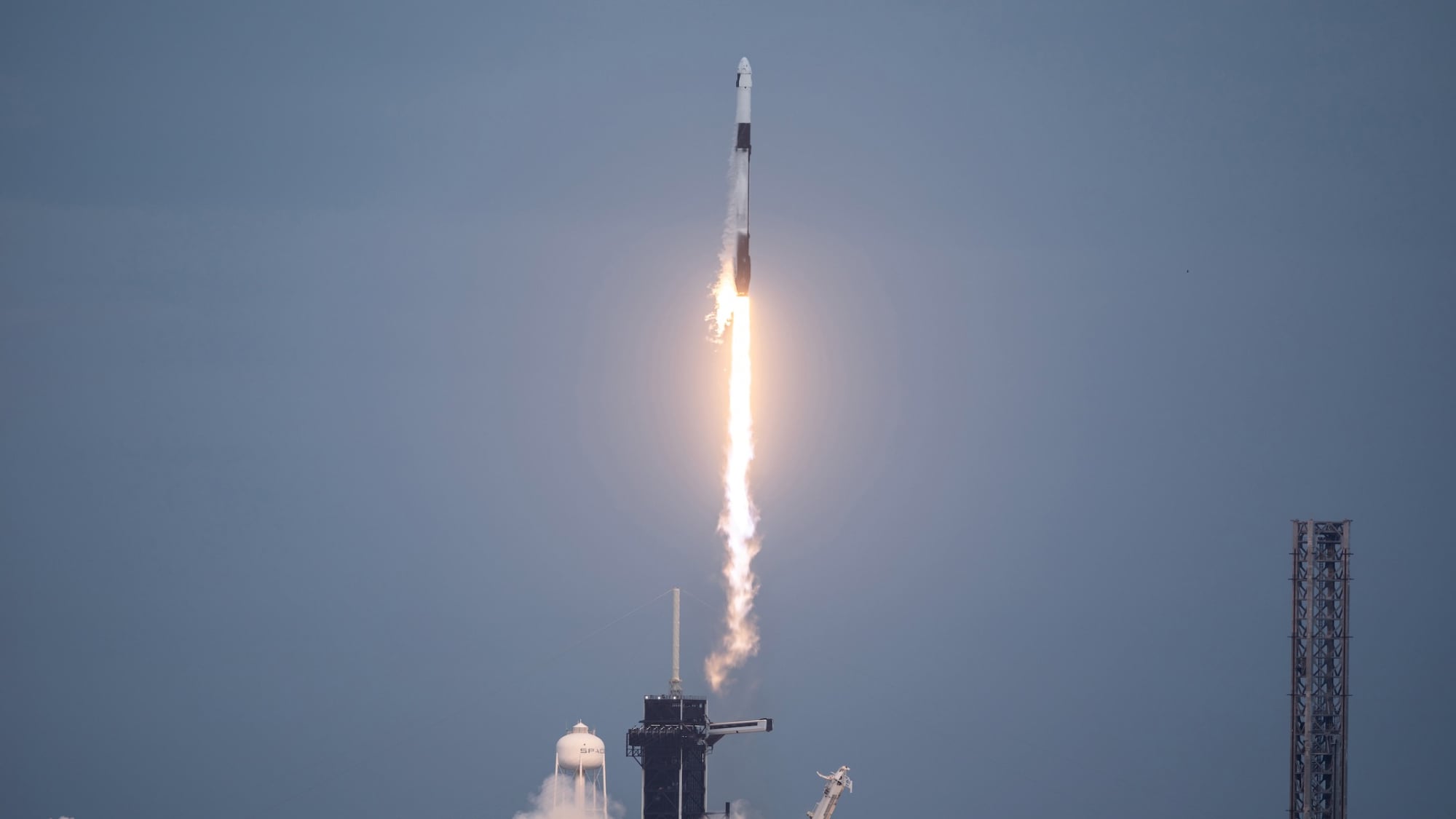
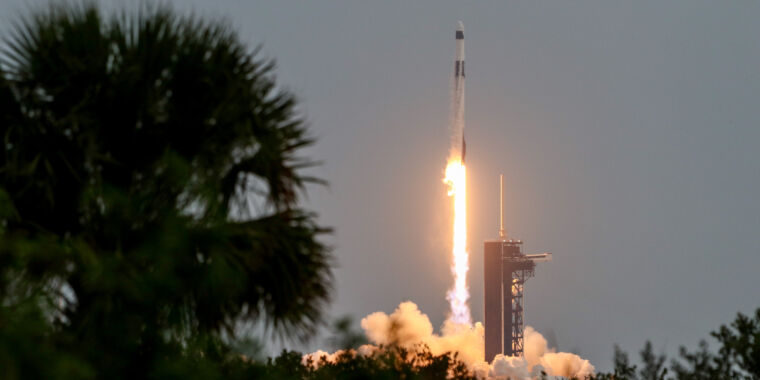
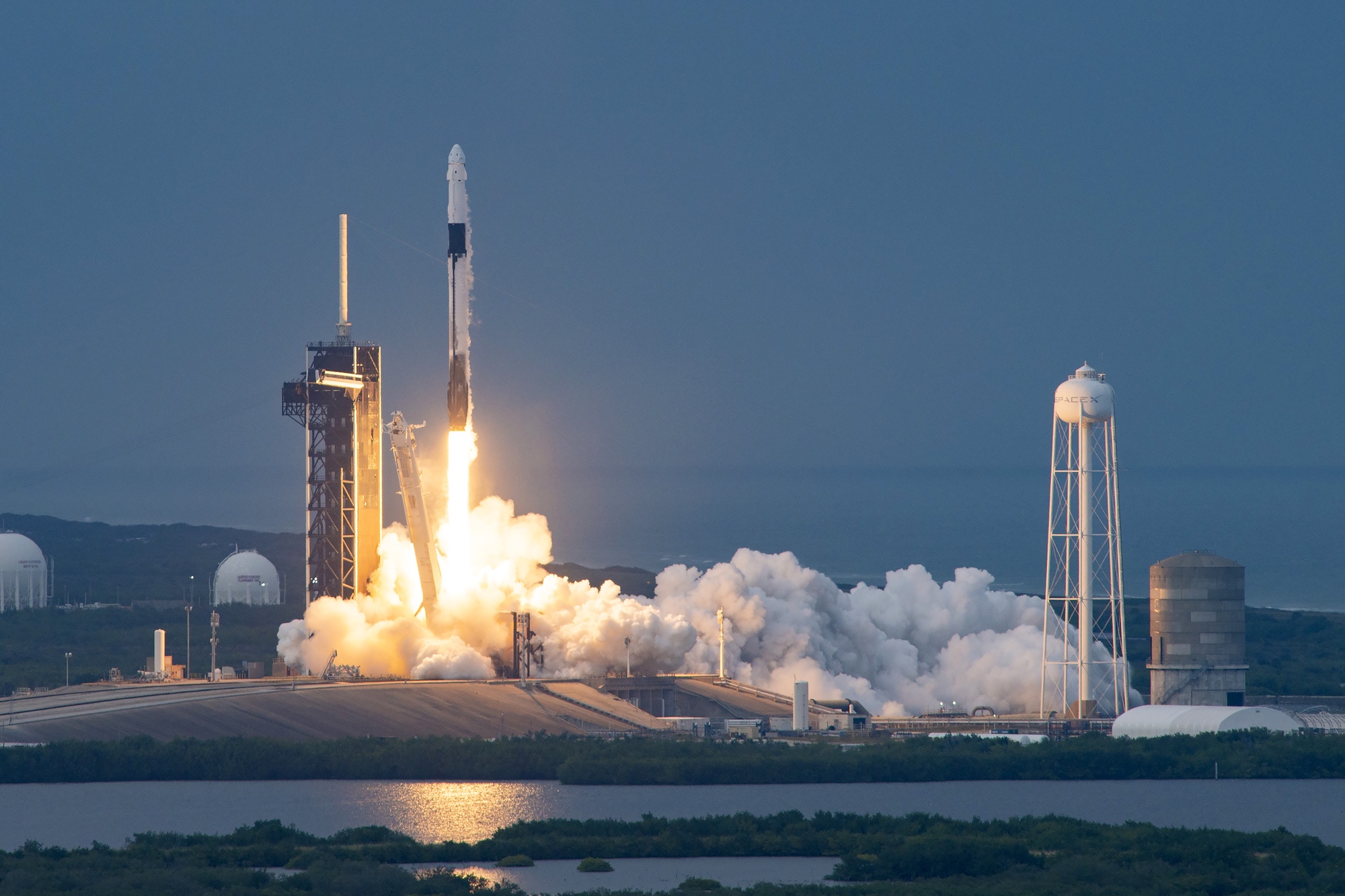
SpaceX is launching the Ax-4 private astronaut mission to the ISS on June 10, carrying four astronauts, including veteran NASA astronaut Peggy Whitson, on a Falcon 9 rocket from Kennedy Space Center. The mission will include the first-time presence on the ISS for astronauts from India, Poland, and Hungary, and will conduct over 60 scientific experiments during a two-week stay, ending with a splashdown in the Pacific Ocean.
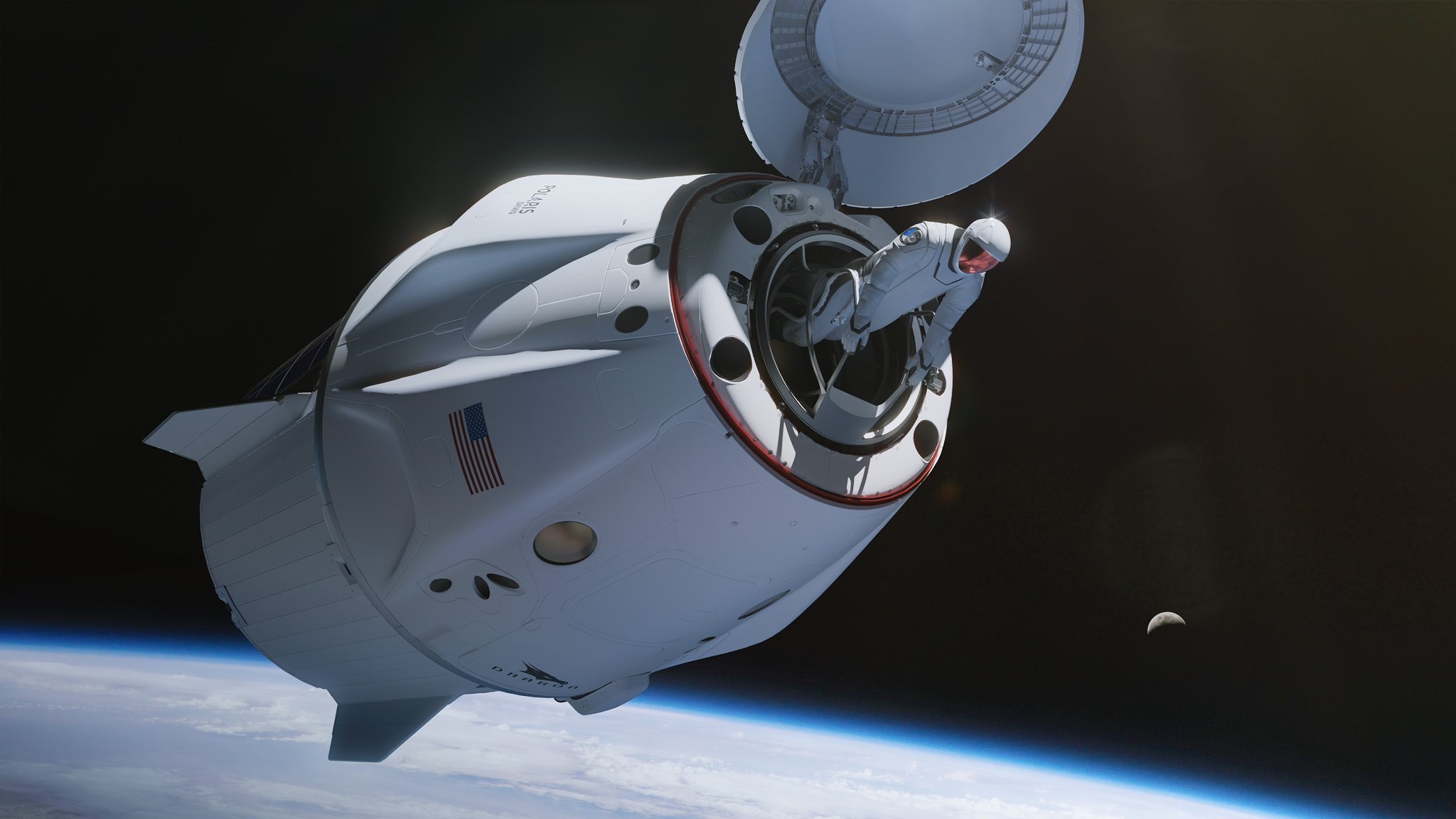
The Polaris Dawn private astronaut mission, which will feature the first spacewalk from a Crew Dragon spacecraft, has been delayed to at least mid-2024. The delay is due to the need for a new spacesuit and modifications to the spacecraft to enable the spacewalk. The mission will also test intersatellite communications and conduct health research, lasting up to five days.
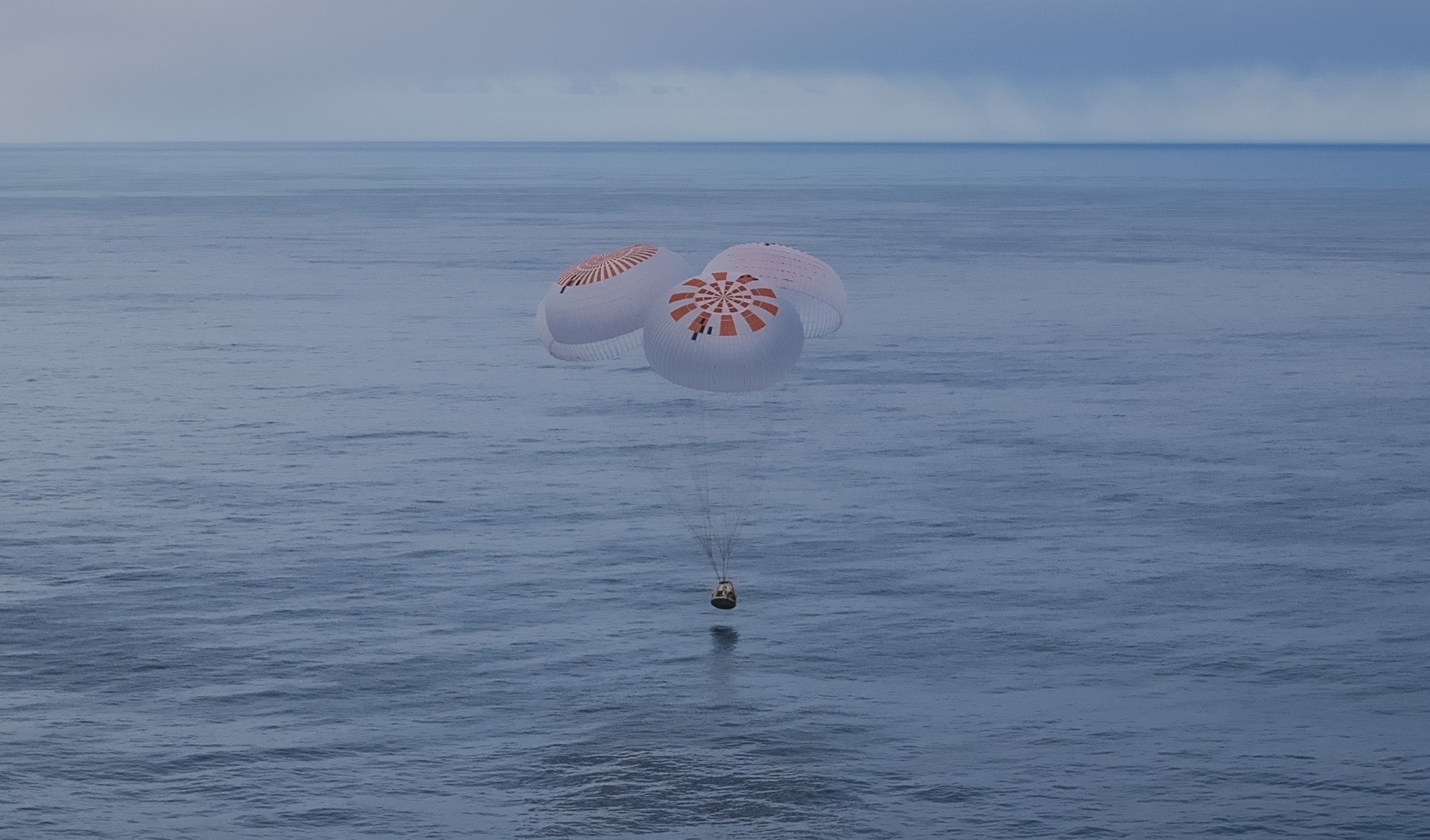
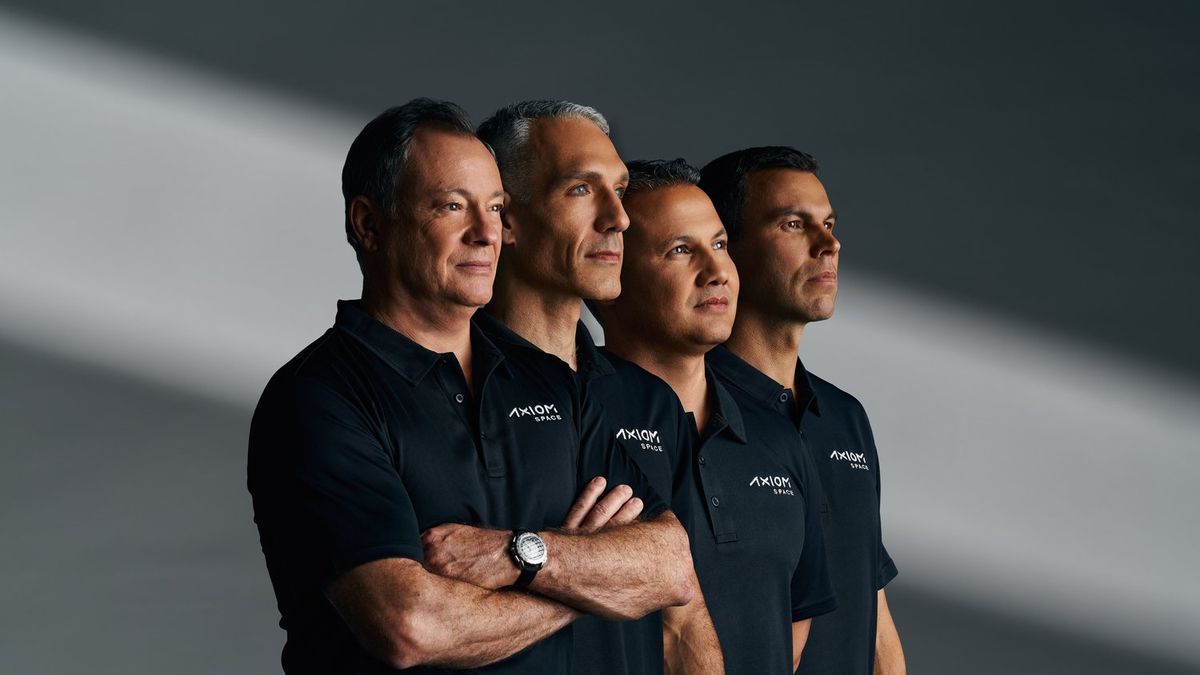
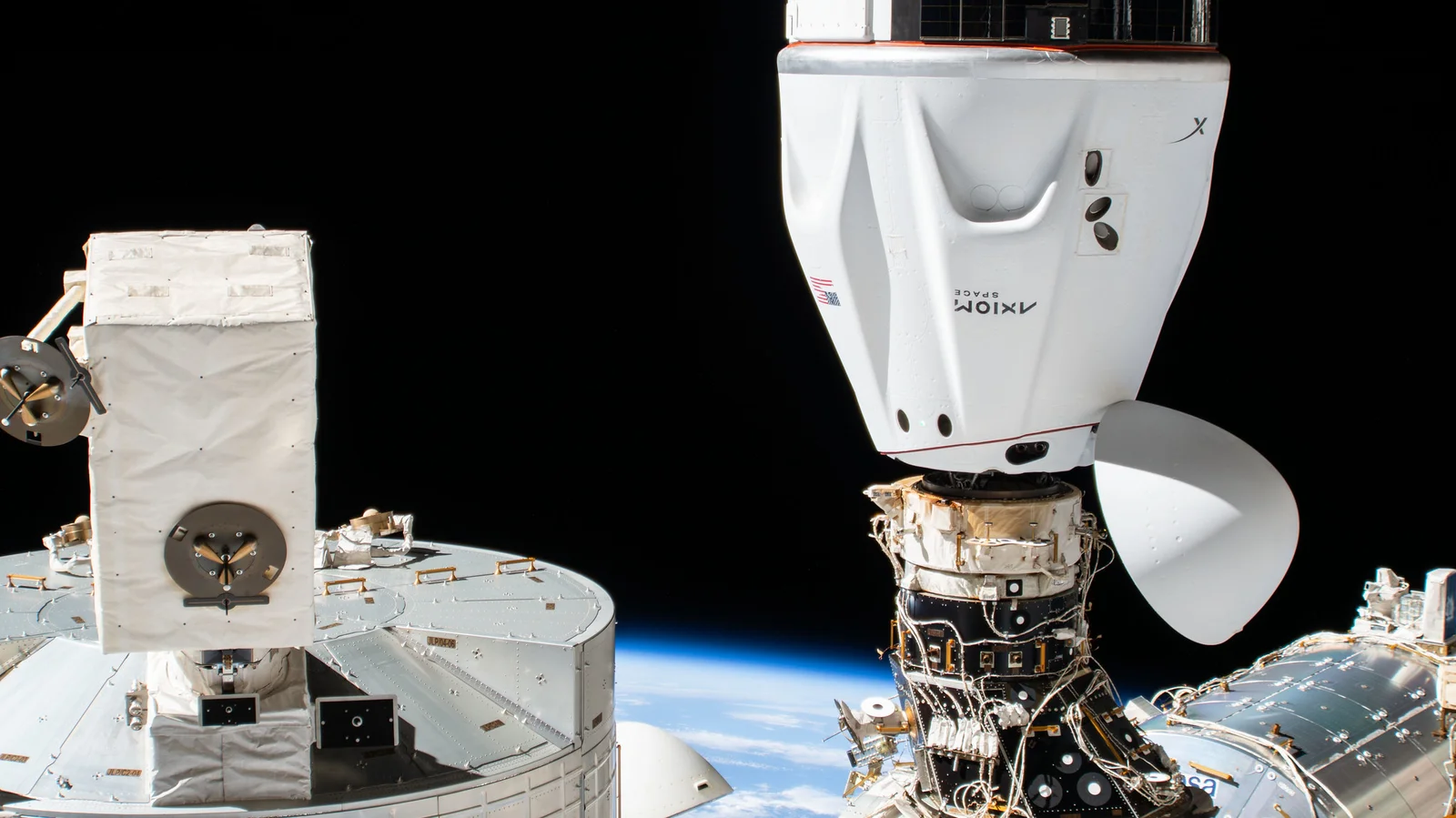
SpaceX's Crew Dragon spacecraft, Freedom, successfully completed the Ax-3 private astronaut mission to the International Space Station, splashing down off the coast of Florida after a three-week mission. The mission, commanded by former NASA astronaut Michael López-Alegría, included an Italian Air Force officer, a Turkish astronaut, and a Swedish astronaut who represented the European Space Agency. Axiom Space, the company behind the mission, aims to gain spaceflight experience for future commercial modules on the ISS and a standalone space station. This successful mission also demonstrated new opportunities for European astronauts and marked the first crewed launch by SpaceX this year, with plans for several more missions in 2023.
Axiom Space, in partnership with SpaceX, has launched its third all-private crew mission to the International Space Station, with a US-Spanish dual citizen commanding a crew of Italian, Swedish, and Turkish astronauts. The mission, called Ax-3, aims to conduct scientific experiments and marks the first time the European Space Agency has flown one of its astronauts to orbit with a commercial company. Axiom's goal is to build a fully commercial space station in low-Earth orbit by the end of the decade, and the company views flying government-backed astronauts as a lucrative market, in addition to private space tourists.
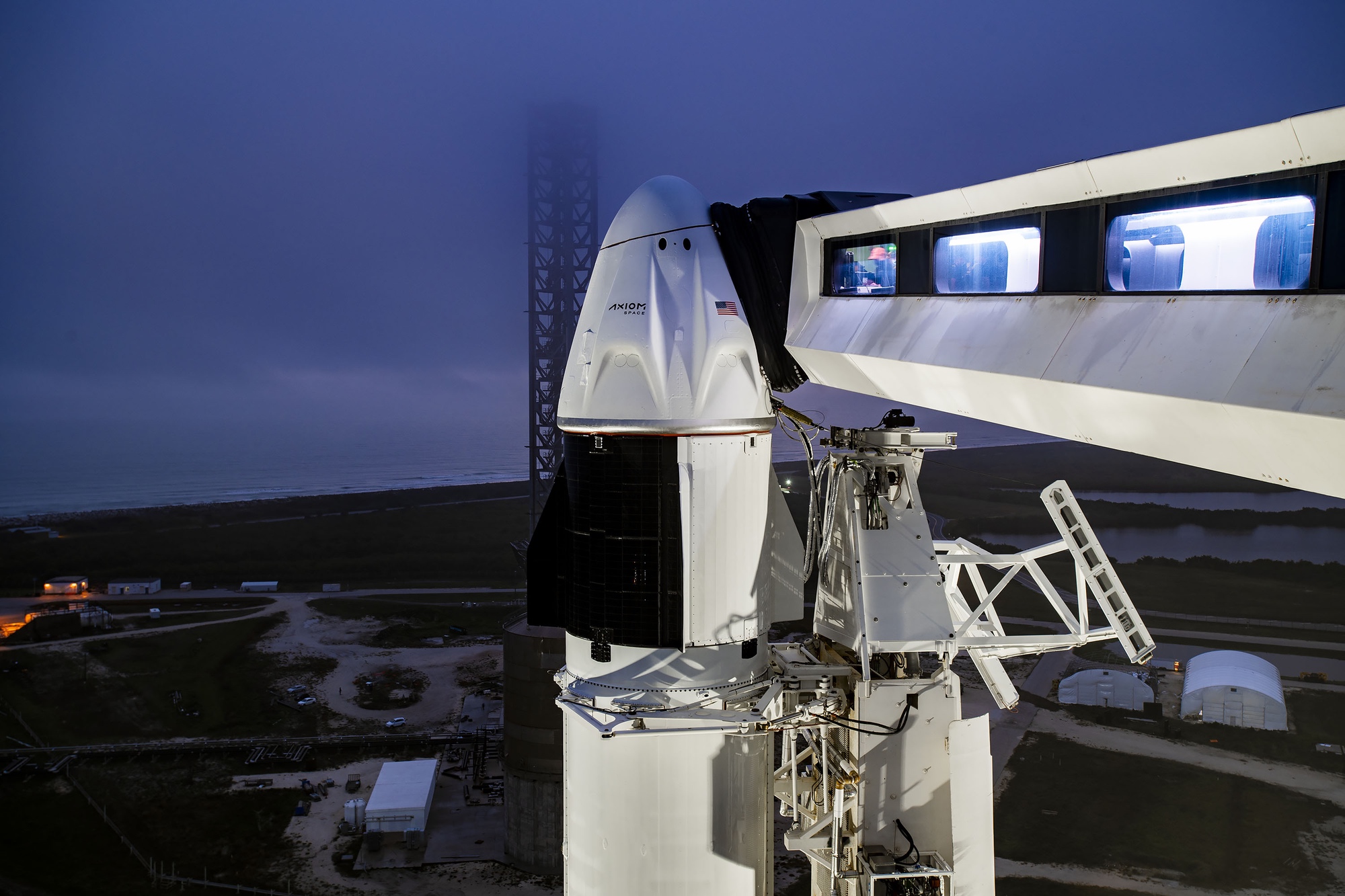
SpaceX successfully launched Axiom Space’s third private astronaut mission to the International Space Station, with a veteran former NASA astronaut and three astronauts from European governments aboard the Crew Dragon spacecraft Freedom. The mission, known as Ax-3, aims to gain experience in spaceflight operations as Axiom Space prepares to install commercial modules on the ISS, which will later form the core of a standalone commercial space station. The spacecraft is scheduled to dock with the ISS on January 20 and will remain docked for about two weeks before returning to Earth with its four-person crew.
SpaceX has delayed the launch of Axiom Space's Ax-3 mission to the International Space Station by a day, now scheduled for Jan. 18. The mission will carry a four-person, all-European crew to the ISS to conduct over 30 science experiments. The Crew Dragon spacecraft, named Freedom, has previously flown astronauts to and from the ISS on two missions. Axiom Space aims to build a thriving economy in low Earth orbit by flying private astronaut missions to the ISS and eventually constructing its own private space station.
Axiom Space is preparing for its third private astronaut mission to the International Space Station, with a scheduled launch on Jan. 17. Technical issues, including problems with joints connecting the Dragon spacecraft to the Falcon 9 upper stage and the parachute system, have compressed the timeline for launch preparations. The mission, commanded by former NASA astronaut Michael López-Alegría, aims to serve as a precursor to commercial modules that Axiom plans to install on the ISS, leading to the development of a standalone commercial space station after the retirement of the ISS.
SpaceX's launch of Axiom Space's Ax-3 mission, the third private astronaut mission to the International Space Station, has been delayed from January 9 to January 17 due to unfavorable weather conditions and changes in SpaceX's launch manifest. The mission will be commanded by former NASA astronaut Michael López-Alegría and will send four people to the ISS in a Dragon capsule. This delay follows a series of weather-related delays for SpaceX launches from Florida's Space Coast.
Axiom Space is set to launch its third private astronaut mission, Ax-3, to the International Space Station (ISS) on January 9, 2024, using SpaceX's Falcon 9 rocket and Dragon spacecraft. The mission will carry four commercial astronauts, including former NASA astronaut Michael López-Alegría as the commander. Axiom Space hopes that future private astronaut missions will become cheaper as SpaceX improves its operations and launch costs decrease. Axiom is also planning to attach private modules to the ISS starting in 2026, with the goal of eventually creating a free-flying space station.
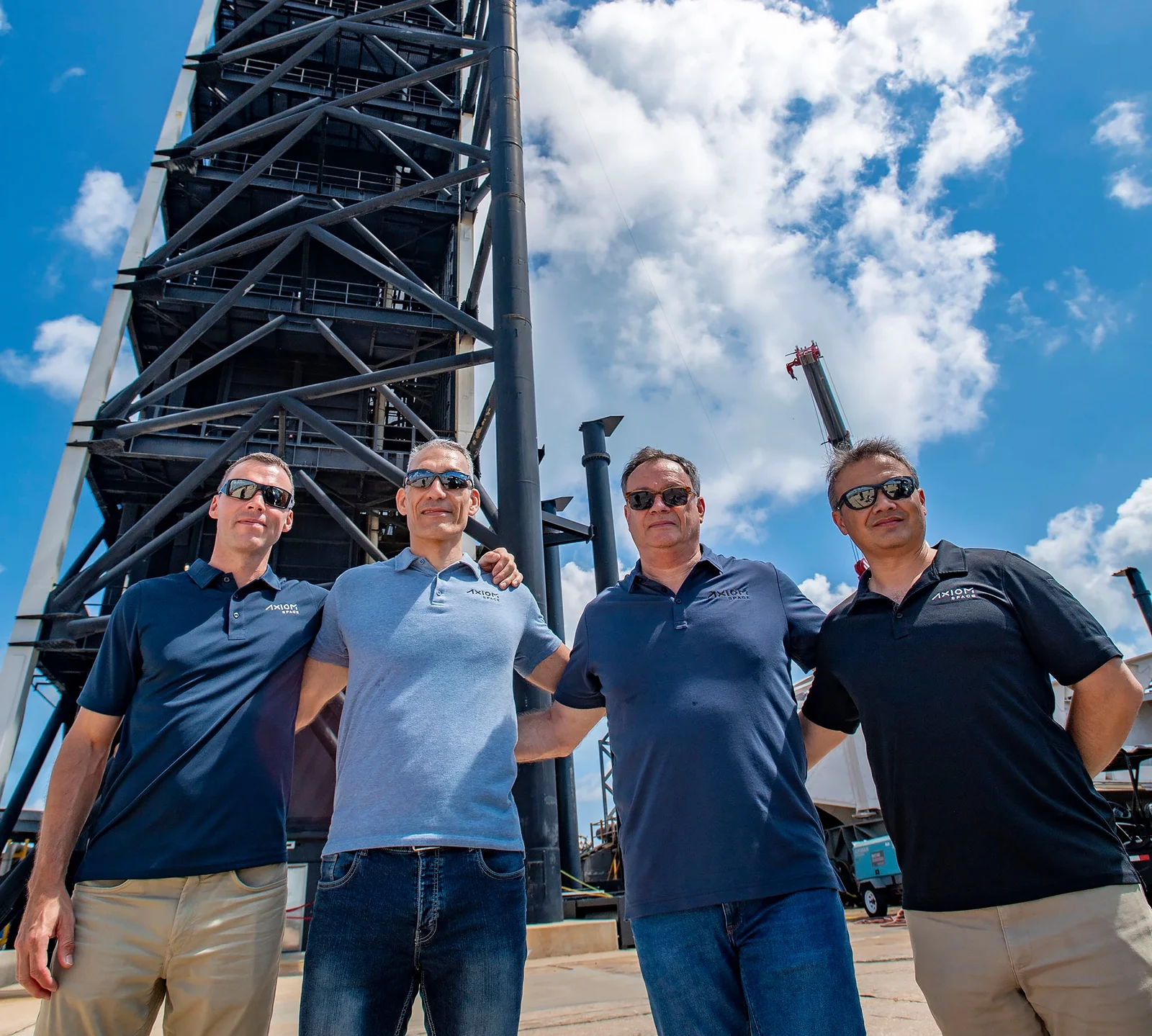
SpaceX has yet to decide whether the upcoming Axiom Space private astronaut mission, Ax-3, will launch from Launch Complex 39A (LC-39A) at Kennedy Space Center or nearby Space Launch Complex 40 (SLC-40) at Cape Canaveral Space Force Station. The launch is scheduled for January 9, 2023, and will use the same Crew Dragon spacecraft and Falcon 9 booster as a previous mission. SpaceX has been building a tower at SLC-40 to support cargo and crew launches and is nearing completion. A decision on the launch pad is pending, as LC-39A is scheduled for another Falcon 9 launch on January 12.
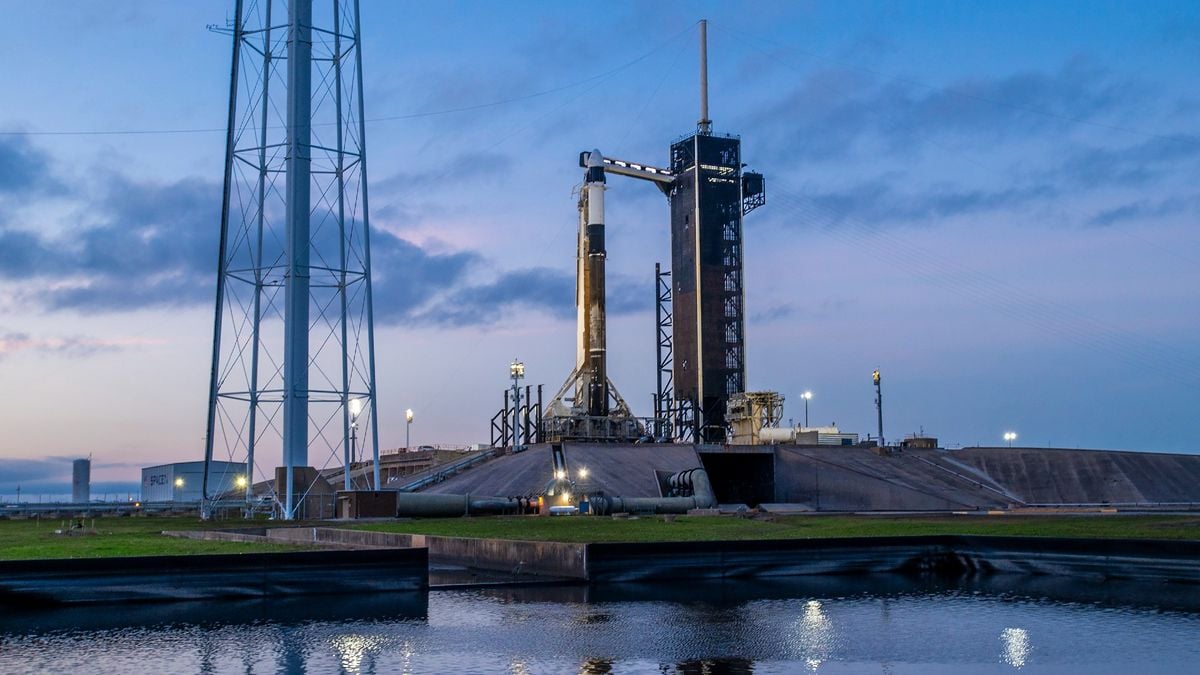
SpaceX is preparing to use its new crew access tower at Space Launch Complex 40 (SLC-40) in Cape Canaveral for its first Crew Dragon launch with astronauts, potentially in January. Axiom Space's third private astronaut mission to the International Space Station (ISS) is likely to be the debut mission for the new tower, as Launch Complex-39A has a packed schedule. The mission will be commanded by former NASA astronaut Michael López-Alegría and will send three European astronauts to the ISS for up to 14 days. The new tower will provide SpaceX with an additional launch pad option and help accommodate the increasing demand for ISS missions.
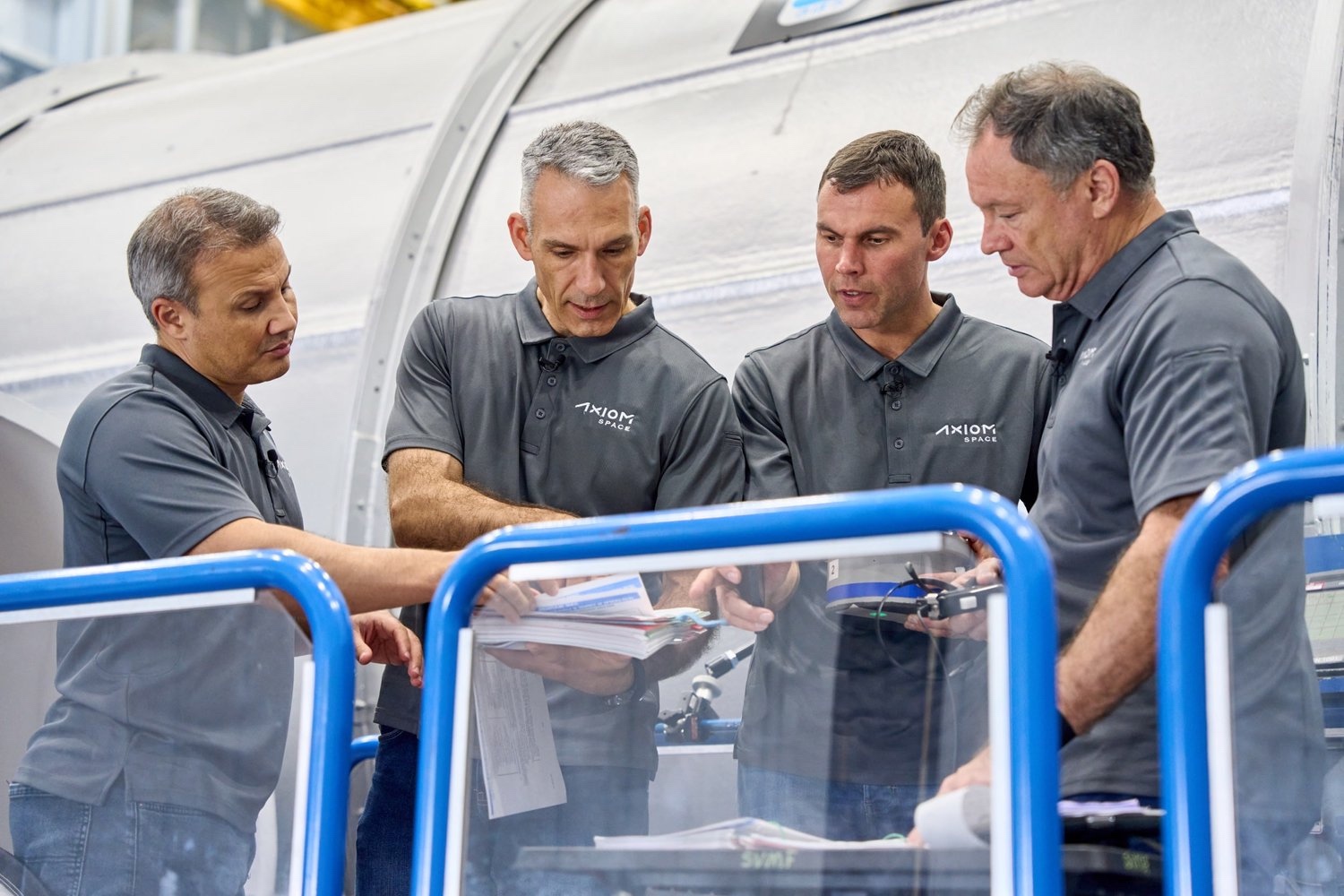
Axiom Space is refining the training for its upcoming Ax-3 private astronaut mission to the International Space Station (ISS), incorporating lessons learned from previous missions. The crew, commanded by former NASA astronaut Michael López-Alegría, consists of three customers: Walter Villadei of Italy, Alper Gezeravcı of Turkey, and Marcus Wandt of Sweden. The training for Ax-3 has been optimized to focus on relevant activities and improve time management skills. The crew members' backgrounds as military pilots have contributed to their preparedness, and the training has been supported by their earlier experience in military aircraft. The mission is scheduled to launch in January 2023 on a SpaceX Crew Dragon spacecraft.
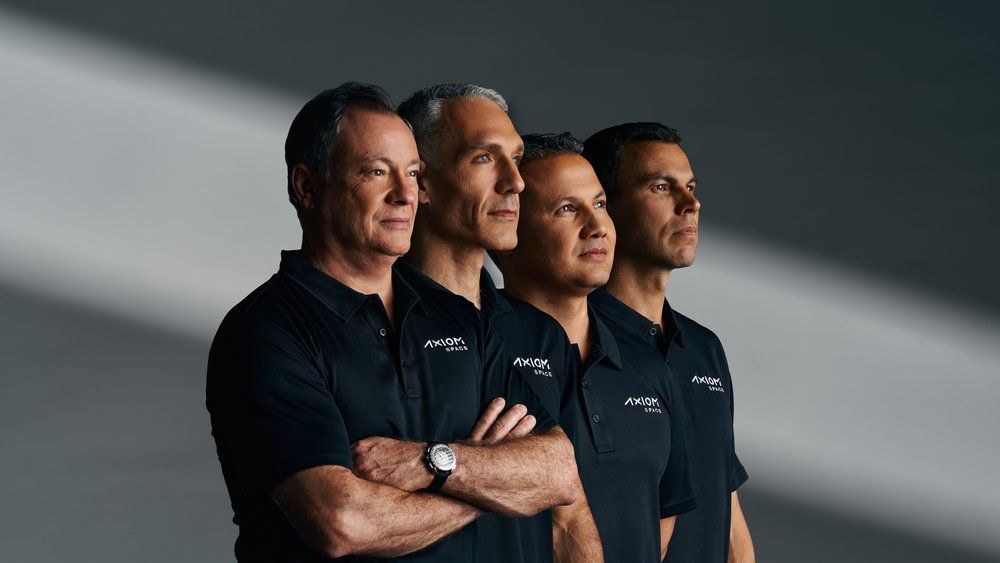
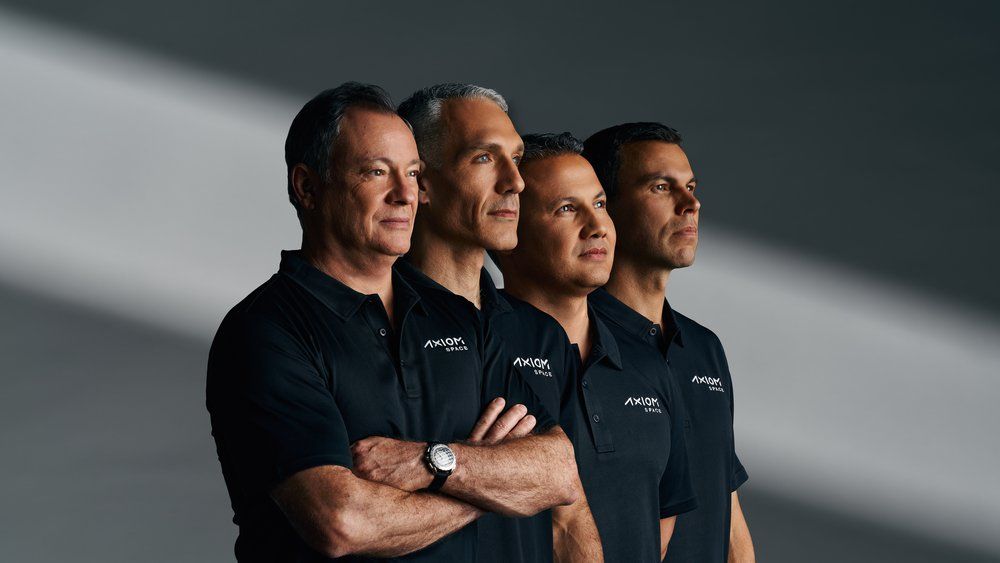
Axiom Space's third private astronaut mission, Ax-3, is scheduled for launch in January 2024. The crew includes former NASA astronaut Michael López-Alegría, European Space Agency reserve astronaut Marcus Wandt, Italian Air Force pilot Walter Villadei, and Turkey's first citizen in space, Alper Gezeravcı. The mission will use SpaceX's Crew Dragon spacecraft and Falcon 9 rocket to travel to the International Space Station (ISS). The crew members expressed their excitement and discussed the training and preparations for the mission.
Virgin Galactic has announced the flight window for its second commercial spaceflight, 'Galactic 02', which will open on August 10, 2023. This mission will mark the first private astronaut mission for the company and will livestream the spaceflight on VirginGalactic.com. The details of the crew and pilots will be released at a later date, and the flight aims to showcase the accessibility of human spaceflight.