A coalition of private health insurers has voluntarily pledged to reform and standardize the prior authorization process by the end of the year to reduce bureaucratic delays and improve transparency, with federal officials warning they may implement regulations if insurers do not comply.
Eric Dane, known for 'Grey's Anatomy' and 'Euphoria,' expressed gratitude for his financial stability amid his ALS diagnosis and highlighted the importance of insurance reforms to reduce delays in care, acknowledging the broader struggles faced by many Americans.
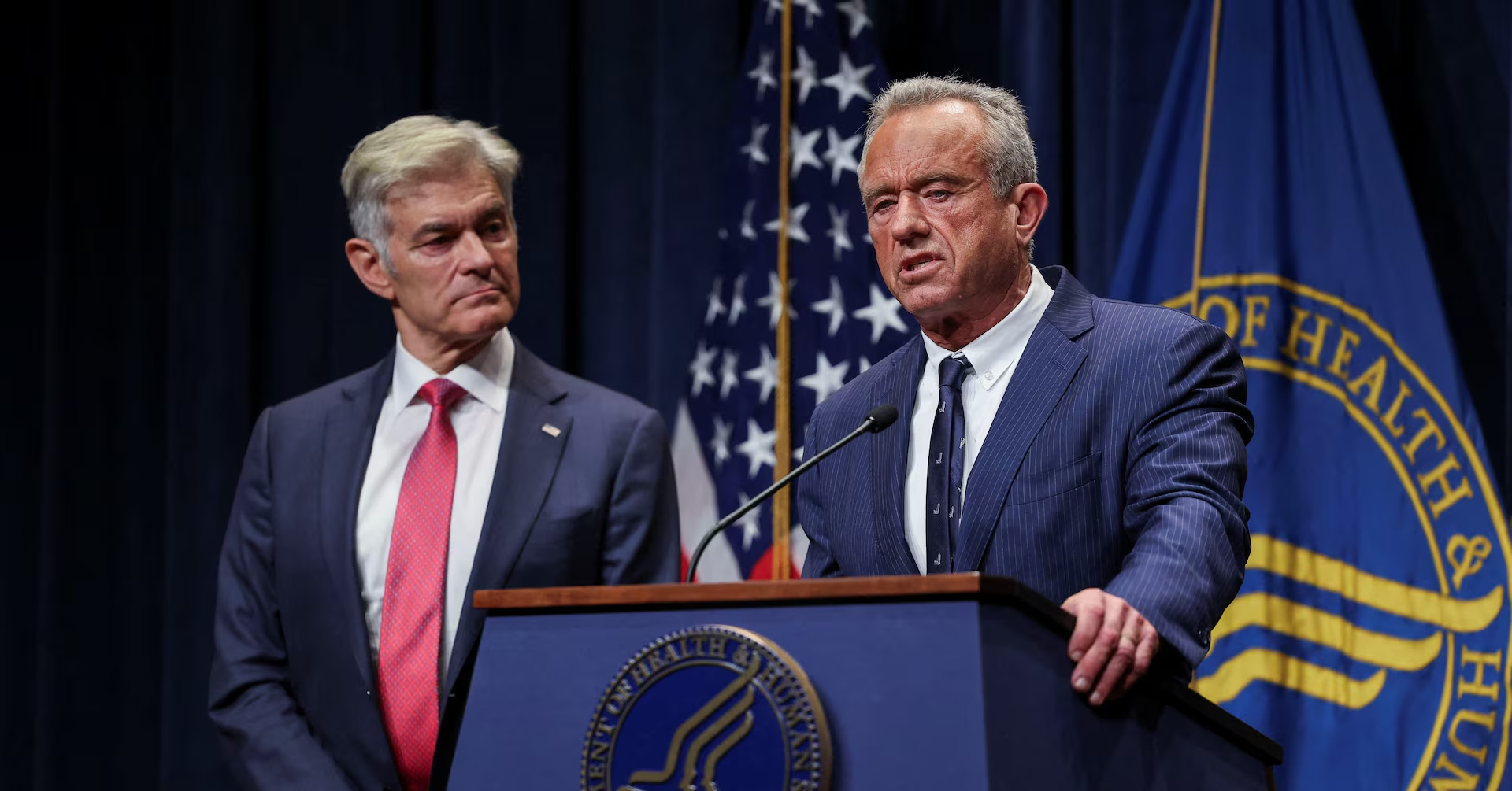
RFK Jr and Dr Oz announced a voluntary agreement with insurance companies to reform prior authorization practices, aiming to reduce delays and denials of care, though past commitments have fallen short. The initiative seeks to standardize and speed up decisions, with industry and political support, amidst ongoing debates over healthcare access and insurance regulation.
U.S. Health Secretary Robert F. Kennedy Jr. secured commitments from major insurers to simplify prior authorization processes, including digital submissions and reduced scope, aiming to improve healthcare efficiency and patient experience, with participation being voluntary and plans to standardize procedures by 2027.
Major health insurers like UnitedHealthcare and CVS Health's Aetna plan to reduce and standardize prior authorization processes to decrease care delays and complaints, aiming to speed up responses and improve patient access to necessary treatments.
Health insurance plans in the U.S. have committed to simplifying and streamlining the prior authorization process to improve patient access, reduce administrative burdens, and enhance transparency, with specific actions including standardizing electronic submissions, reducing scope, ensuring continuity of care, and expanding real-time responses, aiming for significant improvements by 2026-2027.
Major U.S. health insurers including UnitedHealthcare, CVS, Cigna, and others have agreed to streamline and speed up the prior authorization process to reduce delays and administrative burdens, benefiting over 250 million Americans and aiming for real-time approvals by 2027.
Health insurers, covering 257 million people, have committed to streamlining and simplifying the preapproval (prior authorization) process to improve access to care, reduce delays, and increase transparency, with a goal to implement changes by January 2027.
Major health insurers have pledged to reform the controversial practice of prior authorization, aiming to speed up decision-making, reduce delays, and improve transparency for patients and doctors, amid mounting criticism and regulatory pressure.
Doctors fighting the US opioid epidemic are facing a bureaucratic hurdle called "prior authorization" imposed by health insurance companies, which requires permission before prescribing addiction treatment. This requirement is seen as burdensome and potentially life-threatening, especially as overdose rates continue to rise. Prior authorization particularly targets buprenorphine, a gold-standard therapy for opioid use disorder, and is more prevalent in for-profit health plans and Republican-leaning states. While efforts to lift prior authorization requirements are underway, stigma and barriers to treatment persist in the face of the deadliest drug epidemic in the US.
The Biden administration has introduced new rules to limit private health insurance companies' use of prior authorization, aiming to speed up the approval process and require companies to provide specific reasons for denials. While the regulations will impact about 105 million people, they exclude the largest pool of privately insured Americans and do not cover prior authorizations for medications. Patient advocates welcome the rules but argue they don't go far enough to address the issue, citing instances where patients faced significant hurdles to obtain necessary care due to prior authorization denials.
The Centers for Medicare & Medicaid Services (CMS) has issued the CMS Interoperability and Prior Authorization final rule (CMS-0057-F), requiring impacted payers to implement Health Level 7® (HL7®) Fast Healthcare Interoperability Resources® (FHIR®) application programming interfaces (APIs) to enhance electronic health data exchange and streamline prior authorization processes. The rule also includes provisions for patient and provider access APIs, payer-to-payer APIs, and prior authorization APIs, with compliance dates starting January 1, 2027. Additionally, impacted payers are required to report annual metrics on Patient Access API usage and publicly report certain prior authorization metrics. The rule aims to improve patient, provider, and payer access to interoperable patient data and reduce the burden of prior authorization processes.
The Centers for Medicare & Medicaid Services (CMS) has finalized a rule to streamline the prior authorization process for medical items and services, aiming to reduce patient and provider burden and save an estimated $15 billion over ten years. The rule sets requirements for various healthcare payers to improve electronic health information exchange and prior authorization processes, with a focus on expediting decisions and reducing administrative burden. Additionally, the rule mandates the implementation of Health Level 7 (HL7®) Fast Healthcare Interoperability Resources (FHIR®) Prior Authorization application programming interface (API) to facilitate a more efficient electronic prior authorization process between providers and payers.
Cancer patients, including veterans seeking care through the Department of Veterans Affairs (VA), are facing delays in treatment due to prolonged prior authorization processes. Prior authorization is a requirement by most private and federal health insurance programs to reduce spending and avoid unnecessary care, but critics argue that it has become a tool to restrict or delay expensive treatments. Studies have shown that prior authorization is directly related to increased anxiety among cancer patients and erodes their trust in the healthcare system. The federal government is considering new rules to improve prior authorization, but in the meantime, patients must navigate a system marked by roadblocks and appeals.
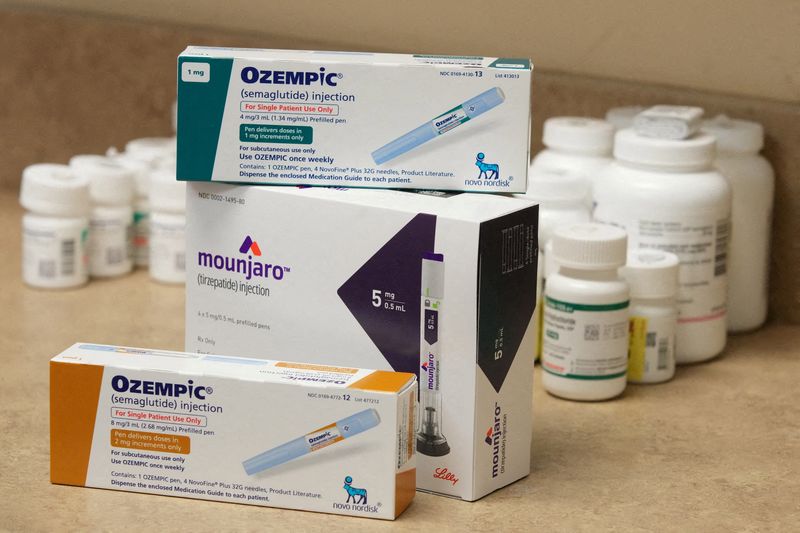
Some patients with type 2 diabetes in the US are facing difficulties in getting reimbursed for drugs like Ozempic as insurers tighten coverage restrictions to discourage doctors from prescribing the medication for weight loss. This trend has led to a decline in US prescriptions, causing delays and disruptions for diabetes patients. Insurers are implementing prior authorization requirements, forcing patients to try other drugs before being allowed to access newer medications. The high cost of these medications and the paperwork burden on physicians are additional challenges. Patients and doctors are preparing for potential changes in coverage terms in January.