Tag

Addiction Medicine

All articles tagged with #addiction medicine

health1 year ago

"Revolutionizing Addiction Medicine: A New Definition of Sobriety"

The field of addiction medicine is being reshaped as more younger Americans reject alcohol in favor of substances like cannabis, ketamine, and psychedelics. This shift has led to a redefinition of sobriety, with some individuals considering themselves sober despite using these substances in moderation. The traditional understanding of sobriety as complete abstinence from all intoxicating substances is being challenged, causing concern among some addiction experts.

"Insurance Barriers Impede Treatment for Doctors Fighting US Opioid Epidemic"

Doctors fighting the US opioid epidemic are facing a bureaucratic hurdle called "prior authorization" imposed by health insurance companies, which requires permission before prescribing addiction treatment. This requirement is seen as burdensome and potentially life-threatening, especially as overdose rates continue to rise. Prior authorization particularly targets buprenorphine, a gold-standard therapy for opioid use disorder, and is more prevalent in for-profit health plans and Republican-leaning states. While efforts to lift prior authorization requirements are underway, stigma and barriers to treatment persist in the face of the deadliest drug epidemic in the US.

health2 years ago

The Controversy Surrounding Matthew Perry's Ketamine Therapy and Tragic Death

A ketamine therapist and addiction medicine expert, Dr. Zaid Fadul, argues that blaming Matthew Perry's death solely on ketamine is misleading and unfair. While ketamine was found in Perry's system, he believes any sedating drug could have had the same effect, as Perry drowned in his hot tub. Dr. Fadul suggests that Perry may have had a high tolerance to ketamine due to previous use, and emphasizes that ketamine can be an effective treatment for depression and anxiety when used safely. He believes Perry's case should serve as a cautionary tale rather than discouraging people from considering ketamine as a viable option.

health2 years ago

Semaglutide: A Promising Treatment for Alcohol Use Disorder

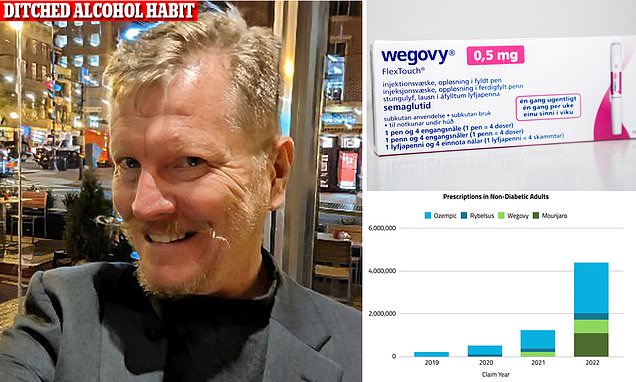
Semaglutide, a drug originally approved for diabetes and weight loss, may also have potential in reducing symptoms of Alcohol Use Disorder (AUD), according to a study published in The Journal of Clinical Psychiatry. The study involved six patients who received semaglutide during weight loss treatment and showed a significant decrease in their Alcohol Use Disorders Identification Test (AUDIT) scores. This finding opens new avenues for addiction treatment and has led to further clinical trials. Pre-clinical research in animals has also shown that semaglutide is associated with decreased drug and alcohol consumption. However, larger controlled studies are needed to validate and expand upon these initial findings.

health2 years ago

Semaglutide Treatment Shows Promising Results in Reducing Alcohol Use Disorder Symptoms

A collaboration between the University of Oklahoma School of Community Medicine and Oklahoma State University Center for Health Sciences has published the first evidence showing that semaglutide, a drug used for diabetes and weight loss, is associated with significant reductions in symptoms of Alcohol Use Disorder (AUD). The study outlines the outcomes of six patients who received semaglutide during weight loss treatment and experienced a noteworthy decrease in their Alcohol Use Disorders Identification Test (AUDIT) scores. This research opens up new possibilities for the use of semaglutide in addiction medicine, but further investigation through larger, controlled studies is needed to validate and expand upon these initial findings.

health2 years ago

"Exploring the Potential of Wegovy and Ozempic: Treating Addiction and Dementia Trials"

Scientists are conducting human clinical trials to investigate whether the weight-loss drug Ozempic, which mimics the GLP-1 hormone and reduces dopamine release in the brain, can be effective in treating alcoholism, drug addiction, and dementia. The trials aim to determine if Ozempic can help reduce alcohol intake and unhealthy cravings by dulling the brain's reward signaling. Researchers are also exploring its potential to reduce the risk of dementia by targeting certain proteins and inflammation in the brain. Early results are promising, but further research is needed to validate these findings with clinical data.