The US is pursuing a legal case against Maduro that could challenge the limits of presidential power, highlighting tensions between the US and Venezuela.
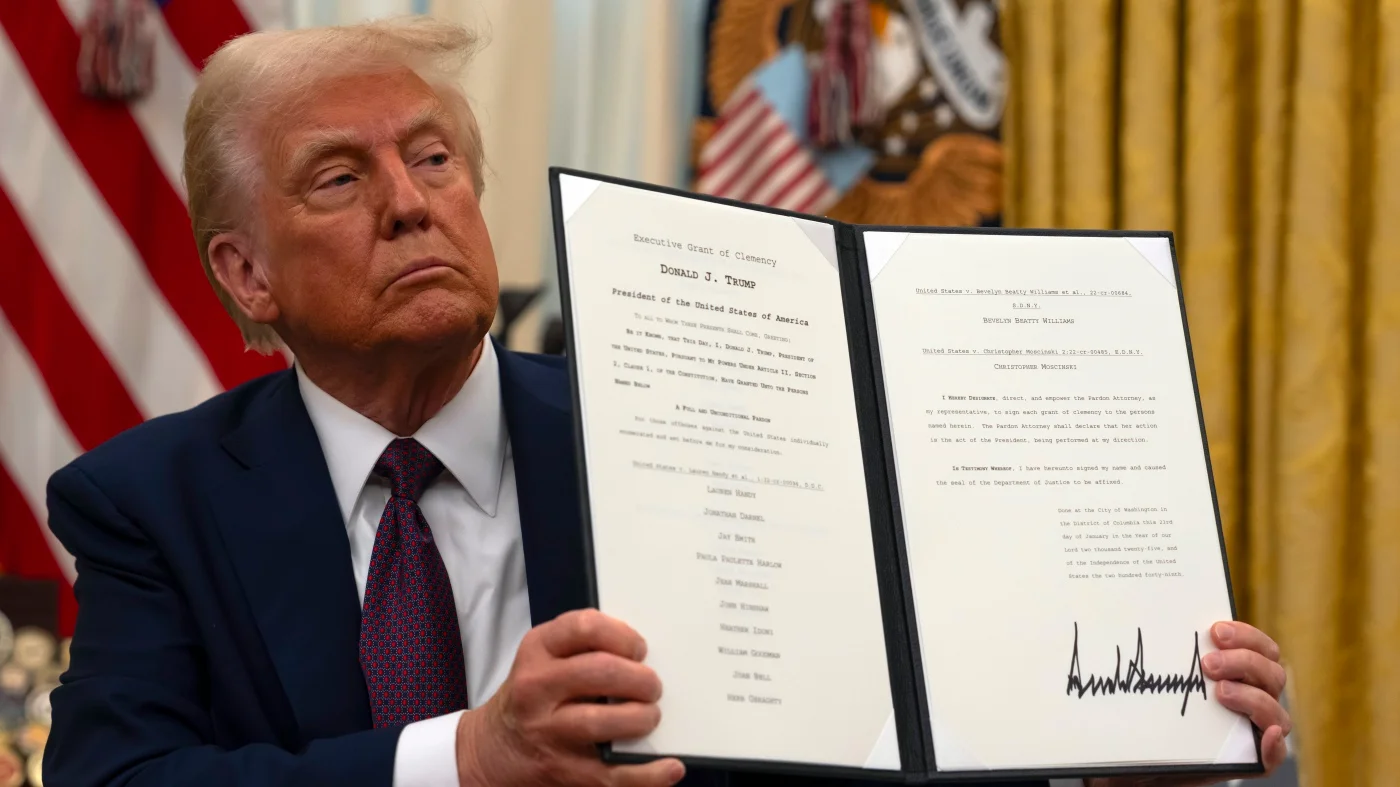
President Trump has issued pardons and commutations to various individuals, including political allies and those connected to his personal and political interests, notably trying to overturn the 2020 election results, with his actions reflecting a more politicized use of clemency compared to previous presidents.
Originally Published 2 months ago — by Rolling Stone
The article discusses how Dick Cheney expanded and solidified presidential powers post-Watergate, creating a system that Donald Trump later exploited, leading to unchecked authority and legal circumventions, with Cheney now criticizing Trump's abuse of power.
The Supreme Court is set to decide on the legality of President Trump's global tariffs imposed under the International Emergency Economic Powers Act (IEEPA), a case of immense significance for U.S. economic policy, presidential authority, and international trade, with potential outcomes affecting billions in refunds, trade negotiations, and the scope of executive power.
Donald Trump's approval rating has dropped to 37%, the lowest in his second term, amid declining public confidence in the economy, concerns over his use of presidential powers, and ongoing political and social issues in the US, with many Americans indicating their votes in upcoming elections may oppose him.
A Washington Post-ABC News-Ipsos poll shows Americans disapprove of President Trump's job performance, with high disapproval across issues and parties, yet the upcoming 2026 midterms remain highly competitive with a narrow lead for Democrats in voter support, highlighting a divided and uncertain political landscape.
The US government shutdown is weakening Congress's control over federal spending, as President Trump reallocates funds and takes unilateral actions, raising concerns about the erosion of congressional authority and constitutional boundaries amid partisan disputes.
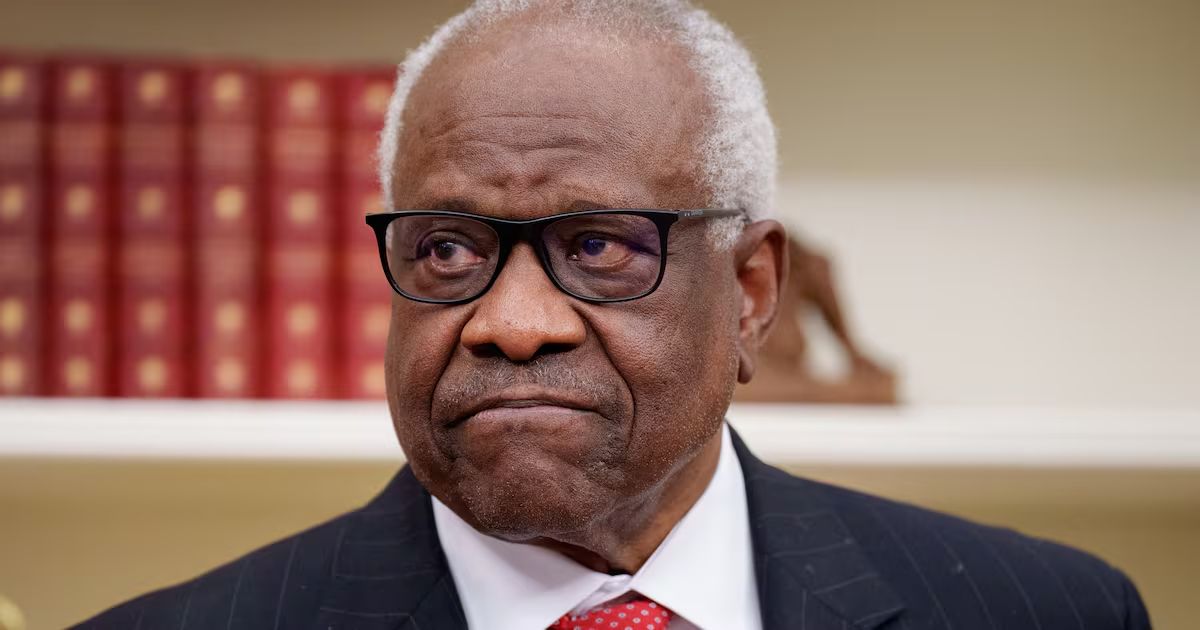
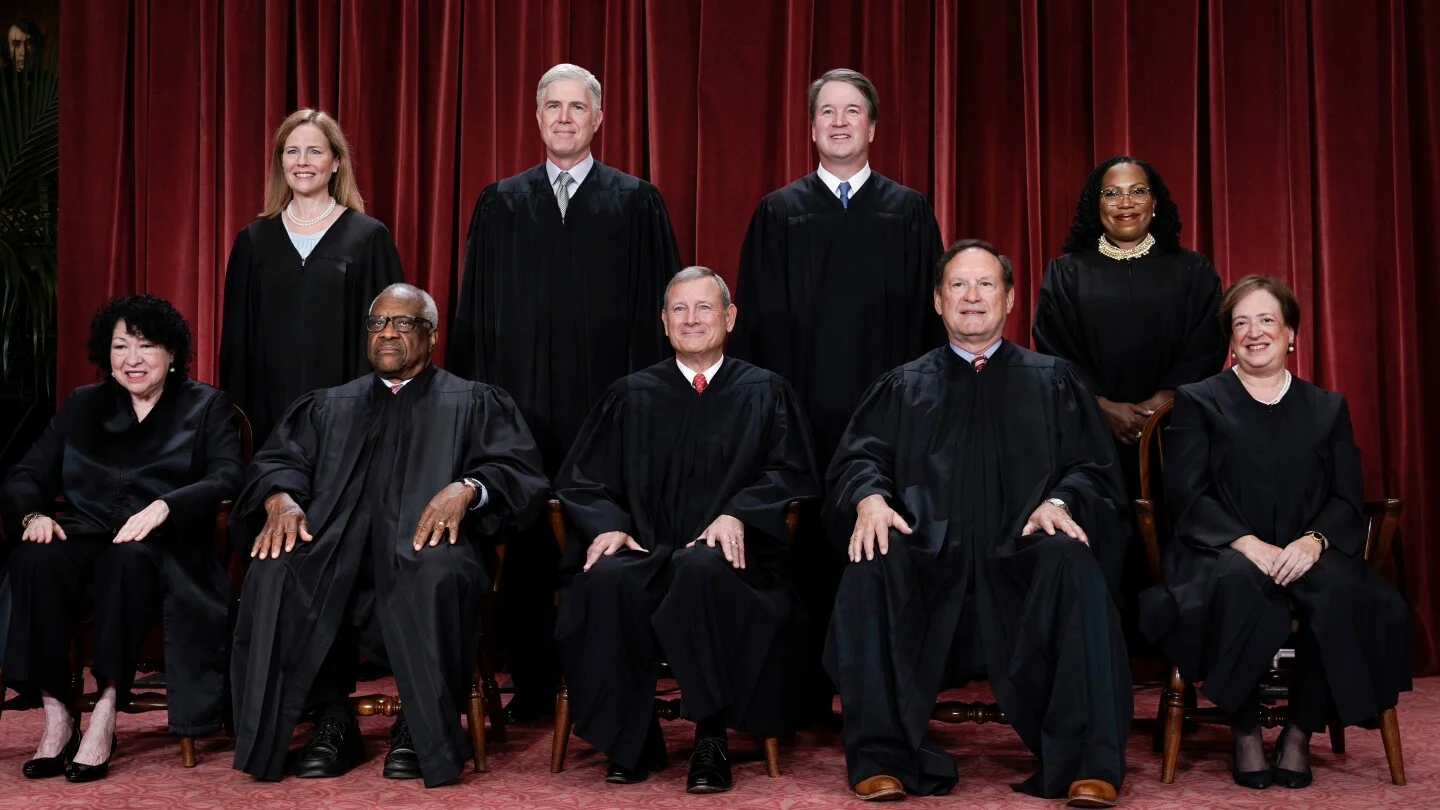
A former clerk to Justice Clarence Thomas warns that the Supreme Court's interpretation of the Constitution may be shifting towards a pro-presidential stance, potentially undermining norms and institutions, especially regarding the president's power to remove officials, with significant implications for future governance.
The Senate voted to repeal old Middle East war authorizations, a move supported by both parties to limit presidential military powers, though a final agreement is still uncertain. The repeal aims to prevent abuses like those seen in recent drone strikes and is part of broader efforts to overhaul war powers post-9/11, but political challenges remain, especially regarding recent military actions in Latin America.
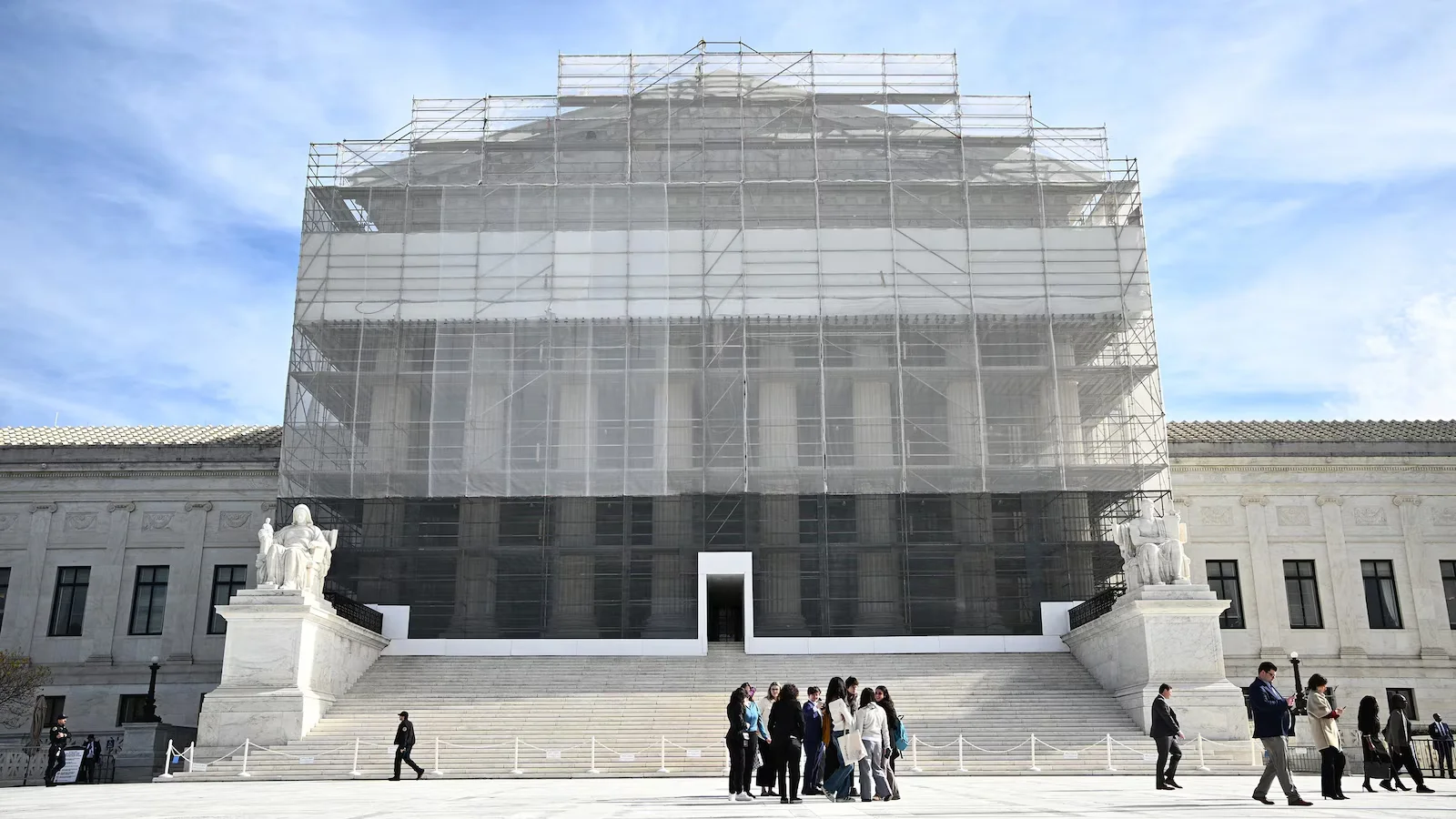
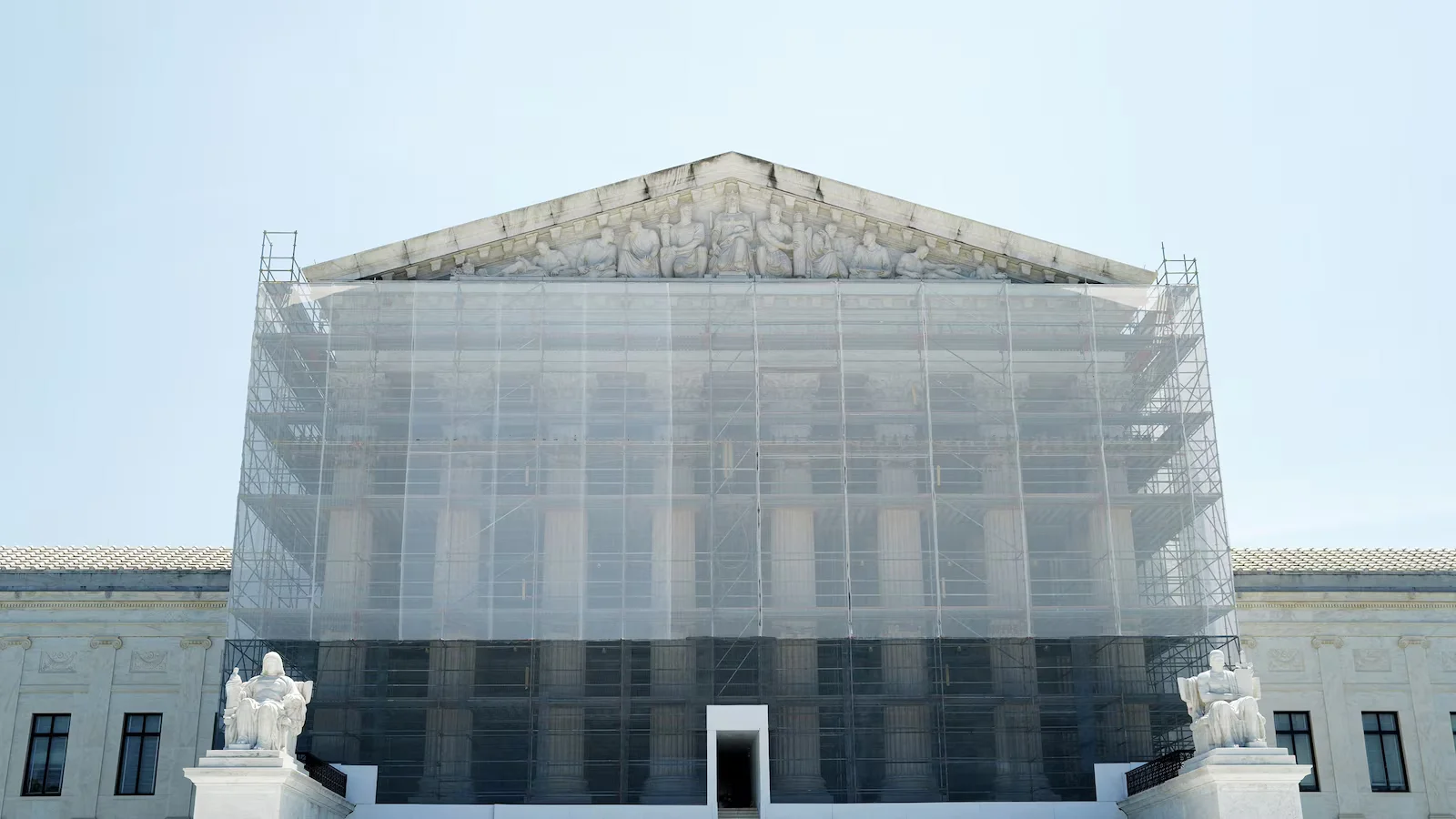
The U.S. Supreme Court's new term will test the limits of President Trump's executive powers through cases on tariffs, agency firings, birthright citizenship, and more, with potential major implications for presidential authority, the economy, and American society. The court's decisions could reshape legal precedents and influence future governance.
The upcoming Supreme Court term will test major issues including presidential authority, voting rights, LGBTQ participation in sports, and controversial Trump policies like tariffs and birthright citizenship, with a conservative majority potentially leading to significant legal shifts.
The Supreme Court is set to hear cases challenging Trump's efforts to expand presidential powers, including disputes over tariffs, firing federal agency leaders, and overriding longstanding precedents, with the court's conservative majority leaning towards supporting Trump's positions and potentially reshaping legal boundaries on executive authority.
President Trump has ordered the deployment of National Guard troops to Memphis to combat crime, raising concerns among experts about the normalization of military presence on city streets and the potential overreach of presidential power, amid ongoing debates over the effectiveness and legality of such federal interventions in domestic cities.
The Trump administration has asked the Supreme Court to allow withholding $4 billion in foreign aid approved by Congress, challenging a federal judge's ruling that requires the government to spend the funds, raising a significant legal dispute over presidential authority and congressional spending powers.
President Trump claimed he has unlimited power as president to deploy the National Guard in any state, including Chicago, amid ongoing tensions with Democratic governors and cities, asserting his authority despite pushback from Illinois Governor JB Pritzker and others.