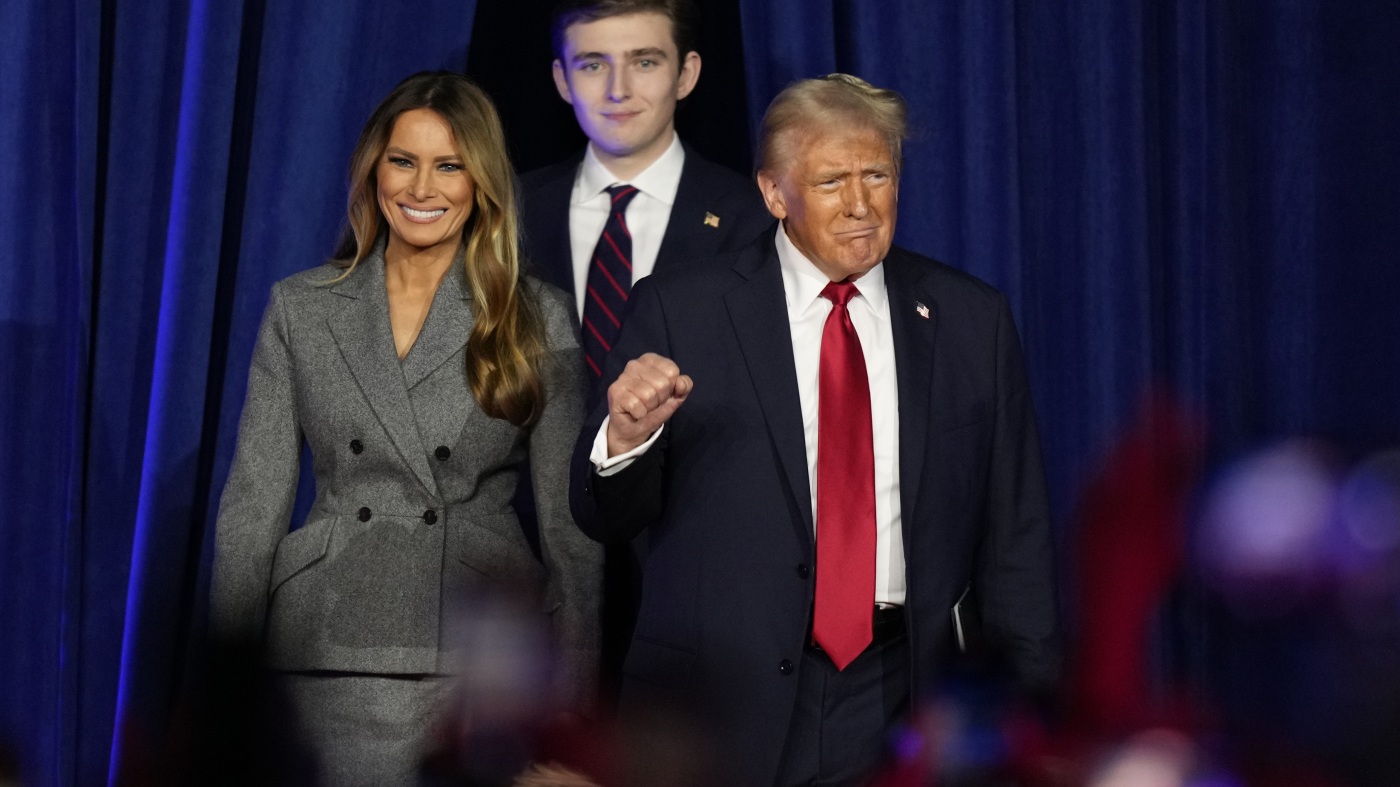
Trump has historically attended key Supreme Court events and lower court proceedings, but he has recently reversed his decision to attend upcoming Supreme Court arguments, citing concerns about protocol and appropriateness, amidst ongoing legal cases and his previous court appearances.
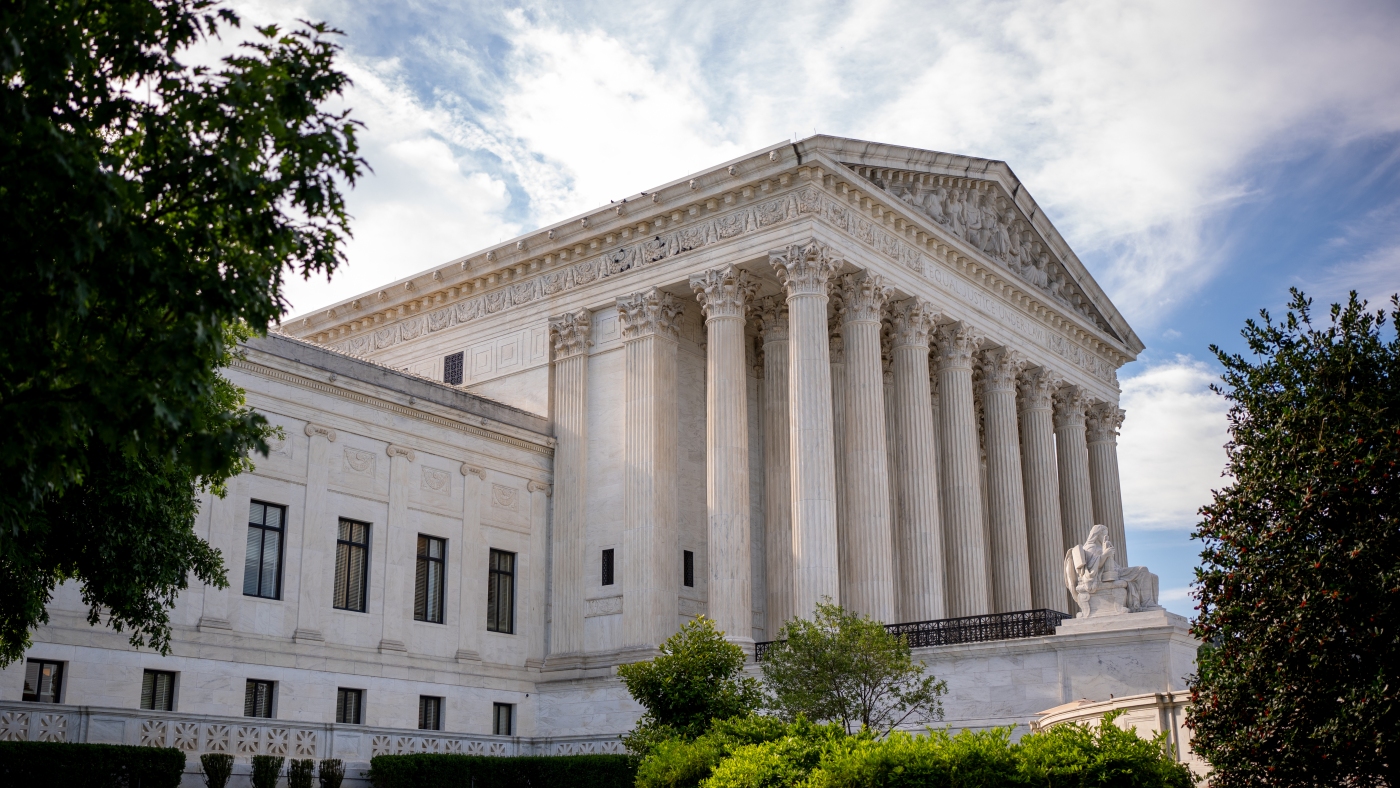
The upcoming Supreme Court term will focus heavily on presidential powers, including cases on voting rights, agency firings, tariffs, and executive orders, amid a conservative majority that has been favoring executive authority, raising questions about the balance of power and the court's influence on government structure.
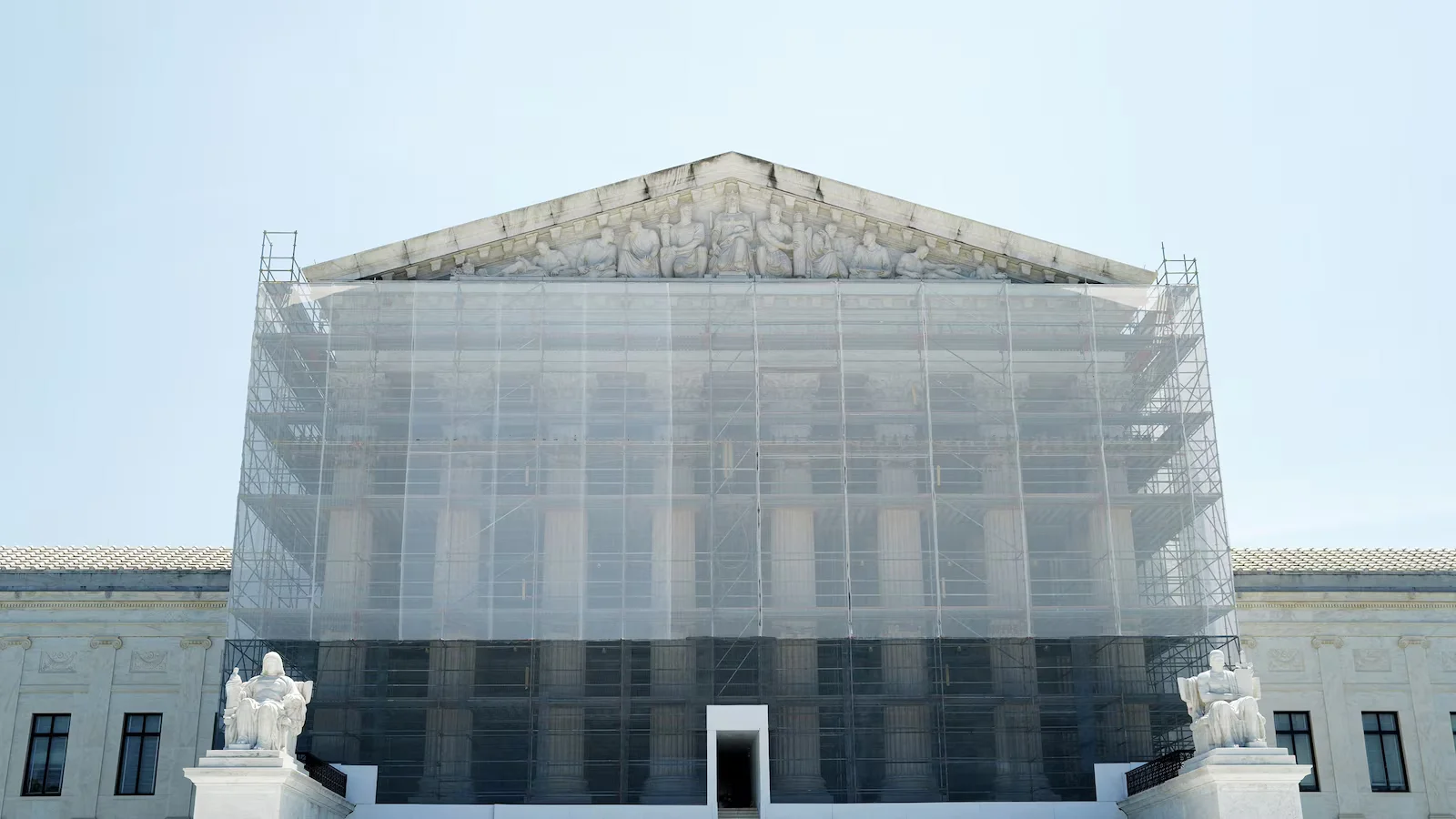
The U.S. Supreme Court's new term will test the limits of President Trump's executive powers through cases on tariffs, agency firings, birthright citizenship, and more, with potential major implications for presidential authority, the economy, and American society. The court's decisions could reshape legal precedents and influence future governance.
The US government shutdown has paused antitrust cases against Amazon and Apple, with delays depending on the duration of the shutdown. While some cases like Google's search monopoly and Meta's Instagram acquisition continue, others are on hold, potentially delaying trial dates set for 2027. Courts retain discretion to pause proceedings, and some cases, such as Amazon's, have been temporarily suspended with ongoing depositions.
Legal efforts, including lawsuits and court decisions, may still lead to the release of crucial documents related to Jeffrey Epstein's crimes, despite political and governmental resistance, potentially revealing new information about his network and victims.
A judge has canceled court deadlines in Donald Trump's 2020 election interference case following his presidential victory, as the Justice Department evaluates how to proceed given the policy that sitting presidents cannot be prosecuted. Special Counsel Jack Smith had charged Trump with attempting to overturn the 2020 election results and mishandling classified documents. The Supreme Court previously ruled that former presidents have broad immunity, complicating the prosecution. The Justice Department must propose a course of action by December 2, while the classified documents case remains stalled.
Calls for removal of allegedly improperly listed patents in the Orange Book continue, with FTC and Congressional pressure leading some pharmaceutical companies to voluntarily delist challenged patents. Teva faces allegations of delaying generic competition for Copaxone and is involved in a legal dispute with Amneal and Cipla. Additionally, a court grants summary judgment in favor of Align Technology in an antitrust suit related to Invisalign, while another court declines to dismiss monopoly claims against HCA Healthcare and Mission Health Systems. The New York Supreme Court dismisses an antitrust complaint filed by the state accusing CVS of illegal tying in the market for 340B drug rebates.
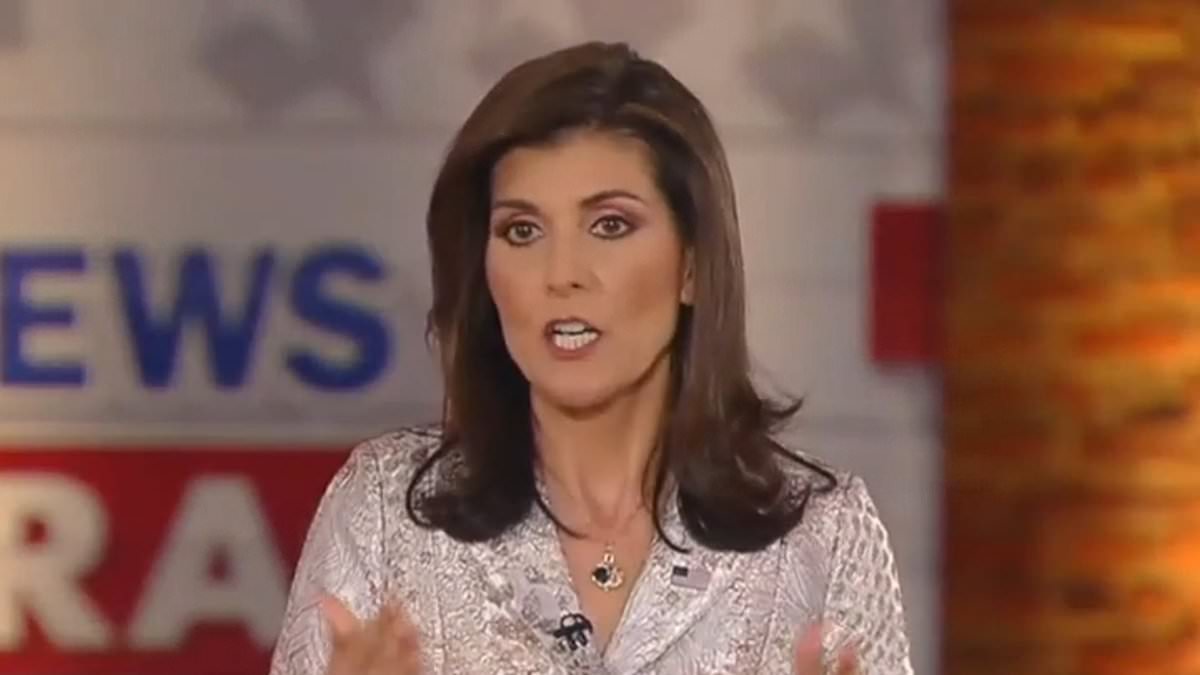
Presidential candidate Nikki Haley vowed to pardon former President Donald Trump if she defeats him in the Republican Primary and wins against President Joe Biden in November, citing the need for the country to move on. She confirmed this at a town hall in South Carolina, where she also criticized Trump's ties to China and Russia. Trump faces over a half dozen court cases, and Haley's pledge comes as she seeks to gain ground in the primary elections.
Former President Donald Trump faces a busy week in at least five courts, with decisions expected on whether he can continue to do business in New York state and whether a federal trial on charges of election interference will be postponed. The cases include mishandling of classified documents, immunity from prosecution, falsifying business records, and civil fraud. Trump's legal battles reflect the crowded litigation calendar he faces as he campaigns to return to the White House as the Republican front-runner.
Donald Trump's political and legal fates have become intertwined as he brings his courtroom travails onto the campaign trail, using his rallies to discuss legal arguments and pressure Republican-appointed judges. His campaign has a symbiotic relationship with the four criminal cases against him, using real-time fundraising pitches linked to his court appearances. The intersection of his legal battles and political aspirations is likely to sharpen if he triumphs in New Hampshire's primary, potentially becoming the GOP's presumptive nominee for the 2024 election.
Legal analyst Joyce Vance points to a "key question" in Donald Trump's court cases, particularly regarding his claim of presidential immunity. Trump awaits a ruling on this claim in the D.C. Circuit Court of Appeals, with potential escalation to the U.S. Supreme Court. Special counsel Jack Smith is leading the DOJ's investigation into Trump's alleged election interference and involvement in the Capitol riot. Vance notes the speed at which the courts are moving and highlights a potential acceleration in the process for the Supreme Court to hear and rule on the question of presidential immunity.
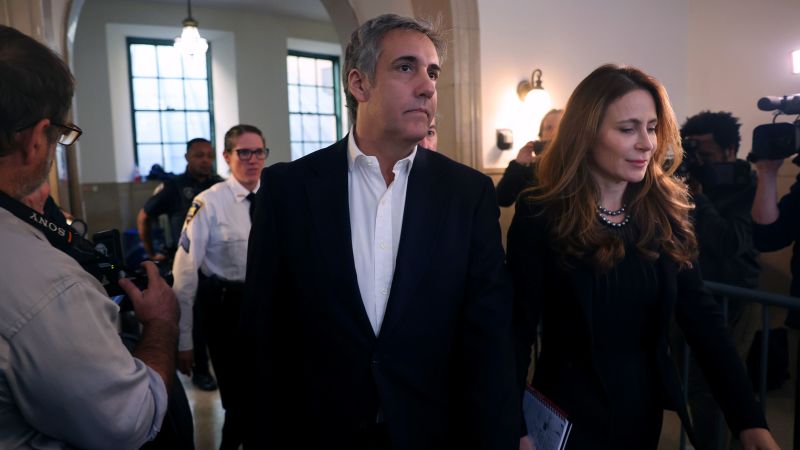
A federal judge has ordered Michael Cohen's former attorney, David Schwartz, to explain the court cases cited in Cohen's request for early termination of supervised release, as the judge believes "none of these cases exist." The judge instructed Schwartz to provide copies of the court decisions and clarify Cohen's involvement in drafting the motion. Cohen's new lawyer also could not verify the court cases. If Cohen had any involvement in the mix-up, it could further impact his credibility as he is expected to testify against Donald Trump in a criminal trial next year.
Former Republican National Committee (RNC) Chairman Michael Steele called for former President Donald Trump to be thrown in jail over his repeated attacks on judges and court staff in his ongoing court cases. Trump, who is facing legal troubles at both the state and federal level, has been civilly sued for $250 million by New York Attorney General Letitia James for alleged financial fraud. He has also been indicted in four separate cases. Trump has denied any wrongdoing and has made repeated attacks on judges and court staff, leading to the issuance of gag orders. Steele expressed concern over the danger of these attacks and called for Trump's imprisonment to put an end to it.
Former White House attorney Ty Cobb warns that language used by former President Donald Trump in a social media post could potentially land him in jail amidst his ongoing court cases.
Donald Trump's history of using vile language and insults to intimidate and attack his opponents continues to be a problem as he faces multiple court cases. Two judges have issued gag orders to prevent Trump from making derogatory comments about his staff, witnesses, and prosecutors. However, given Trump's lack of impulse control and disregard for previous orders, it is likely that he will challenge and violate these gag orders. The potential consequences, such as fines or even jail time, may not deter him due to his wealth and belief that he can outmaneuver the legal system. The damage caused by Trump's inflammatory rhetoric is real, as evidenced by threats made by his supporters.