The US is pursuing a legal case against Maduro that could challenge the limits of presidential power, highlighting tensions between the US and Venezuela.
A Portland family had to disinter their son's grave after a cemetery sold the same plot twice, leading to a legal battle with a large funeral company and raising questions about cemetery laws and grieving rights.
Residents of Pari Island in Indonesia are taking Swiss cement giant Holcim to court over its failure to reduce carbon emissions, which they claim contributes to rising sea levels threatening their home. This marks the first climate litigation against a corporation in Switzerland, with the plaintiffs demanding significant emission cuts and compensation. Holcim plans to appeal the decision, emphasizing its commitment to net zero by 2050 but stating that climate policies should be set by lawmakers.
A doctor involved in supplying ketamine to actor Matthew Perry before his death was sentenced to eight months of home confinement and three years of supervised release, acknowledging his role in the drug scheme that contributed to Perry's overdose, which was primarily caused by ketamine used off-label for depression.
Dr. Salvador Plasencia was sentenced to 30 months in prison for illegally supplying ketamine to actor Matthew Perry, whose death was linked to the drug's effects. The case highlights the dangers of illegal drug distribution by medical professionals and Perry's ongoing struggles with addiction.
Former French President Nicolas Sarkozy was released from prison under judicial supervision after an appeal court granted him bail, less than three weeks into his five-year sentence for criminal conspiracy related to campaign financing from Libya, with a future trial scheduled.
A man who threw a sandwich at a federal agent during a protest in Washington DC was found not guilty of assault, highlighting tensions between residents and federal authorities and the legal complexities surrounding such incidents.
Federal prosecutors urged a judge to reject James Comey's claim of being 'vindictively' prosecuted, defending President Trump's social media calls for Comey's prosecution and emphasizing the societal importance of the case, which involves charges of false statements and obstruction related to Comey's congressional testimony.
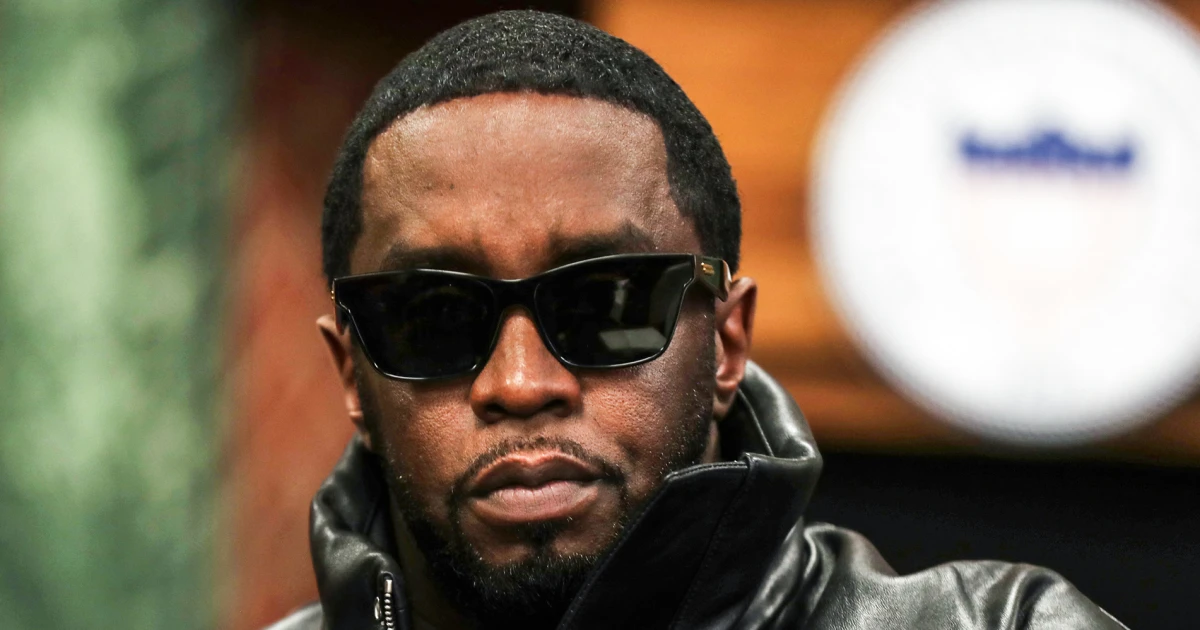
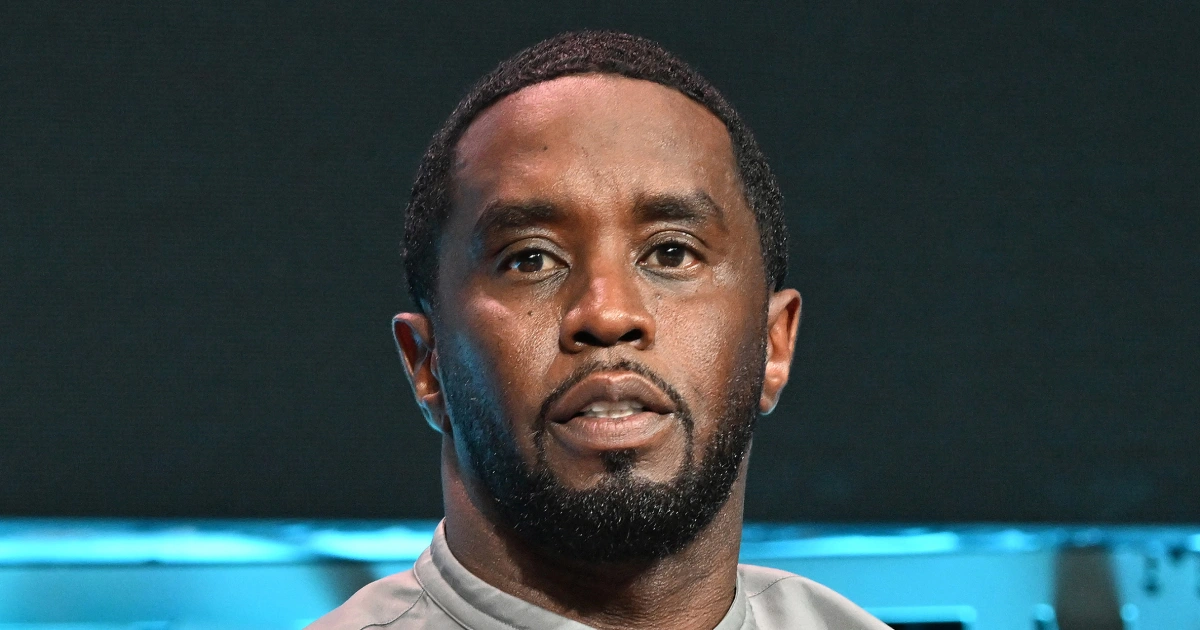
Sean 'Diddy' Combs, 55, is being transferred to a federal prison after being sentenced to 50 months for interstate prostitution, following an eight-week trial where he was acquitted of racketeering and sex trafficking charges; he maintains his innocence and plans to appeal.
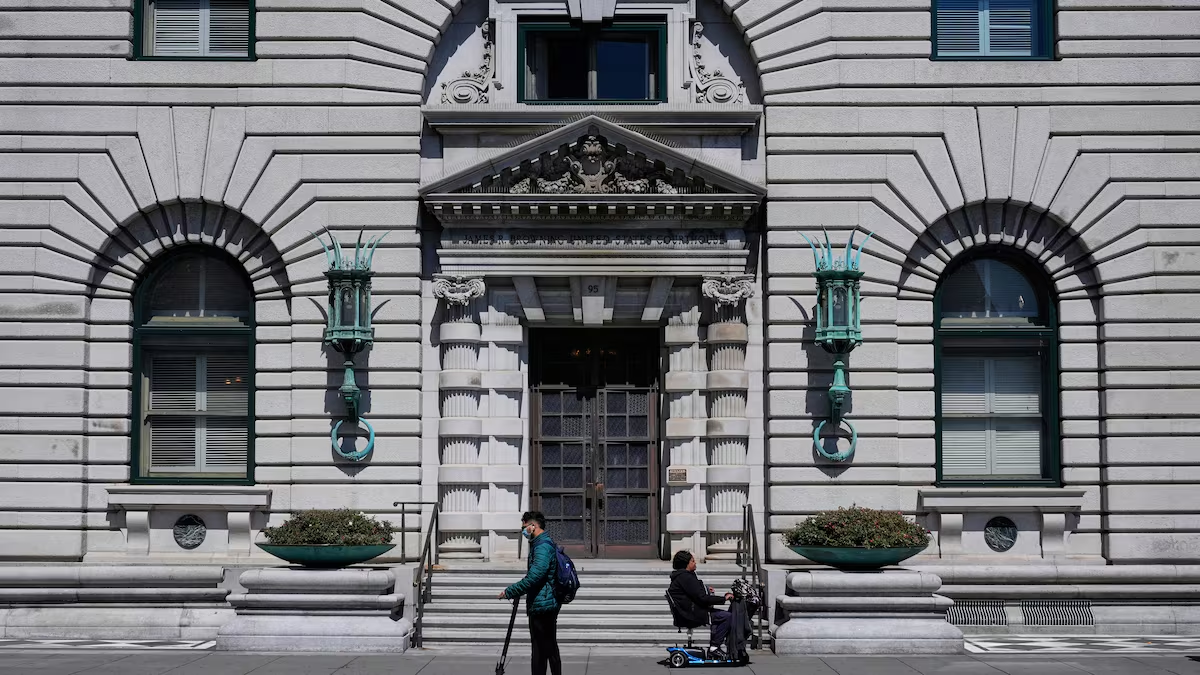
A federal appeals court will rehear the case over the deployment of the Oregon National Guard to Portland, reversing a previous ruling that allowed federalization, and emphasizing that the president cannot deploy the military into U.S. cities unnecessarily, as legal battles over the authority to deploy troops continue.
Former NHL player Ryan Kesler has been charged with fourth-degree criminal sexual conduct in Michigan, denies the allegations, and is awaiting further legal proceedings.
Sean 'Diddy' Combs is expected to be released from federal prison in May 2028 after serving roughly three years for a conviction related to violating the Mann Act, with his legal case involving allegations of coercion and abuse but not racketeering or sex trafficking. He was sentenced to 50 months, fined $500,000, and will undergo supervised release and mental health treatment.
Sean 'Diddy' Combs is set to be released from federal prison on May 8, 2028, after serving 85% of his 50-month sentence for violating the Mann Act, with no imminent presidential pardon. His legal issues included a conviction for transportation to engage in prostitution, but he was acquitted of more serious charges. Combs has filed an appeal, and his request for a transfer to a New Jersey facility was denied.
A judge questions whether New Jersey Rep. LaMonica McIver was unfairly targeted by the Trump administration, amid broader legal debates over congressional immunity and political bias in prosecutions, with her case highlighting tensions over the use of video evidence and constitutional protections.
Roman Surovtsev, a stateless immigrant with a complicated past and no citizenship documentation, was detained by ICE during a routine check-in, prompting legal battles to prevent his deportation to Ukraine, which lacks his citizenship records. His case highlights issues with due process and the Trump administration's aggressive deportation efforts, with his wife and lawyers fighting to keep him in the U.S. and challenge the legality of his detention and deportation attempts.