Campaigners in Northern Ireland are advocating for the introduction of cabotegravir injections, a long-acting HIV prevention drug, to help meet the goal of ending new HIV cases by 2030, with the drug already being adopted in England, Wales, and Scotland as an alternative to daily PrEP pills.
The UK has approved a long-acting HIV prevention injection, cabotegravir, for NHS use in England and Wales, offering a discreet alternative to daily pills and aiming to help end new HIV cases by 2030. The injection, suitable for high-risk individuals who find daily pills challenging, is expected to be available soon, with ongoing research into even less frequent dosing options like annual injections. The rollout aims to improve access and reduce inequalities in HIV prevention.
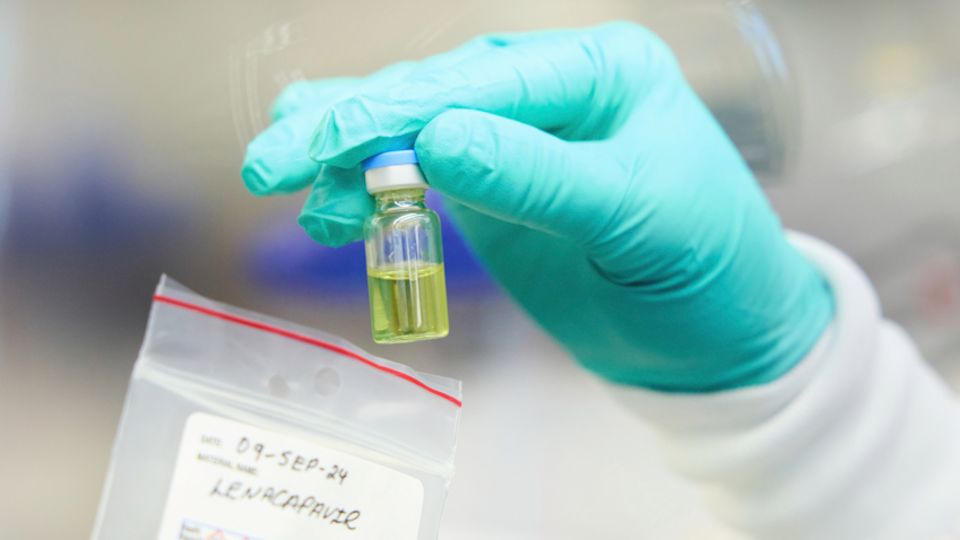
A new drug called lenacapavir, approved for HIV prevention, offers a twice-yearly injection with near-vaccine efficacy, potentially transforming HIV prevention efforts worldwide, especially in low-income countries, but its impact will depend heavily on political and logistical factors.
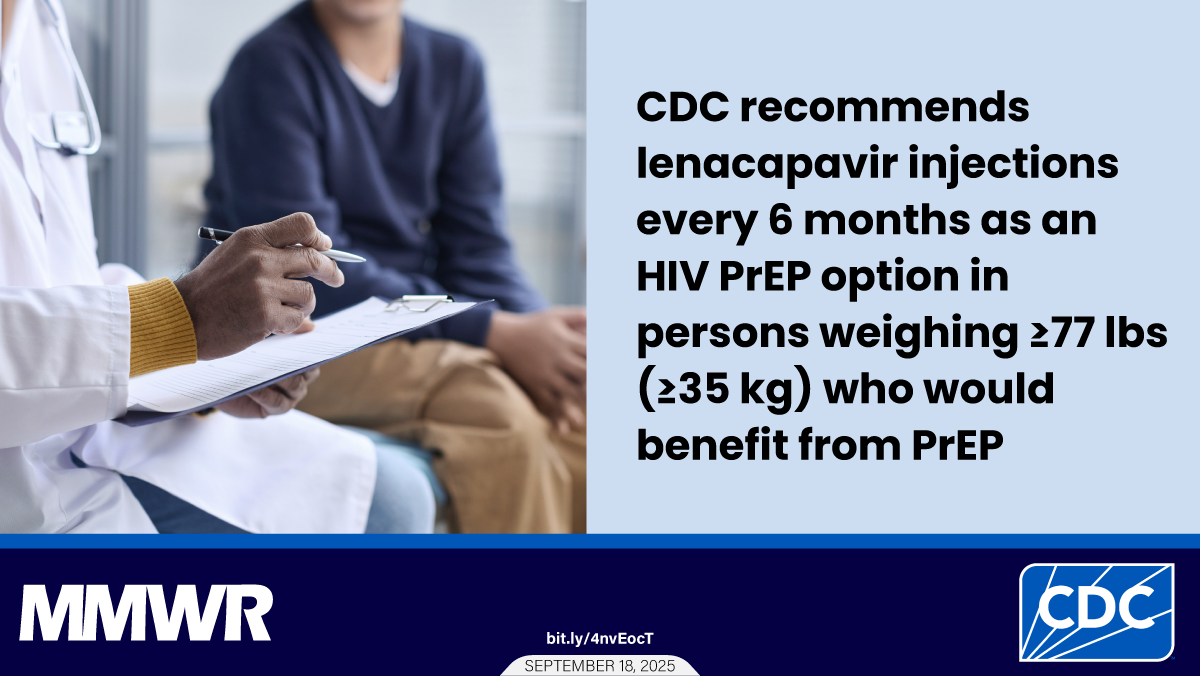
The CDC strongly recommends the use of injectable lenacapavir, administered every 6 months, as an effective and safe option for HIV preexposure prophylaxis in persons weighing at least 35 kg, based on high-certainty evidence from clinical trials showing near 100% efficacy in preventing HIV infection.
Couples with different HIV statuses in Kenya face increased challenges due to U.S. foreign aid cuts, which have led to shortages of condoms and PrEP, essential for preventing HIV transmission, creating uncertainty and risks for their health and future.
WHO recommends offering long-acting injectable lenacapavir (LEN) as an additional HIV prevention option, administered twice a year, to increase PrEP uptake and effectiveness. The guideline emphasizes using rapid diagnostic tests for individuals on injectable PrEP like LEN and cabotegravir, promoting flexible testing approaches to ensure access and continuation of PrEP, and highlights the need for further research, including HIV self-testing for long-acting injectable PrEP.
The WHO has recommended injectable lenacapavir, administered twice a year, as a new PrEP option for HIV prevention, aiming to improve adherence and expand prevention strategies globally. The guidelines also include simplified testing procedures and integration of HIV services with broader health care, emphasizing immediate implementation to combat stagnating HIV prevention efforts amid ongoing challenges.
The U.S. Supreme Court upheld a key provision of the Affordable Care Act, ensuring that around 150 million Americans will continue to receive free preventive services, including HIV prevention drugs, by ruling that the appointment process for the preventive services task force was constitutional. This decision protects existing preventive coverage and prevents potential increases in out-of-pocket costs for essential health services.
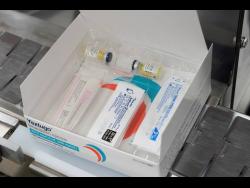
A new FDA-approved long-acting injectable drug called Yestugo offers up to six months of HIV protection, providing an alternative to daily pills but not preventing other STIs. Experts emphasize that it should complement, not replace, comprehensive sexual health practices like condom use, especially as STI rates, such as genital discharge syndromes, continue to rise in Jamaica. The medication is expected to improve adherence for those struggling with daily regimens, but awareness of its limitations remains crucial.
A new twice-yearly HIV prevention shot called Yeztugo has been approved by the FDA, offering a potentially more effective and easier alternative to daily pills for at-risk individuals, though concerns about cost and accessibility remain.
The FDA has approved Gilead Sciences' lenacapavir as a twice-yearly PrEP drug to prevent HIV, showing high effectiveness in clinical trials, but concerns remain about its high cost and accessibility.
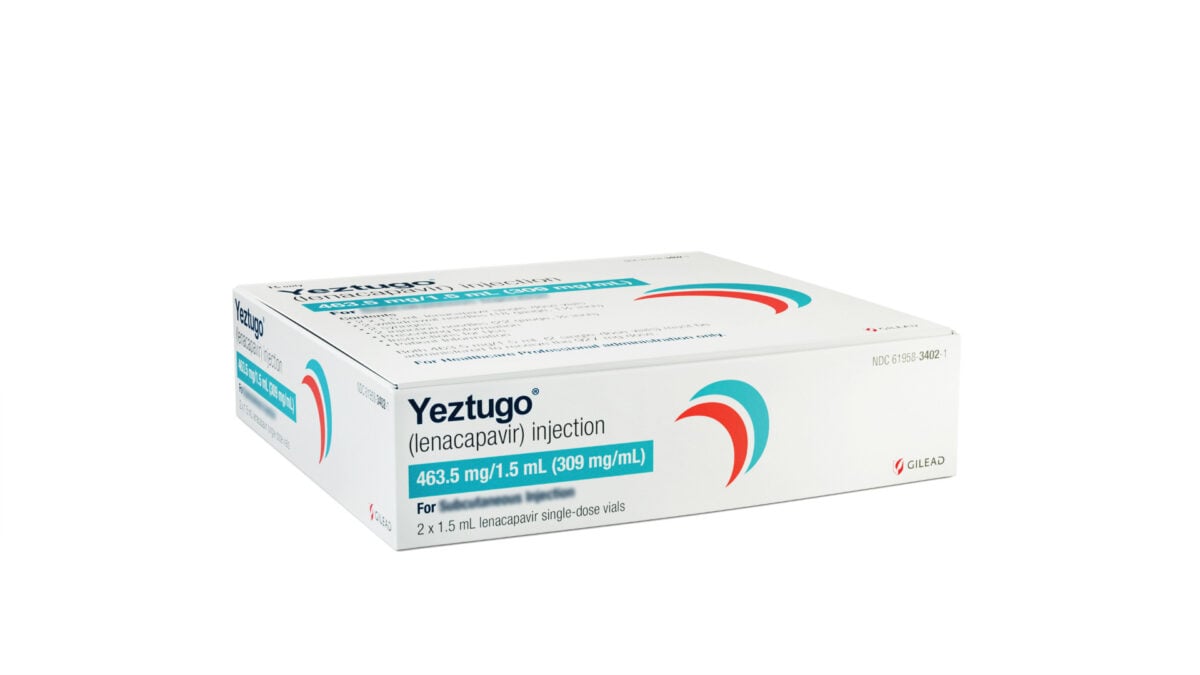
The FDA has approved Gilead Sciences' twice-yearly injection of lenacapavir, branded Yeztugo, as a highly effective HIV prevention method, offering a new, discreet alternative to daily or bi-monthly PrEP options, with clinical trials showing near-total protection and potential to significantly impact HIV epidemic control.
The FDA has approved Gilead Sciences' twice-yearly injection of lenacapavir, branded Yeztugo, as a highly effective HIV prevention method, offering a new, discreet alternative to existing PrEP options and potentially transforming HIV prevention efforts worldwide.
The FDA has approved Yeztugo, a long-acting HIV prevention drug by Gilead Sciences, which is injected twice a year and shows high efficacy in preventing HIV transmission, especially among high-risk populations. Despite its potential, challenges such as high cost, insurance coverage issues, and political funding cuts could hinder its widespread use and impact on reducing HIV rates in the US.
Gilead is set to begin Phase 3 trials for a once-a-year HIV prevention shot, a new formulation of lenacapavir, which could significantly advance HIV prevention efforts. This development follows the success of a six-month version of the drug and comes amid ongoing challenges in making PrEP more accessible globally. While not a vaccine, this long-acting PrEP could offer a more convenient alternative to daily pills or bi-monthly injections, though global access remains a concern.