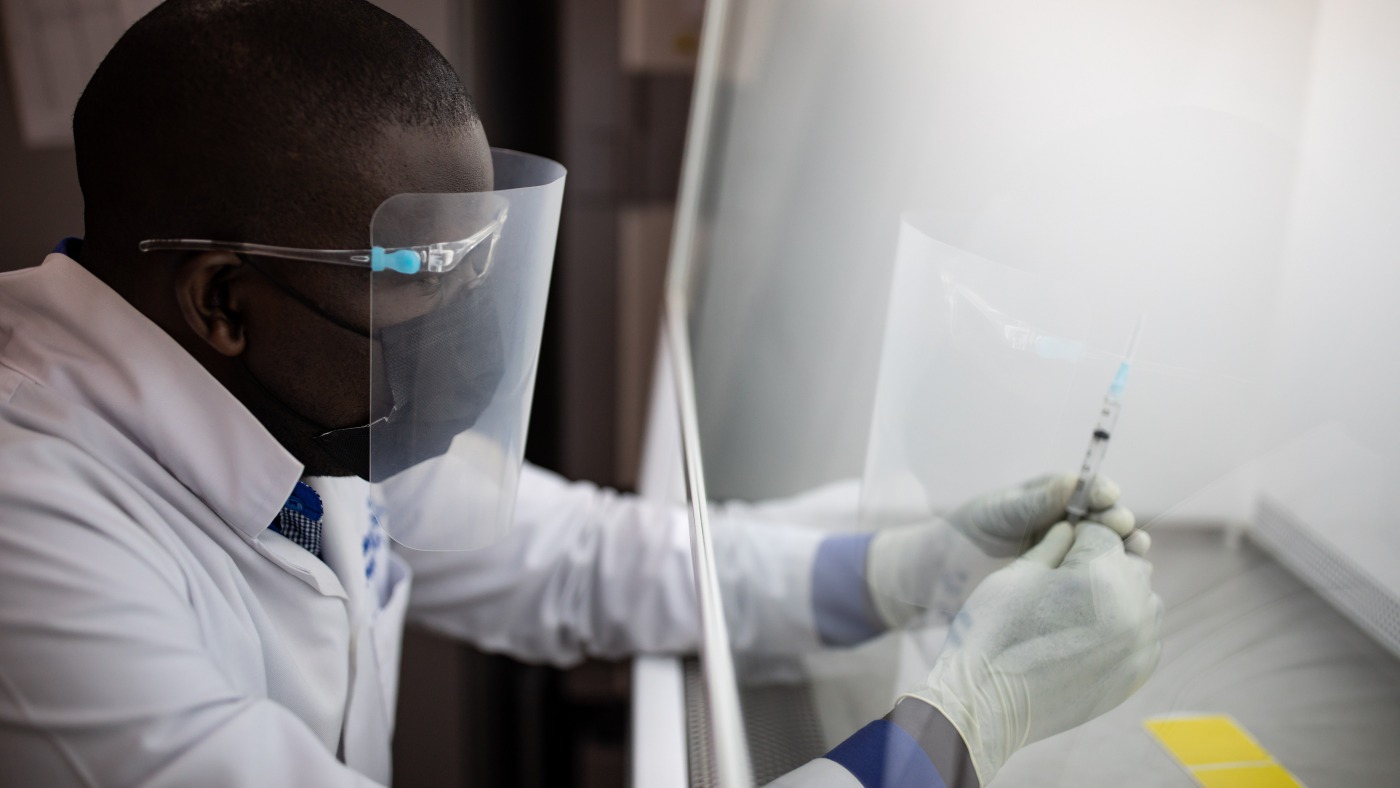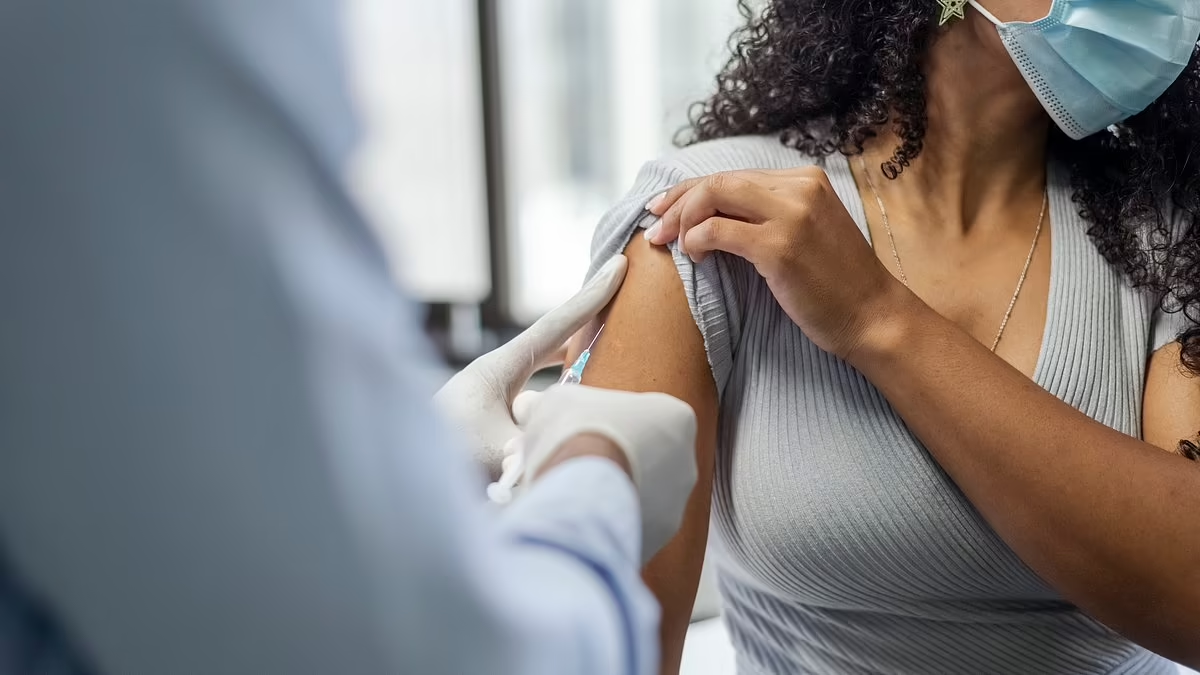
A small trial using mRNA technology, similar to COVID-19 vaccines, has shown promising results in producing potent, virus-blocking antibodies against HIV, especially when the vaccine encodes a membrane-anchored version of the virus's outer protein, marking a significant breakthrough in HIV vaccine development. However, challenges remain in ensuring broad protection and safety.
A new twice-yearly HIV prevention shot called Yeztugo has been approved by the FDA, offering a potentially more effective and easier alternative to daily pills for at-risk individuals, though concerns about cost and accessibility remain.
Researchers at MIT and Scripps have developed a promising HIV vaccine approach using two adjuvants that elicit a strong, diverse immune response with just one dose, potentially revolutionizing vaccine strategies for HIV and other infectious diseases.
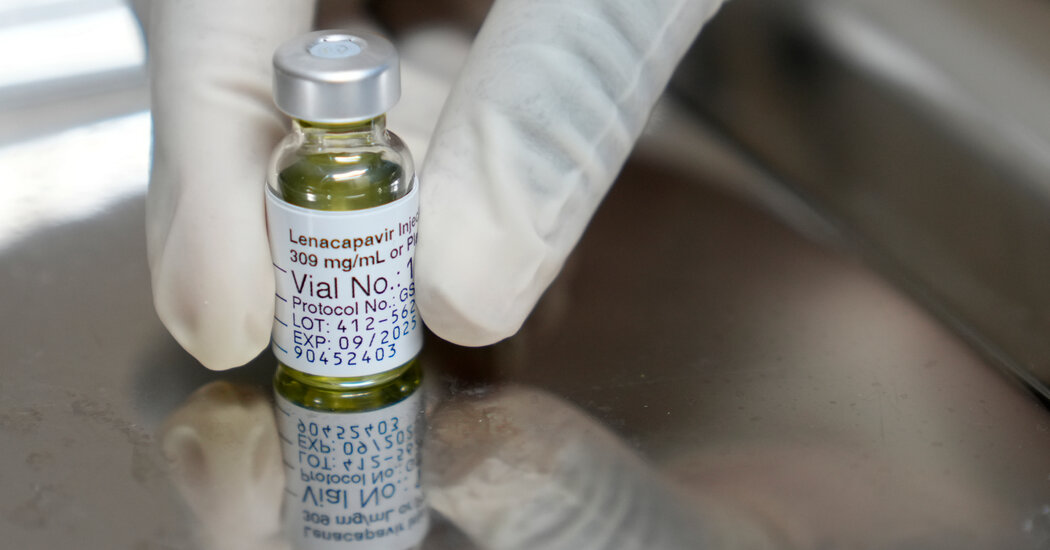
The FDA has approved Lenacapavir, a twice-yearly injection that effectively prevents HIV infection, marking a significant advancement in HIV prevention efforts. However, its rollout in low-income countries is uncertain due to recent cuts in global health funding.
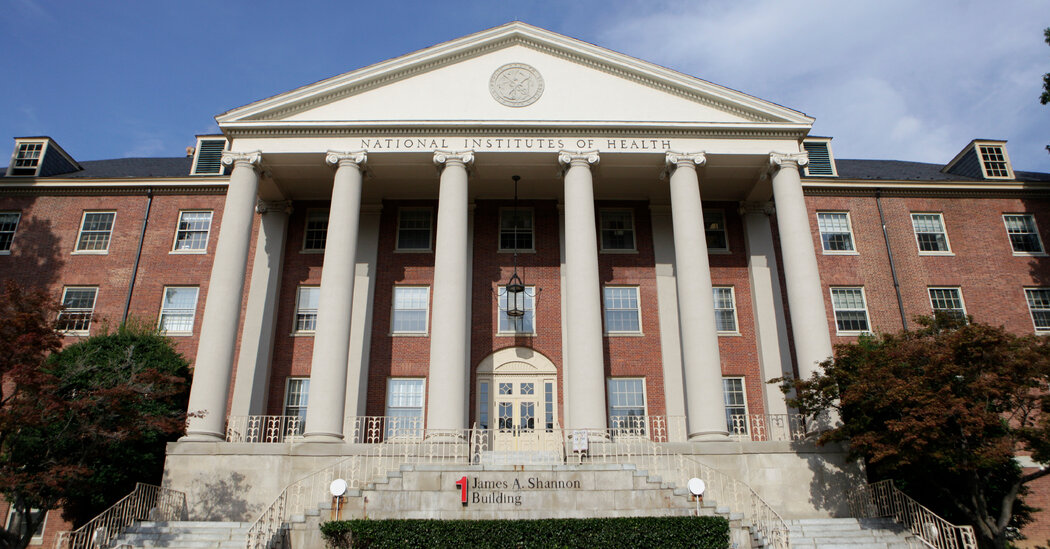
The Trump administration announced the termination of a major NIH-funded HIV vaccine research program, leading to the suspension of promising clinical trials and international collaborations, which could significantly delay progress toward an effective HIV vaccine amid concerns over reduced funding and global cooperation.
The Trump administration abruptly canceled a $258 million US research program for an HIV vaccine, halting promising work at Duke University and the Scripps Research Institute, which has sparked concern among scientists and public health advocates due to the ongoing high rates of HIV infections worldwide.
The Trump administration has terminated a $258 million NIH program crucial to HIV vaccine research, leading to concerns about setbacks in HIV prevention efforts and potential impacts on global health progress.
A Phase 1 clinical trial of a preventive HIV vaccine candidate called VIR-1388 has begun enrollment in the United States and South Africa. The vaccine, which uses a cytomegalovirus (CMV) vector, aims to instruct the immune system to produce T cells that can recognize HIV and prevent chronic infection. The trial, sponsored by Vir Biotechnology and conducted through the NIAID-funded HIV Vaccine Trials Network, will enroll 95 HIV-negative participants and evaluate the vaccine's safety and ability to induce an HIV-specific immune response. Initial results are expected in late 2024.