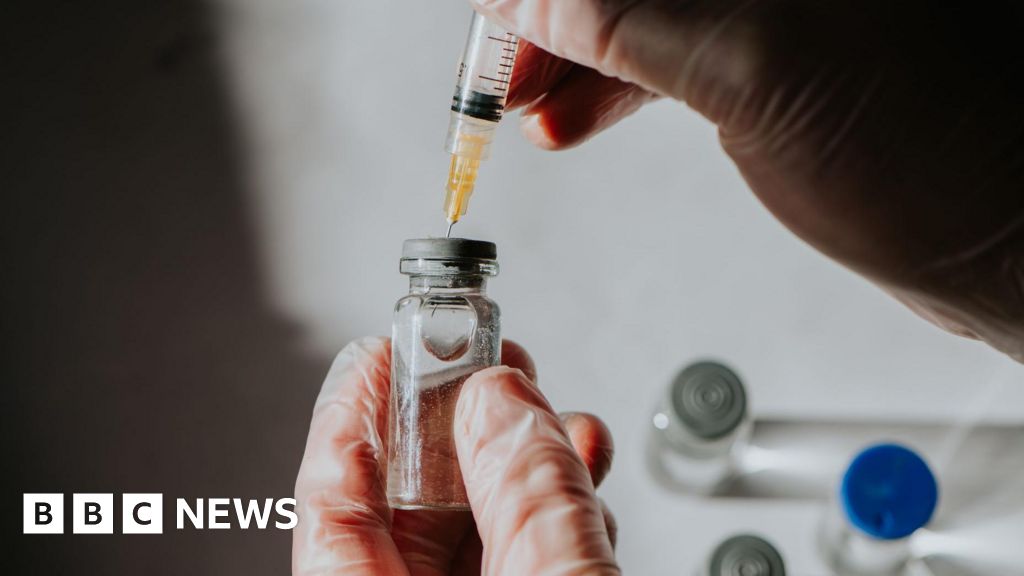
The UK has approved a long-acting HIV prevention injection, cabotegravir, for NHS use in England and Wales, offering a discreet alternative to daily pills and aiming to help end new HIV cases by 2030. The injection, suitable for high-risk individuals who find daily pills challenging, is expected to be available soon, with ongoing research into even less frequent dosing options like annual injections. The rollout aims to improve access and reduce inequalities in HIV prevention.
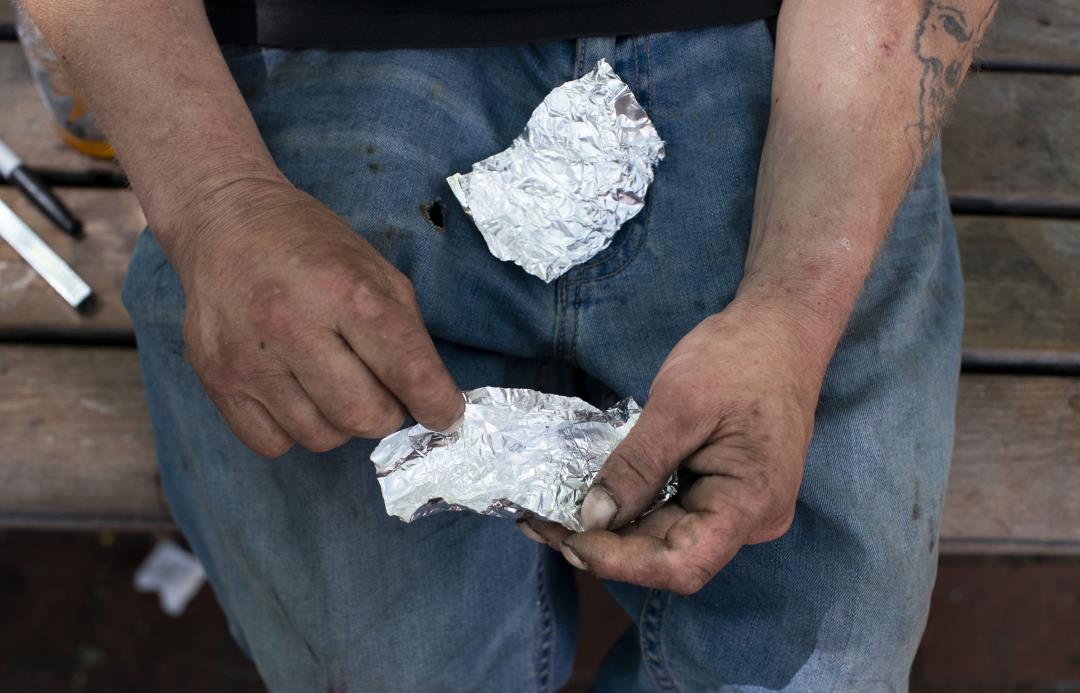
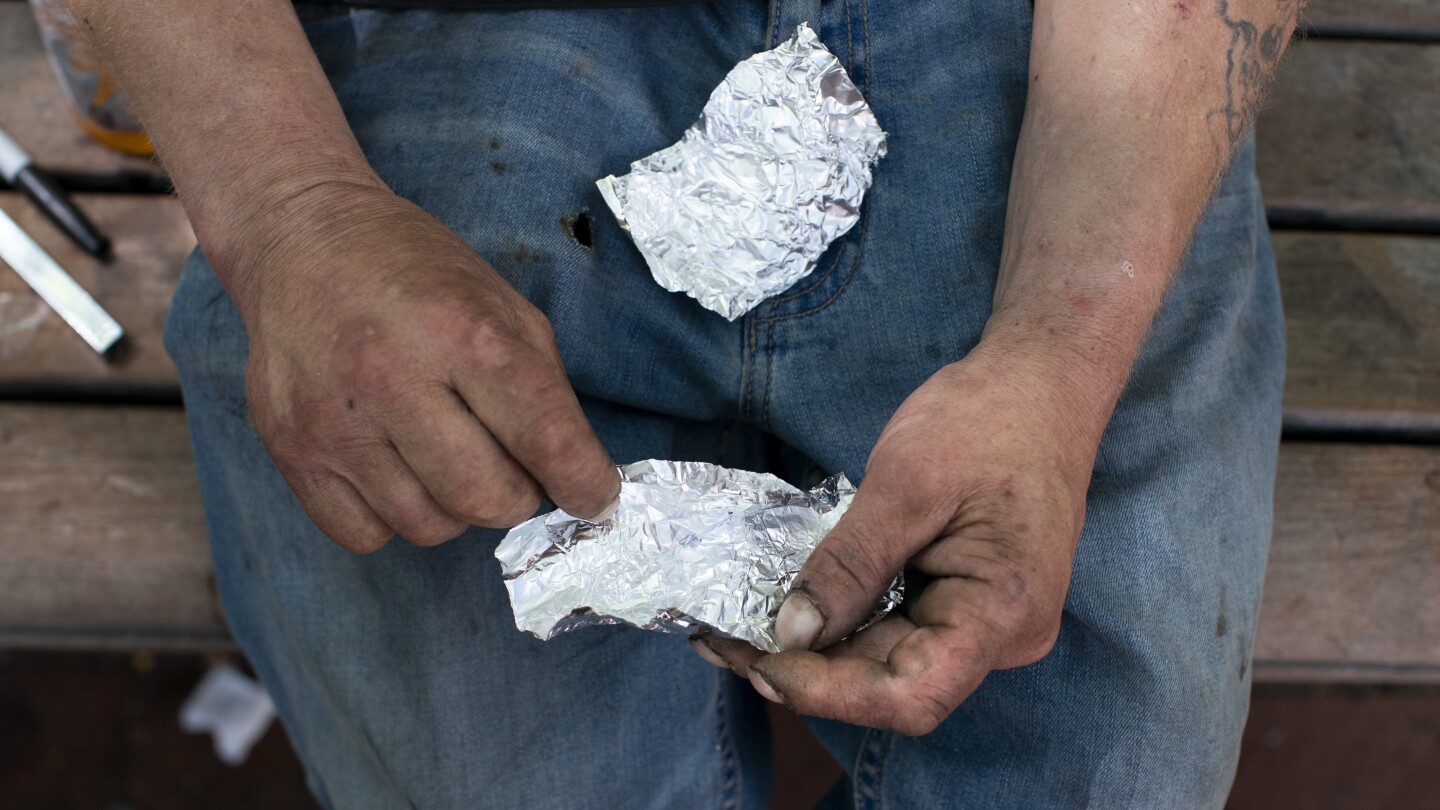
A new CDC report reveals that for the first time, more fatal drug overdoses in the US come from smoking drugs than injecting them, with smoking overdose deaths surging 74% while injection overdose deaths fell 29% from early 2020 to late 2022. The shift to smoking fentanyl may be due to the perception of better intake control, as well as the physical toll on veins from frequent injections. Over 70% of the 2022 drug overdose deaths were linked to synthetic opioids, including illegally manufactured fentanyl.
A new study in the United States has found that more people are dying from drug overdoses caused by smoking drugs than by injecting them, with drug overdose deaths reaching record levels in 2021 and 2022. The COVID-19 pandemic exacerbated overdose-related issues, and the most common method of drug use changed from injection to smoking during this period, causing 23.1 percent of deaths in the second half of 2022.
A new CDC study suggests that smoking has become the most common method of taking drugs in U.S. overdose deaths, surpassing injecting. The study found that smoking fentanyl is on the rise and may be somewhat less deadly than injecting it, but both methods carry a substantial overdose risk. Illicit fentanyl, often cut into heroin or other drugs, has been a primary driver of the U.S. overdose epidemic. The study, based on data from 2020 to 2022, revealed a 74% increase in smoking-related deaths and a 29% decrease in injection-related deaths. However, accurately determining the method of drug intake in overdose deaths can be challenging.
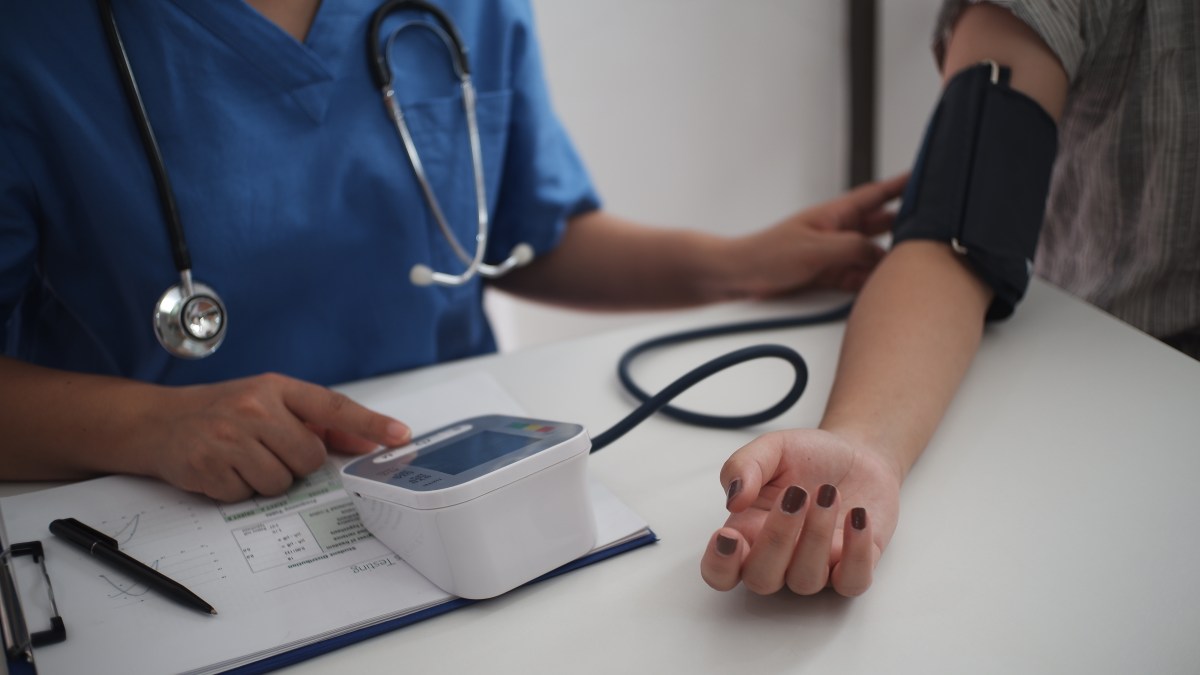
A new drug called zilebesiran, developed by Alnylam, has shown promising results in reducing blood pressure for up to six months with a single injection. In a UK trial involving 112 patients, those who received the drug experienced a reduction in systolic blood pressure of between 10mmHg and 20mmHg, depending on the dose. This could potentially provide an alternative treatment option for the one in four UK adults who suffer from high blood pressure and currently rely on daily tablets.
The US Energy Information Administration reported an injection of 99 Bcf natural gas into storage for the week ended May 12, which was below median estimates and boosted Nymex natural gas futures. Prior to the report, injection estimates ranged from 98 Bcf to 116 Bcf, with a median of 108 Bcf. The June Nymex futures contract was up 1.7 cents at $2.382/MMBtu prior to the report and jumped to $2.465 – up 10.0 cents – when the EIA data was released.
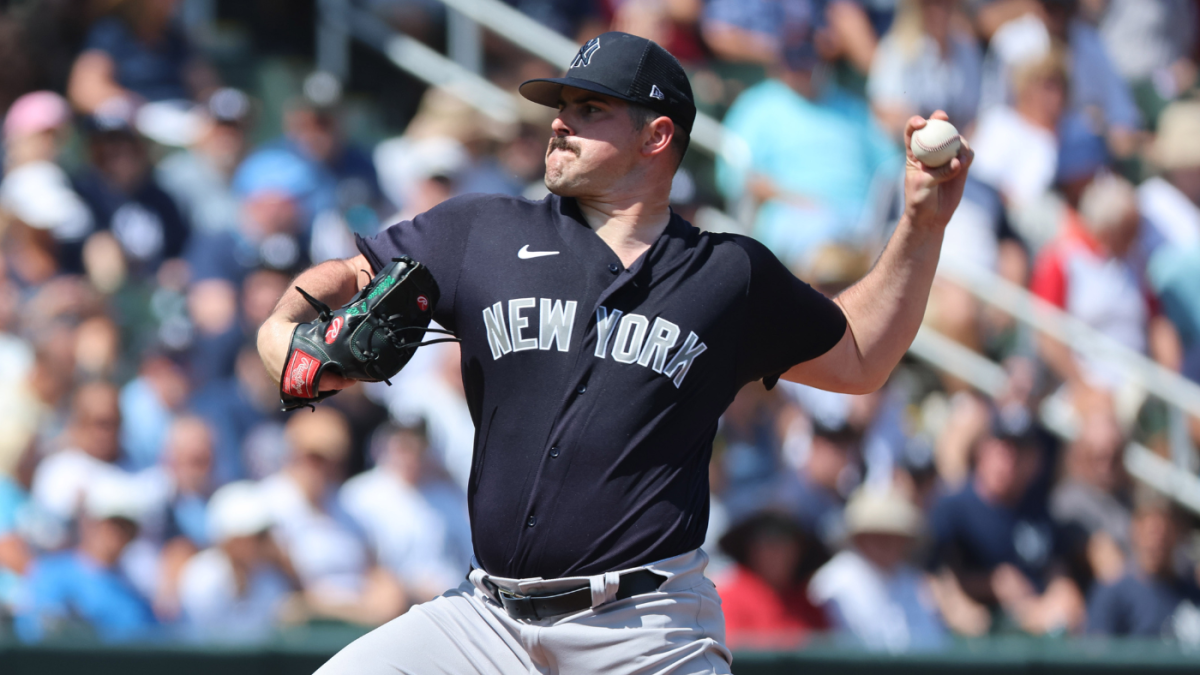
New York Yankees pitcher Carlos Rodón will receive an injection for a chronic back issue that has halted his throwing program. Rodón, who signed a six-year contract worth $162 million this past offseason, has a long injury history, though it is almost all shoulder and elbow injuries. He is not likely to join the Yankees until the middle of June at the earliest. Despite injuries, the Yankees rank seventh among the 30 teams with 3.0 WAR from their starters.