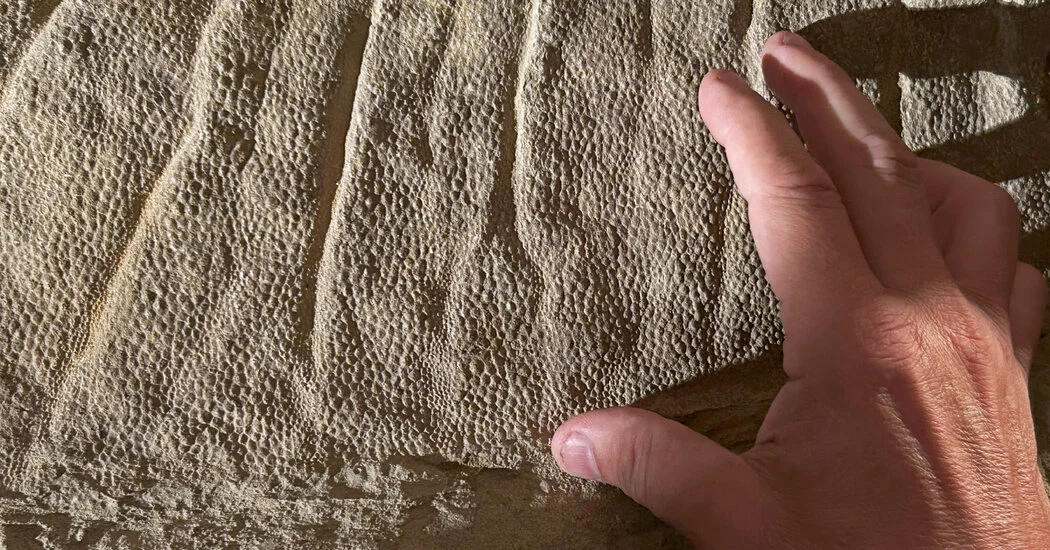
Two well-preserved mummified Edmontosaurus fossils, discovered in Wyoming in the early 1900s, provide insights into the preservation process of dinosaurs, with one specimen found resting on its rib cage and dating back approximately 66 million years.
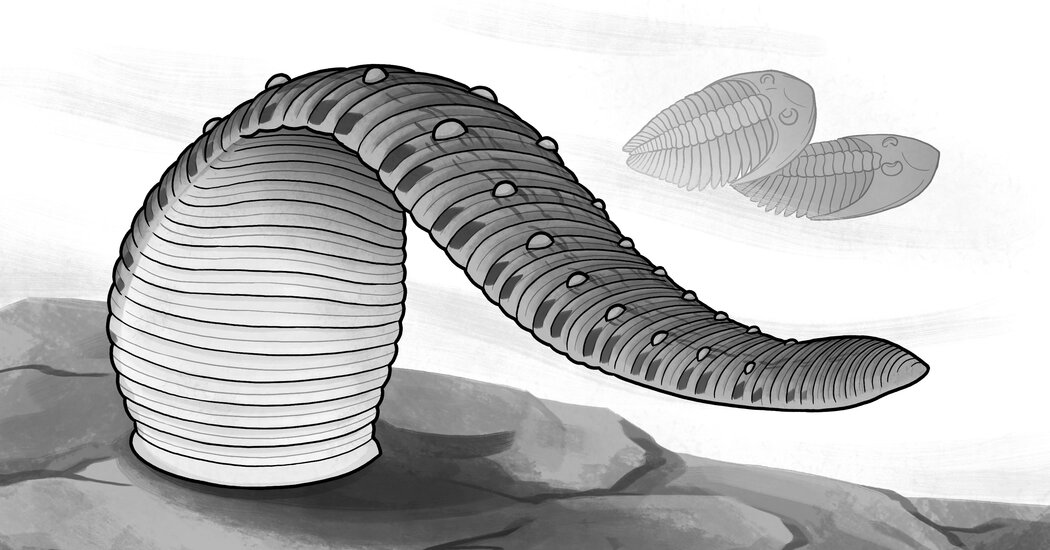
A 437-million-year-old fossil from Wisconsin has been identified as the oldest known leech, revealing that these parasitic worms existed at least 200 million years earlier than previously thought, with notable suction capabilities and prey appetite.
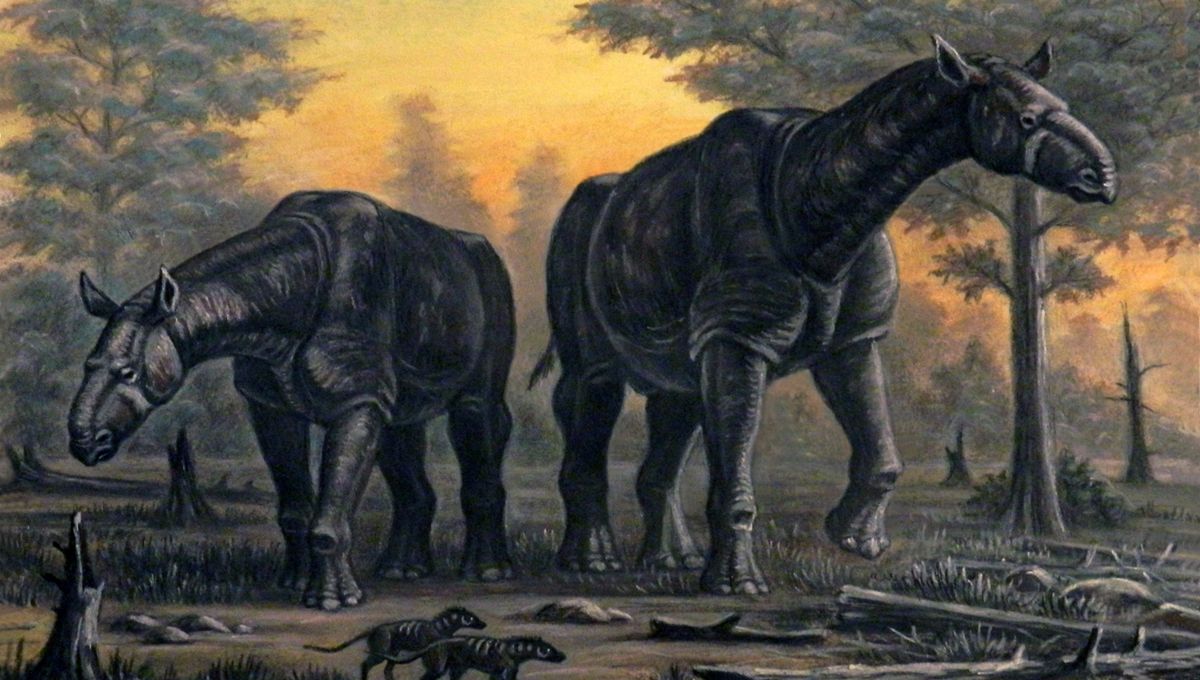
Paraceratherium, an extinct hornless rhino from Asia, is considered the largest land mammal ever, measuring about 7.4 meters in length, 4.8 meters in shoulder height, and weighing around 17 tonnes, surpassing modern elephants and other prehistoric giants, though some debate its exact size due to incomplete fossil records.
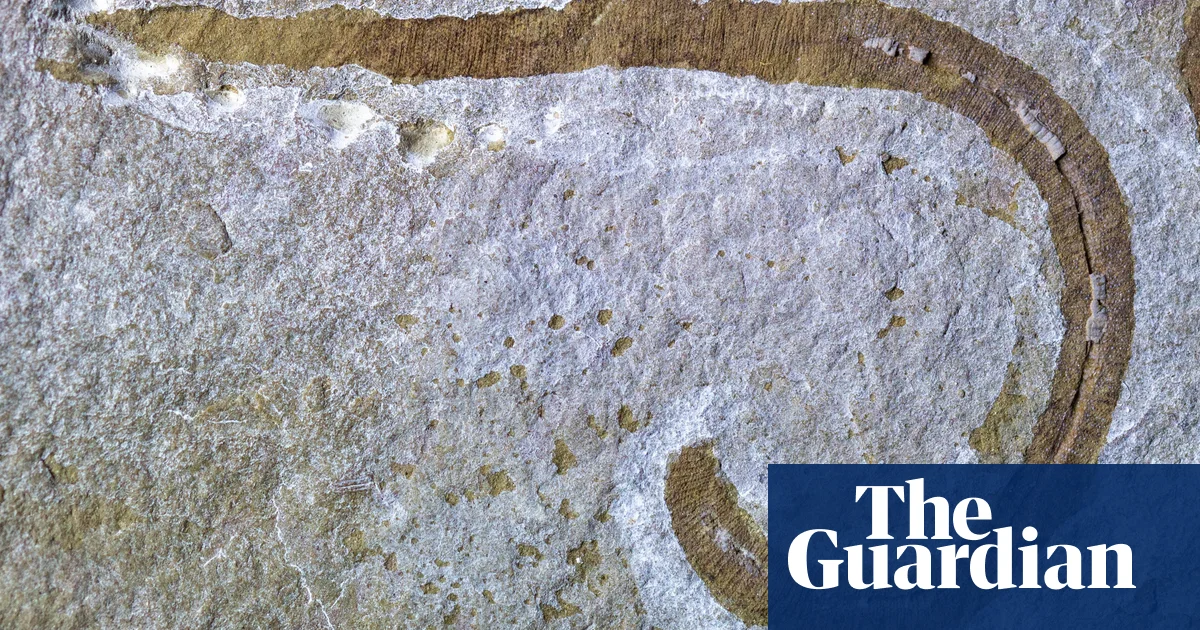
Scientists have unearthed a 425-million-year-old carnivorous marine worm named Radnorscolex latus in Herefordshire, which had a retractable throat to catch prey. Using advanced imaging techniques, researchers found it had sharp teeth and hooks for movement. Despite its predatory nature, it only grew to about 8cm long and belonged to the extinct Palaeoscolecids group. The findings are published in Papers in Palaeontology.
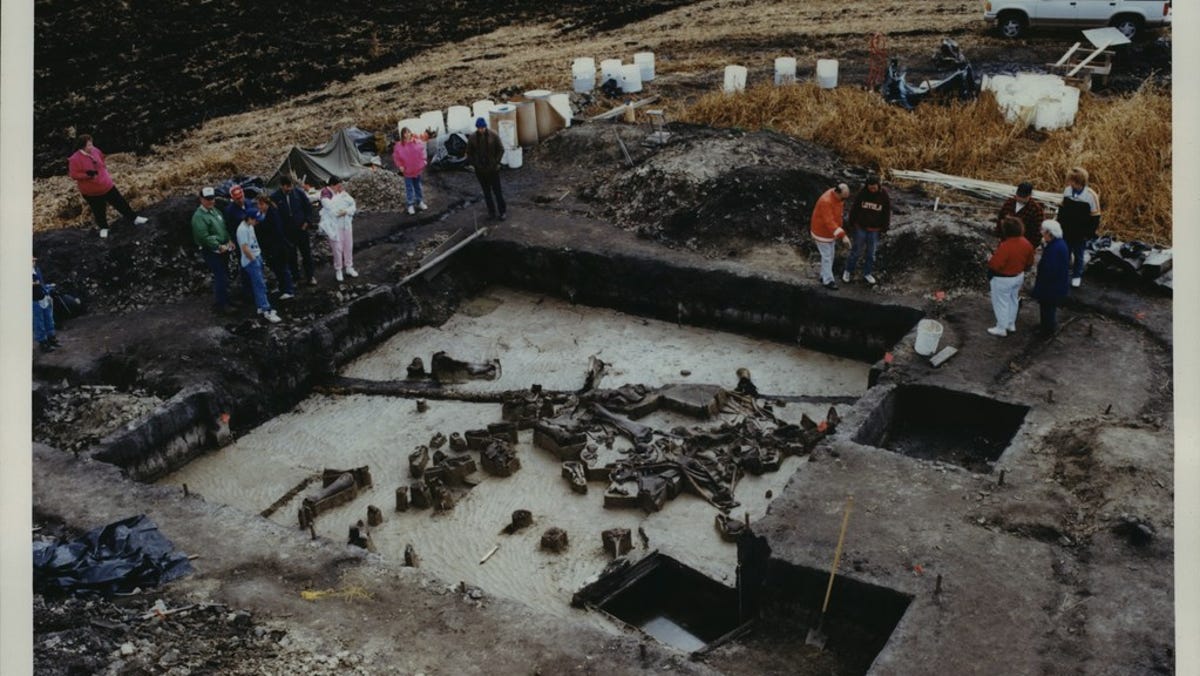
A recent study suggests that volcanic eruptions may have already threatened the existence of dinosaurs before the asteroid collision that killed them off. In Wisconsin, during the Cambrian period, giant jellyfish up to three feet wide roamed the waters. The state was also home to ancient coral reefs, trilobites, and a tentacled relative of octopi called the giant nautilus. The Conodont Panderodus, a fish with fangs, lived in Waukesha County during the Silurian era. Mammoths and mastodons, ancient relatives of elephants, roamed Wisconsin during the Ice Age and may have interacted with humans.
Scientists have created a soft robot replica of the ancient echinoderm pleurocystitid to study its efficient movement across the ocean floor over 450 million years ago. By analyzing the creature's fossils, researchers discovered that its sweeping tail motion allowed it to move with power and efficiency. This development in paleobionics, the field of robotics inspired by extinct species, could lead to practical applications in modern robotics and exploration of hard-to-navigate environments like the deep-sea floor. The pleurocystitid robot could push the fields of soft robotics, biology, and paleontology to the next level with its research.
Paleontologists often spend years searching for fossils, but some of the most fantastic discoveries have been made by accident. These include mammoth fossils found during construction work in Mexico, an 8-foot-long millipede fossil discovered on a beach in England, and an 85,000-year-old ancient whale skeleton found in a Taiwanese jungle. Other accidental finds include a 200 million-year-old dinosaur bone found in rubble, a Stegomastodon tusk discovered by a 9-year-old boy in New Mexico, and a remarkably well-preserved nodosaur fossil found during mining operations in Canada.