A CDC study found that COVID-19 patients are four times more likely to develop chronic fatigue compared to those who have not been infected. The research, based on electronic medical records from the University of Washington, followed over 4,500 adults after COVID-19 infection and compared the results with more than 9,000 adults who did not have the virus. Women and older adults were more likely to develop fatigue and chronic fatigue, and those who developed fatigue had worse clinical outcomes, including a higher risk of hospitalization and death. The study highlights the need for increased awareness and early care for post-COVID conditions.
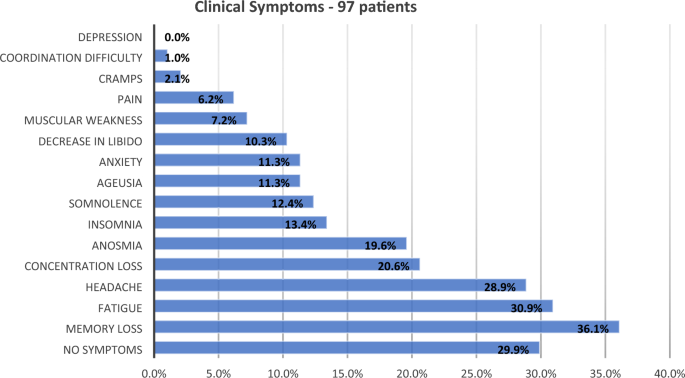
A study analyzed 97 individuals who had recovered from mild COVID-19 and found persistent symptoms such as memory difficulties, fatigue, and headache. Neuroimaging revealed subtle white matter abnormalities, with increased axial diffusivity but no significant changes in the default mode network functional connectivity. The study also identified cognitive dysfunction in a subset of patients. These findings highlight the need for further research into the long-term neurological and cognitive effects of mild COVID-19 infections.
A retrospective study of over 9,500 veterans found that nirmatrelvir-ritonavir, a treatment for COVID-19, does not reduce the incidence of most post-COVID conditions (PCCs), except for thromboembolic events. The study analyzed 31 different conditions and found no statistically significant reduction in other PCCs. The results contradict a smaller study that reported lower incidence of 10 out of 13 PCCs. The authors suggest that PCCs may not be a significant factor in COVID-19 treatment decisions based on these findings.