Scientists at Nanyang Technological University have grown 'mini kidneys' in the lab using stem cells derived from patients with polycystic kidney disease (PKD) and successfully engrafted them into live mice, providing new insights into the disease's metabolic defects. The study revealed that boosting autophagy could reduce cyst formation in the mini kidneys, and the drug minoxidil, commonly used for hypertension and hair loss, effectively reduced cyst formation in a novel mouse model. This research could lead to potential new treatments for PKD and other kidney diseases.
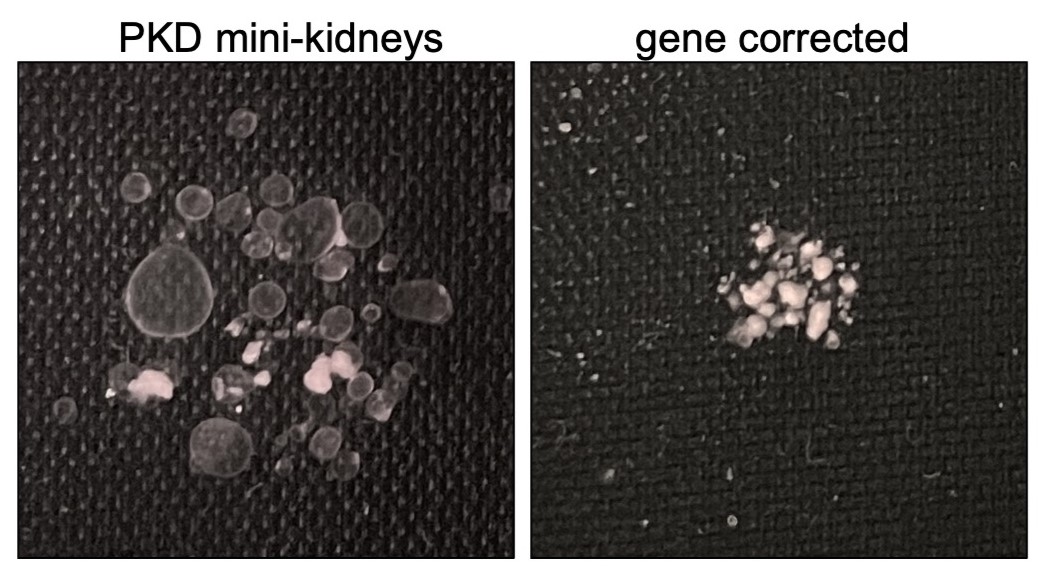
Scientists have made significant progress in understanding and potentially treating polycystic kidney disease (PKD) by using gene editing and 3-D human cell models to study the genetics of the disease. They discovered that a single normal gene copy can prevent the formation of cysts in PKD, offering potential for tailored gene therapy. Additionally, a type of drug called glycoside was found to counteract the effects of the defective gene. These findings could lead to new therapeutic approaches for treating PKD, which affects millions worldwide. The study was partially funded by the National Institutes of Health (NIH) and is published in Cell Stem Cell.
The first randomized controlled clinical trial of ketogenic metabolic therapy for polycystic kidney disease (PKD) has shown that the ketogenic diet is effective at controlling the disease. The trial involved 66 PKD patients who were split into three groups: a control group, a group that underwent monthly water fasting, and a group that followed a low-carbohydrate, high-fat ketogenic diet. At the end of the three-month trial, the ketogenic diet patients' kidneys stopped growing and showed improved kidney function, challenging the belief that PKD is a genetic disease that inevitably leads to kidney failure. Further clinical trials are planned to investigate the long-term effects of the ketogenic diet and a medical food called KetoCitra.