Tag

Polycyclic Aromatic Hydrocarbons

All articles tagged with #polycyclic aromatic hydrocarbons

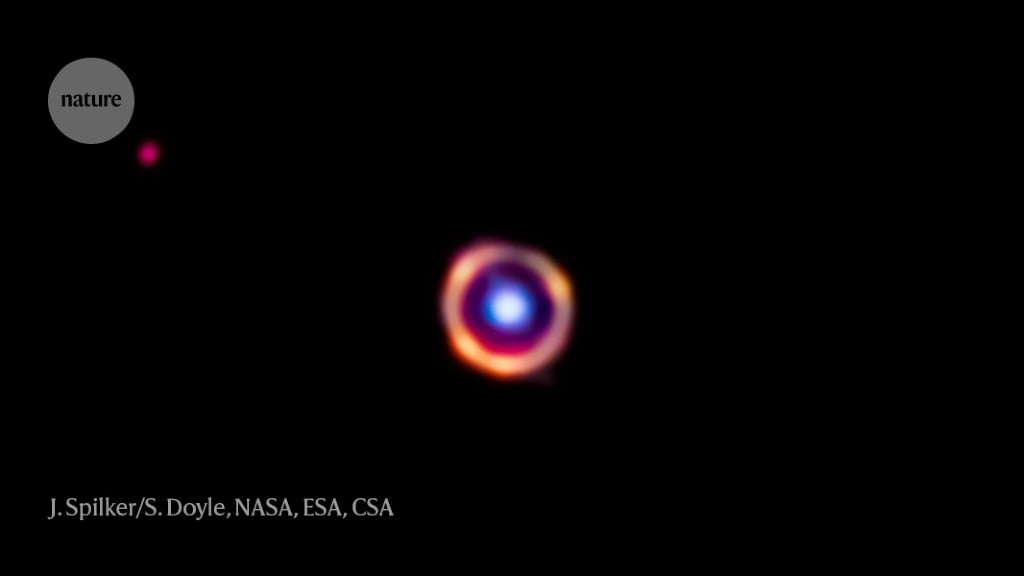
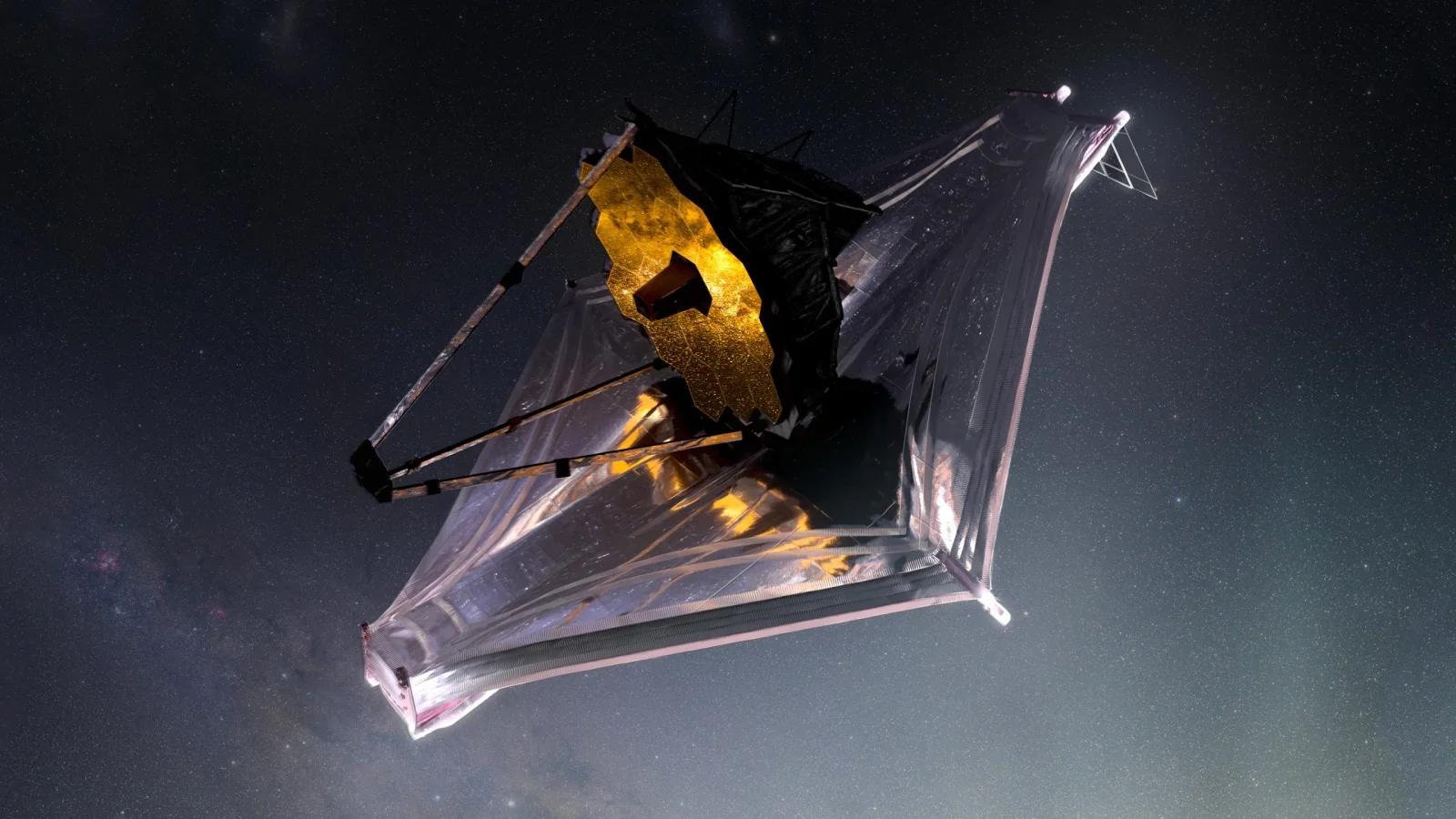
JWST Discovers Hidden Galactic Cores as Cosmic Organic Molecule Factories
astronomy4 hours ago

JWST Discovers Hidden Galactic Cores as Cosmic Organic Molecule Factories

JWST spectroscopic data of the ultraluminous infrared galaxy IRAS 07251-0248 reveal a rich mix of small organic molecules (benzene, methane, acetylene, diacetylene, triacetylene) and solid carbon-rich grains in its buried nucleus, along with the first outside-the Milky Way detection of the methyl radical CH3. The chemistry appears driven by cosmic rays fragmenting carbonaceous materials and PAHs, producing a diverse organic inventory far exceeding models’ predictions. This implies deeply obscured galactic nuclei can act as factories of organic molecules, with potential implications for prebiotic chemistry and galactic chemical evolution. Findings published in Nature Astronomy showcase JWST’s power to probe extreme, dust-shrouded environments.
James Webb Space Telescope uncovers ancient organic molecules and faintest galaxy in the universe.
astronomy2 years ago

James Webb Space Telescope uncovers ancient organic molecules and faintest galaxy in the universe.

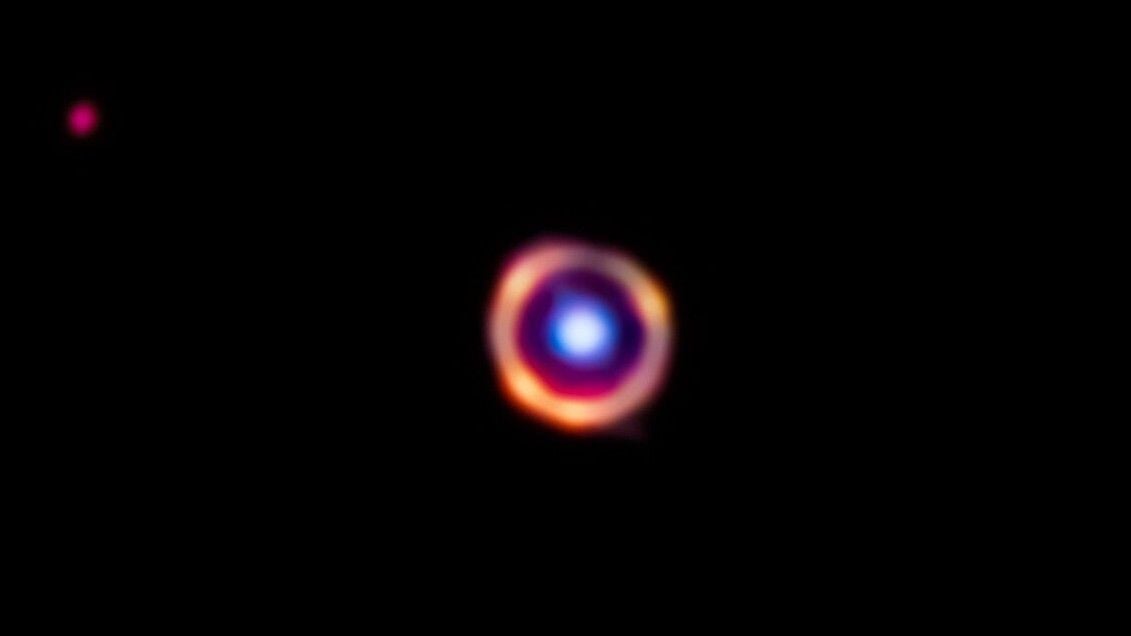
The James Webb Space Telescope has detected a cloud of complex organic molecules called polycyclic aromatic hydrocarbons (PAHs) in a galaxy 12.3 billion light-years away, the farthest from Earth that molecules of this kind have ever been detected. The discovery might help astronomers understand how galaxies develop and how stars are formed. PAHs are believed to help regulate the temperature of gas clouds in stellar nurseries, thereby managing when and where stars develop. The discovery was made possible by gravitational lensing, which magnified the light of the distant galaxy. Further study is needed to understand why and how stars form in regions that lack PAH clouds.

astronomy2 years ago

JWST Discovers Organic Molecules in Faintest Galaxy at Dawn of Universe.

The James Webb Space Telescope (JWST) has detected organic molecules called polycyclic aromatic hydrocarbons (PAHs) in a galaxy more than 12 billion light years away, providing insight into the early Universe. PAHs are usually found where stars are forming, but in this case, they’re not. The discovery required advanced technology, skill, and some fortuitous luck, as the JWST provided the technology with its keen infrared observing capabilities, and a foreground galaxy only 3 billion light years away lined up with the distant galaxy provided the luck. The link between PAHs and star formation is not as strong as once thought, and more observations are needed to understand the mismatch.

James Webb Telescope Discovers Organic Molecules in Earliest Galaxy Detected.
science2 years ago

James Webb Telescope Discovers Organic Molecules in Earliest Galaxy Detected.

The James Webb Space Telescope has detected the most distant known organic molecules in the universe in a galaxy located more than 12 billion light-years away. The discovery sheds light on the chemical interactions that occurred within the earliest galaxies in the universe and how they relate to star formation. The molecules, called polycyclic aromatic hydrocarbons, were found using Webb's infrared capabilities and gravitational lensing. The unexpected finding is helping astronomers piece together answers to some of the lingering questions about the beginning of the universe.

JWST discovers ancient galaxy with complex organic molecules.
astronomy2 years ago

JWST discovers ancient galaxy with complex organic molecules.

Astronomers using the James Webb Space Telescope (JWST) have discovered tangles of huge organic molecules drifting through a faraway galaxy, which suggests that their host galaxy was busy creating stars early in the history of the Universe. The galaxy lies 3.8 billion parsecs (12.3 billion light years) away, and the molecules are hard to spot except in infrared wavelengths of light, which JWST excels at studying. The discovery will force astronomers to rethink how dust first formed and how that shaped the early generations of stars and galaxies.