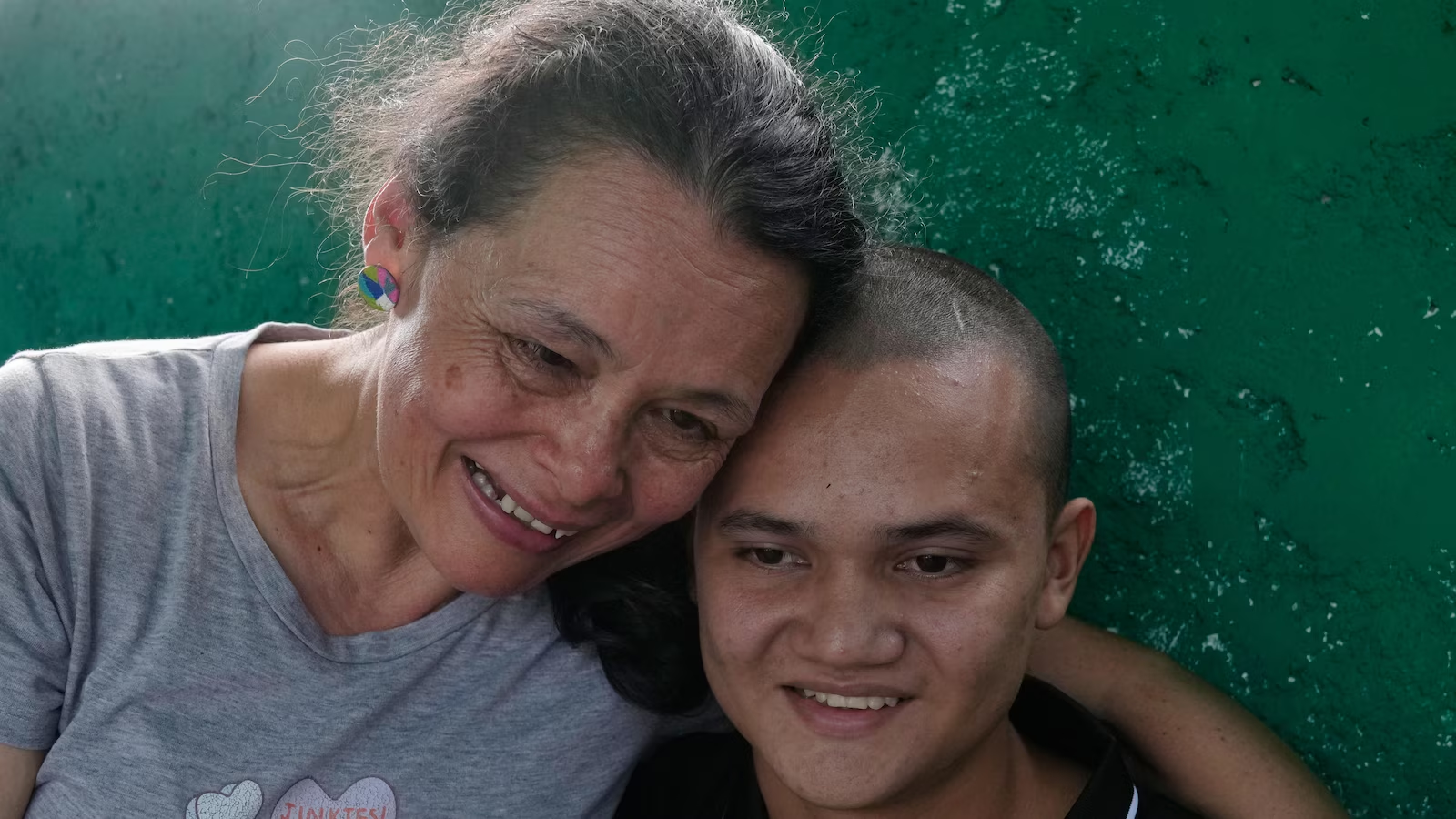
Venezuela's government has begun releasing a limited number of prisoners, including political detainees, amid ongoing political tensions and recent US military actions, but the process is slow and many remain imprisoned, reflecting ongoing political unrest and international scrutiny.
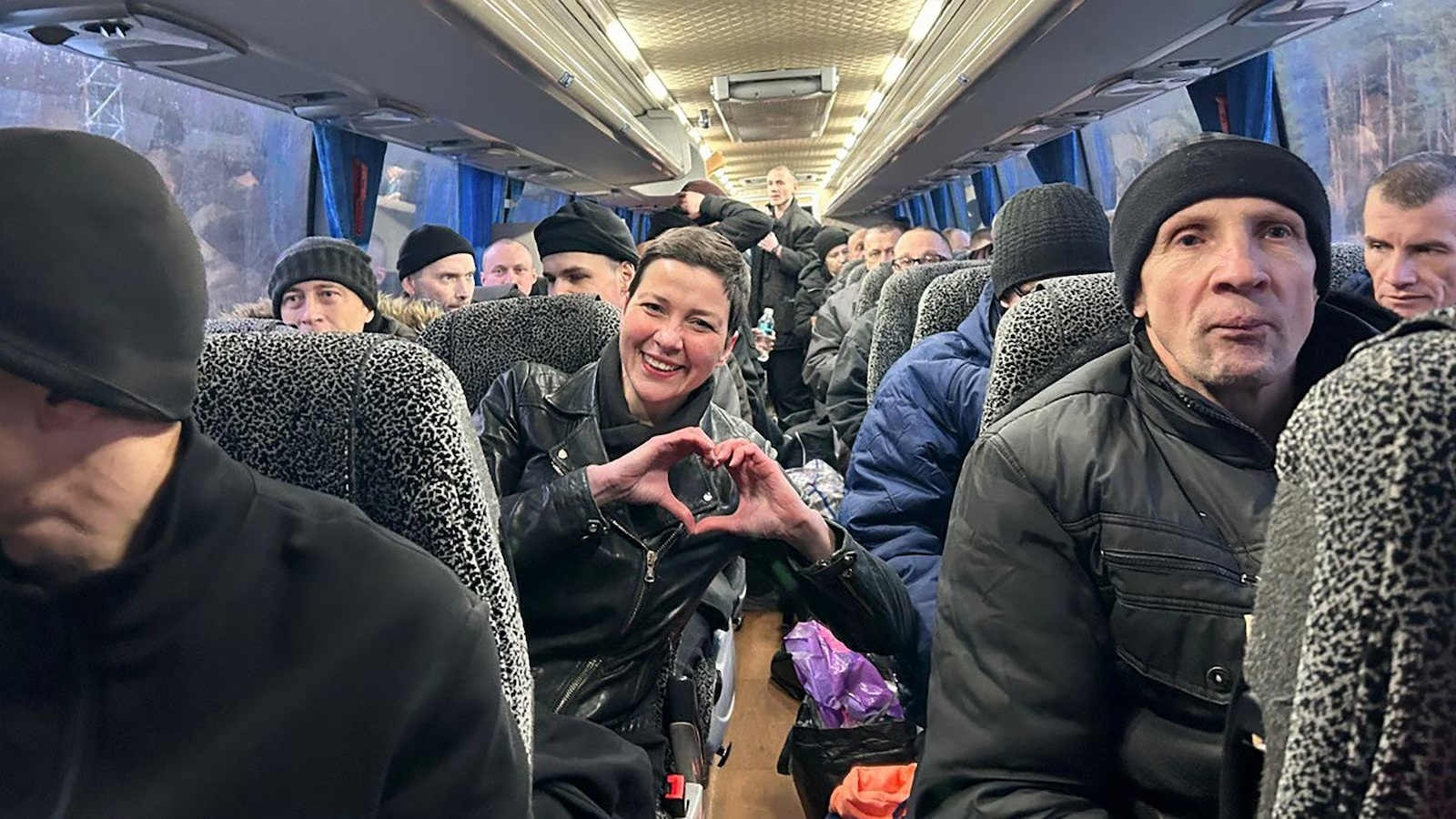
Belarus released 123 prisoners, including Nobel laureate Ales Bialiatski and opposition leaders, as part of a deal with the US involving sanctions relief and improved diplomatic relations.
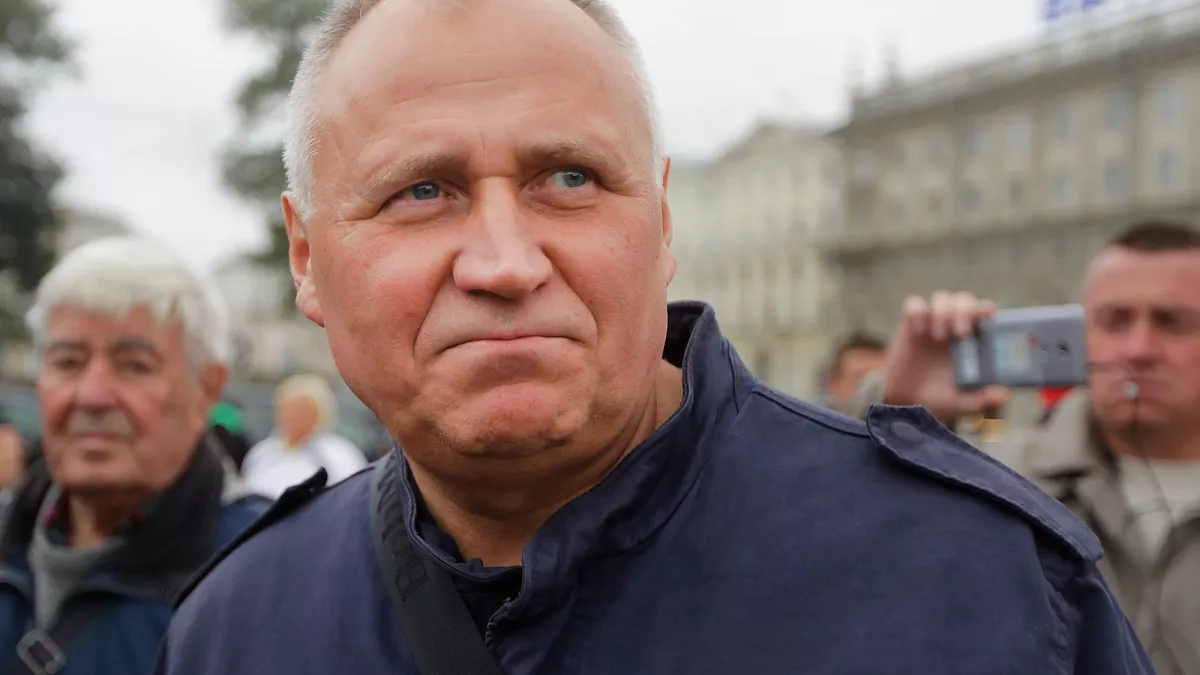
Belarus released 52 prisoners in a deal brokered by the US, but prominent opposition leader Mikalai Statkevich refused exile, choosing to stay in Belarus, raising concerns about his safety and whereabouts amid ongoing political repression.
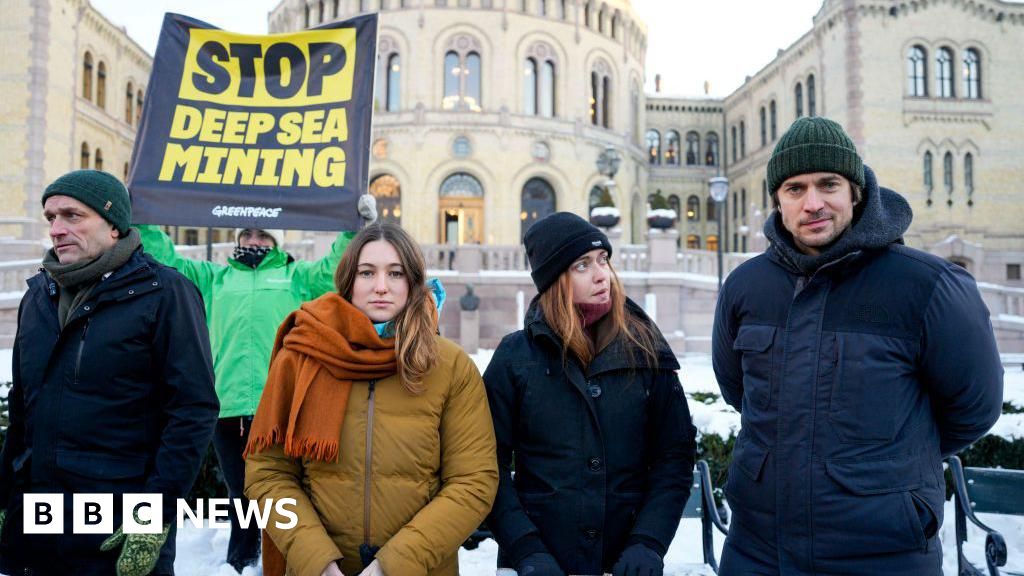
Norway has paused its plans for commercial-scale deep-sea mining after political opposition from the Socialist Left Party, which threatened to withhold budget support unless the first licensing round was scrapped. The decision comes amid environmental concerns and opposition from 32 countries, including France and Germany. Prime Minister Jonas Gahr Stoer described the move as a "postponement," with further environmental research to be conducted. The suspension is seen as a victory by environmental groups like Greenpeace, while the country's energy ministry has yet to comment.
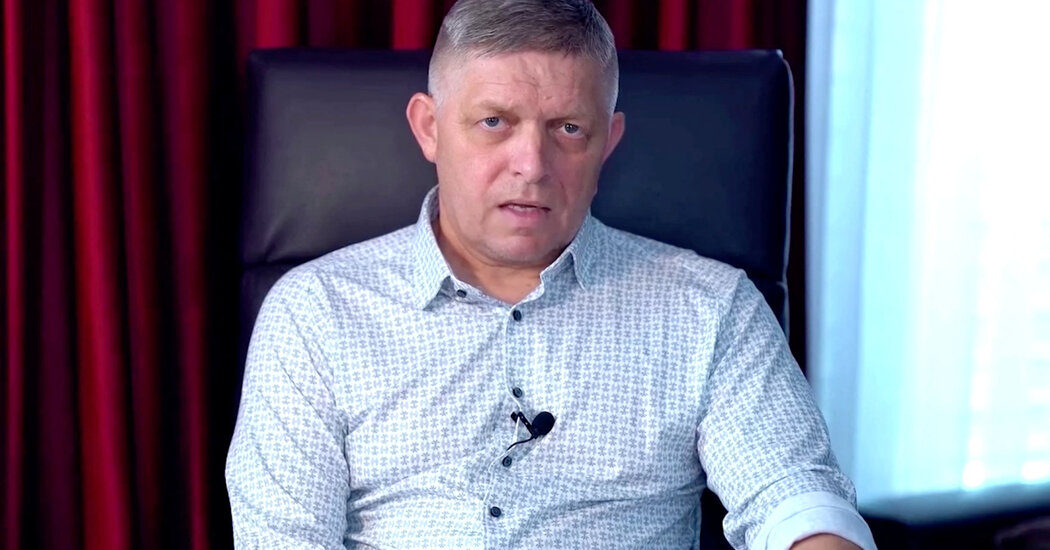
Slovak Prime Minister Robert Fico spoke publicly for the first time since being shot in an assassination attempt on May 15, blaming the political opposition for the attack. He detailed his recovery and expressed hope to return to work by late June or early July. Opposition parties have denied any involvement in the shooting.
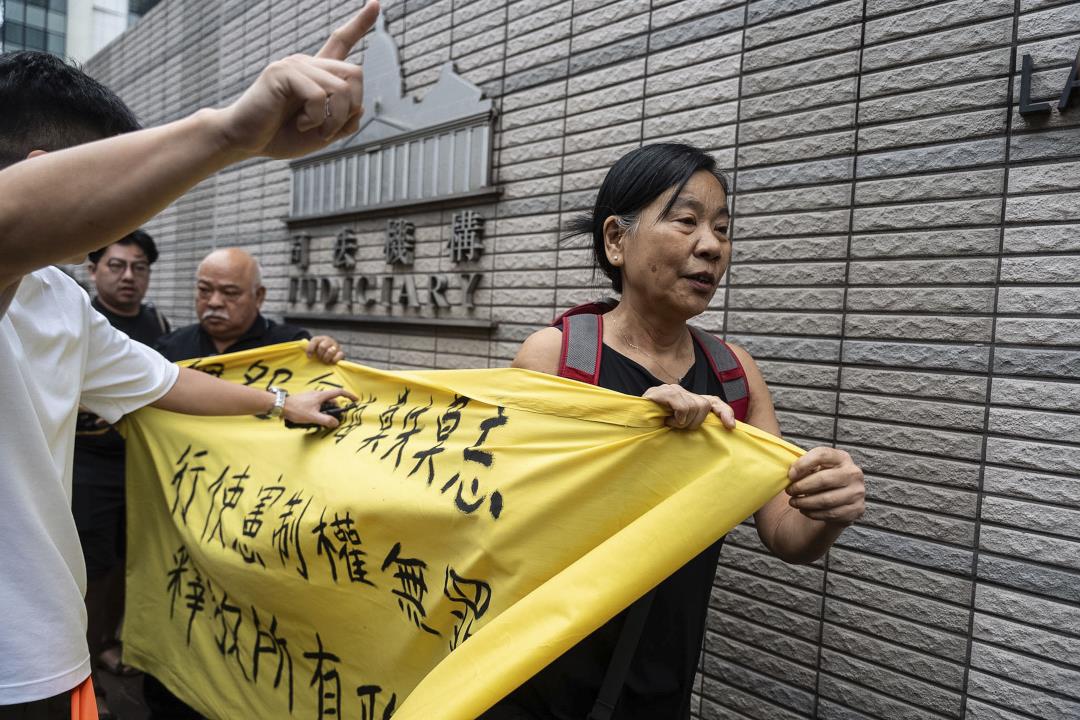
The US has condemned the convictions of 14 pro-democracy activists in Hong Kong under a Beijing-imposed national security law, calling for their release and announcing new visa restrictions on Chinese and Hong Kong officials. The verdicts, part of the city's largest national security case, have effectively eradicated political opposition in Hong Kong, with most activists either imprisoned or in exile. The crackdown has significantly altered the city's political landscape and dampened its once vibrant pro-democracy movement.
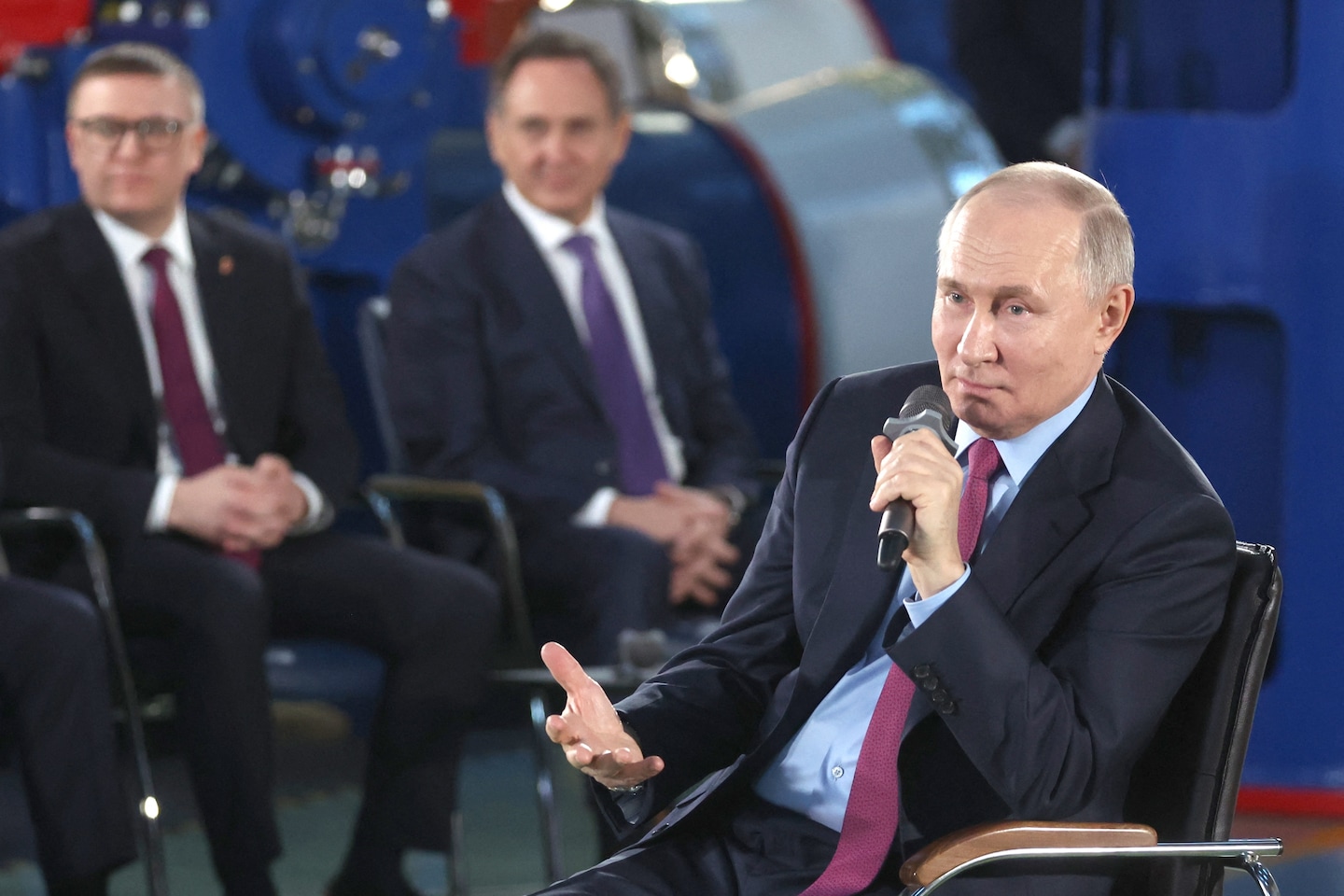
Following the death of Alexei Navalny, Vladimir Putin appears to be riding high, seemingly unstoppable as he continues to consolidate power ahead of Russia's upcoming presidential election. Navalny's demise, along with military assistance for Ukraine still blocked in Congress and Ukrainian forces retreating, has seemingly cleared the path for Putin's victory. Despite potential challenges such as Navalny's martyrdom and increased Western resolve against Putin's regime, analysts believe that Putin remains unchallenged and in control, with the Kremlin cracking down on dissent and potential opposition.
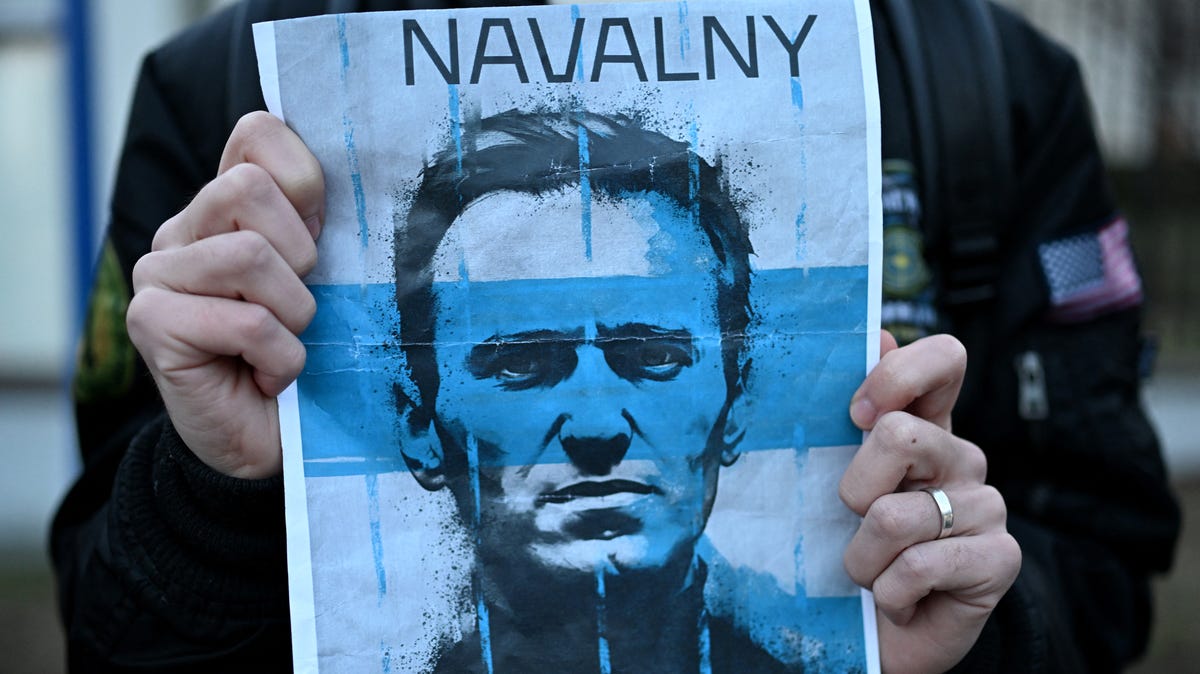
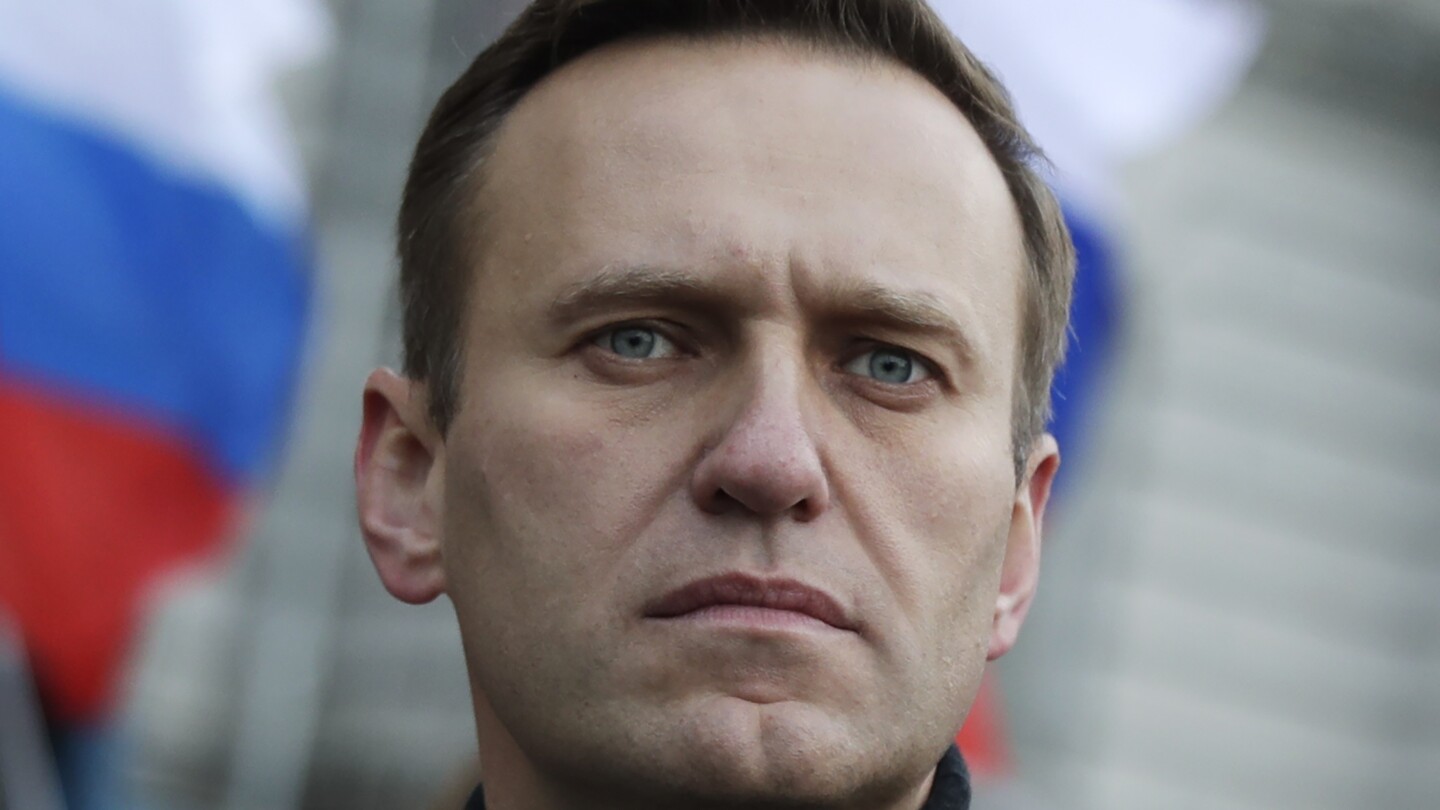
Alexei Navalny, a prominent critic of Russian President Vladimir Putin, died in a maximum-security prison, sparking international condemnation and accusations against the Kremlin. Navalny's death leaves a void in Russia's opposition movement and raises concerns about the state of human rights and political freedom in the country. World leaders, including President Joe Biden, blamed Putin for Navalny's death, while Navalny's wife called for justice and unity to hold the Russian regime accountable. Navalny's legacy as a symbol of hope for change in Russia and a fierce critic of Putin's government continues to resonate despite his untimely death.
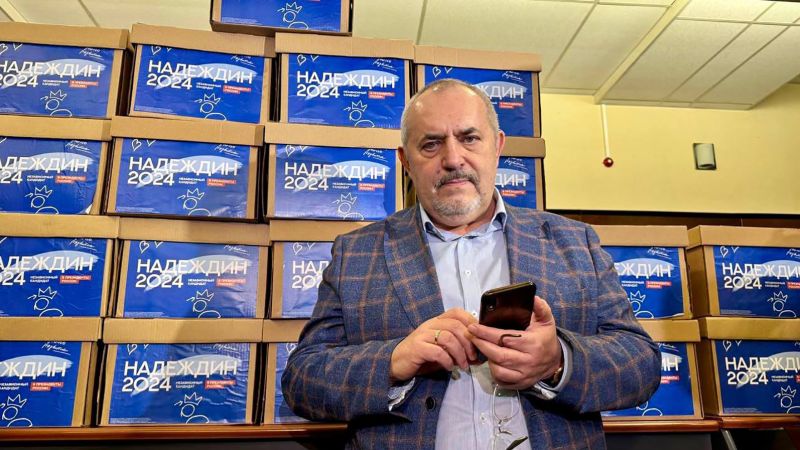
Anti-war candidate Boris Nadezhdin has been barred from running in Russia's presidential election due to allegedly falling short of the required number of signatures, further clearing the political landscape for Vladimir Putin. Nadezhdin, who openly opposes Putin's policies and challenges the invasion of Ukraine, has disputed the claims and plans to appeal. This move reflects the sidelining of political opponents in Russia, where presidential elections are seen as a formality showcasing Putin's popular approval. Another anti-war candidate, Yekaterina Duntsova, was also rejected previously, raising concerns about the targeting of political opposition in the country.
Russia is moving to ban a prominent opposition figure, Dmitry Gudkov, from running in the upcoming presidential election, a move seen as an attempt to further consolidate power for President Vladimir Putin. Gudkov, a former lawmaker, has been a vocal critic of Putin's government, and the ban is likely to further stifle political opposition in the country.
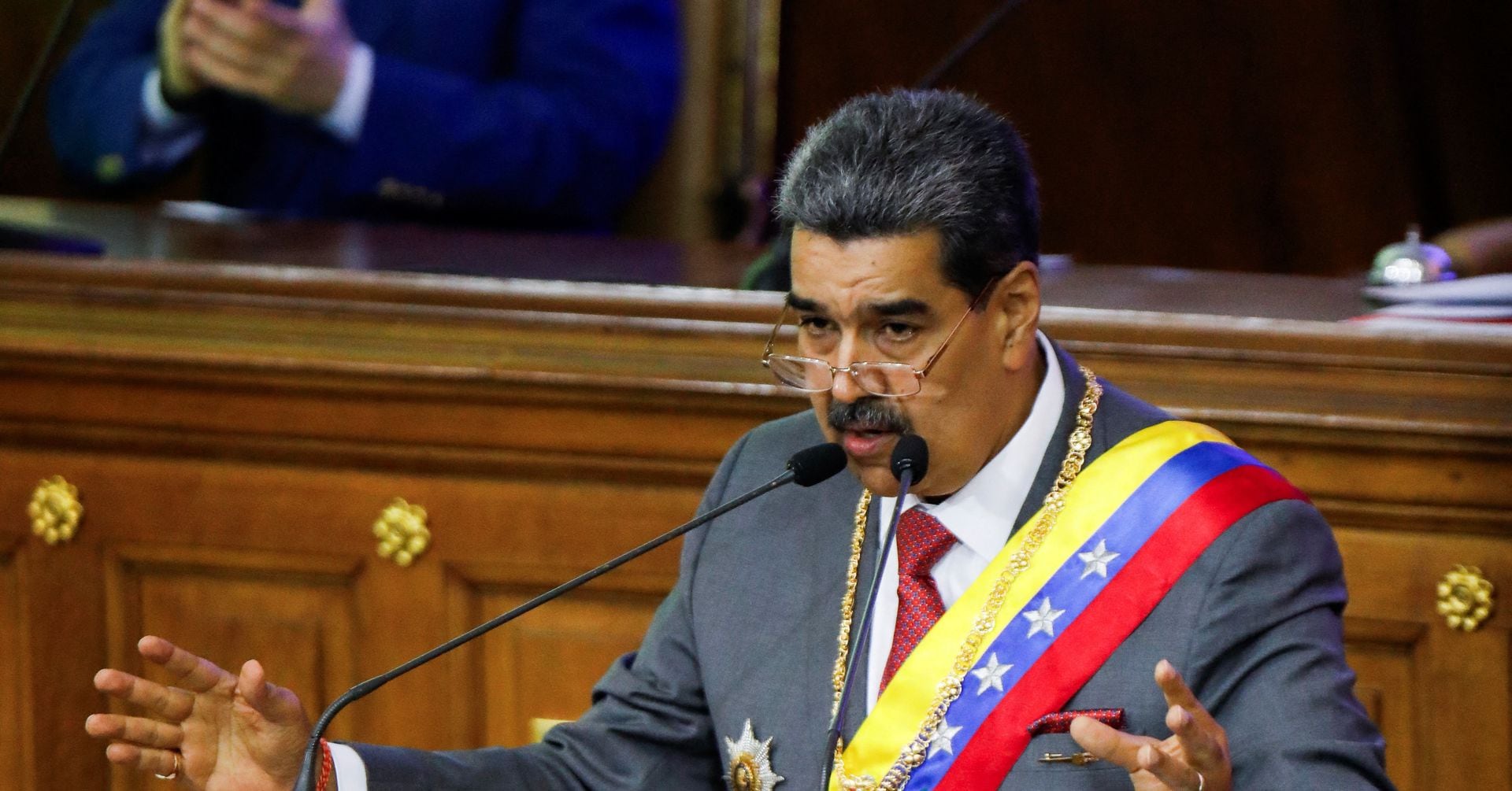
Venezuelan President Nicolas Maduro has warned that the agreement with the political opposition for holding elections later this year is at risk of collapsing due to what he describes as "conspiracies" against him. The United States had temporarily eased oil sanctions on Venezuela in response to the agreement, but stressed that the relief depended on lifting bans on opponents holding public office and releasing political prisoners. The recent arrests of opposition members by the government could jeopardize the agreements and lead to the sanctions being reinstated, potentially impacting the upcoming elections.
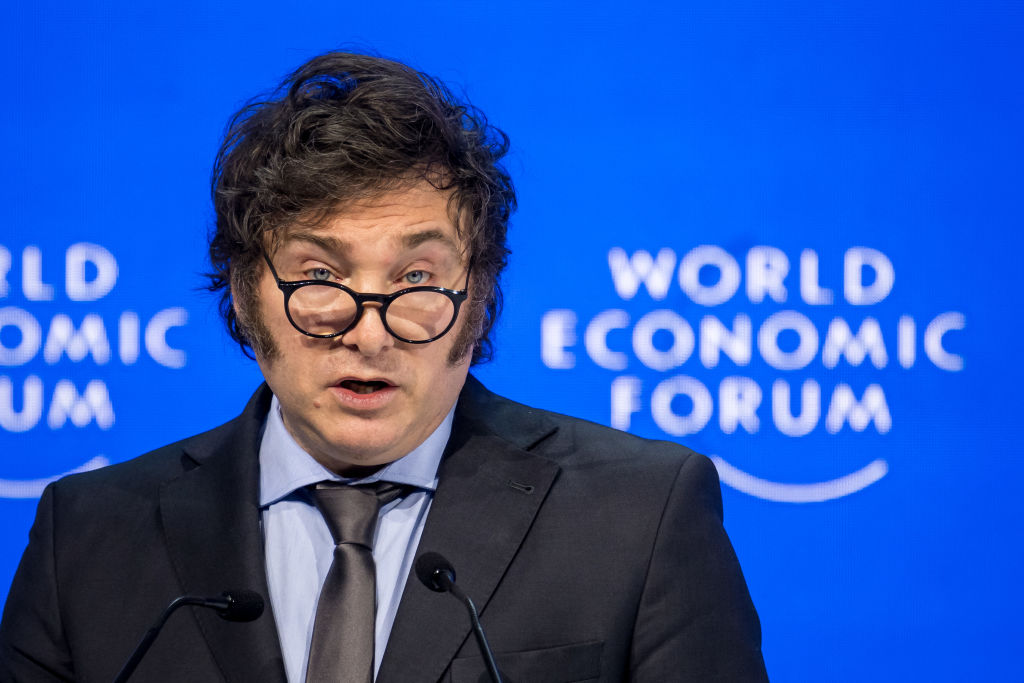
Javier Milei, the anarcho-capitalist president of Argentina, has announced a series of bold measures to deregulate and liberalize the economy, sell off public assets, cut spending, and raise taxes on low-income earners in order to eliminate the country's deficit. His administration's personnel and policy choices have raised concerns, with the focus of austerity measures falling heavily on the working class and the potential for increased social unrest. Milei aims to implement major structural reforms and dismantle the Argentine welfare state, while also seeking to ignite a cultural revolution and stoke a cultural battle against the Left. His opposition to democracy and embrace of right-wing establishment figures have raised questions about his image as a political outsider.
Russian opposition leader Alexei Navalny has been isolated in a punishment cell in an Arctic penal colony, where he is serving a 19-year sentence on charges of extremism. Navalny's allies view this as an attempt to silence him, as the remote location makes it nearly impossible to communicate with him. He has been subjected to repeated punishment and isolation, with the latest incident involving a minor infraction resulting in seven days in a punishment cell. Navalny has been a vocal critic of President Vladimir Putin and has faced multiple politically motivated charges since returning to Russia in 2021 after recovering from nerve agent poisoning.
The US House has initiated a Republican-led inquiry against President Biden, marking a significant move by the political opposition to scrutinize the actions and decisions of the current administration.
As former President Donald Trump is widely expected to be the GOP nominee in the 2024 presidential race, there are concerns about what a second Trump presidency would entail. Trump's campaign messaging this time around focuses more on retribution and punishment of his political opponents, raising fears of an authoritarian presidency. If reelected, Trump has plans to limit immigration, reshape the executive branch with loyalists, and potentially prosecute his political opponents. The Republican Party's role in constraining Trump remains uncertain, as many GOP members have aligned closely with him and few have criticized him. While the idea of a third Trump term is speculative, concerns about the erosion of democratic norms and guardrails persist.